Selecting a high-performance land drilling rig requires balancing structural integrity with operational flexibility. Modern energy and water exploration projects demand equipment that minimizes setup time while maximizing depth capacity. A standard land drilling rig must integrate advanced hydraulic systems and robust masts to handle diverse geological formations. These machines serve as the backbone of onshore extraction, providing the torque and hoisting power necessary for deep-well applications. Efficiency in this sector is measured by the “spud-to-spud” time, which tracks how quickly a rig moves between sites. Choosing the right configuration ensures project longevity and reduces overall operational costs.
Why Is Mobility Vital for a Mobile Drilling Rig?
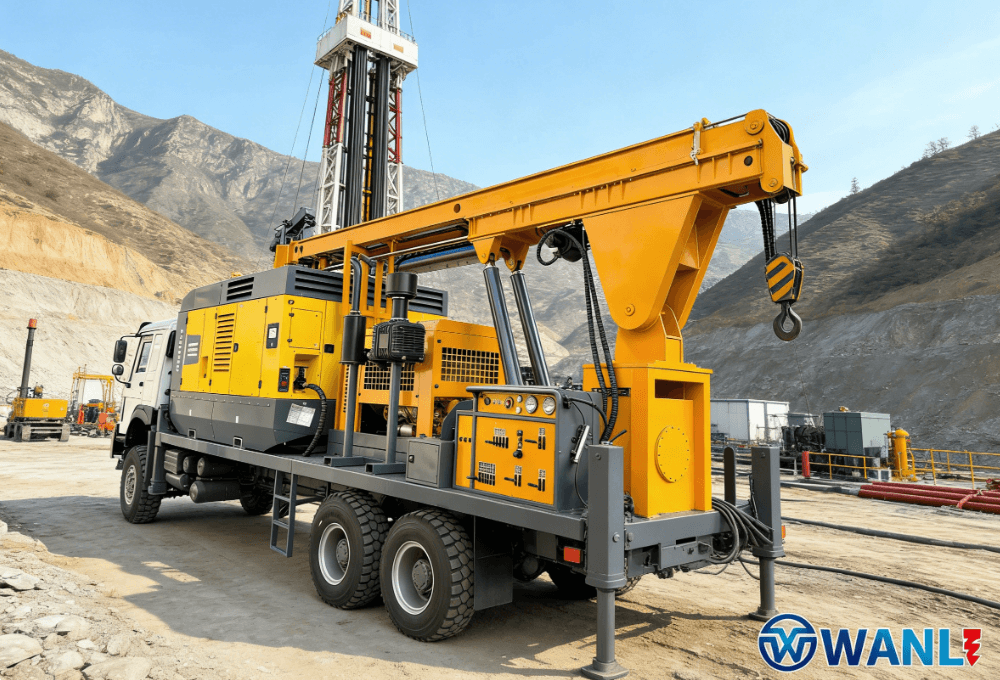
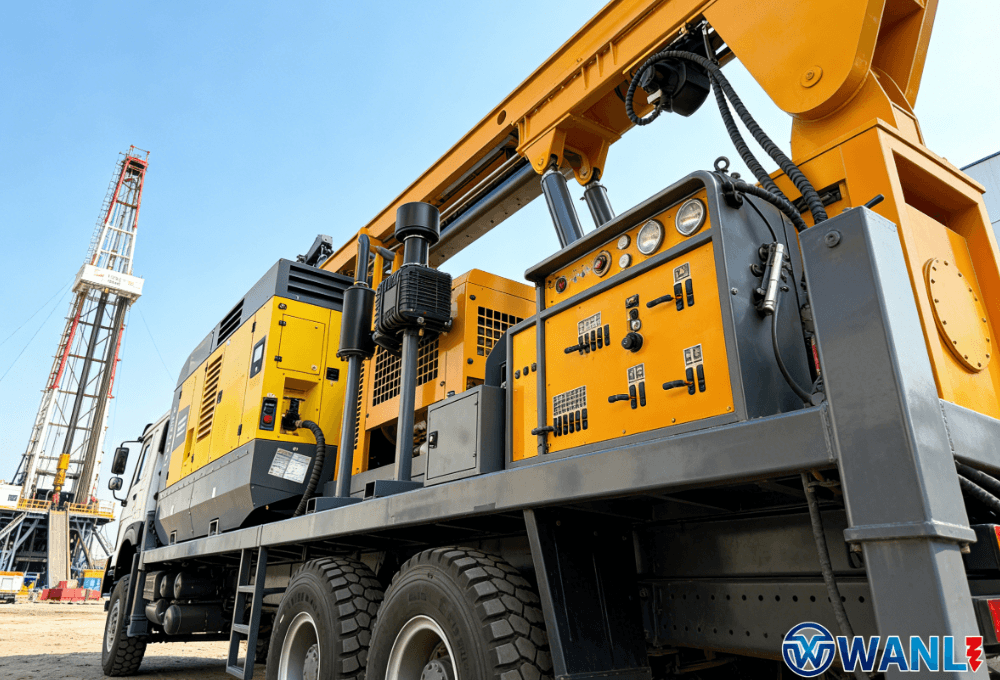
A mobile drilling rig offers unmatched logistical benefits compared to traditional modular units for rapid deployment. These rigs are often mounted on heavy-duty truck chassis or semi-trailers to allow for quick movement across sites. Integration of the power system, drawworks, and mast onto a single platform allows for highway travel without specialized permits. Statistical evidence shows that a mobile drilling rig can reduce mobilization costs by 40% in accessible terrains. This mobility is critical for “pad drilling,” where multiple wells are clustered in a small area to maximize output.
Efficiency Gains via Rapid Deployment Systems
The quick-erection mast designs allow operators to begin drilling within hours of arrival at the site. Most mobile units utilize telescoping masts that extend via hydraulic cylinders, reaching heights of 30 to 45 meters. This design supports the use of “doubles” or “triples,” which speeds up the tripping process significantly during operations. The compact footprint also minimizes the environmental impact on the drilling site by requiring less preparation. Smaller locations require less civil engineering work, leading to substantial savings in overall project setup costs.
Versatility Across Diverse Geological Terrains
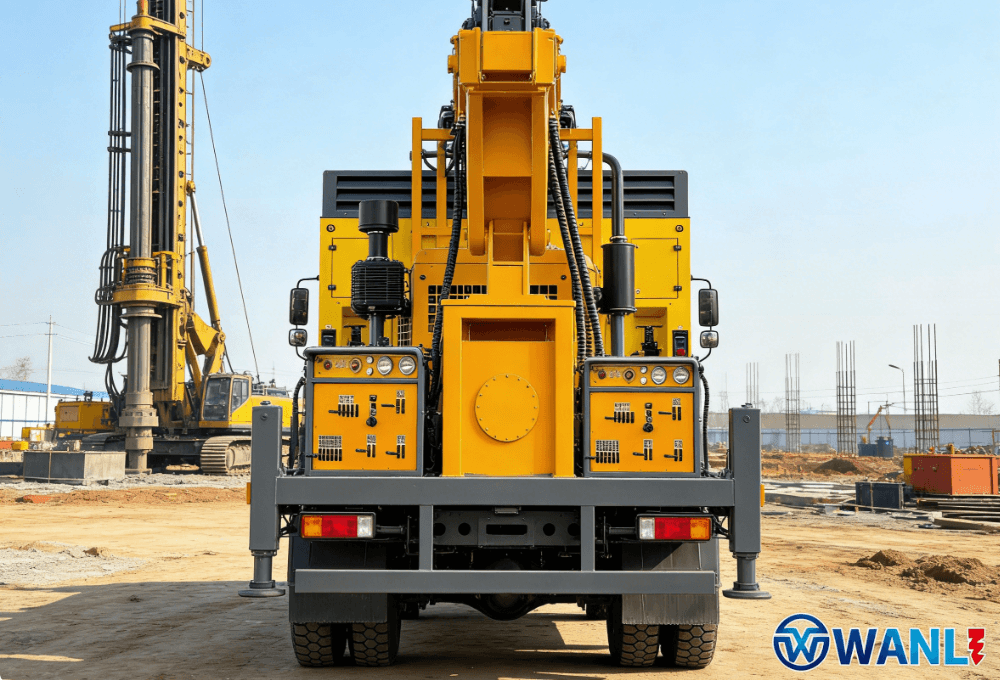
Modern drilling rigs for land use are engineered to operate in environments ranging from desert sands to frozen tundras. The adaptability of the chassis ensures that the rig remains stable during high-torque operations in various soil conditions. Engineers often specify reinforced outriggers to distribute the load evenly across the ground surface to prevent shifting. This versatility allows a single fleet to handle varied contracts without requiring extensive mechanical modifications or additional support equipment.
What Specs Define a Quality Surface Drilling Rig?
A surface drilling rig must be evaluated based on its power-to-weight ratio and hydraulic efficiency. Most modern units feature diesel engines ranging from 400 to 1,200 horsepower to drive the main pumps and rotary systems. The hydraulic top drive system is a crucial component, providing continuous rotation and high torque at various speeds for deep drilling. Research suggests that top-drive-equipped surface drilling rigs reduce the risk of stuck pipes by 50% compared to traditional Kelly drives. This technology allows for better control during directional and horizontal drilling tasks in complex formations.
Core Components for Enhanced Load Capacity
Load capacity is the most vital metric for any surface drilling rig operating in challenging environments. The static hook load determines the maximum weight of the drill string the rig can safely support at any time. For shallow exploration, a hook load of 100,000 lbs is often sufficient for depths up to 2,000 meters. However, deep-well operations require rigs capable of sustaining 500,000 lbs or more to ensure safe operations. Advanced braking systems, such as disc brakes, ensure safe handling of these massive loads during the descent process.
Key Performance Indicators for Equipment Reliability
To ensure long-term ROI, operators must monitor several technical indicators that define rig health and performance. High-quality components reduce the frequency of unplanned maintenance and extend the equipment’s service life in the field. When comparing different models, consider the following performance metrics:
- Hoisting Speed: A range of 0.5 to 1.5 meters per second is standard for efficient tripping.
- Rotary Torque: Minimum thresholds of 30,000 ft-lbs for medium-depth exploration.
- Pump Pressure: Capabilities exceeding 3,000 PSI for effective cuttings removal.
- Wind Resistance: Masts rated for at least 110 km/h to ensure site safety.
How Do You Optimize Your Drilling Rig for Land Use?
When evaluating a drilling rig for land use, operators must prioritize the cooling system and dust suppression capabilities. Land-based environments often involve extreme temperatures and abrasive particles that can damage sensitive hydraulic components over time. High-capacity radiators and multi-stage filtration systems protect the engine and hydraulic circuits from premature wear in dusty areas. Additionally, the mast must be rated for specific environmental loads to ensure stability during high-wind events. Structural steel grades, such as ASTM A572, are commonly used to provide the necessary tensile strength for long-term use.
Selection Criteria for Vehicle-Mounted Configurations
Choosing a high-quality vehicle-mounted drilling rig involves assessing the balance between carrier strength and drilling power. It is essential to verify that the truck chassis can support the dynamic loads encountered during high-pressure drilling cycles. A reliable unit should offer a modular design that allows for easy component replacement in the field when needed. This approach minimizes logistical delays and ensures that the land drilling rig remains operational in remote or difficult-to-access areas.
Operational Safety and Environmental Compliance
Safety protocols are the foundation of any successful onshore drilling operation regardless of the project scale. Modern rigs include emergency shut-off valves and automated pipe handling to protect the crew from manual handling risks. To maintain a safe site, follow these essential steps:
- Perform daily inspections of the hydraulic hoses and connections for leaks.
- Calibrate the weight-on-bit sensors every week for precision and accuracy.
- Conduct pressure tests on the blowout preventer before each new well starts.
- Verify that all crew members are trained on the specific rig control console.
Summary
Selecting a land drilling rig requires a focus on mobility, load capacity, and hydraulic precision. High-performance mobile drilling rigs reduce downtime, while robust surface drilling rigs ensure safety in deep-well operations. By matching technical specifications to geological demands, operators can maximize efficiency and project profitability.
FAQ
1. What is the main advantage of a vehicle-mounted land drilling rig?
The primary benefit is rapid mobilization and reduced setup time. These rigs can travel on public roads and do not require extensive assembly, making them ideal for multi-site projects.
2. How deep can a standard mobile drilling rig reach?
Depending on the model, most mobile units can reach depths between 1,000 and 4,000 meters. The specific limit is determined by the mast’s hoisting capacity and the drill string’s weight.
3. Are hydraulic top drives better than rotary tables?
Yes, hydraulic top drives allow for continuous rotation while moving the drill string vertically. This improves drilling speed and significantly reduces the chance of the pipe getting stuck.
4. What safety standards should a land drilling rig meet?
Rigs should comply with API 4F for masts and API 7K for drilling equipment. These standards ensure the machinery can handle specified loads and environmental stresses safely during use.
Reference Sources
International Association of Drilling Contractors (IADC) – Drilling Manual and Equipment Standards
Society of Petroleum Engineers (SPE) – Advances in Onshore Drilling Technology