Selecting the right drilling method is crucial for any project. Engineers must weigh sample quality against operational speed. The debate often centers on core drilling vs rotary drilling. Both techniques serve distinct purposes in construction and mining. Understanding their mechanisms helps avoid costly mistakes. This article explores the technical nuances of each method. We will provide data-driven insights for your next 2026 project.
The primary goal of drilling defines the choice. Core drilling focuses on retrieving intact material samples. Rotary drilling prioritizes speed and hole creation. These differences affect everything from equipment selection to site costs. Choosing the wrong method can lead to poor data. It may also result in project delays. Let’s dive into the specifics of these two industry-standard methods.
What is the Difference Between Core Drilling vs Rotary Drilling?
The fundamental difference lies in the bit design and sample recovery. Core drilling uses a hollow bit. This bit cuts a cylindrical sample from the ground. It preserves the internal structure of the rock or soil. This is essential for detailed geological analysis. Experts call this non-destructive drilling regarding sample integrity.
Mechanics of Core Drilling Systems
Core drilling bits are often tipped with industrial diamonds. These can cut through the hardest 2026 geological formations. The hollow center allows the core to slide upward into a barrel. This barrel protects the sample during extraction. It ensures the rock layers remain in their original order. Engineers use this data to map underground structures accurately.
Mechanics of Rotary Drilling Systems
In contrast, rotary drilling uses a solid bit. This bit grinds or crushes the material into small chips. These chips are then flushed out by drilling fluid. This method is considered destructive for the sample. You gain a hole but lose the physical context. However, it is exceptionally efficient for deep penetration. It handles large-diameter holes with relative ease.
When comparing core drilling vs rotary drilling, precision is the keyword. Rotary bits often use tungsten carbide or steel teeth. The mechanics of rotation and pressure vary significantly between them. One seeks information, while the other seeks depth. Technological advancements in 2026 have increased the efficiency of both systems. Most modern sites utilize a combination of these methods.
Key Factors for Selecting Core Drilling vs Rotary Drilling?
Site conditions often dictate the optimal drilling strategy. Hard rock formations typically require diamond core bits. These bits maintain sharp edges under high friction. Soil or soft rock may favor rotary methods for faster progress. Core drilling vs rotary drilling choices depend on required hole depth. Deep mineral exploration almost always involves coring.
Importance of Sample Integrity
Recovery rates are a critical performance metric in 2026 projects. High-quality core drilling yields recovery rates of 95% to 98%. This means nearly the entire column of rock is retrieved. Rotary drilling provides only cuttings or slue. This makes it difficult to identify thin geological layers. If you need to see the rock’s cracks, use coring.
Speed and Efficiency in Construction
Operational costs also diverge based on the method chosen. Core drilling is generally more expensive per meter. The specialized bits and slower speeds increase labor costs. Rotary drilling offers a lower cost for large-scale excavation. It moves more material in less time. Balancing the budget with data needs is essential. Always calculate the cost of missing data before choosing.
| Feature | Core Drilling | Rotary Drilling |
| Primary Goal | Sample Extraction | Hole Completion |
| Bit Type | Hollow (Diamond/Tungsten) | Solid (Tri-cone/PDC) |
| Sample Quality | Intact Cylindrical Cores | Loose Cuttings/Chips |
| Typical Speed | 1–5 meters per hour | 15–40 meters per hour |
| Hole Diameter | Small (45mm – 150mm) | Large (150mm – 3000mm) |
| Hard Rock Performance | Excellent (Diamond) | Moderate to High |
| 2026 Cost Index | Higher | Lower |
Technical Performance and Data Analysis in 2026?
Efficiency metrics help quantify the core drilling vs rotary drilling decision. Core drilling rigs typically operate at high RPMs. Speeds of 300 to 1200 RPM are common for diamond bits. This high-speed rotation allows for smooth cutting. However, the torque is usually lower than in rotary systems. This balance prevents the fragile core sample from breaking.
Weight on Bit and Pressure Dynamics
Rotary drilling operates on a different mechanical principle. It utilizes high Weight on Bit and high torque. The RPM is usually much lower, ranging from 50 to 300. This force is necessary to crush heavy rock or dense clay. A typical rotary rig might apply 25,000 to 110,000 lbs of pressure. This sheer force ensures rapid penetration in most terrains.
Environmental Impact and Waste Management
Environmental impact is another consideration for modern 2026 projects. Core drilling produces less waste material. The volume of the hole is small and controlled. Rotary drilling generates significant amounts of cuttings and mud. Managing this waste requires larger sediment pits or tanks. Engineers must factor in the cost of site remediation. Smaller rigs often mean a smaller environmental footprint.
Energy Consumption and Sustainability
Energy efficiency has become a priority for drilling companies. Core drilling consumes less fuel per hour of operation. The engines are generally smaller and more compact. Rotary drilling requires massive power to rotate large-diameter bits. In 2026, hybrid rotary rigs are emerging to reduce carbon output. However, coring remains the greener choice for mineral exploration. This sustainability factor influences many corporate procurement decisions.
How to Choose the Best Drilling Method for Your Project?
In mineral exploration, core drilling is the gold standard. Geologists use cores to identify ore grades. They analyze the chemical composition of the intact rock. This data determines the financial viability of a mine. Without core samples, investors face extreme risks. Core drilling vs rotary drilling comparisons in mining favor coring. It is the only way to see the underground.
Foundations and Infrastructure Applications
The construction industry often leans toward rotary drilling. It is ideal for installing large foundation piles. These piles support 2026 skyscrapers, bridges, and highways. Rotary rigs can drill holes up to several meters wide. They can also reach depths exceeding 120 meters quickly. Speed is the priority for meeting tight construction schedules. It keeps the heavy machinery moving on site.
Geotechnical Testing Standards
Environmental testing also utilizes core samples. Scientists check for soil contamination at specific depths. Intact cores prevent the mixing of soil layers. This ensures the samples represent the true ground conditions. Rotary drilling might cross-contaminate different soil strata. For sensitive environmental audits, precision is non-negotiable. Always choose the method that protects the data integrity.
Assessing Regional Geology
Before starting, study the local geological surveys. If the terrain is unknown, start with a pilot core hole. This provides a baseline for the entire site. If the ground is consistent, switch to rotary for bulk work. This hybrid approach optimizes both data and budget. Many 2026 project managers utilize this dual-method strategy. It provides the best of both worlds for stakeholders.
Selecting the Right Rig for Your Terrain?
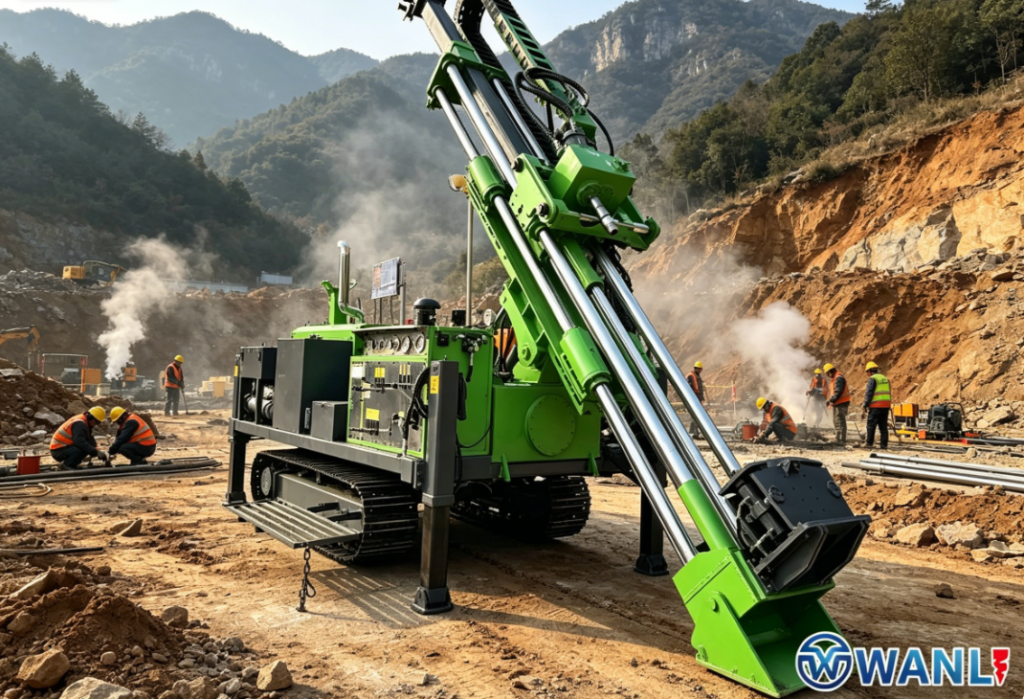
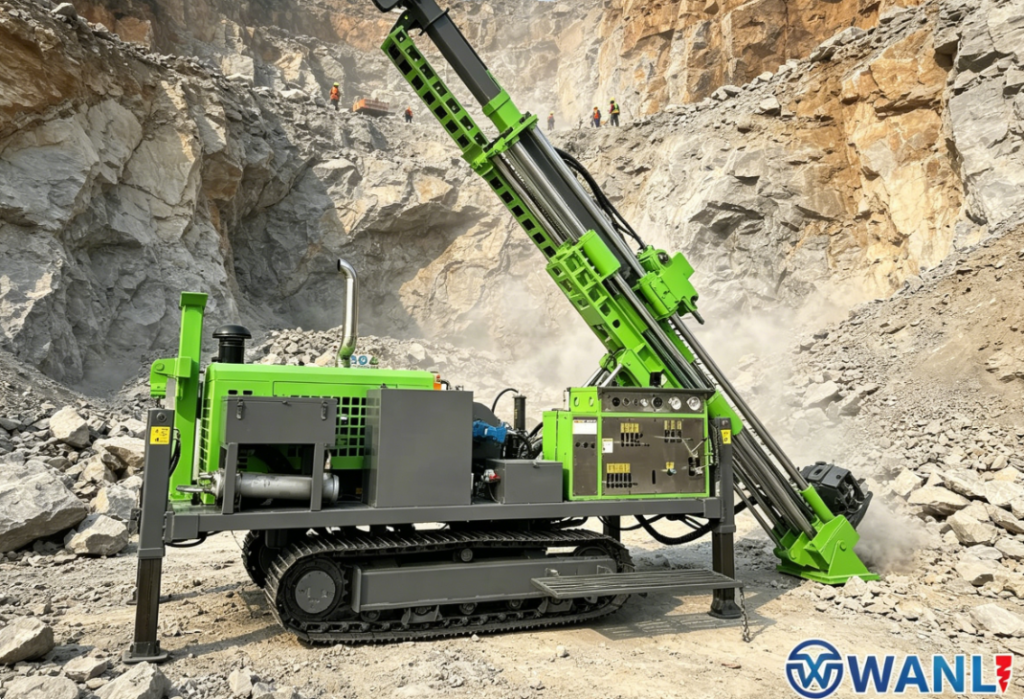
The success of core drilling vs rotary drilling depends on the rig. Portable rigs are excellent for remote mountain sites. They can be disassembled and transported by hand. These are common in early-stage 2026 mineral exploration. Heavier, truck-mounted rigs are used for deeper holes. They offer the stability needed for high-torque operations. Choosing the right size prevents equipment failure.
Evaluating Performance Capabilities
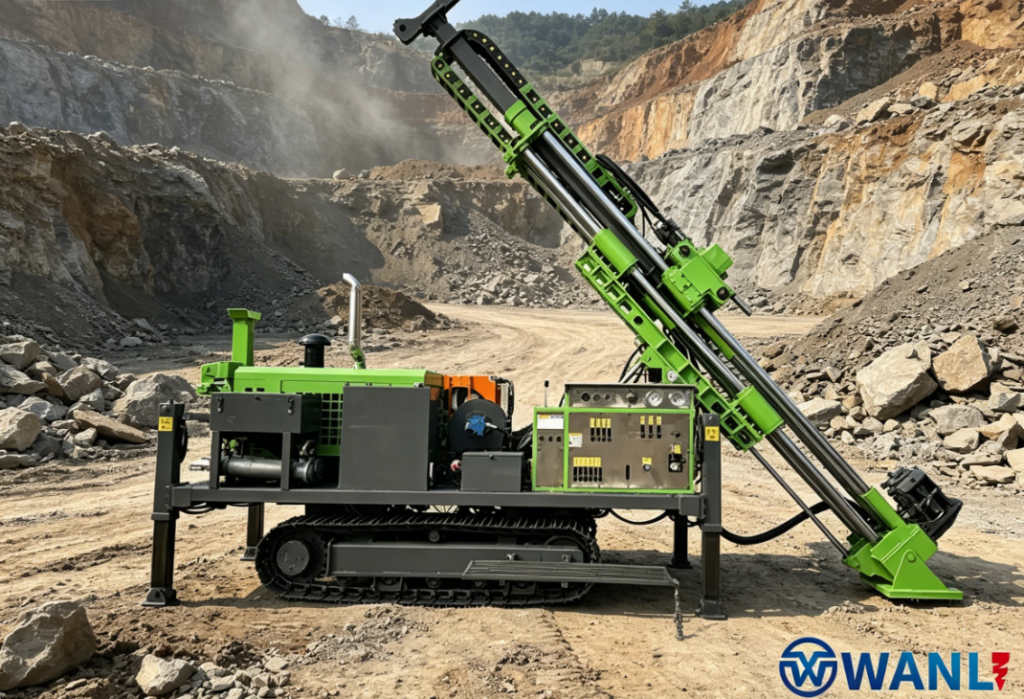
When determining if your project requires specialized tools, consider the final goal. If you are exploring for minerals, your needs are specific. You will likely search for a high-performance coring drilling rig to ensure sample quality. These machines are designed to maintain stability at high speeds. They help maximize your core recovery rates in difficult terrain. Choosing a rig with adjustable torque settings is often beneficial.
Depth and Portability Requirements
Assessing the depth requirements is the next logical step. Some rigs excel at shallow sampling for geotechnical reports. Others are built for deep-hole exploration reaching 1500 meters or more. Evaluate the portability of the equipment if access is limited. A spindle-type rig might offer the versatility you need. Ensure the machine supports the specific diameter of your core barrels. This compatibility prevents delays during the active drilling phase.
Durability and 2026 Technology Standards
Finally, consider the long-term durability of the drilling platform. Harsh environments demand robust frames and reliable hydraulic components. Look for rigs that simplify the core extraction process. This efficiency saves time and reduces labor intensity for the crew. A well-chosen coring drilling rig balances initial investment with operational longevity. It serves as the foundation for your project’s technical success. Reliable equipment always translates to more accurate geological data.
Summary
The choice of core drilling vs rotary drilling depends on your objective. Use core drilling when you need high-quality samples and geological precision. Opt for rotary drilling for fast hole creation and large-scale construction tasks. Both methods remain essential tools for professional engineering and mining projects in 2026.
FAQ
1. Is core drilling more expensive than rotary drilling?
Yes, core drilling usually costs more per meter due to slower speeds and diamond bits. However, it provides invaluable geological data that rotary drilling cannot match. In 2026, the price gap is narrowing due to better diamond recycling.
2. Can rotary drilling be used for soil sampling?
Rotary drilling can provide disturbed soil samples via cuttings or specialized samplers. For undisturbed, high-quality soil profiles, core drilling is the preferred method. Most geotechnical standards require coring for precise moisture and density tests.
3. Which method is faster for deep-water wells?
Rotary drilling is significantly faster for drilling water wells through most formations. It creates a large-diameter hole quickly and efficiently handles the removal of debris. This makes it the standard for residential and industrial water supply.
4. Can core drilling go as deep as rotary drilling?
Both methods can reach extreme depths, often exceeding several thousand meters in 2026. However, the equipment and time required for deep-core drilling are much more intensive. Rotary systems are typically used for the top sections of very deep holes.
Reference Sources
British Drilling Association Technical Guide to Drilling Equipment and Safety 2026
U.S. Geological Survey Field Manual for Soil and Rock Core Sampling Techniques