Modern industrial growth relies heavily on the extraction of minerals and metals. To meet global demand, the industry utilizes specialized mining equipment designed for extreme durability. These machines must handle harsh environments while maintaining high precision. Efficiency in extraction directly impacts the profitability of any project. Consequently, choosing the right mining machinery is a critical decision for site managers. This guide explores the essential tools used in today’s surface and underground operations.
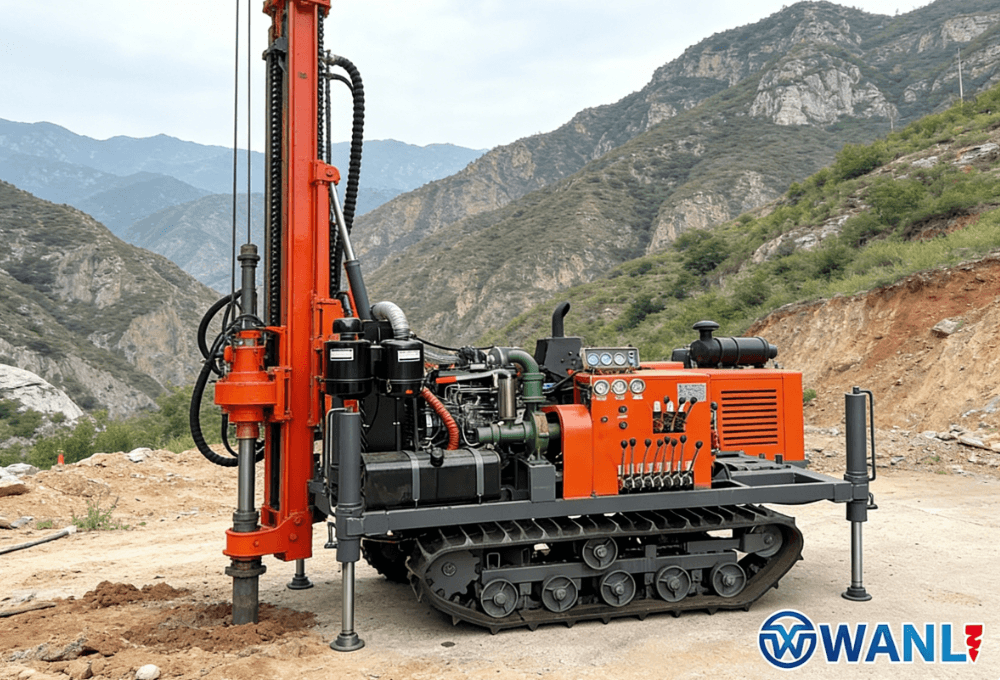
What Are the Core Types of Mining Machinery Used Today?
The selection of mining equipment depends on the geological structure and depth of the deposit. Surface mining requires massive earthmovers, while underground operations use compact, specialized units. Excavators and loaders serve as the primary movers of overburden and raw ore. These machines often feature bucket capacities exceeding 30 cubic meters. Such scale allows for the removal of thousands of tons of material daily.
Primary Earthmoving and Haulage Systems
Drilling is another fundamental stage in the extraction process. Mining machinery like blast-hole drills creates paths for explosives to break solid rock. Furthermore, automated haulage trucks are becoming more common on modern sites. These autonomous vehicles reduce human error and can operate 24 hours a day. By integrating sensors and GPS, they optimize fuel consumption and route planning.
| Equipment Category | Primary Function | Typical Scale/Capacity |
| Haul Trucks | Moving large volumes of ore | 100 to 400-ton payloads |
| Hydraulic Excavators | Digging and loading material | 200 to 800-ton operating weight |
| Blast-hole Drills | Creating explosive charges | 150mm to 400mm hole diameter |
| Crushers | Breaking down large rocks | 500 to 2,500 tons per hour |
Essential Drilling Rigs for Resource Exploration
Exploration is the first step toward a successful mining venture. Specialized rigs determine the quality and quantity of the mineral deposit. Reverse Circulation (RC) drilling rigs are widely used for initial grade control. They use a dual-wall drill pipe to bring samples to the surface quickly. This method prevents contamination and provides accurate geological data. RC drilling is often 40% faster than traditional coring methods. You can find high-performance RC reverse circulation drilling rigs designed for rugged environments.
Deep Exploration and Core Recovery
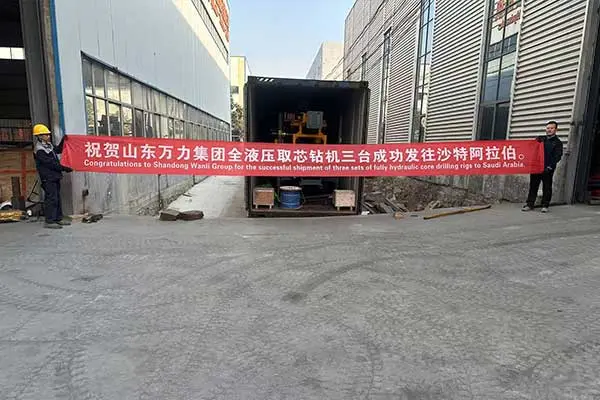
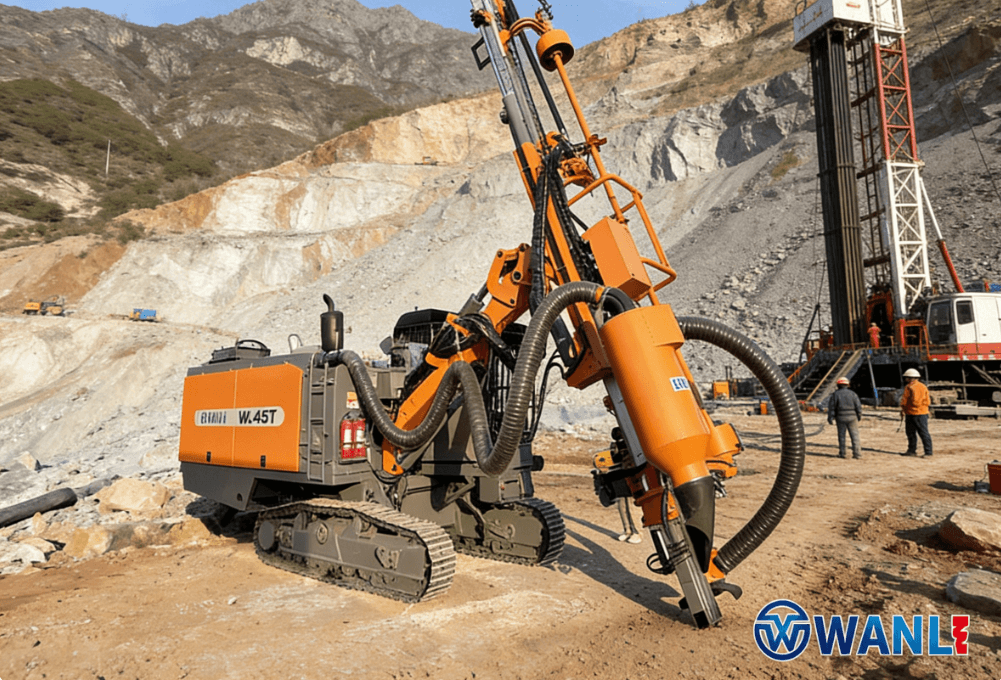
For deeper insights, coring drilling rigs extract solid cylinders of rock. This allows geologists to study the physical properties of the earth’s layers. These rigs often reach depths of over 1,500 meters with high precision. Meanwhile, down the hole drilling rigs are preferred for hard rock environments. They utilize a pneumatic hammer located directly behind the drill bit. This design maximizes energy transfer and increases penetration rates in granite or basalt.
Mobility and Versatility in Drilling
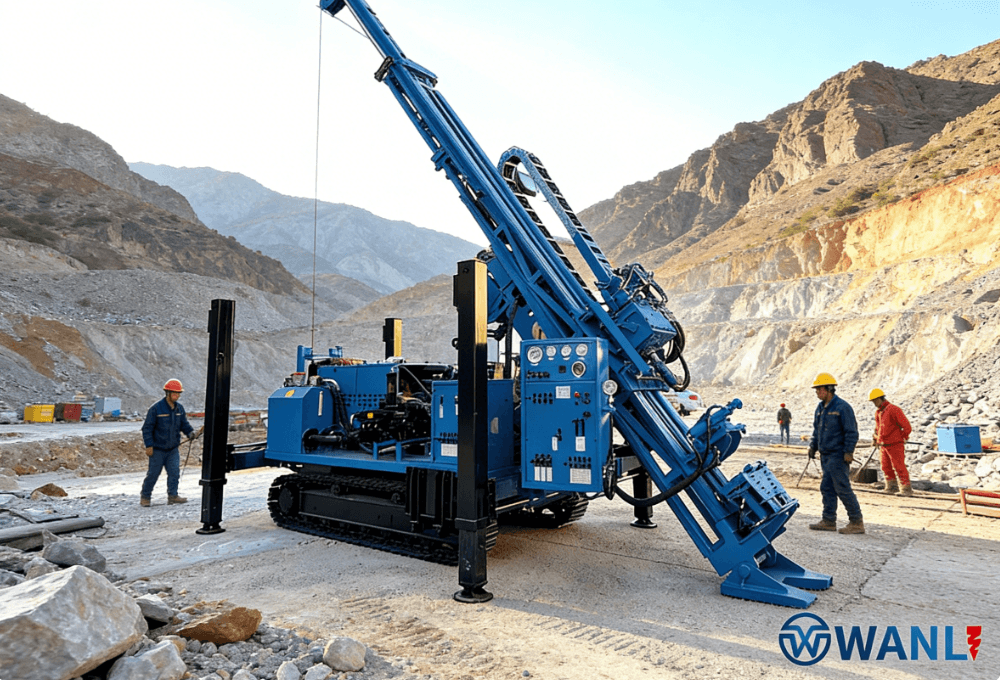
Mobile operations often require versatility across different terrain types. Vehicle mounted drilling rigs offer the mobility needed for remote exploration sites. They combine the power of a heavy-duty rig with the agility of a truck. This setup reduces setup times and allows for rapid relocation between drill sites. Modern units feature hydraulic controls that enhance operator safety and hole accuracy.
How Modern Technology Enhances Mining Equipment Safety
Safety is the most critical factor in modern heavy industry operations. Advanced mining machinery now includes remote monitoring systems to protect workers. Operators can often control heavy drills or loaders from a safe distance. This is especially vital in deep underground mines or unstable surface slopes. High-definition cameras and LiDAR provide a 360-degree view of the surroundings.
Data Analytics and Predictive Maintenance
Data analytics also play a role in preventing mechanical failures on site. Sensors monitor engine temperature, oil pressure, and structural vibration in real-time. This predictive maintenance approach can reduce downtime by up to 20%. By identifying wear before a part breaks, companies save on expensive emergency repairs. Furthermore, automated fire suppression systems are standard on most high-value mining equipment.
Environmental and Power Efficiency
Environmental regulations have also influenced the design of new machinery. Tier 4 final engines and electric drive systems reduce carbon emissions significantly. Some underground loaders now operate entirely on battery power to eliminate exhaust fumes. This improves air quality for workers and lowers ventilation costs for the mine. Sustainable practices are now integrated into the core engineering of extraction tools.
Choosing the Right Drilling Solutions for Your Project
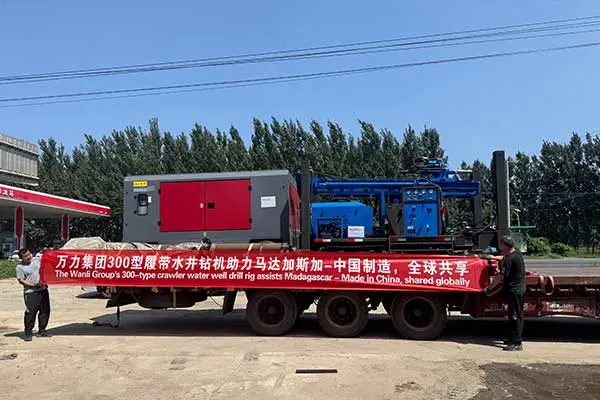
Selecting the correct mining equipment requires a deep understanding of site conditions. You must consider the rock hardness and the required depth of the hole. For instance, water well drilling rigs are essential for providing site water supply. These rigs must be capable of penetrating various sedimentary layers efficiently. If the ground is highly fractured, specialized casing systems may be necessary.
Evaluation Criteria for Professional Rigs
Reliability is the most important factor when choosing a machinery supplier. You should look for equipment that offers high torque and robust hydraulic systems. Components must be easy to source to ensure long-term maintenance is possible. Performance data, such as fuel consumption per meter drilled, helps in calculating operational costs. A balanced approach between initial investment and lifetime efficiency ensures project success.
Adaptability to Remote Terrain
Quality drilling rigs should feature modular designs for easy transport. This is particularly important for projects in mountainous or densely forested regions. Furthermore, the ability to switch between different drilling modes adds significant value. A rig that can handle both DTH and rotary drilling provides maximum flexibility. Always verify the manufacturer’s safety certifications before finalizing any equipment acquisition.
Summary
Modern mining equipment is the backbone of the global resource industry. From massive excavators to precise mining machinery like RC and DTH rigs, these tools ensure efficiency. By prioritizing safety technology and choosing versatile drilling solutions, operators can maximize productivity. Investing in high-quality machinery is essential for sustainable and profitable mineral extraction.
FAQ
1. What is the difference between RC and DTH drilling?
Reverse Circulation (RC) uses a double-pipe system to collect samples, while Down-The-Hole (DTH) uses a hammer at the bit. RC is better for high-quality geological sampling, whereas DTH is optimized for speed in hard rock.
2. Why are vehicle-mounted drilling rigs popular for exploration?
Vehicle-mounted drilling rigs offer superior mobility and fast setup times in remote areas. They eliminate the need for additional transport trailers, making them cost-effective for multi-site exploration programs.
3. How does mining machinery improve site safety?
Mining machinery improves safety through automation, remote operation, and real-time monitoring sensors. These features keep workers away from hazardous zones and provide early warnings for mechanical failures.
4. Can coring drilling rigs reach depths over 1,000 meters?
Yes, modern coring drilling rigs are engineered to reach depths exceeding 1,500 meters. They provide continuous core samples that are essential for detailed geological mapping and resource estimation.
5. What maintenance is required for heavy mining equipment?
Standard maintenance includes regular hydraulic fluid checks, engine servicing, and structural inspections. Predictive maintenance using sensor data is the most effective way to manage large fleets today.