Industrial development relies heavily on the ability to access underground resources like water, minerals, and energy. At the heart of these operations is the drilling rig, a complex assembly of machinery designed to penetrate the earth’s surface. Understanding what is drilling rig technology involves looking at how these machines balance power, precision, and mobility.
Modern rigs are engineered to perform in diverse geological conditions, from soft soil to the hardest granite. They utilize various mechanisms, such as rotation, percussion, or a combination of both, to create boreholes. These structures are essential for scientific research, infrastructure stability, and resource management.
Effective drilling requires a strategic match between the equipment and the specific project goals. Whether for a small-scale farm well or a large-scale mining exploration, the rig serves as the primary tool for success. In this guide, we will examine the various configurations and applications of this critical industrial equipment.
What is a Drilling Rig and How Does It Function?
When asking what is drilling rig technology, it is best described as a system that creates holes in the ground. These machines vary from small, portable units to massive structures that require specialized transport. Their primary function is to provide a pathway for sampling, extraction, or structural reinforcement.
Core Components and Mechanics
Every rig consists of a power source, a derrick or mast for support, and a drill string. The drill bit at the end of the string does the actual cutting or crushing of the rock. Many systems also use drilling fluids or air to cool the bit and bring cuttings to the surface.
Power and Torque Specifications
The performance of a drilling rig is measured by its torque and lifting capacity. For example, high-torque motors are necessary for deep-hole applications where friction increases significantly. Modern hydraulic systems allow operators to fine-tune these parameters for maximum efficiency during operation.
What are the Main Types of Drilling Rigs for Land Operations?
Land-based operations require specific rigs tailored to the terrain and the desired depth. Choosing the correct drilling rig ensures that the project remains cost-effective and safe. Each type utilizes a unique drilling method to achieve the best results in different soil types.
Reverse Circulation (RC) Drilling
A Reverse Circulation (RC) drilling rig is highly valued in the mining industry for its speed and accuracy. It uses a dual-wall drill pipe where the cuttings are returned inside the inner tube. This method prevents contamination of the samples, making it ideal for high-precision mineral exploration and grade control.
Down-The-Hole (DTH) Systems
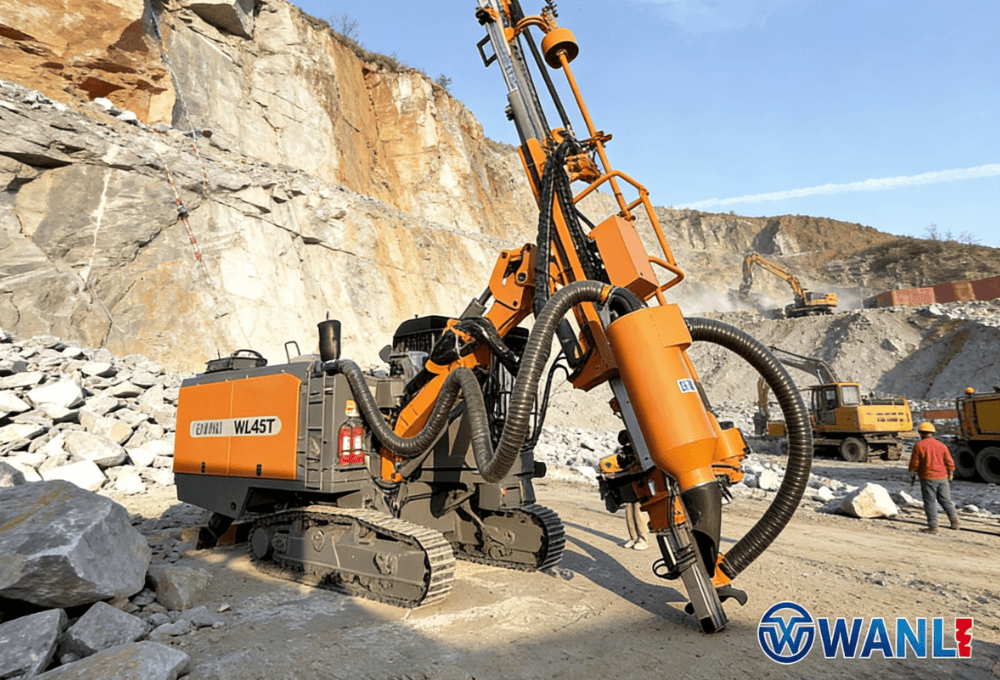
For hard rock environments, a Down-The-Hole drilling rig is the preferred choice. This system places the pneumatic hammer directly behind the drill bit, rather than at the top of the mast. This design minimizes energy loss, allowing the rig to penetrate tough surfaces like basalt or limestone with ease.
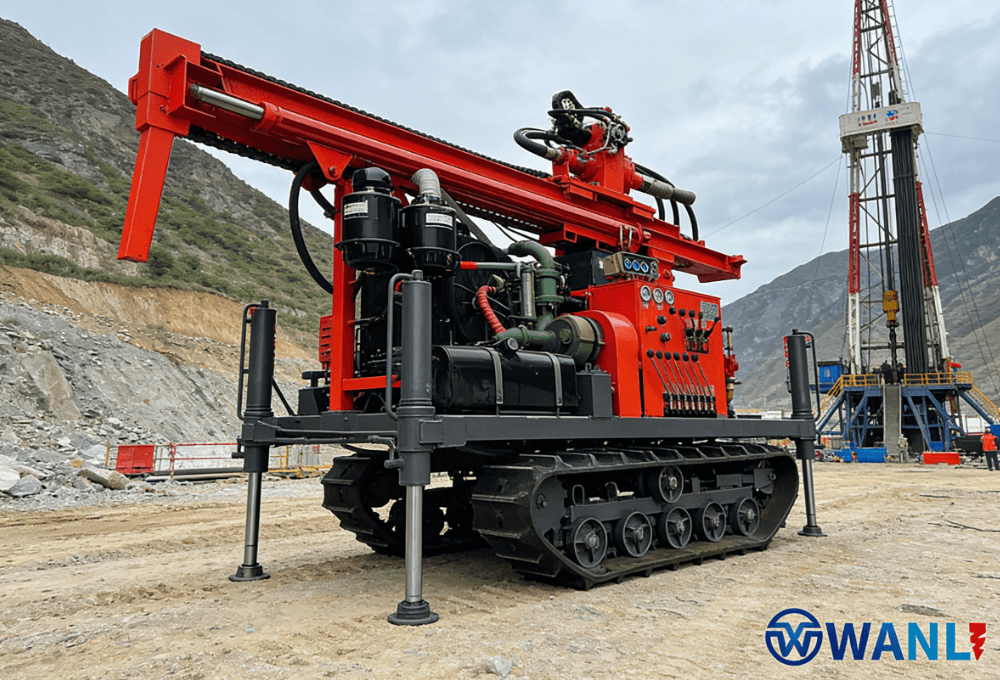
Water Well and Vehicle-Mounted Solutions
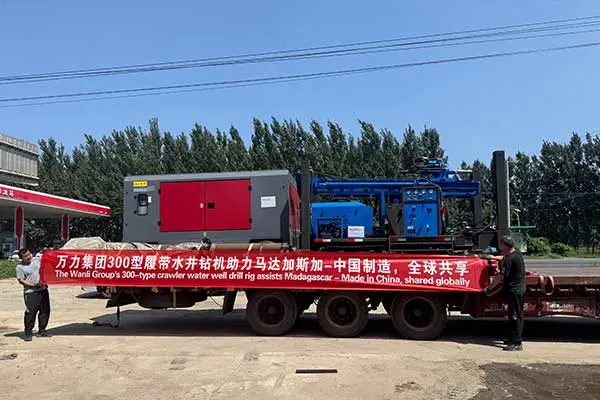
Infrastructure and agricultural projects often utilize a water well drilling rig for local resource access. Many of these are configured as a vehicle-mounted drilling rig for rapid relocation between sites. These mobile units provide a balance of drilling depth and operational speed for shallow to medium-depth projects.
| Rig Type | Primary Drilling Method | Best Application | Key Hardware Feature |
| RC Rig | Dual-wall pipe / Air | Mineral Sampling | High-purity sample collection |
| DTH Rig | Percussion (Hammer) | Hard Rock & Quarrying | Impact-driven rock penetration |
| Coring Rig | Diamond Bit Rotation | Geological Surveying | Solid rock cylinder extraction |
| Water Well Rig | Rotary / Mud Circulation | Irrigation & Domestic | High-flow fluid management |
| Vehicle-Mounted | Integrated Chassis | Multi-site operations | Rapid transit and setup |
Exploring Specialized Applications for Drilling Equipment
Beyond basic hole-making, many projects require specialized hardware to gather specific types of data. These applications often involve sensitive environments where the integrity of the earth’s samples is paramount. Modern engineering has led to the development of highly specialized tools for these tasks.
Core Sampling for Geology
A coring drilling rig is designed specifically to extract solid cylinders of rock, known as cores. These samples allow geologists to study the strata and determine the concentration of minerals or the stability of a site. Coring rigs often use diamond-impregnated bits to cut through the hardest geological formations smoothly.
Statistics in Drilling Efficiency
Research shows that using specialized rigs can increase project speed by up to 40% compared to multipurpose units. Furthermore, RC drilling is roughly 2 to 3 times faster than traditional diamond coring for initial exploration. These data points emphasize the importance of selecting the right drilling rig for time-sensitive industrial projects.
How to Determine the Best Drilling Rig for Your Project?
Selecting the right equipment involves a thorough assessment of your site conditions and required depth. You must consider the hardness of the rock, the availability of water for drilling, and the local terrain. The “best” rig is the one that balances technical capabilities with operational costs for your specific goals.
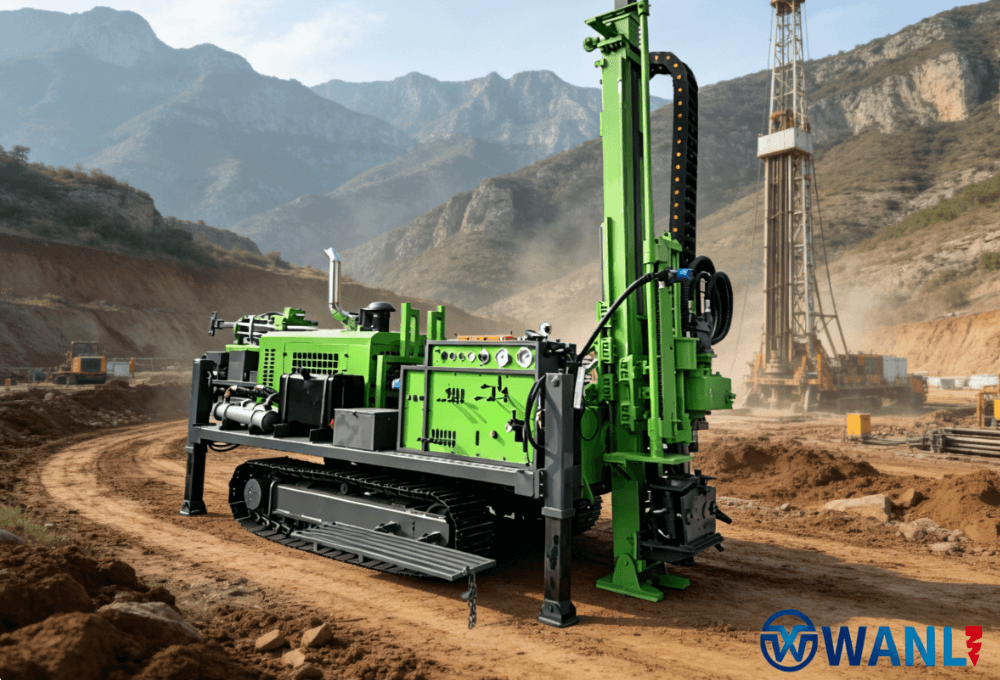
If your project requires high mobility and frequent moves across rugged terrain, a vehicle-mounted drilling rig is essential. For geological surveys where sample purity is the priority, a dedicated RC or coring system should be the focus. Evaluating these factors helps prevent mechanical failure and ensures a higher return on investment.
When browsing professional drilling rig solutions, pay close attention to the hydraulic pressure and air compressor ratings. These technical specs determine the maximum hole diameter and the depth the machine can reach safely. Choosing a machine with a 20% margin over your required depth can significantly extend the hardware’s lifespan.
Summary
A drilling rig is a vital tool for accessing underground resources and conducting geological research across various industries. By understanding what is drilling rig hardware and the benefits of specific types like RC or DTH, you can optimize project performance. Always match the rig’s torque and mobility to your specific environmental and depth requirements.
FAQ
1. What is a drilling rig used for most commonly?
The most common use for a drilling rig is creating water wells for agriculture and domestic use. However, they are equally critical in mining for mineral exploration and in construction for foundation piling and soil testing.
2. How deep can a standard water well drilling rig go?
A standard drilling rig for water wells can typically reach depths of 200 to 600 meters. Specialized deep-well units can go much further, depending on the power of the hydraulic system and the air compressor capacity.
3. What is the difference between rotary and percussion drilling?
Rotary drilling uses a rotating bit and weight to grind through the earth. Percussion drilling, often used in DTH systems, uses a hammering action to break hard rock. Many modern drilling rig models combine both actions for better efficiency.
4. Why is RC drilling preferred for mining?
RC drilling is preferred because it provides uncontaminated samples by bringing them through an inner tube. It is also significantly faster and cheaper per meter than traditional diamond coring, making it ideal for initial site assessments.
Reference Sources
National Ground Water Association (NGWA): Resources on water well technology and drilling practices.