Hole deviation in a blasting drilling rig occurs when the drill bit wanders from its intended trajectory. This common issue increases explosive costs and compromises the safety of the bench. To fix deviation, you must ensure the rig is perfectly stabilized and the drill string remains rigid. Proper leveling and the use of guide bushings are the most effective ways to maintain hole straightness. By addressing mechanical wear and ground conditions early, operators can achieve consistent results in any rock formation.
The consequences of a wandering bit extend far beyond a single hole. Industry data shows that a deviation of just 3% in a 15-meter hole can increase the powder factor by 10%. This leads to poor toe fragmentation and excessive vibration during the blast. Using high-precision sensors on a modern blasting drilling rig allows for real-time monitoring of the hole angle. These sensors alert the operator to deviations before they become costly. Achieving precision requires a combination of high-quality hardware and rigorous setup procedures.
Geological factors often play a major role in how a blasting drilling rig performs. Intermittent layers of hard and soft rock can push the bit toward the path of least resistance. To counter this, operators should adjust the feed pressure and rotation speed to match the specific rock hardness. Maintaining a constant bit load prevents the string from flexing under excessive force. Understanding the mechanics of your rig is essential for troubleshooting these complex drilling challenges. This article provides a comprehensive guide to identifying and fixing hole deviation at the source.
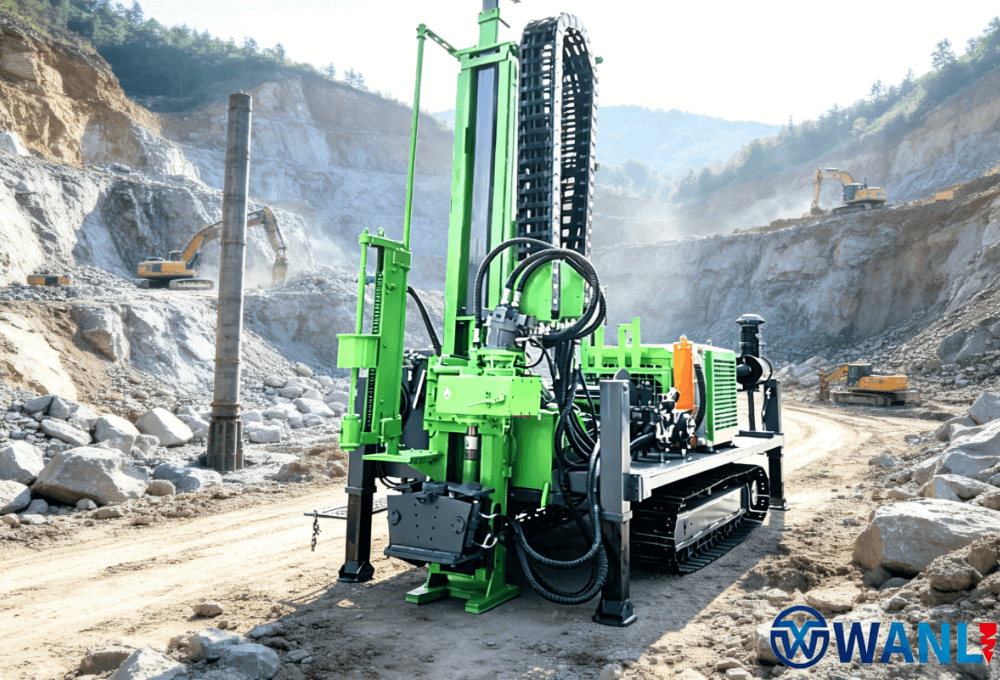
Why a Rock Blasting Drilling Rig Experiences Hole Deviation?
A rock blasting drilling rig may struggle with deviation due to the natural fractures and faults within the rock mass. When the bit hits a diagonal fissure, it tends to slide along the gap rather than cutting through it. This is particularly common in metamorphic and sedimentary formations where bedding planes are prominent. Reducing the feed pressure when entering a fractured zone helps keep the bit on a straight path. This proactive adjustment minimizes the lateral forces that cause the drill string to bend.
Geological Challenges and Bit Behavior
Rock hardness significantly impacts the stability of a rock blasting drilling rig during operation. In soft rock, the bit may penetrate too quickly, causing the hole to “spiral” if the rotation is too high. Conversely, in extremely hard rock, excessive thrust can cause the drill rods to bow. DTH (Down-The-Hole) hammers generally experience less deviation than top-hammer systems in deep holes. This is because the percussive force is applied directly behind the bit, reducing energy loss through the rods.
Mechanical Wear and Component Alignment
Worn components are a frequent but overlooked cause of deviation in a rock blasting drilling rig. Guide bushings and centralizers must be inspected daily for signs of ovality or excessive play. A gap of only 2 millimeters in the guide bushing can result in a significant deviation at the bottom of the hole. Replacing these wear parts is a low-cost fix that prevents massive downstream expenses. Furthermore, ensure that the mast is perfectly aligned with the carrier frame to avoid structural tilting.
Mechanical Fixes and Alignment for Blasting Drilling Rig Efficiency
The stability of the blasting drilling rig platform is the foundation of every straight hole. If the jacks are not firmly set on solid ground, the rig will shift during the drilling cycle. Using timber or steel pads under the jacks distributes the weight and prevents the rig from sinking. This is especially critical on soft or uneven benches where the center of gravity might shift. A stable rig ensures that the initial “collaring” of the hole is accurate and vertical.
Rod Selection and String Rigidity
The choice of drill rods is critical for maintaining the integrity of a blasting drilling rig setup. Thicker-walled rods provide more rigidity and are less likely to flex under high torque or feed pressure. Using “guide tubes” instead of standard rods for the first few meters can improve straightness by 20%. These specialized tubes have a larger diameter that nearly matches the hole size, leaving little room for lateral movement. Choosing the right string components is a strategic decision that pays off in blast quality.
Hydraulic Pressure Management
Modern hydraulic systems on a blasting drilling rig allow for fine-tuned control over the drilling parameters. Excessive feed force is a primary driver of drill string deflection. Operators should use an “anti-jamming” system to automatically regulate pressure based on torque feedback. This technology prevents the bit from being forced into tight spots that cause the rods to bow. Keeping the bit-to-rock contact consistent is the secret to a professional, vertical borehole.
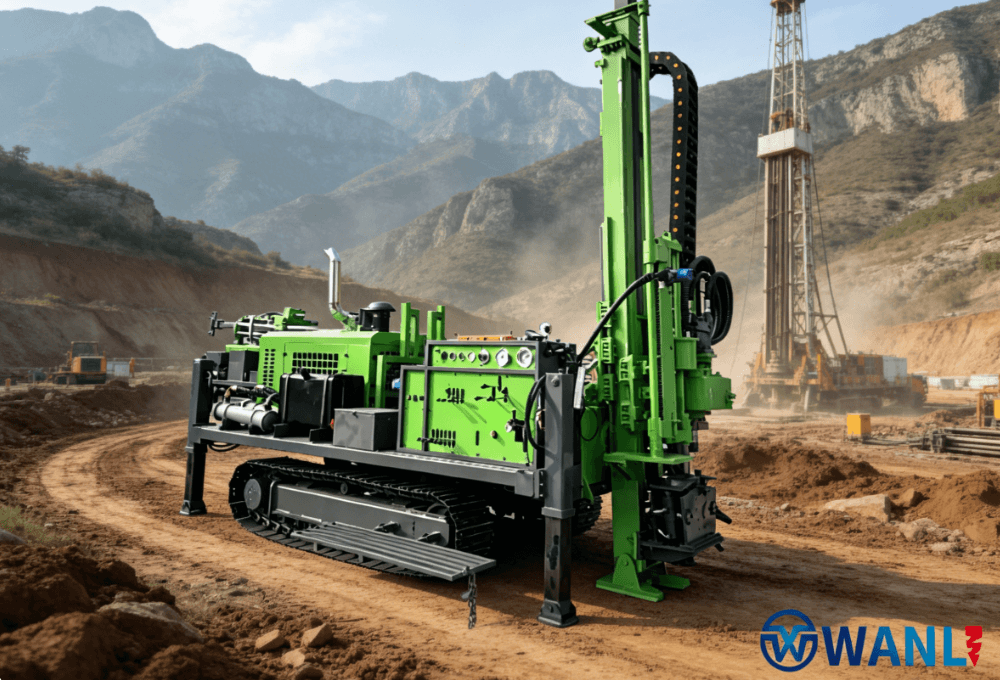
Choosing Hardware from a Rock Blasting Drilling Rig Factory
Sourcing your equipment from a reputable rock blasting drilling rig factory ensures that the machine is built to handle high-stress environments. Factories that specialize in heavy-duty mining equipment use superior steel and welding techniques for their masts. Structural rigidity in the mast is essential for preventing vibration-induced deviation. A well-built rig will maintain its alignment even after thousands of hours of operation. Always ask the factory about their quality control standards for mast verticality and hydraulic synchronization.
Technical Advantages of Factory-Direct Components
Buying from a specialized rock blasting drilling rig factory provides access to customized configurations. You can specify reinforced chassis or high-output compressors to suit your specific terrain. Factory-direct support ensures that replacement parts for the feed system match the original tolerances. This precision prevents the “creep” in mechanical play that leads to gradual deviation issues over time. Direct communication with the manufacturer also allows for better troubleshooting of recurring site-specific problems.
Long-Term Reliability and Manufacturer Support
Reputable rock blasting drilling rig manufacturers invest heavily in research and development to improve hole accuracy. They often integrate GPS and laser alignment systems directly into the rig’s control panel. Automated leveling systems can correct the rig’s position in seconds, removing human error from the equation. Working with established manufacturers gives you the confidence that the rig will meet international safety and performance standards. This long-term reliability is vital for maintaining high productivity in competitive mining and construction markets.
Evaluating Your Drilling Infrastructure Needs
Selecting the right partner for your project requires a deep understanding of drilling mechanics and equipment durability. A professional blasting drilling rig should offer a balance of power and precision to handle varied rock types. Assessing the torque and pull-down capacities helps determine if the rig can maintain straightness at the required depths. When evaluating potential rock blasting drilling rig suppliers, look for those who provide comprehensive technical training for your operators. Proper training is just as important as the hardware itself for preventing deviation.
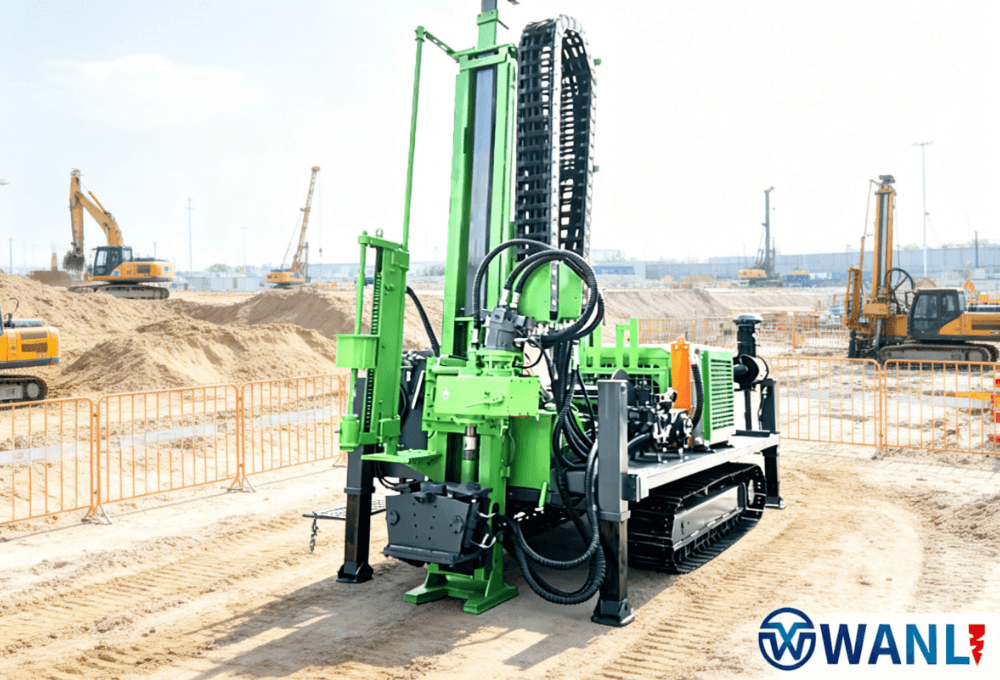
B2B users should also consider the versatility of the rig for other applications like coring or exploration. A rig that features modular components can be adapted for different site requirements, increasing its overall utility. Quality construction from a proven factory reduces the total cost of ownership by minimizing unplanned maintenance. You can explore high-precision drilling solutions and technical specifications at the Wanli Coring Drilling Rig category to see how advanced engineering translates to accuracy. Choosing a supplier with a strong track record ensures your operation stays on target.
Summary
To fix blasting drilling rig hole deviation, you must combine mechanical stabilization with precise pressure management and high-quality drill strings. Addressing geological fractures by adjusting feed force and ensuring the mast is perfectly aligned prevents the bit from wandering. Prioritizing equipment from reliable rock blasting drilling rig manufacturers ensures that your rig possesses the structural rigidity needed for straight, efficient boreholes.
FAQ
1. How does ground stabilization affect hole deviation?
Ground stabilization is the most important factor for a straight hole. If the blasting drilling rig shifts even slightly during operation, the bit will change direction. Using heavy-duty hydraulic jacks and support pads prevents rig movement on soft or uneven benches, ensuring the hole remains on its intended axis.
2. Can the wrong drill bit cause a blasting drilling rig to wander?
Yes, a worn or incorrectly balanced bit can create uneven forces at the cutting face. Using a bit with a “drop center” design can help stabilize the string in hard rock formations. Regularly checking the bit for symmetrical wear is essential for maintaining straightness.
3. What is the role of a rock blasting drilling rig factory in preventing deviation?
A rock blasting drilling rig factory provides the engineering standards required for mast rigidity and hydraulic precision. High-quality factories use laser-aligned welding to ensure the mast is perfectly straight, which is the primary guide for the drill string.
4. Why are rock blasting drilling rig suppliers important for maintenance?
Reliable rock blasting drilling rig suppliers provide the genuine wear parts, such as bushings and centralizers, that keep the drill string aligned. Using original parts maintains the tight tolerances needed to prevent rod flexing during high-pressure drilling cycles.
5. Does rotation speed influence hole straightness?
Yes, excessive rotation speed in soft rock can cause the bit to “walk” or create an oversized, spiraled hole. Operators should balance rotation and percussion to ensure the bit is cutting rather than grinding, which keeps the trajectory stable.
Reference Sources
ISEE – International Society of Explosives Engineers