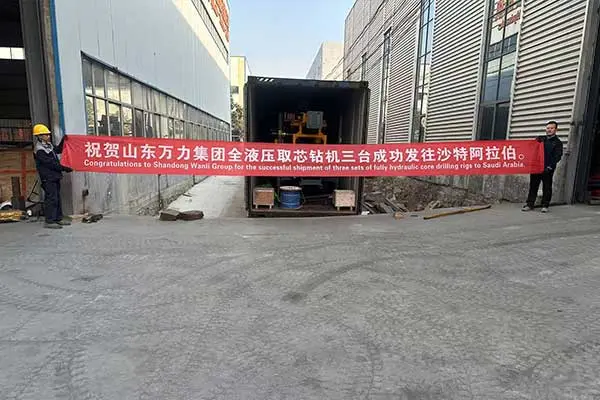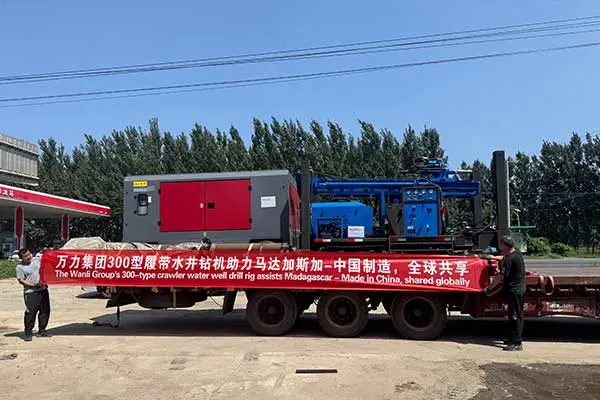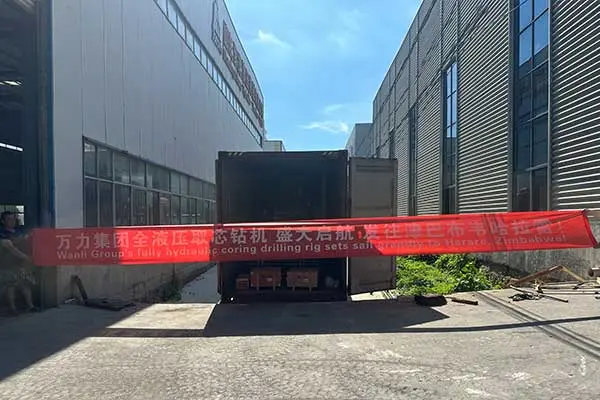
Selecting the most suitable drilling rig is a critical decision for any mining, construction, or water project. The right choice ensures operational efficiency and safety while minimizing long-term maintenance costs. To choose correctly, you must analyze the geological conditions and the required depth. Most projects fail when the equipment capacity does not match the soil or rock hardness.
The primary factor in selection is identifying the specific application of the machine. For instance, a water well drilling rig is designed for deep penetration into aquifers. Meanwhile, a blasting drilling rig focuses on creating shallow holes for explosives in quarries. Understanding these distinctions helps in narrowing down the thousands of models available on the market today.
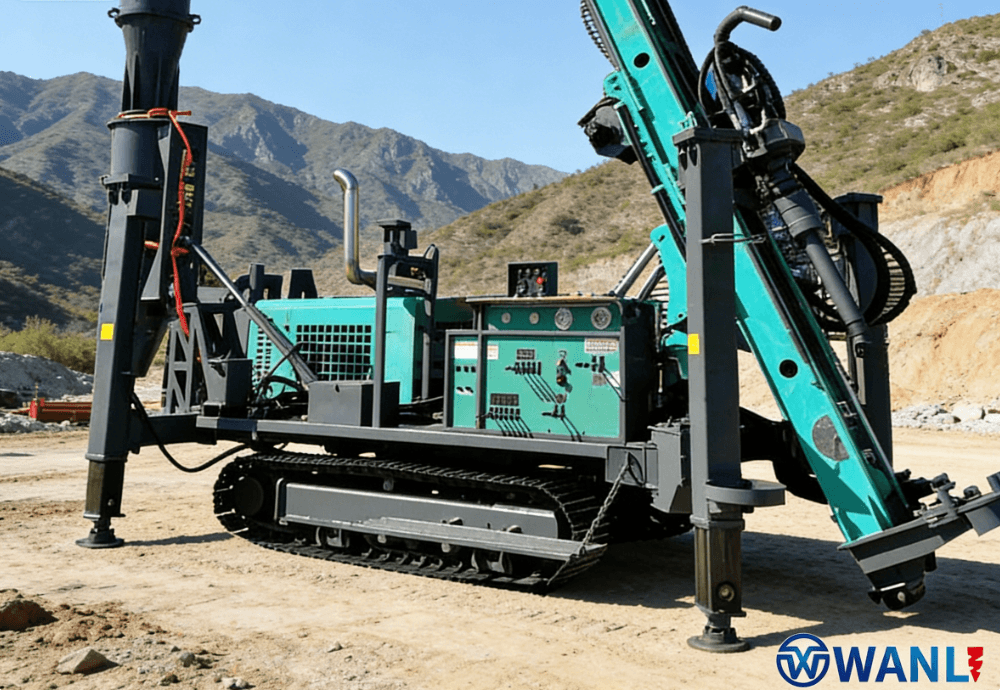
Furthermore, consider the environment where the machine will operate. Rugged terrains require a crawler-mounted drilling rig for better stability and mobility. Urban or residential projects might favor truck-mounted units for easier transport on paved roads. Your selection standard should always prioritize mechanical durability and hydraulic power.
Understanding Different Types of Drilling Rigs
The global industry classifies rigs based on their core function and the technology used to break ground. Identifying these categories is the first step toward a successful procurement process. Each type offers unique advantages for specific subsurface challenges.
Water Well and Core Drill Rigs
A water well drilling rig is essential for accessing underground water sources in various terrains. These rigs often utilize high-pressure mud pumps to stabilize the borehole during operation. They are built to handle large diameter pipes for casing installation in deep aquifers. Typical depth ratings for these units range from 200 to 1,000 meters.
For mineral exploration, a core drill rig is the industry standard for sampling. This equipment uses a hollow bit to extract a solid cylinder of rock. Geologists analyze these “cores” to determine mineral content and geological structure. Modern core rigs feature high-speed rotation and sensitive feed controls for high-recovery sampling.
Blasting and DTH Drilling Rigs
In mining and heavy construction, a blasting drilling rig is used to prepare sites for excavation. These machines focus on speed and repetitive precision across large areas. They are usually compact and highly mobile to navigate around obstacles in a quarry. Efficiency in these rigs is measured by the number of meters drilled per hour.
A down the hole drill rig, often shortened to a dth drilling rig, is ideal for hard rock. The hammer is located directly behind the bit, which reduces energy loss. This design allows the dth drilling rig to maintain high penetration rates in granite or basalt. It is the preferred choice for large-scale mining operations requiring deep, straight holes.
Key Factors for Choosing the Right Equipment
Beyond the basic type, several technical factors dictate the performance of a drilling rig. You must evaluate these parameters against your project’s budget and timeline. Choosing an underpowered machine leads to delays, while an overpowered one wastes capital.
Geological Conditions and Depth Requirements
The hardness of the rock determines the required torque and rotation speed. Hard formations require high-pressure air compressors and robust hydraulic systems. For soil or sand, a rotary drilling rig with mud circulation is usually more effective. Always check the rig’s maximum lifting capacity to ensure it can handle the drill string weight.
Depth is another non-negotiable factor in your selection process. Rigs are rated by their maximum depth capacity, often calculated with standard drill pipe weights. If your target is 500 meters, choose a rig rated for at least 600 meters. This safety margin prevents the hydraulic system from running at its absolute limit.
Mobility and Power Sources
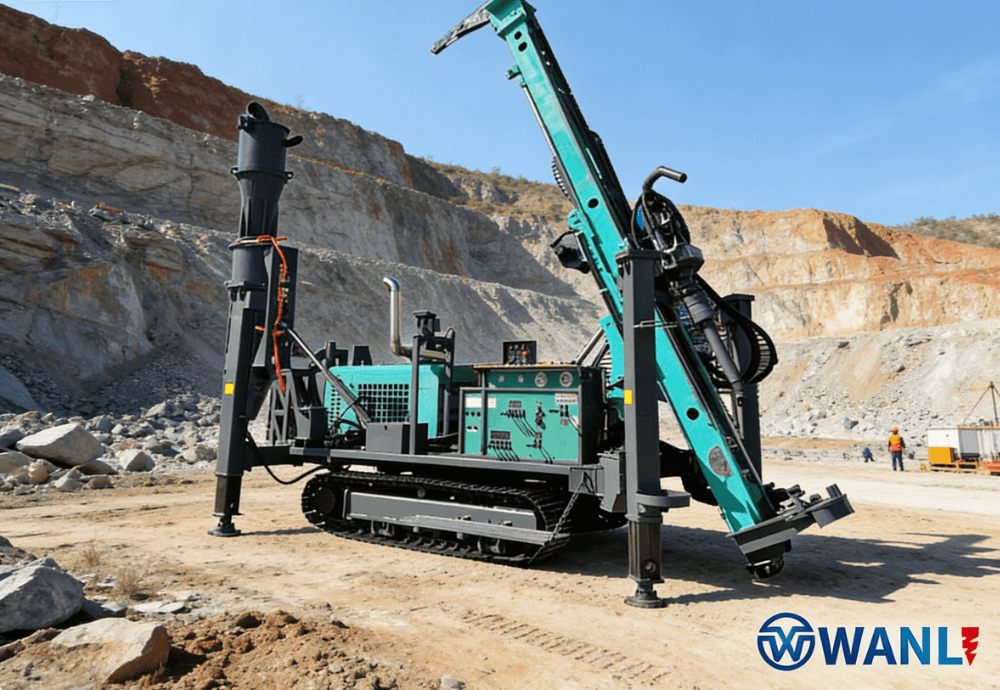
Mobility is vital for projects with multiple, spread-out sites. Crawler-mounted rigs provide excellent traction on soft or uneven ground in remote areas. Truck-mounted rigs offer the fastest relocation speeds between different job sites on public highways. Consider the total transport weight to ensure compliance with local road regulations.
Power sources generally include diesel engines or electric motors. Diesel engines are favored for remote sites where an electrical grid is unavailable. Electric rigs are quieter and more environmentally friendly for urban construction or indoor projects. High-performance rigs often feature independent hydraulic systems for every mechanical function.
- Torque Rating: Ensures the rig can rotate the bit in heavy friction environments.
- Pullback Force: Determines the ability to retrieve the drill string from great depths.
- Feeding Force: Affects the penetration rate in hard or compressed formations.
- Air Compressor Pressure: Critical for the efficiency of a dth drilling rig.
- Mud Pump Flow Rate: Essential for cleaning the borehole in soft soil applications.
- Mast Height: Influences the length of drill pipes used and the speed of pipe changes.
The Role of Reverse Circulation and Advanced Technologies
In modern exploration, advanced technology is used to improve sample quality and drilling speed. These specialized methods solve problems that traditional rigs cannot handle. Using the right technology can reduce the total project cost by up to 30%.
Reverse Circulation Drilling Rig Advantages
A reverse circulation drilling rig is the preferred choice for uncontaminated sampling. It uses a dual-wall drill pipe where the cuttings travel up the center tube. This prevents the sample from being mixed with debris from the borehole walls. The reverse circulation drilling rig is significantly faster than traditional core drilling in many environments.
RC rigs are commonly used in large-scale gold and copper exploration programs. They provide near-instantaneous samples to the surface for on-site analysis. This speed allows mining companies to map out deposits much faster than with other methods. Most RC rigs require a high-capacity air compressor to maintain the sample flow.
Down the Hole Drill Rig Efficiency
The down the hole drill rig remains the most efficient for hard-rock well construction. Because the hammer strikes the rock directly, energy loss through the drill pipes is minimal. This technology allows for greater depth with less fuel consumption compared to top-hammer systems. A down the hole drill rig also produces a straighter hole, which is critical for structural piling.
Technical data shows that DTH systems can achieve penetration rates of 15 to 30 meters per hour in medium-hard rock. This high productivity is essential for meeting tight construction deadlines. When selecting a dth drilling rig, ensure the hammer size is compatible with the rig’s air output. Correct air-to-hammer ratios can increase the bit lifespan by 40%.
Determining Suitability through Manufacturer Specialization
When you begin your search, looking for a manufacturer with a broad product range is a reliable judgment standard. A specialized provider understands the nuances of different drilling environments. They can offer advice on whether you need a full-hydraulic core rig or a pneumatic DTH system.
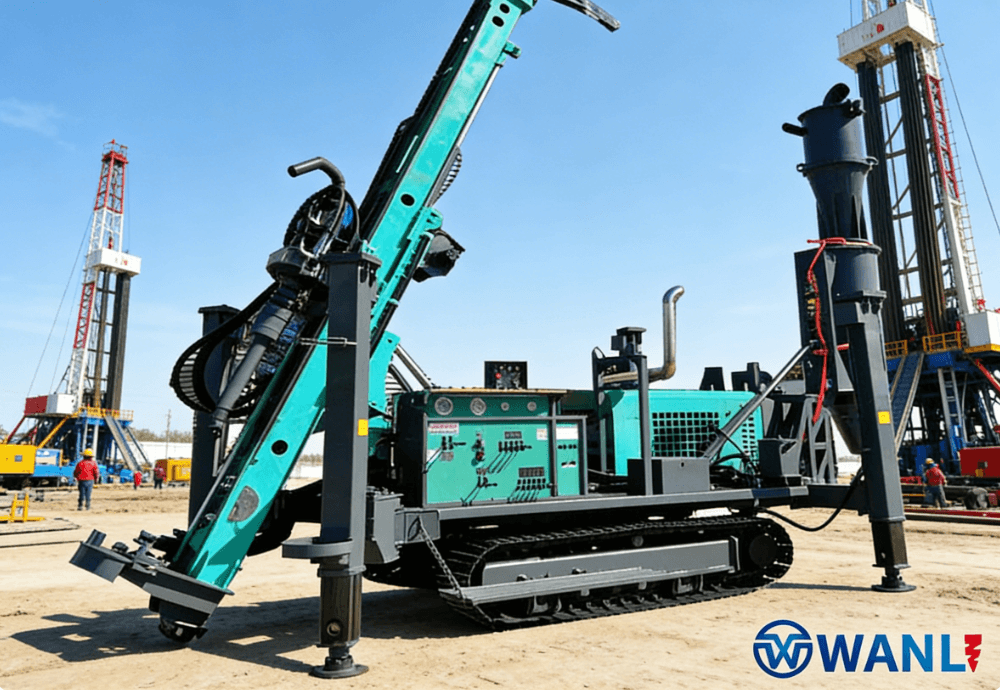
The Wanli product range offers a comprehensive selection of core, water well, and RC rigs. Their focus on crawler mobility ensures that the machines can handle difficult terrain. When evaluating a supplier, check for features like modular designs that simplify transport. Easy transport can reduce logistical costs by up to 20% in mountainous projects.
Furthermore, consider the availability of spare parts and technical support. A high-quality drilling rig is a significant investment that should last for decades. Selecting a partner with a history of mechanical innovation ensures your equipment remains relevant. Always verify that the rig’s hydraulic components are sourced from reputable international brands to ensure reliability.
Summary
In summary, selecting the best drilling rig requires matching the machine’s technology to your geological goals. Whether you need a core drill rig for sampling or a water well drilling rig for depth, the technical specs are vital. Always prioritize high-torque hydraulic systems and durable crawler mobility for industrial projects. By balancing depth, power, and transportability, you ensure long-term project success and safety.
FAQ
1. What is the difference between DTH and Rotary drilling?
DTH (Down the Hole) uses a pneumatic hammer at the bottom of the string to crush rock. Rotary drilling uses a rotating bit and weight to grind through soil or rock. DTH is much faster for hard rock, while Rotary is more versatile for soft or mixed soil conditions.
2. When should I choose a reverse circulation drilling rig?
You should choose a reverse circulation drilling rig when you need fast, high-volume mineral samples. It is ideal for exploration projects where sample purity is critical. It is also faster than core drilling but does not provide a solid rock core for analysis.
3. Can a water well drilling rig be used for core sampling?
Generally, no. A water well drilling rig is designed for large borehole diameters and depth, while a core drill rig focuses on rotation speed and sample recovery. However, some multipurpose rigs can handle both tasks with specific attachment changes.
4. Why are crawler-mounted rigs better for mining?
Crawler tracks allow the drilling rig to move across rocky, steep, or soft terrain where trucks would get stuck. They provide a stable base for drilling on inclines, which is common in open-pit mines. This stability improves the accuracy of the borehole and ensures the safety of the crew.
5. What are the main maintenance requirements for a drilling rig?
Regular maintenance includes checking hydraulic fluid levels, inspecting high-pressure hoses, and lubricating the mast. The air compressor and mud pump also require frequent filter changes. Consistent maintenance can extend the lifespan of a drilling rig by several thousand operating hours.
Reference Sources
Global Industry Standards and Safety Guidelines for Drilling Operations
Equipment Specifications and Operational Procedures for Well Construction
Best Practices for Water Well Drilling and Equipment Selection