In the competitive world of mineral exploration, gathering precise geological data is essential for success. RC drilling, or reverse circulation drilling, has emerged as a dominant method for obtaining high-quality rock samples. This technique utilizes a dual-wall drill pipe to transport cuttings back to the surface through a protected inner tube.
Modern exploration projects demand both speed and reliability to minimize financial risk. Reverse circulation drilling addresses these needs by preventing sample contamination and ensuring high recovery rates. By understanding its mechanics, geologists can better plan their sampling programs for maximum efficiency.
This article explores the specific reasons why this method is preferred over traditional techniques. From cost savings to data integrity, we examine the technical factors that make RC drilling a staple in the mining industry.
How Does Reverse Circulation Drilling Work for Sampling?
The fundamental principle of RC drilling involves a dual-tube system where air or water is pumped down the outer annulus. The pressure forces the rock cuttings into the center of the drill bit and up the inner tube. This “reverse” flow ensures that the sample never touches the borehole walls.
Maintaining Sample Purity
Maintaining sample purity is critical when evaluating ore grades. Because the cuttings travel through a sealed inner pipe, there is virtually zero risk of “wall smear” or outside contamination. This process allows geologists to receive a continuous and representative stream of material from specific depths.
Operational Efficiency
Efficiency is another hallmark of this technology. Reverse circulation drilling typically achieves penetration rates that are two to three times faster than diamond core drilling. Faster progress translates to more samples collected per shift, significantly accelerating the project timeline.
Technical Advantages of RC Drilling in Mineral Exploration
One of the primary benefits of RC drilling is the volume of sample material produced. A standard RC drilling rig often generates several kilograms of cuttings for every meter drilled. Large sample sizes provide a more statistically significant representation of the underlying geology.
High Recovery Rates
Data accuracy is further enhanced by the high recovery rates associated with this method. In many geological formations, reverse circulation drilling consistently achieves recovery rates between 95% and 100%. High recovery ensures that no critical minerals are lost during the transport process to the surface.
Performance in Fractured Ground
Furthermore, this method excels in broken or fractured ground conditions where other techniques might fail. The pressurized air helps stabilize the hole and prevents the loss of circulation. This capability makes RC drilling ideal for initial exploration stages.
| Performance Metric | RC Drilling | Diamond Core Drilling |
| Average Daily Meterage | 100 – 200m | 30 – 60m |
| Sample Quality | High (Cuttings) | Excellent (Core) |
| Cost per Meter | $60 – $150 | $150 – $350 |
| Recovery Rate | 95% – 100% | 90% – 99% |
Cost-Efficiency and Speed of RC Drilling Operations
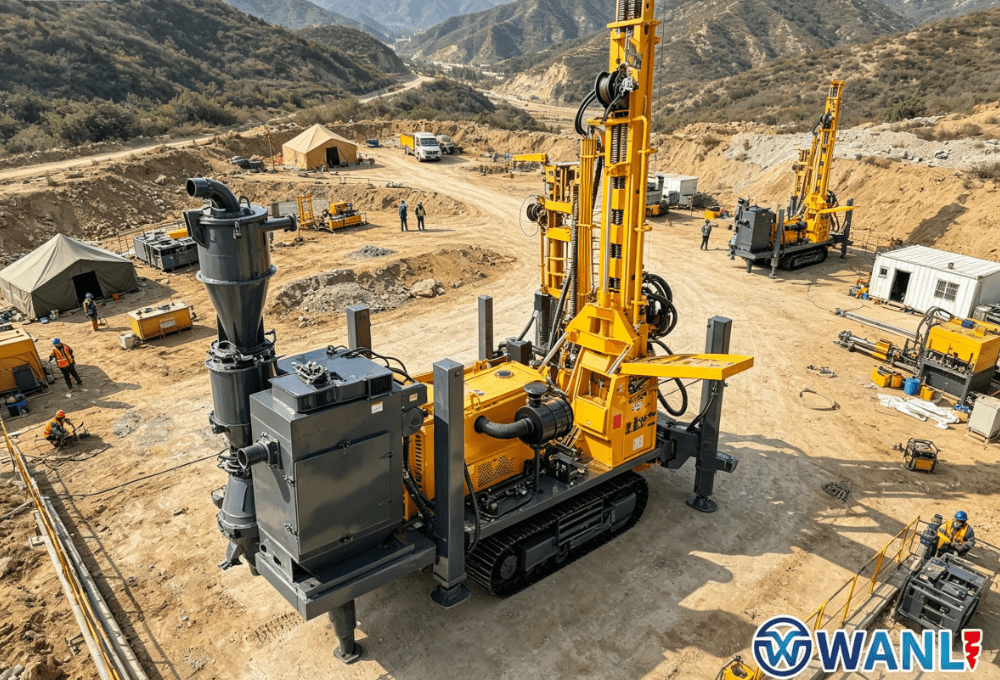
Budget management is a vital aspect of any geological survey or mining operation. Reverse circulation drilling is significantly more cost-effective than diamond drilling, often costing 30% to 40% less per meter. These savings allow companies to drill more holes within the same exploration budget.
Reduced Labor Requirements
Reduced labor requirements also contribute to lower operational costs. An RC drilling team is usually smaller and requires less support equipment compared to complex coring setups. The simplicity of the process reduces downtime and maintenance needs on-site.
Rapid Data Acquisition
Speed is not just about finishing a project early; it is about rapid data acquisition. Geologists can analyze RC drilling cuttings in real-time or send them to labs with shorter turnaround times. Quick results allow for immediate adjustments to the drilling program, optimizing the search for ore bodies.
Selecting the Right Equipment for RC Drilling Success
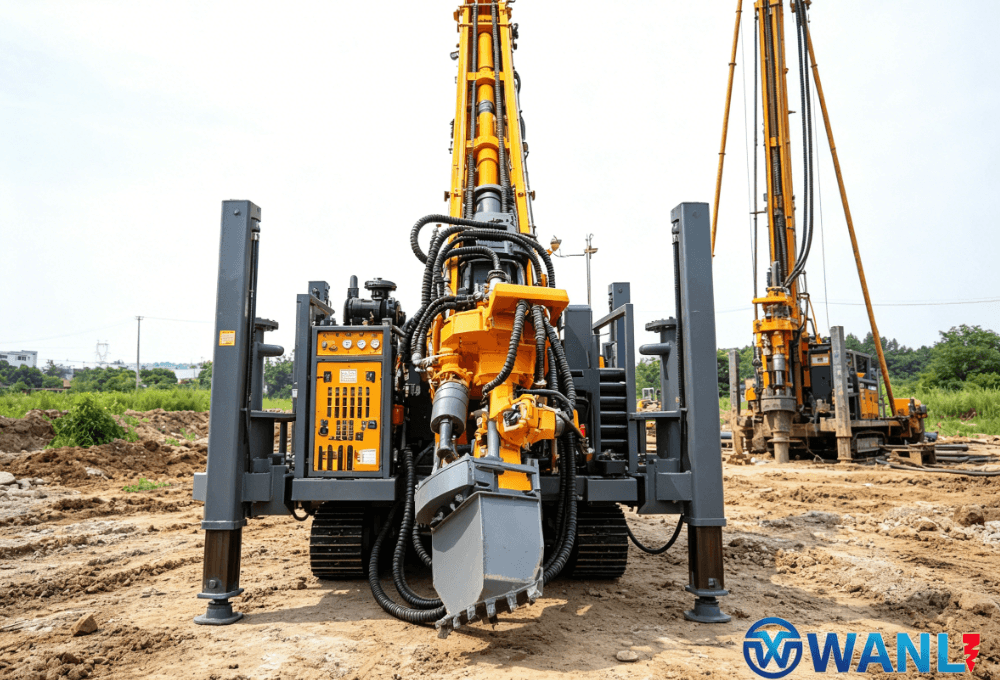
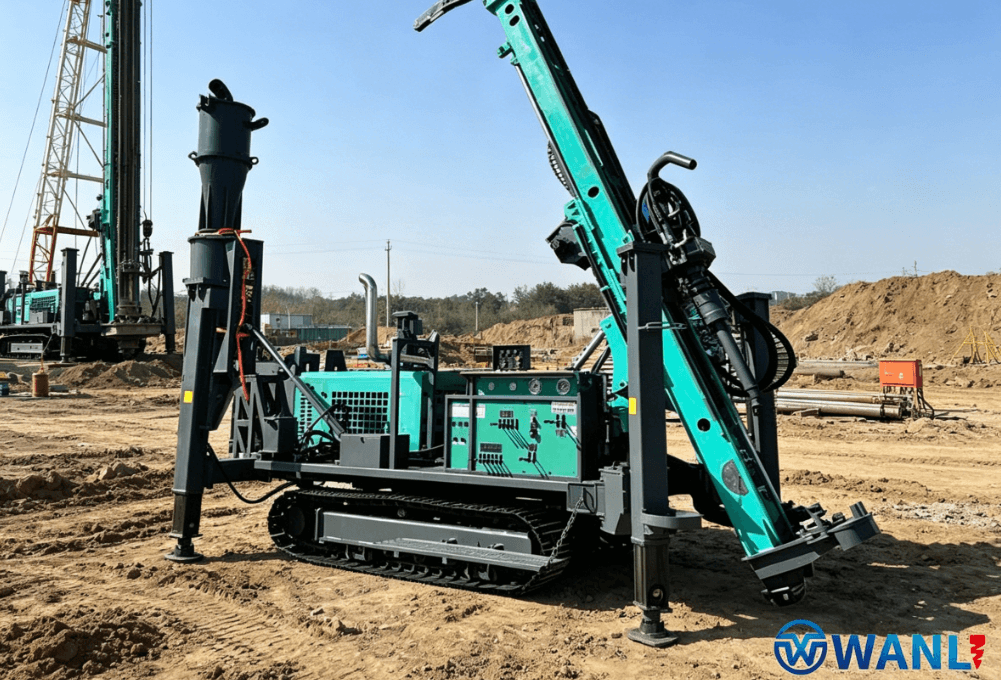
Choosing a rig for reverse circulation drilling depends on the specific depth requirements and site accessibility. High-pressure air compressors are essential for lifting heavy samples from deep holes. Without sufficient air pressure, the efficiency of the RC drilling process drops significantly.
Mobility and Power
Weight and mobility are also key factors when selecting a rig for rugged terrain. Robust mast designs are necessary to handle the weight of dual-wall drill pipes during deep exploration. Reliable equipment ensures that the RC drilling program stays on schedule and within the allocated budget.
Equipment Durability
The durability of the drill bit and the inner tube seals determines the longevity of the operation. High-quality materials reduce the frequency of “tripping” the rods to replace worn components. Investing in a professional-grade RC reverse circulation drilling rig ensures that the machinery can withstand the harsh conditions of deep-hole sampling.
Identifying the Best RC Drilling Rig for Your Project
When deciding if a specific RC drilling rig is suitable for your geological sampling needs, evaluate the compressor capacity first. For depths exceeding 300 meters, you typically need a compressor capable of 1,000 cfm at 350 psi. Insufficient pressure leads to sample “slugging” and poor recovery.
Determining Pullback Capacity
Consider the pullback capacity of the rig relative to the planned hole depth. Dual-wall pipes used in reverse circulation drilling are heavier than standard rods, requiring more powerful hydraulic systems. A rig with a pullback of at least 20,000 kg is often recommended for mid-range exploration.
Site Specific Requirements
Environmental factors also play a role in the selection process. If your site is in a remote area, look for rigs with integrated fuel tanks and easy-access maintenance points. Choosing a machine with a proven track record in similar geological formations will minimize technical risks and ensure high-quality sample returns.
Summary
RC drilling is the most effective balance between speed, cost, and sample integrity for mineral exploration. It provides rapid, uncontaminated geological data that allows for confident decision-making. By utilizing reverse circulation drilling, companies can maximize their exploration budgets while maintaining high scientific standards across diverse terrains.
FAQ
1. What is the main difference between RC drilling and diamond drilling?
RC drilling produces crushed rock chips (cuttings), whereas diamond drilling produces solid cylinders of rock (cores).
RC drilling is faster and cheaper, while diamond drilling provides better structural information for complex geological mapping.
2. How deep can RC drilling realistically go?
Reverse circulation drilling can typically reach depths of 300 to 500 meters in standard exploration projects.
Some specialized high-pressure rigs can extend this range beyond 800 meters depending on ground conditions and compressor capacity.
3. Is RC drilling environmentally friendly?
Yes, RC drilling is generally considered more eco-friendly because it uses less water and produces fewer site disturbances.
The speed of the operation also reduces the total time a drill rig stays on-site, minimizing the footprint on the local habitat.
4. Why is sample contamination lower in RC drilling?
Sample contamination is lower because the cuttings travel through a dedicated inner tube from the bit to the surface.
This prevents the sample from touching the borehole walls, which avoids mixing with different geological layers during the transport process.
Reference Sources
International Society of Explosives Engineers (ISEE) – Technical manuals on drilling and excavation.