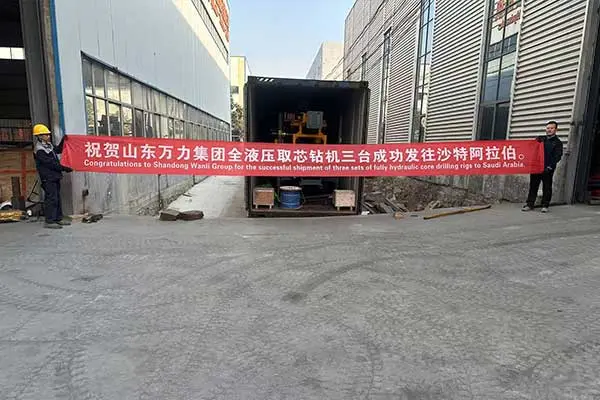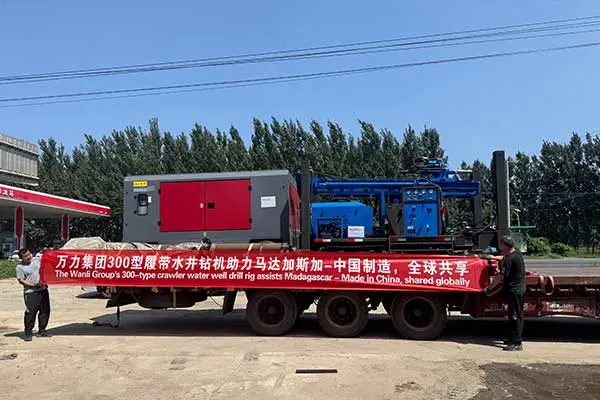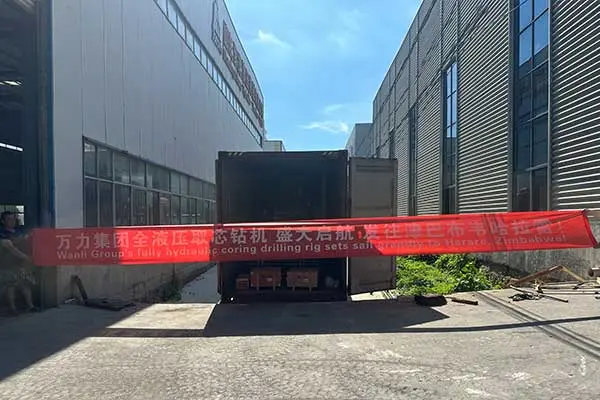
A drilling rig is a complex machine designed to penetrate the earth’s crust. It creates a wellbore to reach natural resources like minerals or water. This equipment integrates various mechanical and hydraulic systems to operate in harsh environments.
What is a drilling rig in the context of modern industry? It is a specialized tool used for exploration, extraction, and geotechnical testing. These machines vary significantly in size and power depending on the project. Some rigs are portable and truck-mounted, while others are massive offshore structures.
Essentially, a drilling rig provides the force needed to break through rock. It uses a rotating bit and high-pressure fluids to clear debris. This technology allows us to access resources thousands of meters below the surface. Understanding the systems within a rig is key to successful exploration.
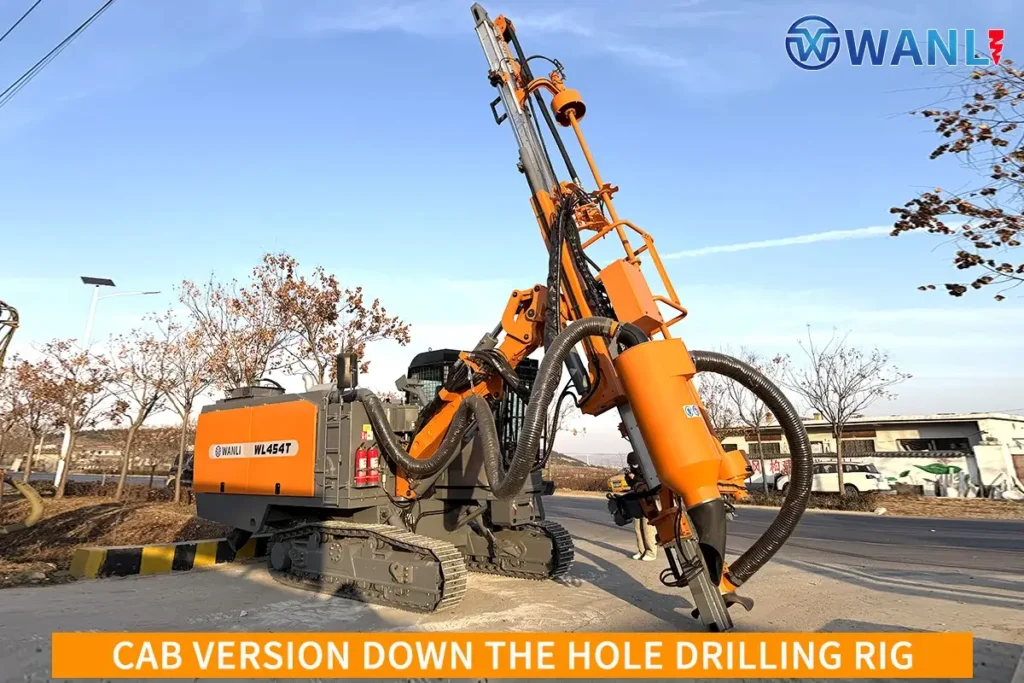
Essential Systems Found in Every Drilling Rig
To understand what is a drilling rig, one must look at its core systems. Every unit operates through a combination of power, rotation, and fluid management. These components must work in perfect synchronization to maintain borehole stability.
The Rotating Mechanism
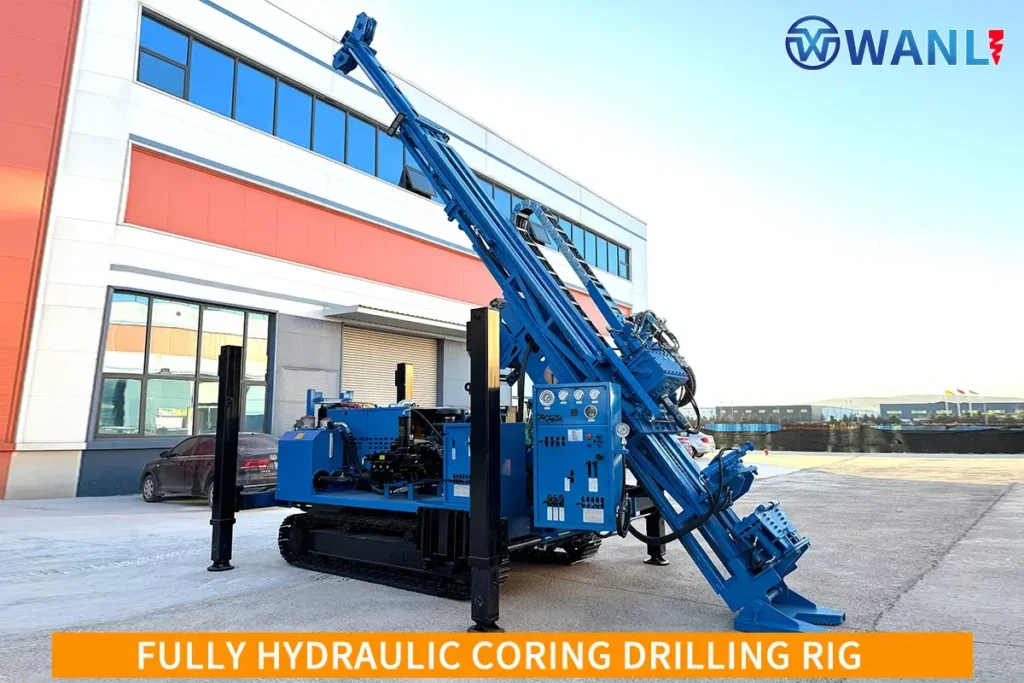
The rotating system is responsible for turning the drill string and the bit. In many modern units, a top drive or a rotary table provides this torque. This rotation allows the bit to grind through hard rock layers. Hydraulic motors often power these systems in high-efficiency core drilling applications.
Fluid Circulation System
The circulation system is the lifeblood of any drilling rig operation. It pumps specialized drilling fluid down the hole to cool the bit. This fluid also carries rock cuttings back to the surface for analysis. Without efficient circulation, the bit would overheat and the hole could collapse.
Different Types of Drilling Rigs and Their Uses
A drilling rig is often classified by the resource it targets. Engineers choose specific models based on geological conditions and depth requirements. Understanding these classifications helps in selecting the right equipment for a specific job site.
Geotechnical and Core Drilling Rigs
Core rigs are designed to retrieve solid rock samples from deep underground. These samples are critical for mining companies to determine mineral concentration. Modern core rigs can reach depths of 1,000 to 3,000 meters. They utilize diamond-impregnated bits to cut through the hardest granite.
Water Well and Geothermal Rigs
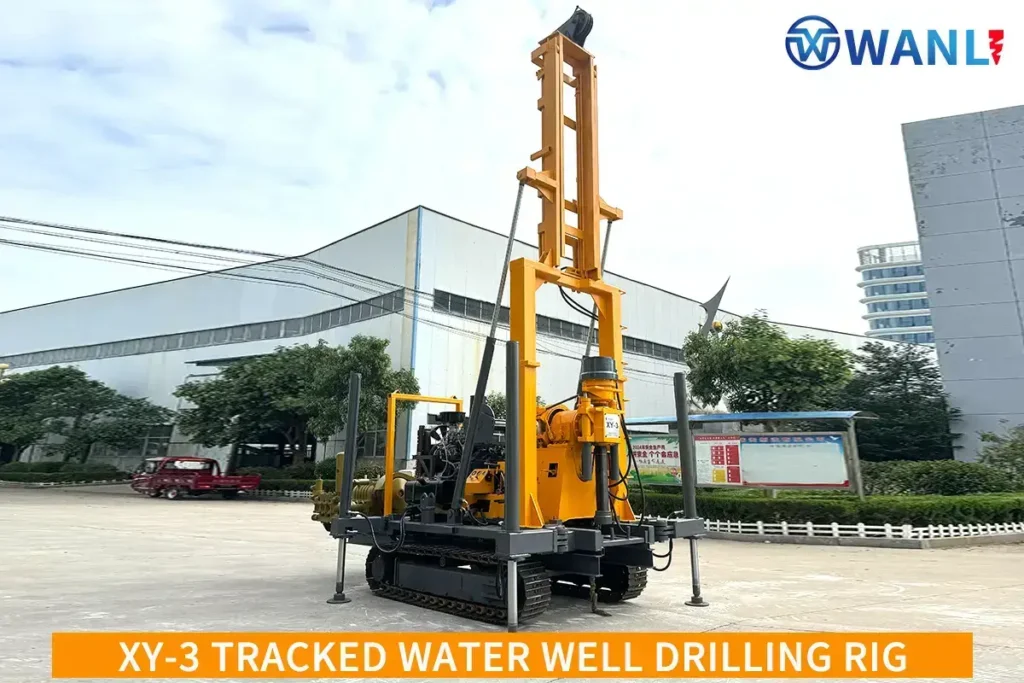
Water well rigs focus on reaching aquifers for agricultural or residential use. These machines often utilize pneumatic systems to drive the drill bit faster. Geothermal rigs are similar but reach deeper into the earth’s thermal layers. They are essential for building sustainable energy systems in modern infrastructure.
- Hydraulic Crawler Rigs: These offer excellent mobility in mountainous or rugged terrain.
- Truck-Mounted Rigs: Ideal for fast transport between multiple water well sites.
- Core Drilling Units: Specifically built for geological sampling with high precision.
- Rotary Drills: Used primarily in large-scale construction for foundation piling.
- Portable Rigs: Small units used for soil sampling in urban development.
Technical Operations and Performance Metrics
The efficiency of a drilling rig depends on several technical performance metrics. Operators monitor torque, rotation speed, and lifting capacity in real-time. High-performance rigs often feature automated control systems to reduce human error. These metrics ensure the safety of the crew and the project.
Lifting capacity is a vital statistic for deep exploration projects. A rig must be able to pull thousands of kilograms of steel pipe. For example, a heavy-duty core rig might have a hoisting capacity of 15,000 kilograms. This power allows it to handle heavy drill strings at great depths.
Torque is another critical factor when penetrating dense rock formations. A drilling rig with high torque can maintain constant speed under pressure. Typical values for mineral exploration rigs range from 5,000 to 12,000 Newton-meters. Balanced torque prevents the drill pipe from snapping under high mechanical stress.
How to Choose the Right Drilling Equipment
Selecting the appropriate machinery requires a clear understanding of the geological environment. You must evaluate the maximum depth capacity and the required borehole diameter. Reliability in remote areas is the most important judgment standard for equipment. A breakdown in a desert or mountain can be extremely costly.
When evaluating a drilling rig, consider the maintenance requirements of the hydraulic system. High-quality pumps and valves ensure the machine operates without frequent fluid leaks. It is also important to choose rigs that offer easy access to spare parts. This reduces downtime during critical phases of a mining or water project.
If your project involves diverse terrains, a crawler-mounted system is often the best choice. These units provide stability on slopes and uneven ground. For those looking for specialized core or water well equipment, exploring a comprehensive drilling product list is a necessary step. This allows you to match specific technical features to your project goals.
Summary
In summary, a drilling rig is an advanced mechanical system used for subsurface penetration. It combines rotation, fluid management, and high power to reach hidden resources. Whether for mining, water, or energy, these machines are essential for global development. Choosing the right rig ensures project safety and long-term operational efficiency.
FAQ
1. What are the main components of a drilling rig?
The primary components include the power system, the hoisting mast, and the rotating bit. It also includes a circulation pump for fluids and a control console for the operator. These parts work together to create and stabilize the borehole.
2. How deep can a core drilling rig go?
Deep-capacity core rigs can penetrate between 1,000 and 3,000 meters into the earth. Portable units usually reach depths between 100 and 600 meters. The depth is limited by the power of the hoisting system and the strength of the drill pipe.
3. What is the difference between hydraulic and pneumatic rigs?
Hydraulic rigs use fluid pressure to power the rotation and lifting systems. They offer smoother control and higher torque for deep drilling. Pneumatic rigs use compressed air and are often faster for shallow, hard-rock water wells.
4. Why is drilling fluid necessary during operation?
Drilling fluid cools the bit to prevent it from melting due to friction. It also provides hydraulic pressure to keep the walls of the hole from collapsing. Furthermore, it clears away debris so the bit can continue cutting into new rock.
5. Are modern drilling rigs automated?
Yes, many modern rigs feature digital sensors and automated pipe handling systems. These technologies monitor drilling pressure and speed to prevent mechanical failures. Automation increases safety by keeping workers away from the heavy moving parts of the rig.
Reference Sources
Standards for Drilling and Well Equipment Operations
Technical Research on Borehole Stability and Drilling Fluid
Reports on Drilling Technology and Mineral Resource Extraction