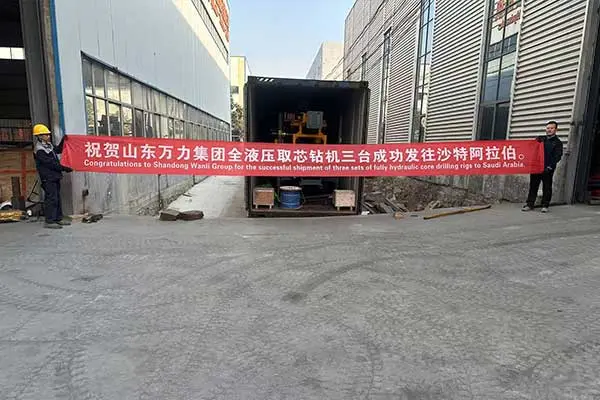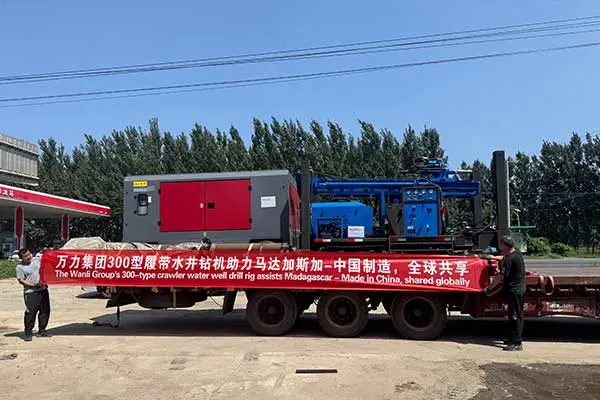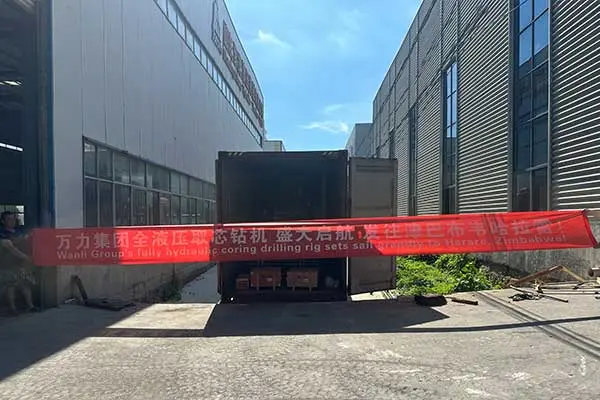
A core drill rig is a sophisticated mechanical system designed to retrieve cylindrical samples from beneath the earth’s surface. Unlike standard destructive drilling, this technology preserves the internal structure of rock and soil. This allows geologists and engineers to analyze the composition, density, and mineral content of the subsurface. Consequently, it is an essential tool for mining exploration and geotechnical engineering.
The technology behind a core drill rig utilizes a hollow drill bit, typically impregnated with industrial diamonds. As the bit rotates at high speeds, it cuts a precise ring into the formation. The center portion of the material, known as the “core,” remains intact inside the core barrel. This process requires a delicate balance of rotation speed, downward pressure, and fluid circulation.
In the first 30% of your project planning, understanding the capability of your core drilling rig machine is vital. Modern rigs have evolved from simple mechanical drills to fully automated hydraulic platforms. These machines can reach depths exceeding 1,500 meters with millimeter precision. Choosing the right technology ensures that the samples recovered are of the highest quality for scientific analysis.
Core Components of a Core Drilling Rig Machine
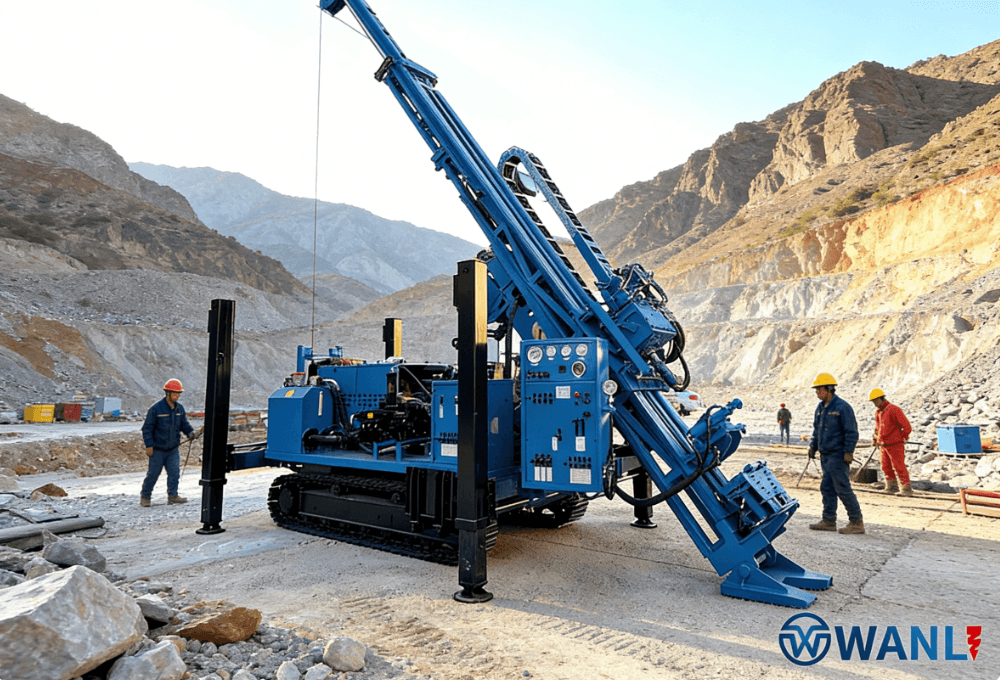
A high-performance core drilling rig machine consists of several integrated subsystems. Each component must function in perfect harmony to handle the immense stresses of deep-hole drilling. If one part fails, the integrity of the geological sample can be compromised.
The Rotating Head and Transmission
The rotating head provides the torque necessary to drive the diamond bit through hard rock. Most professional rigs feature a variable-speed transmission to handle different geological layers. For example, hard basalt requires higher RPM but lower torque compared to softer clay. Advanced transmission systems allow for smooth transitions between these varying environmental conditions.
The Core Barrel and Inner Tube
The core barrel is the specialized housing that collects the rock sample during rotation. It usually consists of an outer tube that rotates and an inner tube that remains stationary. This stationary inner tube prevents the sample from being ground down by the rotating drill string. Protecting the sample from friction is the primary goal of modern core barrel design.
Key Technologies in Best Core Drill Rig Design
To identify the best core drill rig, you must look at the integration of hydraulic and digital controls. Older rigs relied on manual levers and mechanical clutches, which often led to inconsistent sampling. Modern technology has replaced these with high-precision sensors and automated feed systems.
Hydraulic Power and Precision Control
Hydraulic systems provide the “muscle” for lifting and pushing the drill string. A high-quality core drill rig uses independent hydraulic circuits for rotation and hoisting. This prevents power drops when the machine performs multiple tasks simultaneously. Precise hydraulic control allows the operator to maintain a constant pressure on the bit, regardless of rock hardness.
Wireline Coring Technology
Wireline coring is perhaps the most significant advancement in core drill rig tech. In traditional drilling, the entire drill string must be pulled out to retrieve a sample. Wireline technology uses a small winch to pull the inner tube up through the center of the drill pipes. This method reduces retrieval time by over 60%, especially at depths beyond 500 meters.
- Diamond Bit Technology: Uses industrial-grade diamonds to cut through materials with a Mohs hardness of 9.
- Telemetry Systems: Provides real-time data on borehole deviation and temperature.
- Automatic Rod Handling: Reduces manual labor and improves safety on the rig floor.
- Mud Circulation Pumps: Delivers high-pressure fluid to cool the bit and remove cuttings.
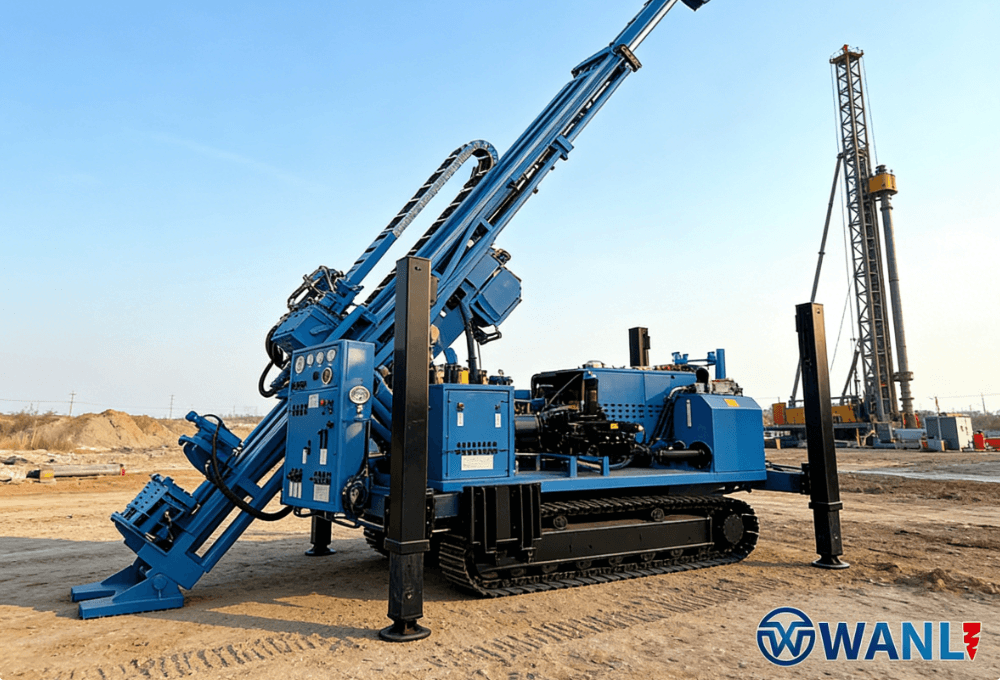
- Mast Stability Jacks: Ensures the rig remains perfectly vertical during high-torque operations.
- Load-Sensing Hydraulics: Automatically adjusts power output based on the actual resistance encountered.
Specialized Applications: Concrete and Underground
While mineral exploration is common, a core drill rig is also essential in urban construction and tunneling. Different environments require specific rig configurations to handle spatial and material constraints.
The Role of the Concrete Core Drill Rig
In urban development, a concrete core drill rig is used for structural testing and utility installation. These rigs are typically smaller and more portable than mining units. They must handle steel-reinforced concrete without damaging the surrounding structure. The use of high-frequency vibration damping ensures that concrete cores remain crack-free during extraction.
Challenges for Underground Core Drilling Rigs
Working in confined spaces requires underground core drilling rigs to be modular and compact. These machines often utilize electric motors instead of diesel engines to prevent exhaust buildup in tunnels. They are frequently mounted on skids or small crawlers to navigate tight mine drifts. Underground rigs are specifically engineered for 360-degree drilling capabilities, allowing for horizontal and upward sampling.
Technical Specifications and Performance Data
When evaluating a core drilling rig machine, technical data is the most reliable way to judge performance. These numbers dictate the machine’s efficiency in different terrains. Higher specs usually translate to faster project completion and better sample recovery rates.
A standard high-capacity core drill rig often features a pullback force of at least 150 kN. This force is necessary to retrieve thousands of kilograms of drill pipe from deep holes. Rotation speeds for diamond coring usually range from 800 to 1,200 RPM. Maintaining these high speeds under load is critical for preventing the diamond bit from “polishing” or becoming blunt.
Torque is another vital metric for success. A professional rig should provide between 4,000 and 8,000 N.m of torque for deep exploration. This ensures the machine can overcome the friction of the borehole walls. Higher torque ratings allow for the use of larger diameter core barrels in unstable geological formations.
How to Judge the Best Core Drill Rig for Your Site
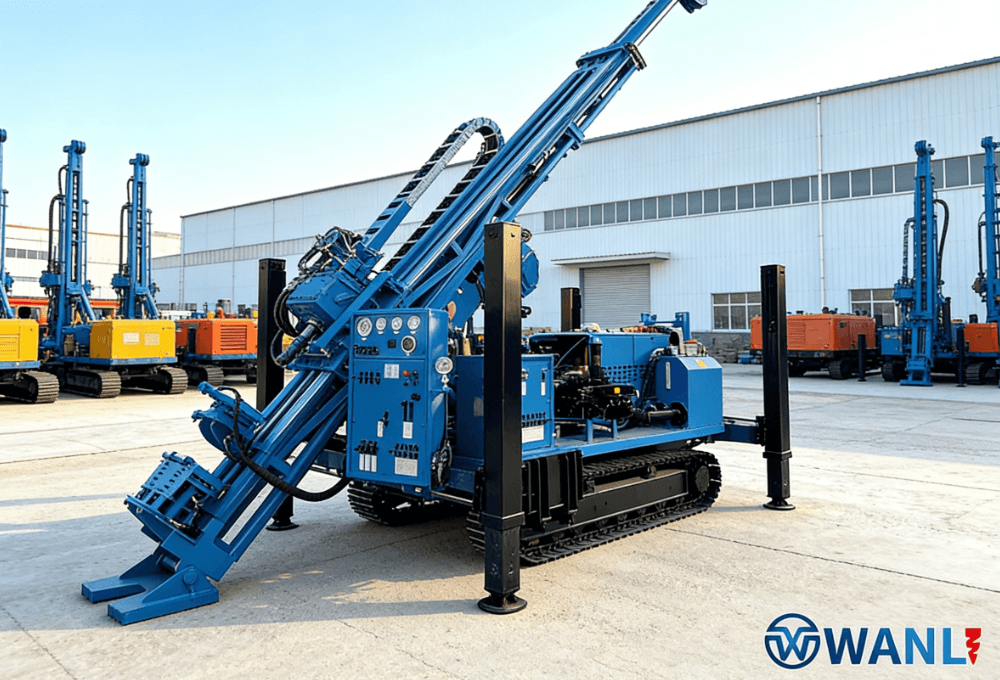
Choosing the right equipment depends on the specific goals of your exploration program. You must judge a rig based on its mobility, depth rating, and ease of maintenance. A rig mounted core drill on a crawler chassis is usually the best choice for remote, rugged locations.
For those looking for high-reliability sampling solutions, exploring specialized coring drilling rigs is the recommended first step. Manufacturers like Wanli provide a range of crawler-mounted and modular designs. These machines are engineered to handle the harsh vibrations of continuous coring. The judgment standard for a great rig is its ability to maintain 95% sample recovery in fractured rock.
Furthermore, consider the availability of technical support and spare parts. A core drill rig is a significant investment that requires regular servicing of its hydraulic pumps and seals. Choosing a manufacturer with a proven history in international mining ensures that your machine stays operational. High-quality machinery reduces the cost per meter of drilling, making your project more profitable in the long run.
Summary
In summary, a core drill rig is an essential piece of technology for subsurface analysis and mineral extraction. It combines diamond bit rotation with hydraulic precision and wireline retrieval systems to provide high-quality geological samples. Whether you need a concrete core drill rig for construction or underground core drilling rigs for mining, the technical specs are vital. Selecting the best core drill rig involves balancing power, depth capacity, and transportability to ensure long-term project success.
FAQ
1. What is the difference between core drilling and standard rotary drilling?
Core drilling uses a hollow bit to retrieve a solid cylindrical sample of the rock. Standard rotary drilling uses a solid bit to grind the rock into small chips, which are then flushed out with air or fluid. Core drilling is used for analysis, while standard drilling is used for making holes quickly.
2. Why are diamonds used in core drill rig bits?
Diamonds are the hardest known natural material, making them ideal for cutting through hard rock like granite and basalt. Industrial diamonds are embedded into the bit’s metal matrix. As the matrix wears down, new diamonds are exposed, ensuring a sharp cutting surface throughout the process.
3. How deep can a modern core drilling rig machine go?
The depth depends on the rig’s size and hoisting capacity. Portable units might reach 300 meters, while large rig mounted core drill systems can exceed 2,000 meters. The depth is also influenced by the weight of the drill rods and the capacity of the hydraulic winch.
4. What is the advantage of a crawler-mounted rig?
Crawler tracks allow the core drill rig to move across mud, sand, and rocky slopes where trucks would get stuck. This mobility is essential for “greenfield” exploration where roads do not exist. It also provides a stable, heavy platform that reduces vibration during high-speed drilling.
5. How often should the hydraulic system be serviced?
In heavy-duty environments, the hydraulic fluid and filters should be checked daily. A full service, including oil changes and seal inspections, is typically required every 500 to 1,000 operating hours. Proper maintenance of the hydraulic system is the key to preventing expensive downtime on the rig floor.
Reference Sources
Specifications for Drilling and Well Servicing Equipment
Technical Research on Coring Methods and Reservoir Sampling
Standard Practice for Diamond Core Drilling for Site Investigation