A modern water well drilling rig is a complex piece of heavy machinery driven by multiple integrated power systems. The primary source of energy is typically a high-output diesel engine. This engine generates the mechanical force required to run hydraulic pumps and air compressors. Without these secondary systems, the rig would be unable to penetrate hard rock or lift heavy drill strings.
Understanding what powers a water well drilling rig is essential for any contractor looking for efficiency. The engine’s horsepower determines the maximum depth and diameter the machine can achieve. Most industrial rigs utilize diesel because remote sites rarely have access to a reliable electrical grid. Consequently, diesel remains the gold standard for mobile drilling operations worldwide.
Beyond the engine, the rig relies on fluid and air pressure to function. Hydraulic systems manage the precision movements of the mast and the rotation of the drill bit. Pneumatic systems, powered by separate compressors, are vital for hard-rock drilling techniques. Together, these components create a high-torque, high-pressure environment capable of reaching deep aquifers.
Primary Engines and Power Generation
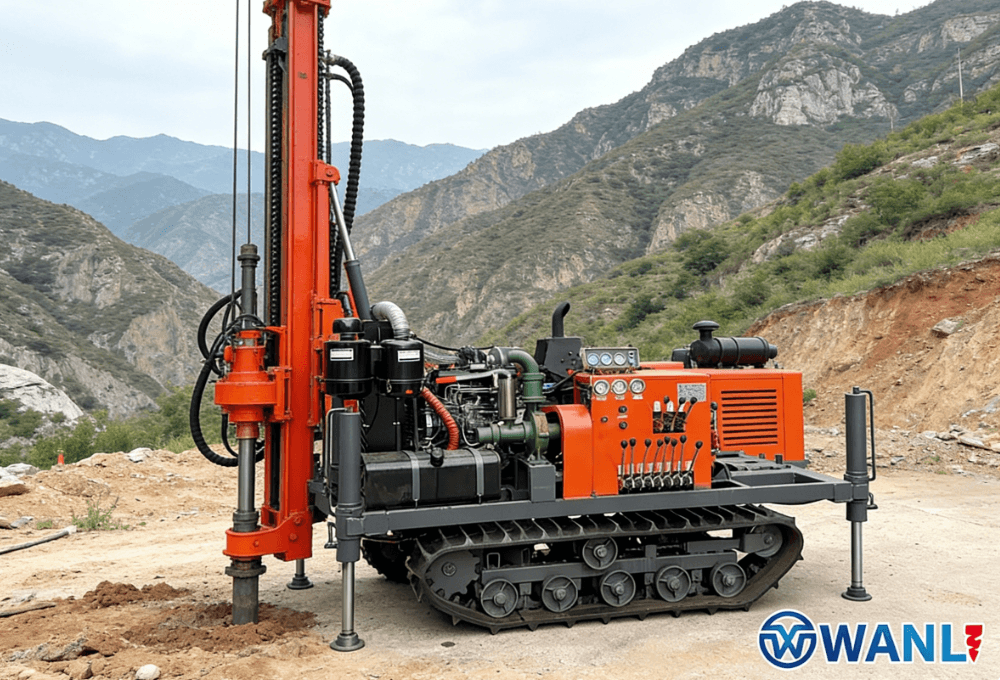
The heart of every water well drilling rig is its internal combustion engine. This unit acts as the prime mover for all other mechanical and fluid systems. Most manufacturers choose diesel engines for their high torque output and long-term durability. These engines must be capable of running at high RPMs for several hours without overheating.
The Role of Diesel Internal Combustion Engines
Diesel engines are favored for water well drilling rigs because of their fuel efficiency under heavy loads. A typical mid-sized rig might feature a diesel engine with a power rating between 100 HP and 500 HP. This energy is converted into hydraulic pressure to drive the mast and rotary head. Diesel also allows the rig to be completely self-contained in remote locations.
Electric Power Options for Urban Sites
In some urban or indoor environments, a water well drill rig may be powered by electric motors. These motors are quieter and produce zero emissions at the point of use. However, they require a high-voltage power supply or a large external generator. Electric rigs are gaining popularity in regions with strict environmental and noise regulations.
Hydraulic Systems: The Muscle of the Rig
Hydraulic technology is what allows a water well drilling rig to perform heavy lifting and high-torque rotation. By using pressurized fluid, the rig can exert massive forces with very high precision. This system is controlled by the operator through a central console using valves and levers.
- Hydraulic Pumps: These convert the engine’s mechanical energy into fluid flow at high pressure.
- Rotary Heads: High-torque hydraulic motors rotate the drill bit through various geological layers.
- Hoisting Winches: These use hydraulic force to lift drill pipes weighing several thousand kilograms.
- Feed Cylinders: These provide the “downward pressure” needed to force the bit into hard formations.
- Stabilizing Jacks: Hydraulic legs keep the rig level and stable during the intense vibration of drilling.
- Cooling Units: Specialized radiators keep the hydraulic oil at a safe operating temperature.
Pneumatic Systems and Air Compressors
When drilling into hard rock, mechanical rotation alone is often insufficient. This is where pneumatic power becomes critical for the water well drilling rig. Air compressors provide the high-pressure air needed to drive Down-The-Hole (DTH) hammers. These hammers act like a jackhammer at the bottom of the wellbore.
Most water well drilling rigs use air compressors that deliver pressures between 1.7 MPa and 3.0 MPa. The volume of air, measured in Cubic Feet per Minute (CFM), is equally important. High CFM ratings ensure that rock cuttings are flushed out of the hole efficiently. This prevents the drill bit from getting stuck in the debris.
Pneumatic power is also used for cleaning the well once the aquifer is reached. By forcing air into the hole, the operator can remove silt and mud from the water source. This process is known as “well development” and is essential for water quality. A rig with a powerful pneumatic system can finish a hard-rock well in half the time of a rotary-only machine.
Technical Specifications and Power Metrics
To evaluate a water well drill rig for sale, you must look at specific performance data. These metrics define the limits of the machine and its suitability for your project. A rig that is underpowered will struggle with deep wells, leading to expensive mechanical failures.
Typical torque ratings for a professional water well drilling rig range from 4,000 Nm to over 15,000 Nm. Pullback force is another critical metric, often reaching between 10 and 50 tons. These figures represent the actual “drilling power” available to the operator. Higher horsepower engines allow for higher hydraulic flow, which directly increases the speed of the operation.
Fuel consumption is also a major consideration for long-term operational costs. A high-efficiency water well drilling rig should offer a balance between power and fuel economy. Modern engines often include electronic control units (ECUs) to optimize fuel delivery based on the load. This ensures that the engine only works as hard as necessary, extending its total lifespan.
Selecting a Water Well Drill Rig for Sale
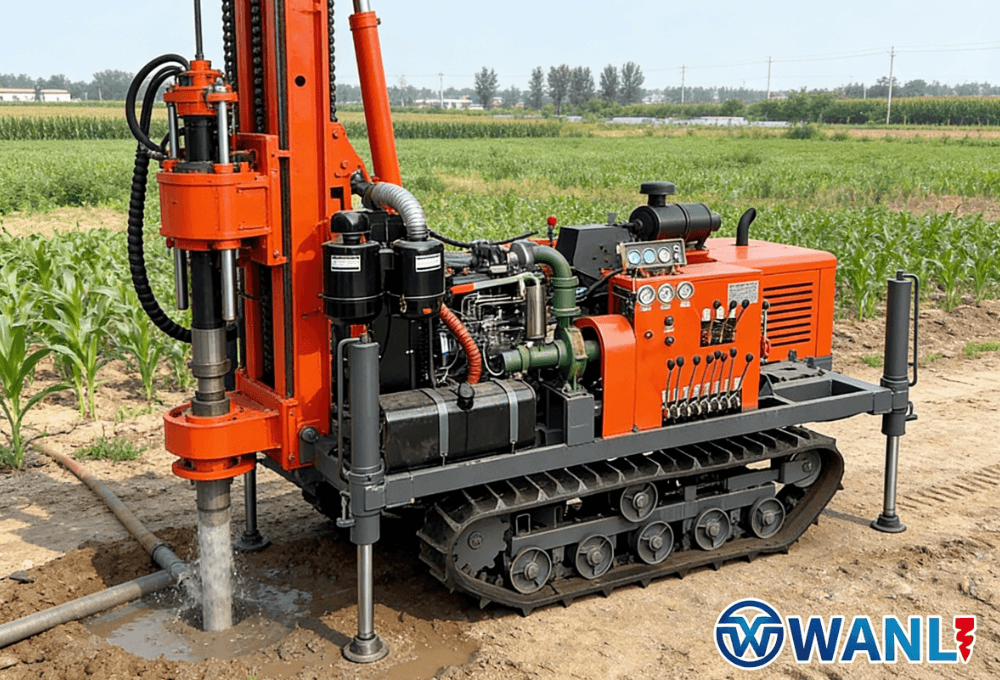
Choosing the right water well drilling rig for sale involves matching the power system to your terrain. If you are drilling in soft soil, a mud-circulation rotary rig is usually the best choice. For mountainous or rocky terrain, a pneumatic-capable crawler rig is necessary. Always prioritize rigs with reputable engine brands to ensure spare parts are available.
Judgment standards for a quality water well drill rig include its hydraulic efficiency and cooling capacity. If a rig overheats after two hours of work, it is not suitable for industrial use. Look for machines with oversized hydraulic reservoirs and high-grade oil coolers. These features are signs of a rig designed for the rigors of continuous daily operation.
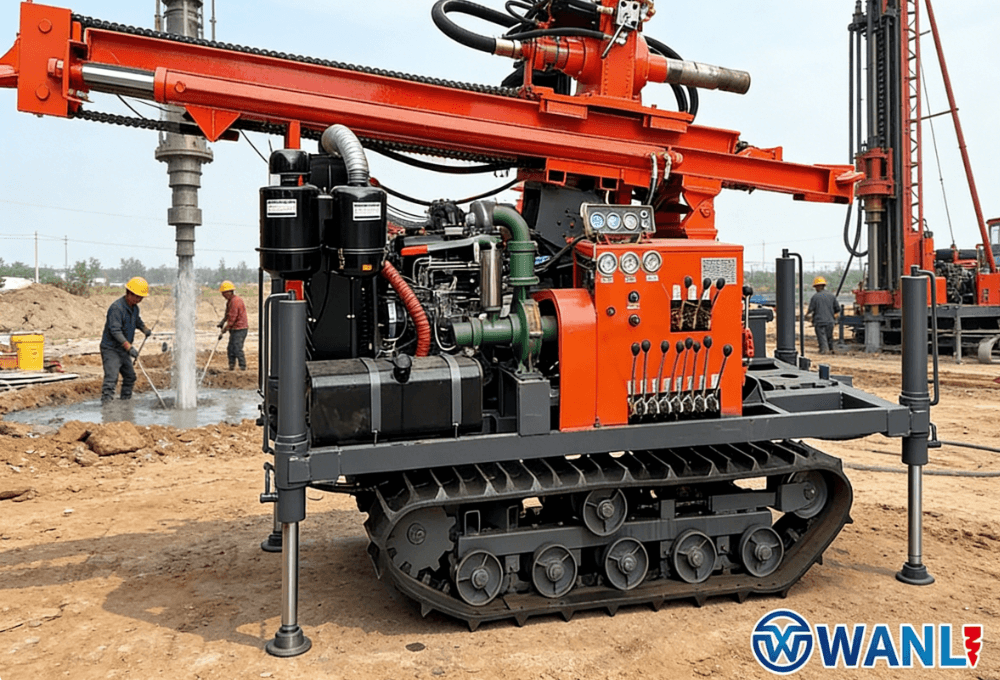
When browsing water well drilling rigs, consider the mobility of the unit. Crawler-mounted rigs offer the best stability on uneven ground. Truck-mounted units are faster for moving between multiple residential sites. Selecting a machine with the right balance of power and mobility is the key to a profitable drilling business.
Summary
In summary, a water well drilling rig is powered by a combination of diesel engines, hydraulic fluid, and pneumatic air. The engine provides the initial energy, which the hydraulics and compressors convert into usable force. High-quality water well drilling rigs integrate these systems to handle high torque and heavy lifting. Selecting a rig with the appropriate power metrics ensures successful well completion in any environment.
FAQ
1. Can a water well drilling rig be powered by a tractor?
Some smaller, portable water well drilling rigs are designed to be powered by a tractor’s Power Take-Off (PTO) shaft. This is common in agricultural settings for shallow wells. However, for industrial or deep wells, a self-contained diesel engine is much more effective and reliable.
2. What is the difference between hydraulic and pneumatic power in drilling?
Hydraulic power uses liquid (oil) to move heavy parts like the mast and the rotary head. Pneumatic power uses compressed air to drive the hammer that breaks rock at the bottom of the hole. Most high-performance water well drilling rigs use both systems simultaneously.
3. How much fuel does a water well drilling rig consume?
Fuel consumption varies by engine size and the hardness of the ground. A typical mid-sized water well drill rig might consume between 15 and 40 liters of diesel per hour. Drilling in hard rock at full power will always result in higher fuel usage than drilling in soft soil.
4. Is it better to buy a truck-mounted or crawler-mounted water well drill rig?
Truck-mounted water well drilling rigs are best for projects that require frequent travel on public roads. Crawler-mounted rig water well drilling units are superior for soft, muddy, or mountainous terrain where a truck would get stuck. Your choice depends on the specific geography of your job sites.
5. Why do water well drilling rigs need high air pressure?
High air pressure is required to operate DTH hammers and to “flush” heavy rock cuttings out of the well. If the pressure is too low, the debris will settle back into the hole, potentially trapping the drill string. Water well drilling rigs designed for hard rock always feature high-capacity air compressors.
Reference Sources
Specifications for Rotary Drilling Equipment and Hydraulics