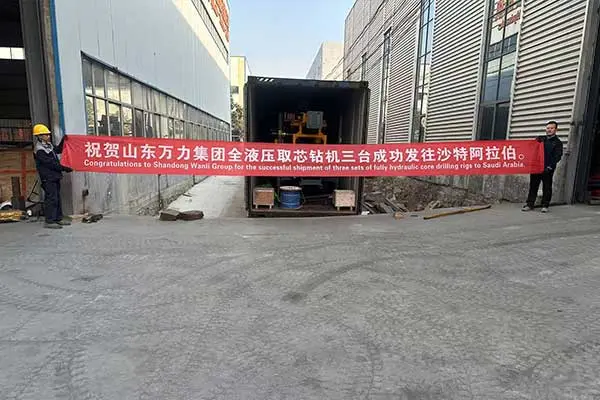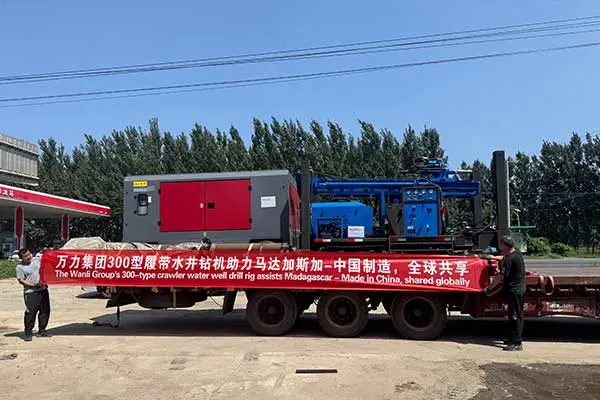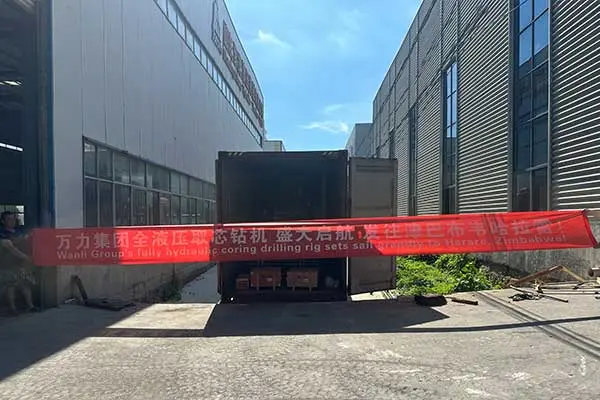
Drilling a water well requires a balance of power, precision, and speed. Traditional stationary rigs often struggle with logistical hurdles in remote or rugged locations. A vehicle mounted drilling rig offers a transformative solution by integrating high-performance drilling components directly onto a heavy-duty truck chassis. This design allows operators to navigate challenging terrains and begin operations immediately upon arrival. By merging mobility with industrial-grade force, these rigs have become indispensable for agricultural, industrial, and residential water supply projects.
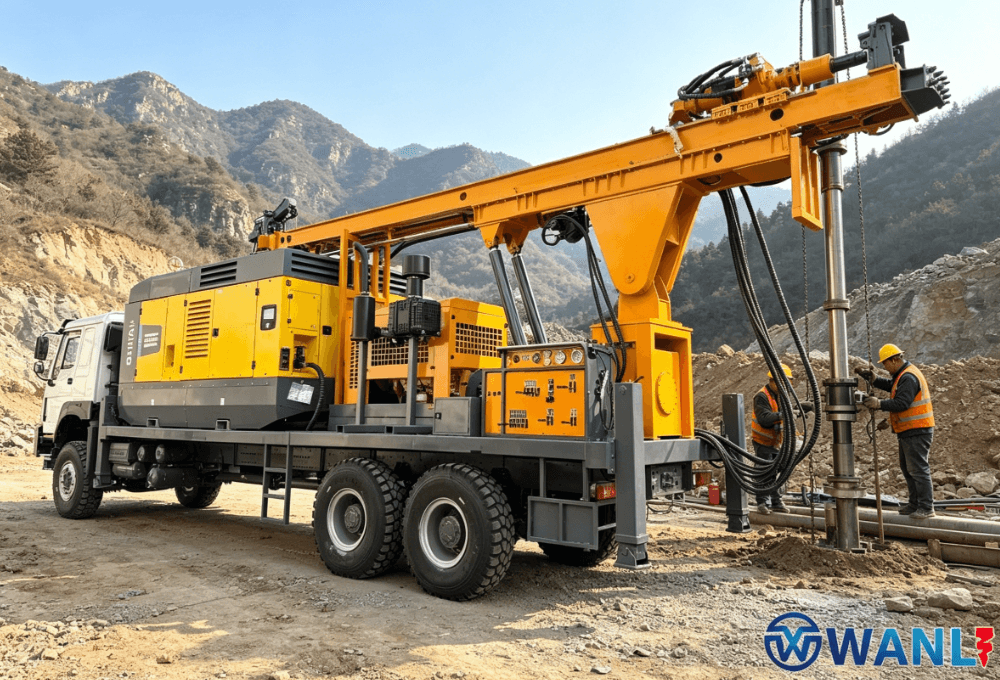
Efficiency serves as the primary driver for adopting vehicle-mounted technology. These units utilize the truck’s engine or a dedicated onboard power pack to drive hydraulic pumps. This integration eliminates the need for separate towing vehicles or complex assembly processes on-site. When time is a critical factor, the ability to deploy and retract the mast quickly ensures that projects stay on schedule. Furthermore, the compact footprint of a vehicle mounted drilling rig allows it to operate in confined spaces where larger, modular rigs cannot fit.
Modern infrastructure projects demand equipment that can handle varying geological conditions. Whether drilling through soft soil, clay, or hard rock, these rigs provide the versatility needed for success. Their ability to switch between different drilling methods, such as rotary or DTH (Down-The-Hole), makes them a multi-purpose asset. Choosing the right equipment significantly impacts the long-term viability and cost-effectiveness of a water well project.
How a Vehicle Mounted Drilling Rig Enhances Project Efficiency
The most significant advantage of a vehicle mounted drilling rig is its rapid deployment capability. Unlike skid-mounted rigs, these units do not require cranes for loading or unloading at the site. A single operator can often drive the rig to the location and set up the stabilizers within minutes. This reduction in labor and logistics costs directly improves the overall ROI of the drilling operation.
Data indicates that integrated mobile rigs can reduce setup time by up to 60% compared to conventional modular systems. In rural water projects, where multiple wells are often drilled in a single week, this time saving is vital. The hydraulic mast can be raised and lowered via centralized controls, ensuring safety and precision. High-torque rotation heads and powerful winches allow for deeper penetration even in difficult strata.
| Feature | Specification Range (Typical) | Impact on Performance |
| Drilling Depth | 200m – 600m | Supports deep aquifer access |
| Hole Diameter | 140mm – 500mm | Versatile for various pipe sizes |
| Walking Speed | 40 – 70 km/h | Enables fast site-to-site travel |
| Lifting Capacity | 15 – 30 Tons | Handles heavy casing strings easily |
Reliability is further enhanced through the use of high-strength steel and standardized hydraulic components. Most modern units feature specialized cooling systems to prevent overheating during continuous operation in hot climates. By housing all necessary tools on the vehicle, the risk of losing equipment during transport is virtually eliminated. This self-contained nature makes the vehicle mounted drilling rig a powerhouse for high-demand environments.
Why Mobility is Critical for Modern Water Well Drilling
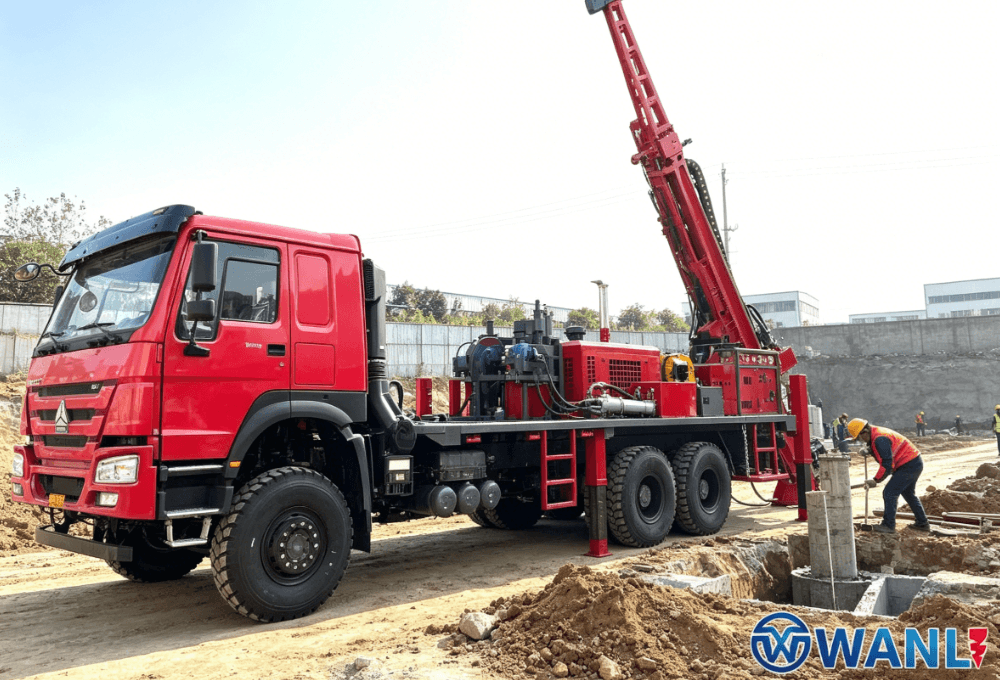
Modern drilling sites are rarely located near paved roads or easy access points. A vehicle mounted drilling rig is specifically engineered to handle off-road conditions using multi-axle drive systems. These machines typically feature 4×4 or 6×6 configurations to navigate mud, sand, and steep inclines. The ability to reach remote villages or high-altitude farms ensures that water can be accessed anywhere.
Weight distribution is carefully calculated in these rigs to maintain stability during transit and operation. Large, high-pressure tires and robust suspension systems protect the sensitive hydraulic valves from vibration. This durability ensures that the rig arrives at the site in peak working condition. Once positioned, hydraulic outriggers level the vehicle to prevent tilting during the drilling process.
Environmental impact is also reduced through the use of mobile platforms. Traditional setups often require clearing large areas for support vehicles and assembly. In contrast, a vehicle mounted drilling rig occupies a minimal area, preserving the surrounding landscape. This efficiency is particularly important in residential areas where space is at a premium and noise must be minimized. The integration of noise-reduction technology in newer models further helps in urban settings.
Technical Advantages of Integrated Hydraulic Systems
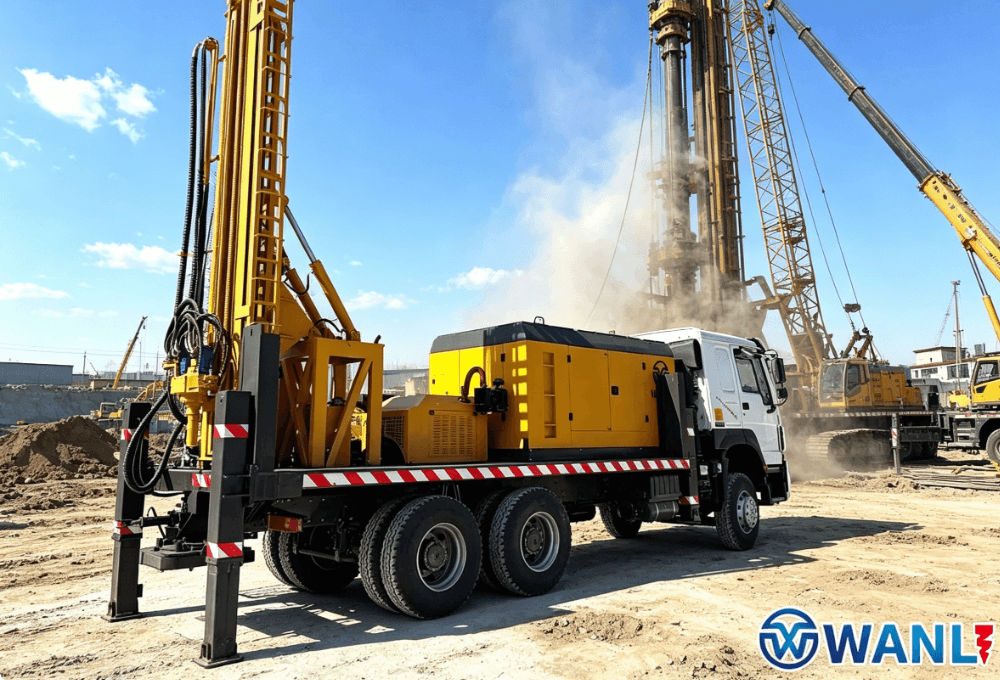
The core of a vehicle mounted drilling rig lies in its sophisticated hydraulic architecture. Most systems utilize a load-sensing pump that adjusts power based on the resistance encountered in the borehole. This technology ensures that the engine operates at peak efficiency, reducing fuel consumption by approximately 15% to 20%. Higher efficiency leads to lower operational costs over the lifecycle of the machine.
Advanced rigs feature a top-drive head that provides consistent torque throughout the drilling string. This prevents the “stick-slip” phenomenon often seen in older mechanical rigs, which can damage drill bits. The hydraulic winch systems offer precise control over the feed pressure, allowing for smoother penetration. Operators can monitor pressure gauges in real-time to adjust parameters for different rock layers.
| Component | Technical Benefit | Scientific Justification |
| Hydraulic Outriggers | Precise Leveling | Prevents borehole deviation |
| Telescopic Mast | Compact Transport | Lower center of gravity for safety |
| Air Compressor | DTH Drilling | Increases penetration rate in hard rock |
| Mud Pump | Cuttings Removal | Maintains hole integrity and cooling |
The integration of telematics in newer models allows for remote monitoring of machine health. Fleet managers can track fuel usage, engine hours, and hydraulic pressure from a central office. This data-driven approach helps in scheduling preventative maintenance before a breakdown occurs. Investing in a vehicle mounted drilling rig with these digital features ensures long-term operational success.
Selecting the Right Equipment for Your Specific Site Conditions
Choosing the ideal vehicle mounted drilling rig depends on the maximum required depth and the typical soil composition of your region. For example, hard rock environments require rigs compatible with high-pressure air compressors for DTH hammers. Conversely, soft soil or sandy areas might necessitate a rig with a high-capacity mud pump to maintain hole stability.
The chassis choice is equally important for long-term durability in the field. Rigs built on reputable commercial truck chassis offer easier access to spare parts and professional maintenance services worldwide. You should check if the vehicle’s engine power matches the requirements of the hydraulic system to avoid mechanical stalling. A well-matched power train ensures that the rig can handle the heavy loads of deep-well casing operations.
To find high-quality equipment that meets these professional standards, you can explore the specialized selection of vehicle mounted drilling rig options available online. These units are designed to balance heavy-duty performance with user-friendly operation. By prioritizing build quality and hydraulic efficiency, you can ensure that your equipment remains a productive asset for many years.
Summary
A vehicle mounted drilling rig is the most effective solution for projects requiring high mobility and rapid deployment. It significantly reduces setup time, lowers transport costs, and provides the power needed for deep water wells. Choosing an integrated system ensures consistent performance across diverse terrains and geological conditions.
FAQ
1. What is the maximum depth a vehicle mounted drilling rig can reach?
Most standard models reach between 200 and 600 meters. Specialized heavy-duty units can exceed these depths depending on the geological strata and the power of the hydraulic system.
2. Can these rigs drill through solid granite or basalt?
Yes, they can drill through hard rock effectively. When equipped with a DTH (Down-The-Hole) hammer and a high-pressure air compressor, they penetrate hard formations much faster than rotary methods.
3. Are vehicle mounted rigs suitable for urban environments?
They are ideal for urban areas due to their compact footprint. Their ability to drive directly to the site like a standard truck makes them easy to maneuver in tight city streets.
4. How many people are required to operate the rig?
A standard vehicle mounted drilling rig usually requires a crew of 2 to 3 people. One person manages the controls while others handle pipe connections and site safety.
Reference Sources
National Ground Water Association: Water Well Drilling Methods and Equipment
Sinotruk (CNHTC): Heavy Duty Truck Chassis Specifications for Industrial Use