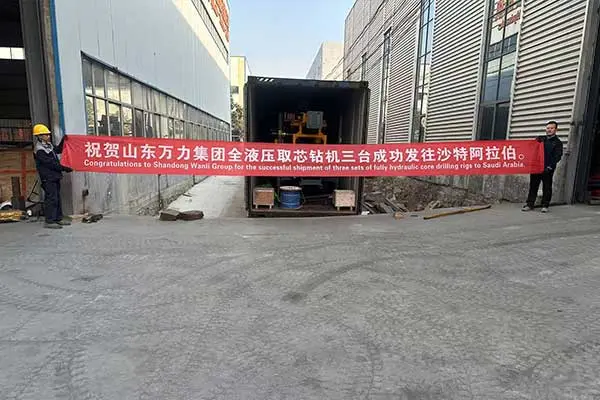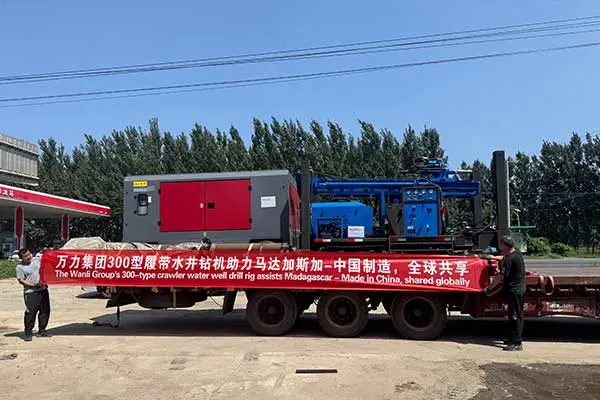
A coring drilling rig is a specialized piece of machinery designed to extract solid cylinders of rock or soil from deep beneath the earth’s surface. Unlike standard rotary drilling that grinds material into dust, these rigs preserve the physical structure of the geological strata. This process provides engineers and geologists with a literal “window” into the ground. By using a hollow drill bit, usually tipped with industrial diamonds, the rig cuts a clean circular path around a central core. These samples are vital for assessing mineral quality, site stability, and hydrological conditions.
In the global mining and construction industries, the precision of a coring drilling rig directly impacts project feasibility. Reliable data from core samples reduces the financial risk of large-scale excavations. For instance, determining the exact grade of an ore body requires intact specimens rather than crushed fragments. Modern rigs are now more portable and efficient, allowing for exploration in remote or rugged terrains. Understanding the technical nuances of these machines is the first step toward successful subsurface investigation.
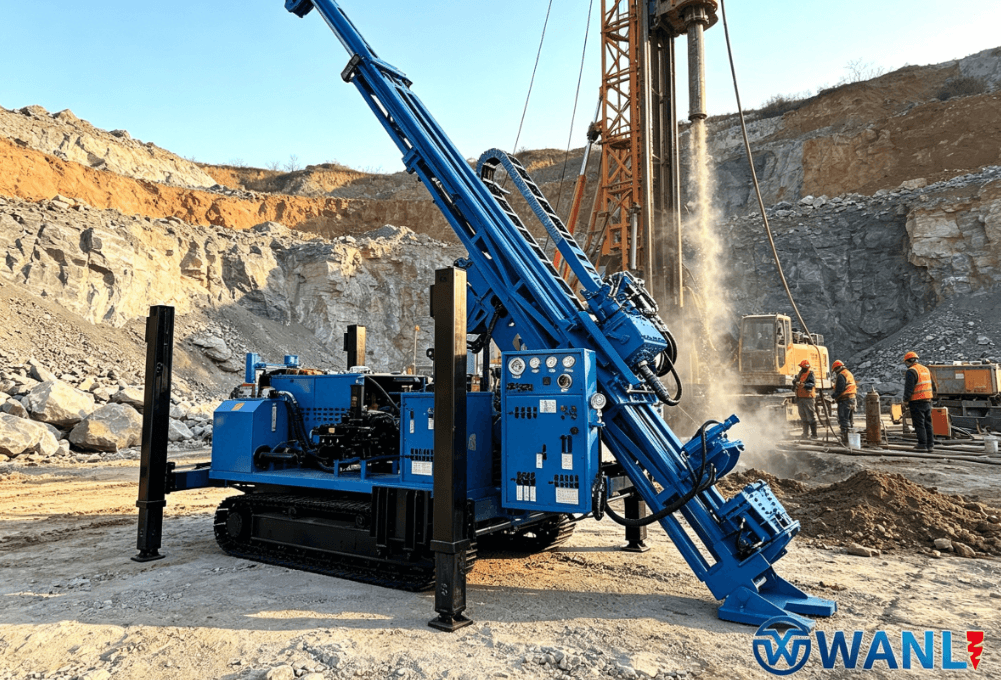
What is a Coring Drilling Rig and How Does it Function?
A coring drilling rig operates by rotating a hollow bit to cut through various geological formations. The internal mechanism allows a continuous column of material to enter the core barrel. As the drill advances, the sample remains protected inside the inner tube of the barrel. Once the desired depth is reached, the core is retrieved for laboratory analysis. Most modern systems use wireline technology, which enables operators to pull the sample without removing the entire drill string.
Technical Performance and Variables
The efficiency of these rigs is measured by their torque, rotational speed, and pullback capacity. High-speed rotation is essential when using diamond bits to penetrate hard rock layers like granite or basalt. Conversely, slower speeds and higher torque are preferred for softer, sedimentary formations. For example, a standard surface coring drilling rig might offer a rotation speed ranging from 500 to 1,200 RPM. This versatility ensures that the core remains unbroken and representative of the actual underground environment.
Standard Core Diameters and Depths
The core samples typically range in diameter from 47.6 mm (NQ size) to 85 mm (PQ size) depending on the project requirements. Larger diameters provide more material for testing but require more powerful rigs. Smaller diameters are often used for deep-hole exploration to minimize friction and energy consumption. Modern hydraulic systems allow for precise control over the “weight on bit,” which prevents sample distortion. Choosing the correct parameters ensures that the geological data collected is both accurate and scientifically valid.
| Technical Parameter | NQ Size Core | HQ Size Core | PQ Size Core |
| Core Diameter | 47.6 mm | 63.5 mm | 85.0 mm |
| Hole Diameter | 75.7 mm | 96.0 mm | 122.6 mm |
| Typical Depth Range | 600 – 1,500 m | 400 – 1,000 m | 200 – 600 m |
| Primary Use | Deep Mineral Exploration | Geotechnical Testing | Bulk Sampling |
Why Use a Coring Drilling Rig in Mining and Geology?
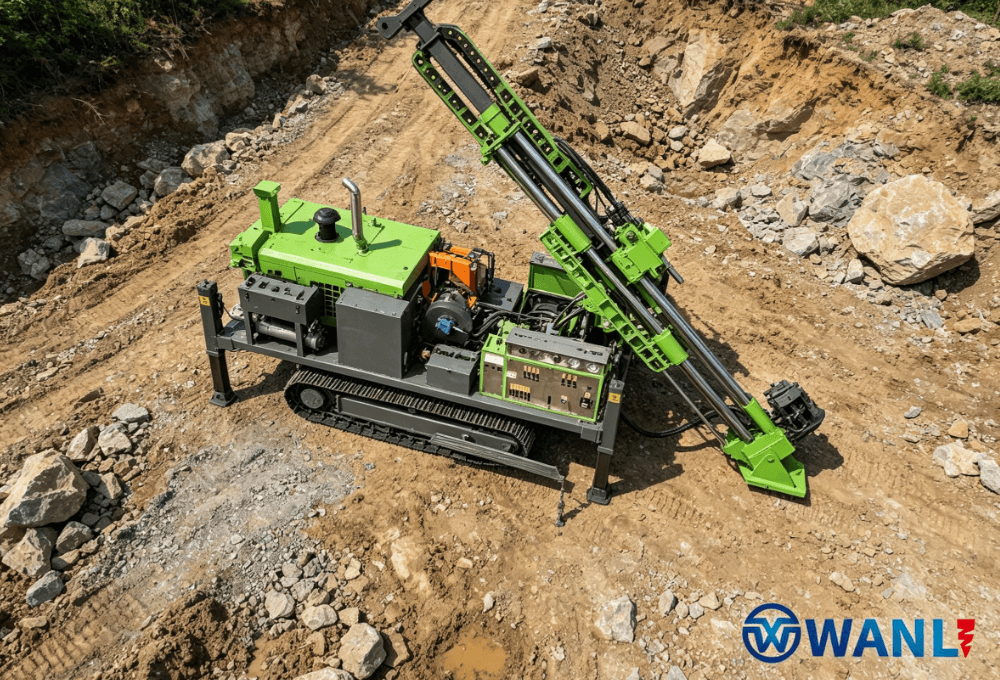
The primary reason to use a coring drilling rig is the requirement for high-quality, undisturbed geological data. In mining, these rigs are used to define the boundaries of mineral deposits. Accurate core samples allow geologists to map the “strike” and “dip” of ore veins. This level of detail is impossible to achieve with traditional percussion or air-flush drilling methods. Without intact samples, a mining company might miscalculate the volume of valuable minerals, leading to significant financial losses.
Applications in Geotechnical Engineering
In the field of geology, these rigs are used to study the Earth’s history and tectonic movements. Researchers can identify different rock layers, fossils, and moisture content within the core. This information is crucial for predicting natural hazards like landslides or seismic shifts. For civil engineering projects, such as dam or bridge construction, a coring drilling rig tests the load-bearing capacity of the bedrock. Knowing the exact fracture frequency of the rock prevents structural failures in the future.
Environmental Monitoring and Hydrology
Furthermore, environmental geology relies on coring to monitor groundwater contamination. By extracting core samples from aquifers, scientists can track the movement of pollutants through soil layers. The chemical composition of the rock matrix often dictates how water flows underground. Therefore, the coring drilling rig serves as a multidisciplinary tool that supports environmental safety and resource management. Its ability to provide tangible evidence of subsurface conditions makes it an indispensable asset in modern science.
Technical Specifications and Operational Efficiency
When evaluating a coring drilling rig, the mast height and hoisting capacity are critical factors. A taller mast allows for longer drill rod sections, which speeds up the drilling process. Most professional-grade rigs feature a hoisting capacity between 15,000 kg and 30,000 kg. This strength is necessary to pull heavy drill strings out of deep boreholes. High-performance engines, often exceeding 150 kW, provide the necessary power for continuous operation in demanding environments.
| Rig Feature | Specification Range | Impact on Performance |
| Engine Power | 110 kW – 190 kW | Determines drilling depth and speed |
| Max Torque | 500 Nm – 6,000 Nm | Affects the ability to cut through hard rock |
| Feed Stroke | 3.0 m – 6.0 m | Influences the frequency of rod changes |
| Weight | 5,000 kg – 12,000 kg | Impacts mobility and site accessibility |
Reliability is also bolstered by advanced cooling systems that prevent the diamond bits from overheating. Water or specialized drilling mud is pumped down the center of the rods. This fluid cools the bit and flushes away rock cuttings through the “annulus” or the space between the rod and the hole wall. Effective fluid management can increase bit life by up to 40%. Consequently, operators must balance fluid pressure with rotation speed to maintain the integrity of the borehole.
Criteria for Selecting the Right Coring Equipment
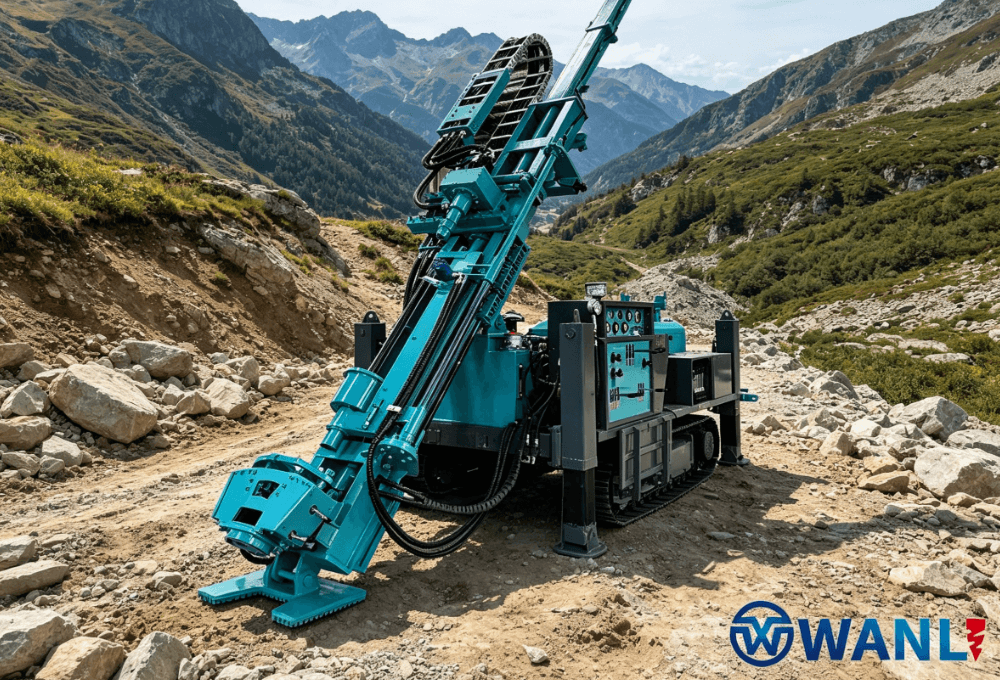
Selecting the right equipment depends on the specific geology and the required depth of your project. If the site is located in a mountainous region, a crawler-mounted or man-portable rig is necessary. You can explore various configurations of a coring drilling rig to see which drive system suits your terrain. Crawler rigs offer excellent stability on uneven ground and reduce the need for extensive site preparation. In contrast, truck-mounted rigs are better for projects that require frequent relocation over long distances.
One must also consider the “depth capacity” of the machine. Using a rig beyond its rated depth can lead to mechanical failure or the loss of expensive drill strings. Most mineral exploration projects require a rig capable of reaching at least 800 to 1,000 meters. Additionally, ensure the rig is compatible with the latest wireline coring tools. Wireline systems are significantly faster than conventional methods because they eliminate the need to pull all rods to retrieve the core. This feature alone can save hundreds of hours on a deep-drilling program.
Finally, look for rigs with ergonomic control panels and safety features. Modern hydraulic controls allow for sensitive feedback, which helps the operator “feel” the rock changes. Emergency stop buttons and protective cages are mandatory for modern industrial standards. A well-designed rig reduces operator fatigue and increases the precision of the drilling process. Evaluating these technical and safety aspects ensures that the equipment will perform reliably over a long service life.
Summary
A coring drilling rig is the most effective tool for obtaining high-quality subsurface samples in mining and geology. These machines provide the data necessary for mineral valuation, engineering safety, and environmental protection. By selecting a rig with the appropriate power, mobility, and depth capacity, operators can ensure efficient and accurate exploration.
FAQ
1. What is the main difference between a coring rig and a rotary rig?
A coring drilling rig uses a hollow bit to extract solid samples, whereas a rotary rig grinds rock into small chips or dust. Coring is used for detailed analysis, while standard rotary drilling is typically used for water wells or blast holes.
2. How deep can a coring drilling rig go?
Most standard portable rigs can reach depths of 300 to 600 meters, while heavy-duty mineral exploration rigs can exceed 2,000 meters. The specific depth depends on the rig’s hoisting capacity and the diameter of the drill rods used.
3. Why is diamond used in coring bits?
Industrial diamonds are used because they are the hardest known material, allowing the bit to cut through abrasive and hard rock formations. This ensures the bit stays sharp longer and produces a clean, smooth core sample.
4. What is wireline coring?
Wireline coring is a method where the core sample is retrieved using a cable and an overshot assembly through the center of the drill rods. It is much faster than traditional methods because the drill rods stay in the hole during sample retrieval.
Reference Sources
ASTM International – Standards for Rock Core Drilling and Sampling
International Society for Rock Mechanics (ISRM) – Suggested Methods for Rock Characterization
U.S. Geological Survey (USGS) – Methods for Deep Core Drilling