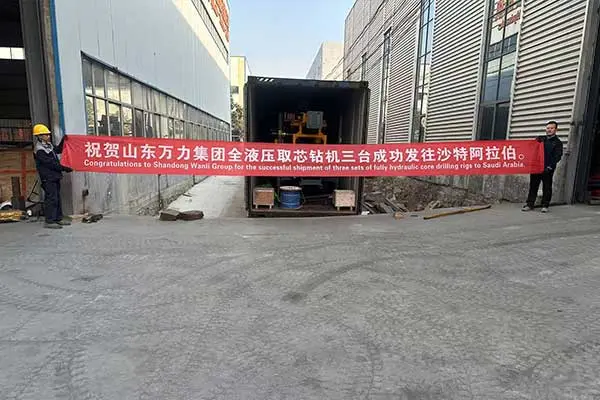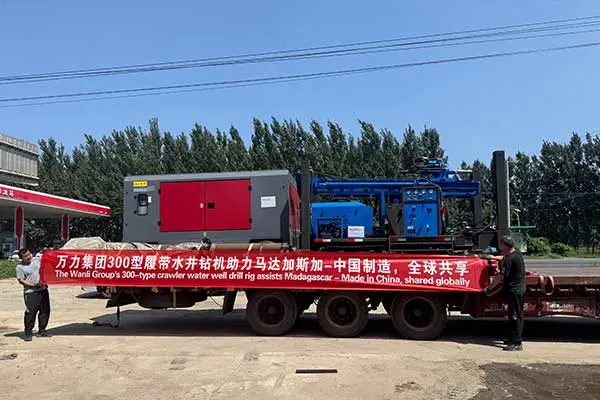
When planning a subsurface project, understanding the nuances of water well drilling vs core drilling is essential. These two methods serve entirely different industrial purposes despite using similar rotational technology. Water well drilling focuses on creating a high-volume conduit to access underground aquifers. In contrast, core drilling prioritizes the extraction of intact cylindrical rock samples for laboratory analysis.
The choice of machinery directly impacts project efficiency and cost-effectiveness. Water well drilling typically requires high torque to penetrate deep soil and rock layers rapidly. Conversely, core drilling demands precision and high rotational speeds to keep the sample structure intact. Selecting the wrong equipment can lead to structural failures or inaccurate geological data.
Modern drilling operations rely on specialized rigs tailored to these specific needs. Whether you are searching for a reliable water source or conducting mineral exploration, technical parameters matter. Understanding these differences ensures that your investment yields the desired results without unnecessary mechanical strain.
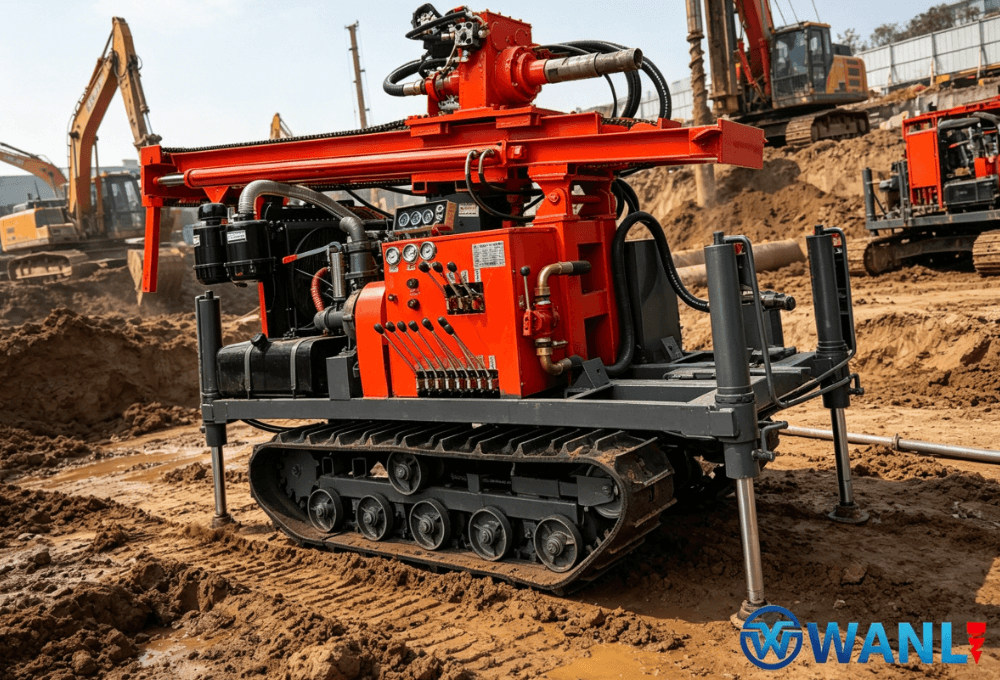
What Are the Technical Differences in Water Well vs Core Drilling?
The primary distinction lies in the output of the drilling process. Water well drilling is a destructive method where the drill bit grinds rock into small chips. These chips are then flushed out using air or drilling mud. The goal is to create a clean, stable hole that allows water to flow into a casing.
Core drilling is a non-destructive sampling method used for geotechnical investigations. A hollow drill bit cuts a circular path, leaving a solid column of rock inside the tube. This “core” provides a chronological record of the earth’s layers. This data is vital for mining companies and civil engineers.
Technical specifications highlight these functional gaps. Water well rigs often operate at lower RPMs (60–120 RPM) but provide massive pull-back force. Core rigs operate at significantly higher speeds, often exceeding 1,000 RPM, to ensure smooth cutting of the rock face. This high speed prevents the sample from fracturing during the extraction process.
Comparative Performance Metrics
| Feature | Water Well Drilling | Core Drilling |
| Primary Goal | Water extraction | Geological sampling |
| Hole Diameter | Large (6 to 24 inches) | Small (2 to 5 inches) |
| Typical Depth | 100 to 1,000+ meters | 50 to 3,000+ meters |
| Rotation Speed | Low (under 150 RPM) | High (up to 1,500 RPM) |
| Flush Media | Mud or high-pressure air | Water or polymer additives |
Why Does Equipment Selection Matter for Your Project?
Using the correct rig prevents mechanical failure and optimizes the rate of penetration. Water well drilling rigs are built for ruggedness and high-volume discharge. They must handle heavy casings and large-diameter drill strings. These machines often feature powerful mud pumps to clear debris from deep boreholes.
Core drilling rigs require sophisticated wireline systems for sample retrieval. A wireline winch allows operators to pull the inner tube without removing the entire drill string. This saves hours of labor, especially at depths exceeding 500 meters. Without this specialized hardware, core recovery rates drop significantly.
Energy efficiency also plays a role in equipment selection. Larger water well rigs consume more fuel due to the high torque required for wide diameters. Core rigs are generally more compact and mobile. This makes them ideal for remote exploration sites where logistics are challenging.
How to Determine the Best Drilling Method for Your Site
Site conditions often dictate the feasibility of water well drilling vs core drilling. If the formation consists of loose sand or gravel, water well techniques are preferred. These methods use heavy mud to stabilize the walls of the hole. This prevents the borehole from collapsing before the casing is installed.
Hard rock formations like granite or basalt are better suited for core drilling. Diamond-impregnated bits are used to “grind” through the hardness. This provides a clear view of the rock’s mineral composition. Engineers use this data to determine the stability of foundations for skyscrapers or bridges.
Project budgets also influence the decision-making process. Water well projects are often billed by the foot or meter of completed hole. Core drilling is typically more expensive per meter. This is due to the cost of diamond bits and the slow, careful nature of sample recovery.
Technical Data and Performance Standards
Data from the drilling industry suggests that recovery rates for core samples should exceed 95% for high-quality surveys. Anything lower may miss critical mineral veins or structural faults. In water well drilling, the focus shifts to “yield,” measured in gallons per minute (GPM). A successful well in a residential area typically produces 5 to 20 GPM.
The weight-on-bit (WOB) is another critical metric. Water well rigs apply several tons of downward pressure to crush rock effectively. Core rigs use a more delicate balance of WOB and high-speed rotation. Over-pressuring a core bit can burn the diamonds or crush the delicate sample inside.
Pressure ratings for hydraulic systems also differ. Most modern water well units operate at 200–300 bar to drive heavy-duty rotation motors. Core rigs might use lower pressure but require precise flow control for the wireline winch. These variations ensure the machinery lasts through thousands of meters of operation.
Choosing the Right Rig for Your Application
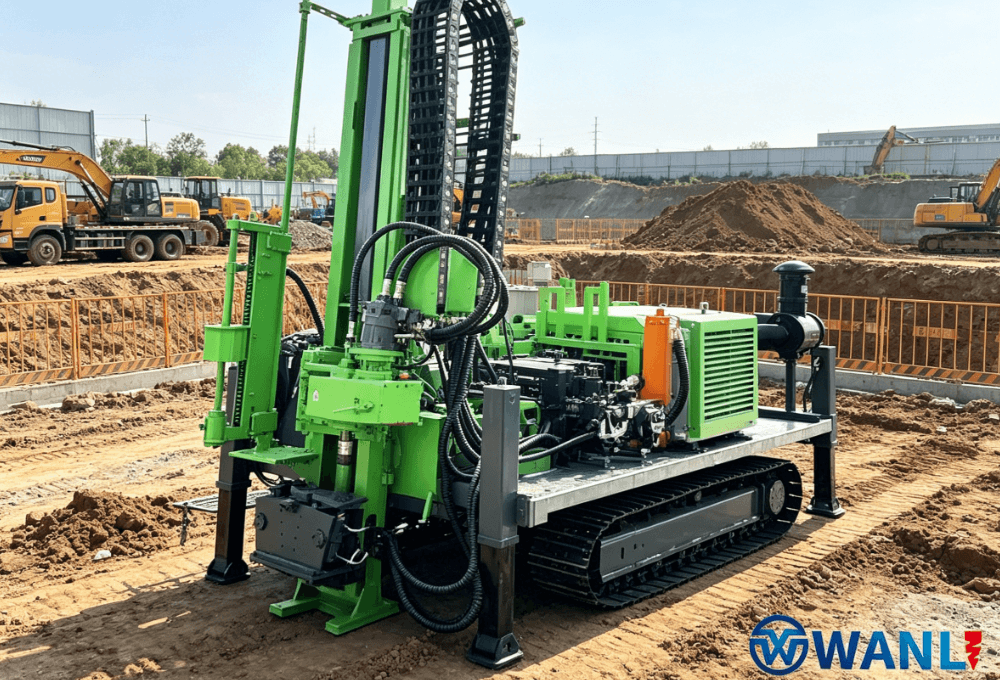
Selecting the appropriate equipment depends on your specific operational goals and the geological environment. If your objective is to provide a sustainable water supply for agricultural or industrial use, browsing a dedicated water well drilling rig category is the only viable choice. These machines are designed to handle the large diameters required for high-flow pumps.
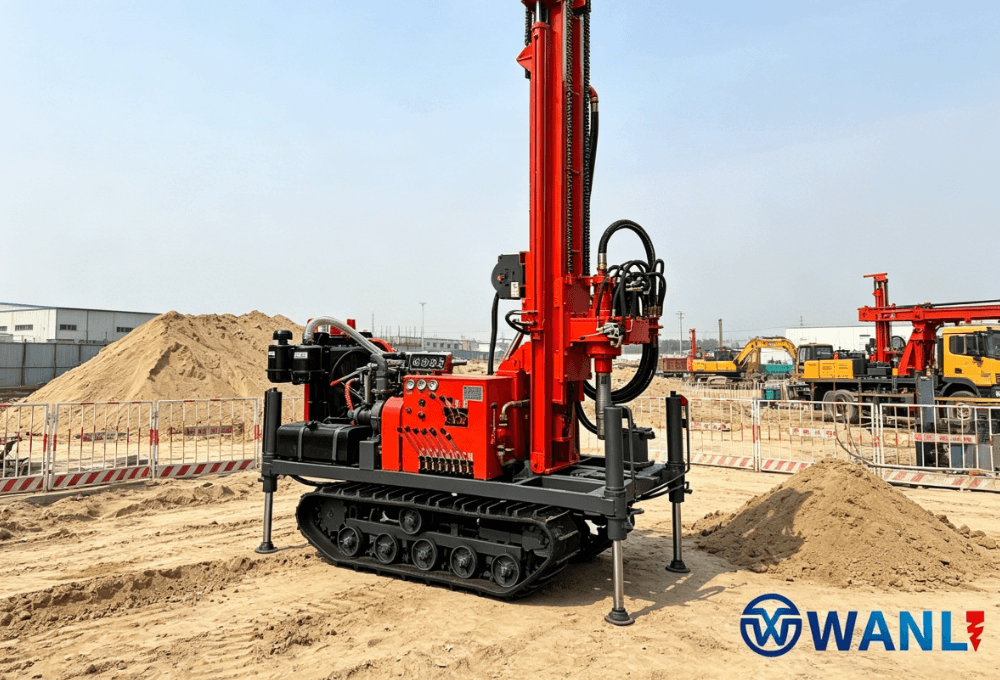
For those involved in mineral exploration or soil testing, a high-performance coring drilling rig is essential. These rigs provide the precision necessary for high-quality data. Choosing a rig with the correct depth capacity ensures you can reach target formations without straining the engine.
The reliability of the manufacturer is just as important as the rig’s specifications. A high-quality rig should offer a balance of power and ease of maintenance. Similarly, a professional unit must feature a stable mast and a reliable hydraulic system. Investing in the right technology at the start prevents costly downtime and project delays.
Summary
The decision between water well drilling vs core drilling comes down to whether you need a hole for extraction or a sample for analysis. Water well rigs prioritize diameter and speed in soft to medium formations. Core rigs prioritize sample integrity and depth in hard rock environments. By matching your rig to your specific geological goals, you ensure project success and long-term mechanical reliability.
FAQ
1. Can I use a water well rig for core sampling?
Generally, no, because water well rigs lack the high RPM and wireline systems required for efficient core recovery. While possible in very shallow soil, the sample quality is usually poor and often unusable for scientific analysis.
2. What is the average depth for a core drilling project?
Core drilling projects often range from 300 to 1,500 meters. However, specialized mineral exploration rigs can exceed 3,000 meters to reach deep-seated ore bodies.
3. Which method is faster for reaching deep aquifers?
Water well drilling is significantly faster for reaching aquifers. This method focuses on rapid penetration and borehole stabilization rather than the time-consuming process of careful sample preservation and retrieval.
4. How do diamond bits differ between these methods?
In core drilling, diamond bits are hollow to allow a rock cylinder to pass through the center. In water well drilling, “PDC” or “tricone” bits are solid and designed to grind everything in their path into small cuttings.
5. Is core drilling more expensive than water well drilling?
Yes, core drilling is usually more expensive per meter. This is due to the high cost of diamond-impregnated consumables and the technical expertise required for maintaining sample integrity during the extraction process.
Reference Sources
National Ground Water Association (NGWA) – Water Well Drilling Methods and Equipment
Geological Society of America (GSA) – Subsurface Exploration Techniques