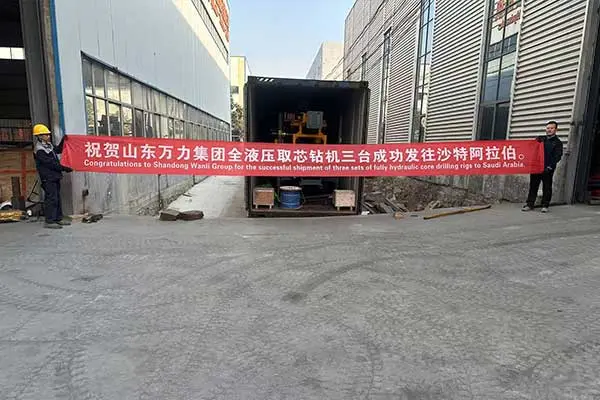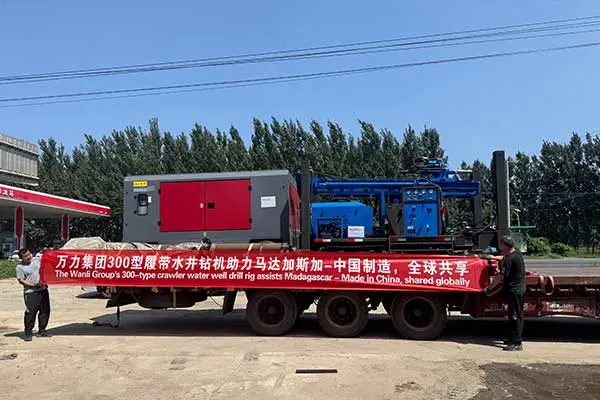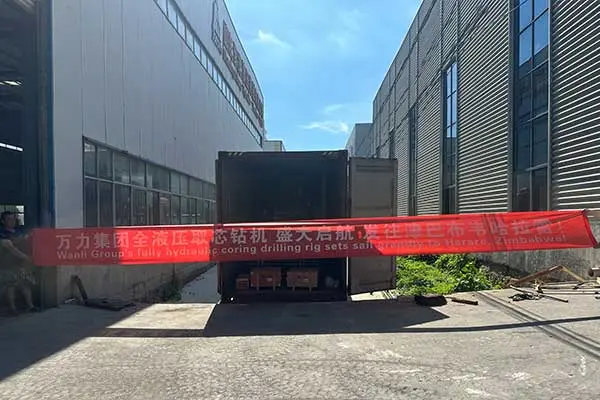
Foundation engineering serves as the critical backbone for every modern infrastructure project. Engineers rely heavily on specialized machinery to ensure structural integrity and soil stability. Among these tools, the strategic use of drilling rig applications determines the longevity of skyscrapers and bridges. These powerful machines penetrate various geological layers to create paths for structural supports. Understanding the specific roles of different rigs helps project managers optimize efficiency and safety. From urban construction to remote resource exploration, these machines adapt to complex environmental demands.
Modern construction sites require high precision during the initial excavation phases. Drilling rig applications encompass a wide range of tasks including soil sampling and pile installation. Heavy-duty rigs can reach depths exceeding 100 meters to anchor structures into bedrock. This process minimizes the risk of settling or structural failure over time. Furthermore, advanced hydraulic systems allow these machines to operate in confined urban spaces. Choosing the right equipment ensures that the foundation meets rigorous international building standards.
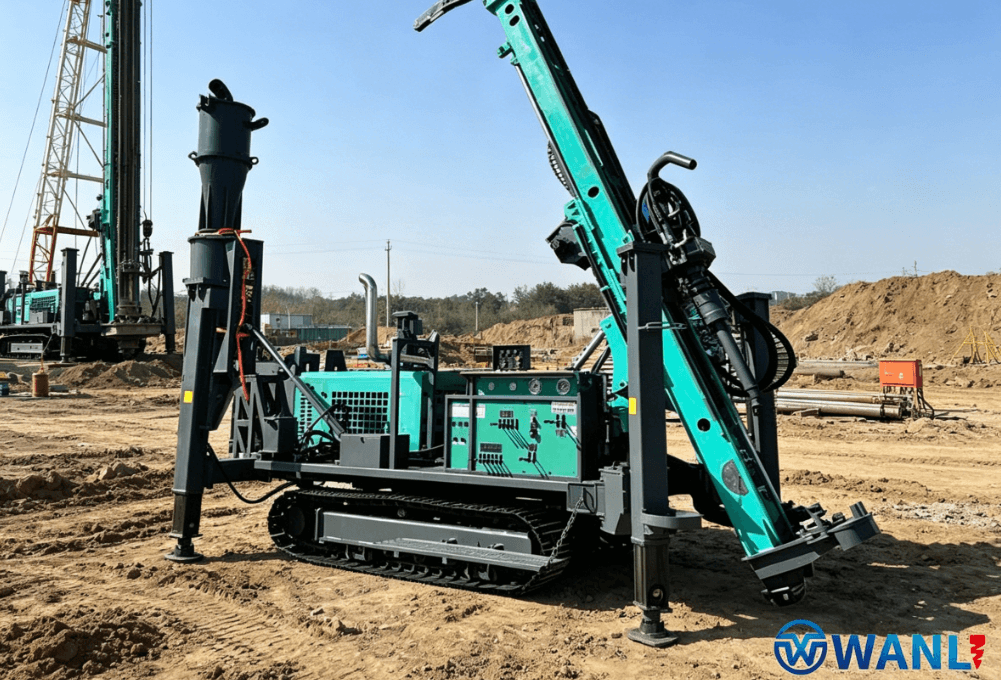
What are the Primary Roles of Drilling Rigs in Deep Foundation Work?
Deep foundation work primarily focuses on transferring building loads to deeper, more competent soil layers. Drilling rig applications in this sector often involve the creation of bored piles. These piles support heavy structures where shallow foundations are insufficient. Large-diameter rotary rigs can drill holes up to 3 meters wide. This capacity allows for the construction of massive piers for highway overpasses. Using specific drill bits enables penetration through dense clay, gravel, or solid rock.
Utilizing Advanced Piling Techniques
In high-rise construction, the stability of the substrate is non-negotiable. Drilling rig applications facilitate the installation of cast-in-place concrete piles. This method reduces vibration compared to traditional pile driving techniques. Reduced vibration protects neighboring structures from accidental damage or seismic shifts. Statistics show that bored piling accounts for nearly 50% of deep foundation methods in urban areas. This preference stems from the versatility and noise-control capabilities of modern drilling equipment.
The table below summarizes common drilling methods used in foundation engineering:
| Drilling Method | Common Application | Depth Range (Typical) | Soil Suitability |
| Reverse Circulation | Large diameter piling | 30–100m | Loose sand and gravel |
| Down-The-Hole | Hard rock penetration | 10–50m | Solid granite and limestone |
| Coring | Geological sampling | 50–500m | All rock formations |
| Auger Drilling | Shallow foundations | 5–30m | Soft to medium clays |
Key Drilling Rig Applications Across Diverse Construction Sectors
Geotechnical exploration represents one of the most vital drilling rig applications today. Before breaking ground, engineers must understand the subsurface composition. High-precision coring drilling rig units are essential for extracting intact rock samples from great depths. These samples reveal the load-bearing capacity and mineral content of the site. Accurate data prevents costly design errors during the later construction phases. Most exploration projects require sampling at intervals of 5 to 10 meters.
Resource Management and Site Preparation
Another significant area involves resource management and site dewatering. Reliable water well drilling rig models are frequently deployed to manage groundwater levels. In many projects, excessive water can destabilize an open excavation pit. Installing deep wells allows engineers to lower the water table temporarily. This ensures a dry and safe environment for basement construction. These rigs are also used to provide permanent water sources for large-scale industrial facilities.
Hard Rock Excavation
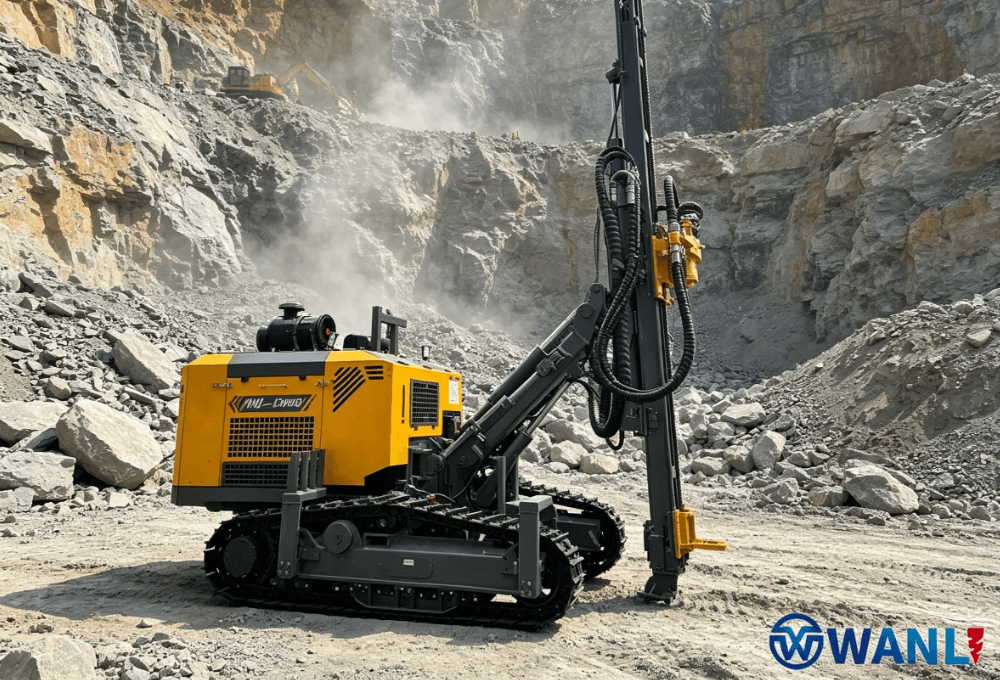
For projects involving hard rock formations, specialized percussion tools are necessary. A professional down-the-hole drilling rig uses a pneumatic hammer to shatter rock efficiently. This application is common in bridge anchoring and mountain road construction. The high-frequency impact allows for rapid progress through material with high compressive strength. Typically, DTH rigs can achieve penetration rates of 10 to 20 meters per hour in medium-hard rock. This efficiency significantly reduces the overall project timeline and labor costs.
Why Reverse Circulation is Essential for Large Scale Projects
In large-scale infrastructure, a specialized rc reverse circulation drilling rig offers unique advantages for heavy-duty piling. This method uses dual-wall drill pipes to flush cuttings to the surface. The inner pipe serves as a conduit for debris, keeping the borehole exceptionally clean. This efficiency is crucial when constructing foundations for dams or massive industrial complexes. Because the system prevents wall collapse, it is ideal for unstable soil conditions. Large projects often utilize RC rigs to ensure verticality within a 1% tolerance.
Mobility and Urban Efficiency
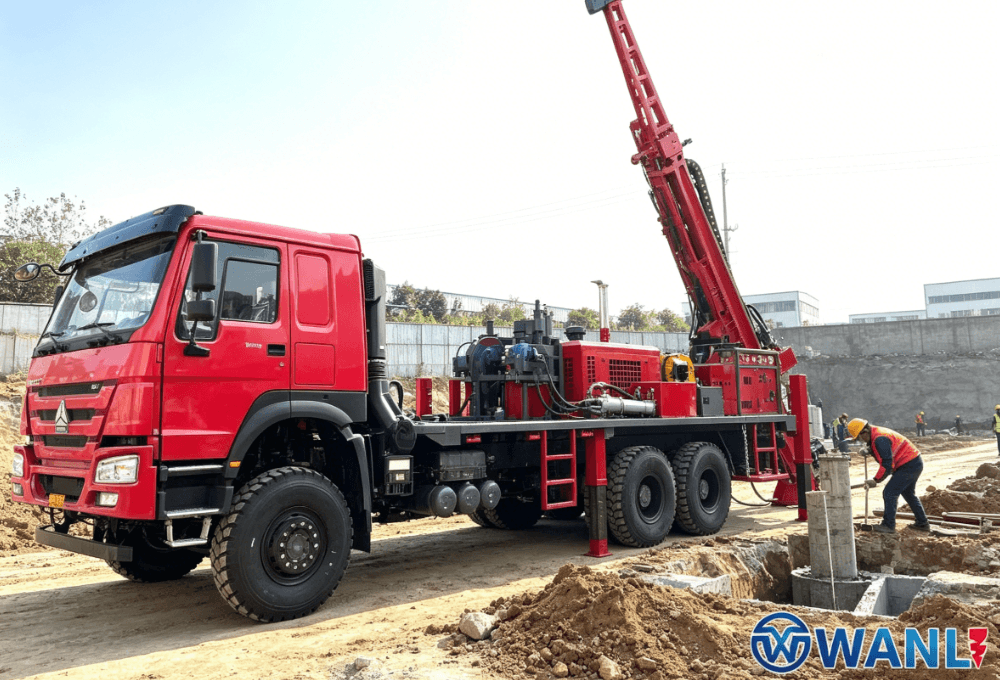
A versatile vehicle-mounted drilling rig enhances mobility across sprawling construction sites. These units integrate high-power engines with mobile chassis for rapid deployment. Mobility reduces the “dead time” spent transporting equipment between different borehole locations. Many urban infrastructure projects favor these rigs for their quick setup times. They can transition from transport mode to drilling mode in less than 30 minutes. This versatility makes them a preferred choice for emergency repair work or utility installations.
Reliability in extreme conditions is a hallmark of professional-grade machinery. Drilling rig applications often face challenges like extreme temperatures or abrasive soil. High-quality hydraulic components help maintain constant torque and rotation speeds. For instance, advanced cooling systems prevent overheating during continuous 24-hour operations. Maintaining a consistent pressure of 15 to 25 bar ensures optimal cutting performance. Such technical precision is necessary to meet the strict safety codes of modern engineering.
How to Select the Right Drilling Equipment for Your Project
Selecting the appropriate machinery requires a detailed analysis of the local geology. How you determine the best rig depends largely on the required hole diameter and depth. If the project involves soft soil and deep piles, an RC system is often superior. Conversely, for hard rock or mineral exploration, a DTH or coring unit is more effective. Understanding the torque requirements is also vital for preventing equipment failure. Higher torque is generally necessary for larger diameters in cohesive soils.
Operational Environment Considerations
Operational environment significantly influences the choice between tracked and truck-mounted units. If the site has paved roads and multiple locations, a vehicle-mounted unit provides the best ROI. However, for rugged terrains or steep slopes, crawler-based rigs offer better stability. You must also consider the availability of water and compressed air on-site. Some rigs require external compressors, while others feature integrated power units. Evaluating these logistical factors ensures seamless integration into the construction workflow.
Maintenance and spare parts availability should also guide your selection process. Durable machines with standardized components reduce long-term operational costs. It is advisable to choose equipment that offers easy access to hydraulic filters and engine parts. A well-maintained rig can last for over 15 years with regular servicing. Furthermore, training operators on specific rig functionalities improves site safety and hole accuracy. This proactive approach minimizes downtime and maximizes the productivity of your drilling fleet.
Choosing the Ideal Drilling Solution
The success of any foundation project hinges on matching the machine to the terrain. When you evaluate drilling rig applications, prioritize the specific geological challenges of your site. For instance, if you encounter loose alluvial layers, the stability provided by specialized RC systems is unmatched. If your primary goal is geological verification, the precision of coring units becomes your most valuable asset. Each equipment category serves a distinct purpose in the engineering lifecycle.
For projects requiring high mobility and frequent relocation, vehicle-mounted platforms provide the necessary flexibility. Meanwhile, specialized tasks like borehole blasting or foundation anchoring rely on the percussive power of DTH technology. For site preparation and utility access, water well rigs offer a reliable way to manage local resources. By identifying the core requirements—depth, diameter, and soil type—you can select a rig that ensures both safety and project profitability.
Summary
Drilling rig applications are fundamental to the stability and success of foundation engineering projects. By utilizing specialized RC, DTH, and coring equipment, engineers can overcome diverse geological hurdles. Selecting the right rig based on soil conditions and depth requirements ensures structural integrity and long-term project efficiency.
FAQ
1. What are the main applications of drilling rigs in construction?
Drilling rigs are primarily used for creating deep foundations, extracting soil samples, and installing water wells. They are essential for ensuring that structures like bridges and skyscrapers are anchored to stable ground.
2. Why is reverse circulation used for deep piling?
Reverse circulation is used because it efficiently removes cuttings and prevents borehole collapse in unstable soils. It provides a cleaner hole and allows for larger diameters compared to standard rotary methods.
3. When should I use a down-the-hole (DTH) rig?
You should use a DTH rig when encountering hard rock formations that require high-impact energy to penetrate. These rigs are ideal for anchoring, quarrying, and drilling through granite or basalt.
4. What is the benefit of a vehicle-mounted drilling rig?
Vehicle-mounted rigs offer superior mobility and fast setup times across multiple locations. They are highly effective for urban utility projects and sites with developed road access.
5. How deep can a standard coring rig drill?
Most professional coring rigs can reach depths between 300 and 1,000 meters depending on the model. This depth is necessary for comprehensive geological surveys and mineral exploration.
Reference Sources
Deep Foundations Institute (DFI) – Piling and Drilling Technologies
European Federation of Foundation Contractors (EFFC) – Drilling Rig Safety and Applications