Understanding how drilling rig components function is essential for the global energy and mining sectors. A modern drilling rig is not a single machine but a complex assembly of integrated systems. These systems must operate in perfect synchronization to penetrate deep geological formations safely and efficiently.
The primary goal of these components is to manage the mechanical forces required for drilling. This involves generating massive power, lifting heavy loads, and rotating the drill string. Each part relies on the performance of the others to prevent operational downtime or mechanical failure.
To grasp the full scope of these operations, we must categorize the machinery into functional groups. These groups include power systems, hoisting mechanisms, rotating equipment, and fluid circulation units. When these systems align, they create a seamless workflow for extracting resources from the earth.
What Are the Primary Drilling Rig Components and Their Functions?
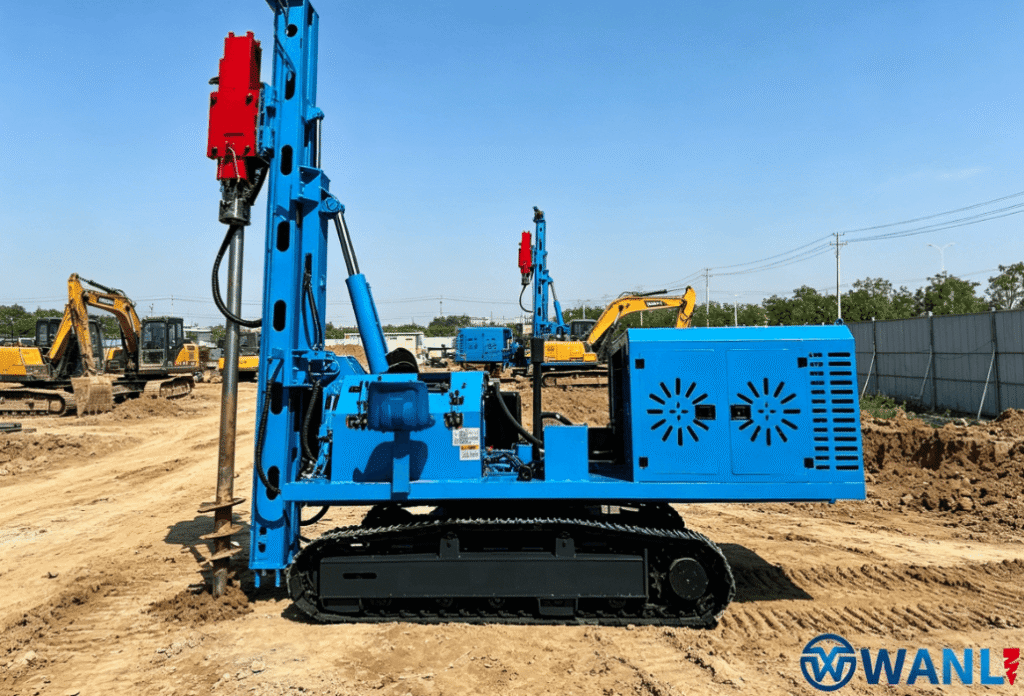
The drilling rig components that handle the physical drilling process are often the most visible on a site. At the heart of the operation is the derrick, a steel tower that provides structural support. It must withstand vertical loads reaching up to 1,500,000 pounds on heavy-duty offshore platforms.
The draw-works serves as the primary hoisting engine for the entire rig. This winch system uses heavy steel cables to raise and lower the drill string. Without high-performance draw-works, the rig cannot manage the immense weight of the steel pipes as they descend miles into the ground.
Another vital component is the drill string, which consists of connected lengths of pipe and specialized collars. The drill string transmits rotation and fluid from the surface to the drill bit at the bottom. The interaction between these components determines the rate of penetration and the overall stability of the wellbore.
| Component | Primary Function | Operational Role |
| Derrick | Structural Support | Holds vertical weight of the drill string |
| Draw-works | Hoisting | Controls the lifting and lowering of tools |
| Drill Bit | Cutting/Grinding | Physically breaks the rock formation |
| Mud Pump | Fluid Circulation | Moves drilling fluid under high pressure |
| Rotary Table | Rotation | Provides the turning force for the drill string |
The Role of the Rotating System
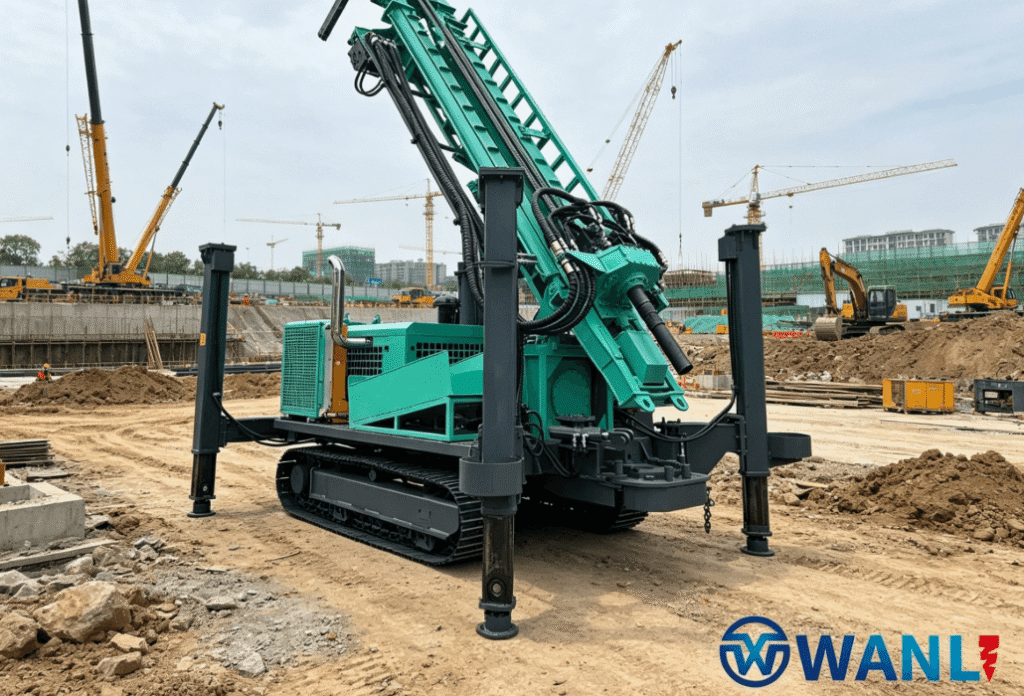
The rotating system is responsible for turning the drill bit and penetrating the earth. It includes the top drive or rotary table, the kelly, and the drill bit itself. Modern top drives can deliver over 50,000 foot-pounds of torque to handle the toughest rock layers.
The Power and Circulation Systems
Engines and generators provide the “heartbeat” of the rig, often outputting several megawatts of power. Simultaneously, the circulation system uses high-pressure mud pumps to move fluid at rates of 500 to 1,000 gallons per minute. This fluid keeps the bit cool and ensures the borehole remains stable during the entire process.
How Do Integrated Systems Drive Efficiency in Drilling Operations?
Efficiency in modern drilling depends on how drilling rig components share energy and data. Most rigs use a centralized power system, often consisting of large diesel engines or electric generators. These power sources can produce between 500 and 2,000 horsepower to drive mechanical operations.
The power is distributed to the hoisting system and the rotating system simultaneously. While the draw-works manage vertical movement, the top drive or rotary table provides the torque. This coordination allows the rig to maintain constant pressure on the bit while spinning it at speeds of 50 to 200 RPM.
Furthermore, the fluid circulation system works in tandem with mechanical parts. Mud pumps circulate specialized fluids to cool the drill bit and remove rock cuttings. This system must handle pressures exceeding 5,000 PSI to ensure the hole remains clean and stable during the entire process.
Why Technical Precision in Drilling Rig Components Matters
Precision in drilling rig components is a matter of safety as much as productivity. The blowout preventer (BOP) is a critical safety component designed to seal the well in emergencies. It can withstand pressures of 10,000 to 15,000 PSI to prevent uncontrolled fluid releases.
Modern rigs also utilize advanced sensors to monitor the weight on bit (WOB). If the weight exceeds the design limits of the drill string, the equipment may warp or snap. Digital control systems now integrate these components to automate adjustments, reducing human error during complex maneuvers.
Scientific data shows that even a 1% misalignment in rotating components can lead to significant vibration. These vibrations cause premature wear on bearings and seals, increasing maintenance costs. Therefore, high-quality manufacturing of every component is necessary for long-term operational success in harsh environments.
How to Select the Right Components for Your Project
Selecting appropriate drilling rig components requires a deep understanding of your specific environmental challenges. You must evaluate the maximum depth of the well and the expected geological hardness. These factors dictate the required horsepower for your engines and the tensile strength of your drill pipe.
Consistency in equipment sourcing is a major factor in reducing operational friction. When components are designed to work together, they exhibit better hydraulic and mechanical compatibility. It is often beneficial to look for standardized parts that meet international safety and performance benchmarks for reliability.
Reliable manufacturers provide detailed technical specifications, such as load ratings and thermal tolerances. Ensuring that your hoisting system matches the weight capacity of your derrick is a fundamental step. For those seeking high-performance solutions, checking a comprehensive product catalog can help identify components that meet specific torque and pressure requirements.
Summary
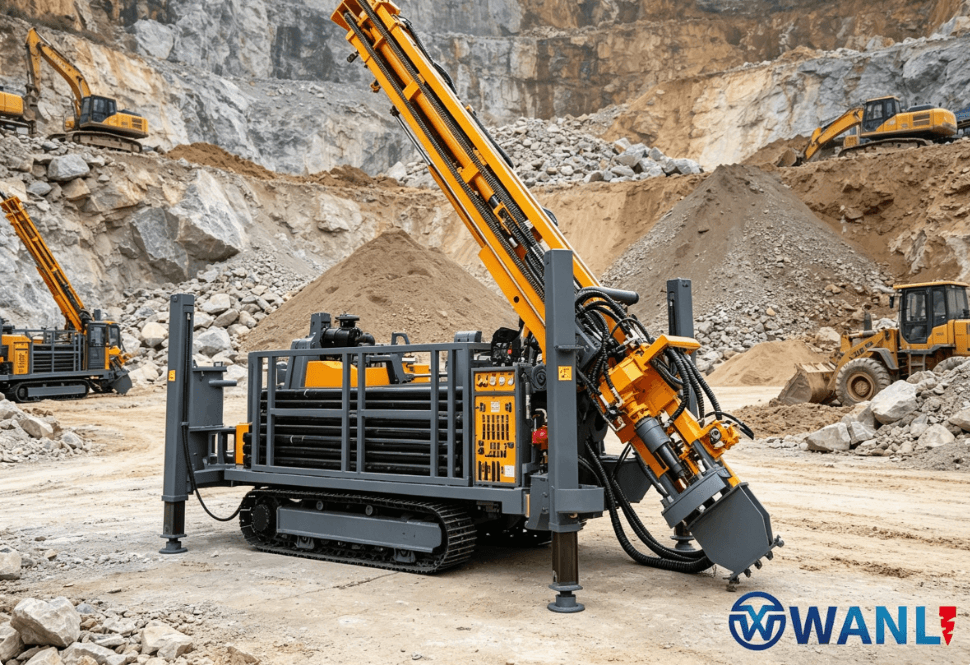
Drilling rig components work together through a synchronized flow of power, mechanical rotation, and fluid circulation. The hoisting system manages the vertical load while the rotating system breaks the rock. This integration ensures that drilling remains continuous, safe, and efficient across various complex geological conditions.
FAQ
1. What are the most critical drilling rig components?
The most critical components are the power system, the hoisting system, and the rotation system. These three systems provide the energy, movement, and cutting force needed to create a well effectively.
2. How does the circulation system support drilling rig components?
The circulation system moves drilling mud through the drill string to the bit at high pressure. It cools the cutting tools, carries debris to the surface, and provides hydrostatic pressure to prevent the well from collapsing.
3. Why is the top drive preferred over the rotary table in modern rigs?
A top drive allows for more efficient operation because it can rotate the drill string directly from the top. This enables the crew to drill longer sections of pipe at once, which significantly reduces the time spent making connections.
4. What role does the blowout preventer play?
The blowout preventer is a specialized valve system used to control well pressure during emergencies. It acts as a final safety barrier to prevent high-pressure oil or gas from reaching the surface in an uncontrolled manner.
Reference Sources
American Petroleum Institute (API) Standards for Drilling and Production Equipment
International Association of Drilling Contractors (IADC) Drilling Manual and Technical Resources
Society of Petroleum Engineers (SPE) Fundamentals of Drilling Engineering