Achieving high performance in mining and geological exploration depends on multiple variables working in harmony. Understanding the specific drilling efficiency factors allows operators to reduce costs and minimize equipment wear. Efficiency is typically measured by the Rate of Penetration (ROP) and the lifespan of the drilling tools used.
Geological conditions represent the most significant uncontrollable variable in any project. Rock properties, such as compressive strength and abrasiveness, dictate the necessary force and speed required for penetration. When these geological constraints are understood, engineers can better calibrate their mechanical settings for optimal results.
Technical expertise and high-quality equipment also play pivotal roles in maintaining steady progress. Modern drilling operations utilize advanced data monitoring to adjust parameters in real-time. This proactive approach ensures that the machinery operates within its peak performance envelope without risking premature failure.
What Are the Most Critical Drilling Efficiency Factors in Hard Rock?
When drilling through hard rock, the interaction between the drill bit and the formation is paramount. The primary drilling efficiency factors in these environments include Weight on Bit (WOB) and Revolutions Per Minute (RPM). Achieving the correct balance between these two settings prevents bit skidding or excessive heat generation.
Research indicates that increasing WOB generally improves the ROP until a saturation point is reached. For instance, in granite formations, a 20% increase in WOB can lead to a 15% faster penetration rate under specific conditions. However, exceeding the manufacturer’s recommended load can lead to catastrophic tool failure.
The flushing or cleaning efficiency of the borehole also significantly impacts the speed of the operation. If cuttings are not removed quickly, the bit will regrind old material instead of cutting new rock. Efficient air or water pressure ensures that the face of the bit remains clear and productive.
Impact of Rock Hardness on Tool Longevity
Rock hardness is measured using the Mohs scale or Unconfined Compressive Strength (UCS) tests. Harder formations require higher energy inputs and more durable materials to maintain a steady ROP. Ignoring these geological data points can lead to rapid bit blunting and increased operational costs.
The Role of Air and Fluid Pressure in Cleaning
Flushing efficiency is a core component of the drilling efficiency factors equation. Without adequate pressure to lift cuttings, the bit undergoes unnecessary friction and heat buildup. Maintaining a clean cutting face is essential for maximizing the mechanical energy transfer from the rig to the rock.
| Factor | Impact on Efficiency | Management Strategy |
| Rock Hardness | High impact on wear | Adjust bit material grade |
| Weight on Bit | Direct influence on ROP | Monitor for bit “foundering” |
| Rotation Speed | Affects cutting torque | Balance with vibration levels |
| Fluid Flow | Cleans the borehole | Maintain optimal pump pressure |
How Mechanical Parameters Influence Overall Drilling Efficiency Factors
Mechanical parameters are the variables that operators can control directly to influence output. The torque applied to the drill string must be sufficient to overcome the rock’s resistance without causing mechanical fatigue. Drilling efficiency factors like torque and vibration monitoring are essential for protecting the integrity of the drill rig.
Vibration is often an overlooked factor that can drastically reduce the life of the drill string. High-frequency axial or lateral vibrations lead to uneven wear on the cutters. By utilizing shock absorbers and stabilizers, operators can maintain a more consistent contact between the bit and the rock surface.
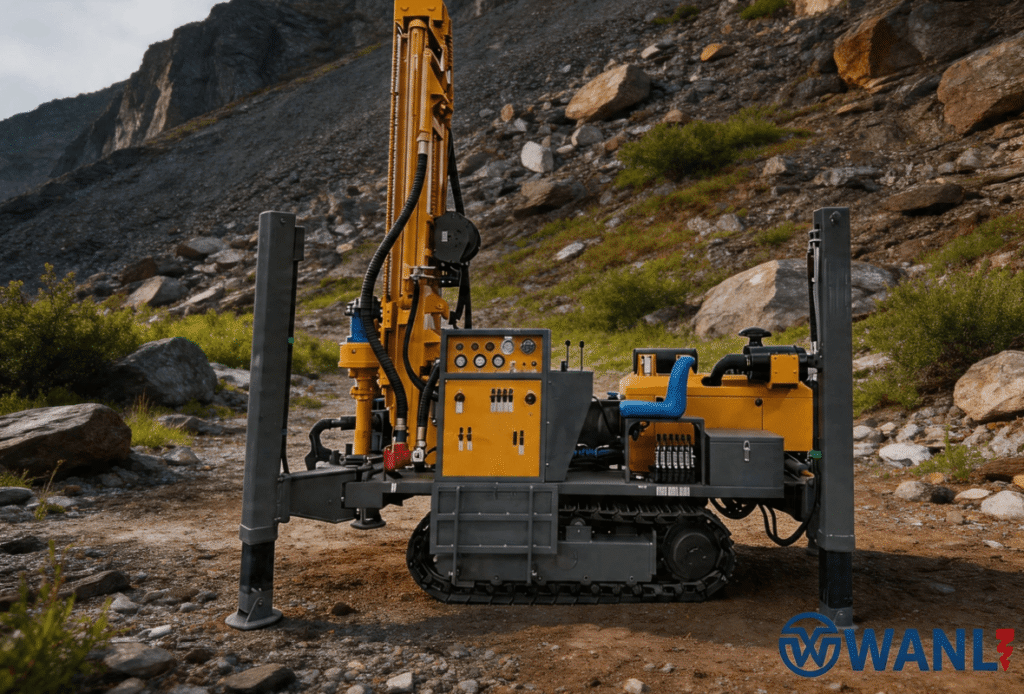
Power distribution within the rig also determines how effectively energy is transferred to the cutting face. Modern hydraulic systems provide precise control over feed pressure, allowing for smoother transitions between different rock layers. This precision reduces energy waste and lowers the overall cost per meter drilled.
Optimizing Weight on Bit for Better Penetration
Finding the “sweet spot” for WOB is crucial for avoiding bit damage. Scientific studies show that penetration increases linearly with weight until the bit teeth are fully buried. Beyond this point, efficiency drops as the bit body begins to rub against the rock surface.
Managing Rotation Speed and Torque
RPM must be synchronized with the WOB to ensure effective rock fragmentation. High rotation speeds in abrasive ground can lead to rapid gauge wear on the drill bit. Monitoring torque levels allows operators to detect changes in formation and prevent drill string snapping.
Selecting the Right Equipment for Enhanced Productivity
The choice of drilling tools is perhaps the most influential of all drilling efficiency factors under human control. Different formations require specific bit geometries and material compositions to perform effectively. For example, tungsten carbide inserts are preferred for abrasive ground, while PDC bits excel in softer formations.
Using high-grade raw materials in the manufacturing of drill bits ensures longevity and resistance to thermal degradation. Heat is a byproduct of friction that can soften steel bodies and cause inserts to pop out. Premium bits are designed with specialized cooling channels to manage these high temperatures.
Precision engineering in the thread connections of drill rods also minimizes energy loss. If the joints are not tight or well-aligned, energy from the hammer or top drive will dissipate. Reliable equipment ensures that every joule of energy contributed by the rig is used for rock fragmentation.
Material Selection and Bit Geometry
High-quality bits often utilize premium tungsten carbide grades to withstand impact. The shape of the face—whether flat, concave, or convex—determines how the bit handles different rock pressures. Selecting the correct geometry reduces the risk of hole deviation and improves overall drilling speed.
Compatibility of the Drill String Components
Every component from the hammer to the drill rod must be compatible with the rig’s output capacity. Mismatched components lead to energy loss and increased mechanical vibration. A unified drill string system ensures that power is delivered efficiently to the cutting edge.
How to Determine the Best Drilling Tools for Your Project
Choosing the right equipment requires a systematic analysis of the job site conditions and goals. The first step is to assess the Mohs hardness of the rock you intend to penetrate. This baseline data helps you narrow down the material requirements for your drill bits and accessories.
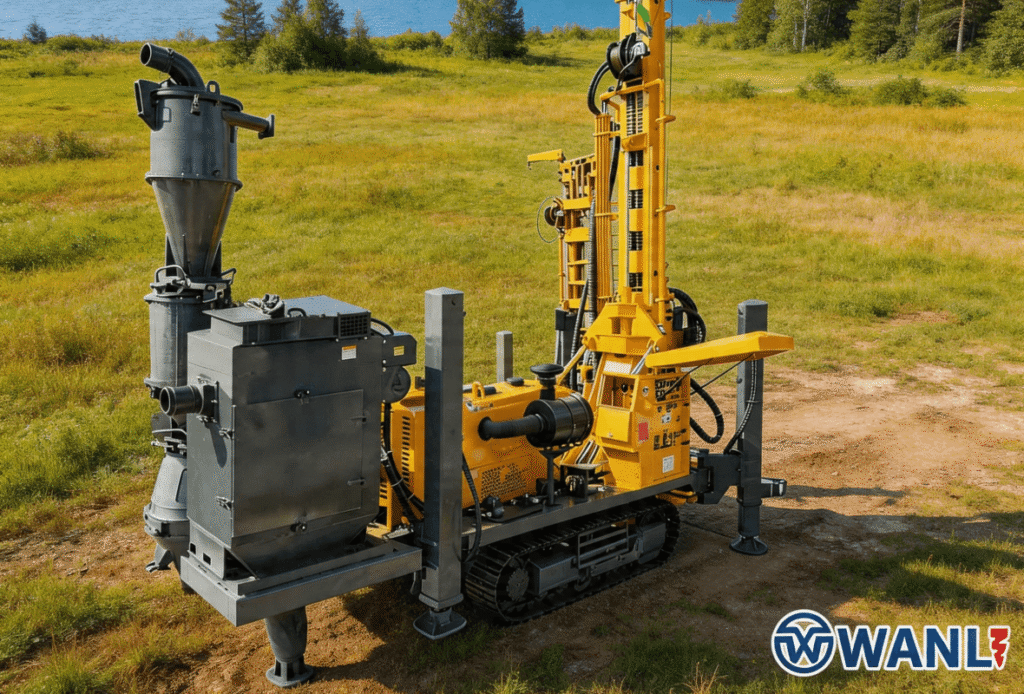
You should also consider the depth and diameter of the holes required for the project. Larger diameters often require higher torque and more robust flushing systems to move the increased volume of cuttings. Evaluating the compatibility of your current rig with wanli drilling products ensures that you avoid operational bottlenecks.
A key indicator of a high-quality supplier is the use of premium materials like Timken steel or YK05 tungsten carbide. These components provide the durability needed to withstand high-impact forces. When you select tools based on proven engineering standards, you ensure a higher return on investment through reduced downtime.
Summary
The primary drilling efficiency factors involve a complex interplay between rock geology, mechanical parameters like WOB and RPM, and the quality of the drilling tools. By optimizing these variables and selecting high-performance equipment, operators can significantly increase their ROP while lowering total operational costs.
FAQ
1. What is the most important factor in drilling efficiency?
The most important factor is the synergy between the drill bit design and the rock formation’s hardness.
If the bit is not suited for the rock type, mechanical adjustments like increased pressure will only result in faster tool wear rather than better penetration.
2. How does Weight on Bit (WOB) affect drilling speed?
WOB provides the necessary force to indent the rock surface, but it must be balanced carefully.
Too much weight can cause bit “foundering,” where the cuttings cannot escape, leading to a decrease in efficiency and potential damage to the equipment.
3. Why is flushing important for drilling efficiency?
Flushing removes rock cuttings from the bottom of the hole, preventing the bit from regrinding debris.
Efficient removal of material ensures that the bit always contacts fresh rock, which maintains a high Rate of Penetration (ROP).
4. How can I reduce the cost per meter in my drilling project?
You can reduce costs by selecting high-quality, durable bits that require fewer changes and by optimizing your rig’s mechanical settings.
Minimizing downtime through the use of reliable equipment is the most effective way to improve project margins and overall project speed.
Reference Sources
Society of Petroleum Engineers (SPE) – Fundamentals of Drilling Efficiency
National Ground Water Association (NGWA) – Best Practices for Drilling Operations