Remote mineral exploration presents unique logistical challenges for geological teams. Transporting heavy machinery into dense jungles or high mountains is often impossible. A portable coring drilling rig offers a strategic solution for these difficult environments. These machines provide the necessary power while remaining light enough for transport. Choosing the right equipment determines the overall success of your field operation. You must consider the terrain, target depth, and available transport methods. This guide explores the critical factors for selecting the best portable coring drilling rig. Understanding these technical aspects ensures efficient core recovery and reliable data in 2026.
Why Is Portability Essential for Remote Exploration Sites?
Remote exploration sites often lack developed road infrastructure or even basic paths. Logistics can consume up to 35% of an exploration budget in remote areas. Using a portable coring drilling rig significantly reduces these mobilization expenses. Smaller units allow teams to reach targets that are inaccessible to truck-mounted rigs. The ability to reach deep targets without road construction is a major competitive advantage.
Modular designs are a hallmark of high-quality portable equipment. These rigs can be disassembled into components weighing less than 50kg each. This allows for manual portage by small teams or transport via light aircraft. Helicopter “fly-in” operations become much more cost-effective with lightweight modular frames. Choosing a rig with a maximum component weight under 50kg ensures transport flexibility.
Furthermore, a smaller footprint minimizes the environmental impact on sensitive exploration sites. Regulatory bodies in 2026 often favor low-impact equipment for early-stage scouting. A portable coring drilling rig allows you to perform deep sampling without clearing large paths. This speeds up the permitting process and reduces land rehabilitation costs later. Environmental compliance is simplified by using compact drilling solutions.
How Does Modular Design Impact Field Efficiency?
A modular portable coring drilling rig allows for rapid assembly and disassembly. Experienced crews can often set up a modular rig in less than three hours. This speed is crucial when working in unpredictable mountain weather. Fast assembly times directly translate to more hours spent drilling.
The components must fit together with precision to ensure stability. High-quality pins and bolts reduce the risk of structural vibration during high-speed rotation. A stable frame is necessary for maintaining core quality in hard rock. Modular sections should also be color-coded or labeled for intuitive assembly.
What Are the Weight Constraints for Man-Portable Rigs?
For manual transport, no single piece should exceed the carrying capacity of two people. In 2026, the industry standard for man-portable modules is approximately 45kg to 52kg. Exceeding these weights increases the risk of worker injury in rugged terrain. Rigs that distribute weight evenly across 10 to 15 modules are ideal.
What Are the Key Technical Specifications of a Portable Coring Drilling Rig?
When evaluating a portable coring drilling rig, depth capacity is the first metric to check. Most portable units are designed for shallow to medium depths. Typical capacities range from 100 meters to 600 meters depending on the core diameter. You must match the rig’s power to your specific geological targets. Matching torque and depth capacity prevents equipment failure at the bottom of the hole.
The type of core barrel used also influences the rig’s performance requirements. Wireline coring systems like NQ or HQ sizes are standard for mineral exploration. An NQ system typically requires a rig capable of handling 70mm hole diameters. Ensure your chosen portable coring drilling rig supports the specific wireline tools you plan to use. Compatibility with standard wireline systems is non-negotiable for professional exploration.
| Feature | Standard Rig | Portable Coring Rig |
| Total Weight | 5,000kg – 15,000kg | 400kg – 1,200kg |
| Transport Method | Heavy Truck / Trailer | Man-portable / Light ATV / Heli |
| Setup Time | 1 – 2 Days | 2 – 4 Hours |
| Crew Required | 4 – 6 People | 2 – 3 People |
| Site Preparation | Extensive Clearing | Minimal Footprint |
How Much Power Is Required for Deep Coring?
Power sources for these rigs are usually compact diesel or gasoline engines. A diesel engine with 25kW to 45kW of power provides a good balance for most sites. Diesel is often preferred in remote areas due to its higher energy density. Higher energy density allows for longer operation between refueling stops.
Hydraulic systems are the heart of a modern portable coring drilling rig. A high-pressure system (around 20-25 MPa) allows for precise control of the drill bit. Variable speed controls enable the operator to adjust to changing rock hardness. This precision prevents bit burnout and ensures the recovery of high-quality samples. Advanced hydraulics provide the sensitivity needed to sample fragile geological structures.
What Is the Importance of Spindle Speed and Torque?
Hard rock exploration requires high rotation speeds for diamond bits to cut effectively. A portable coring drilling rig should offer speeds up to 1,200 RPM. Conversely, soft ground requires higher torque at lower speeds to prevent stalling. Versatile gearboxes allow a single rig to handle diverse geological formations.
| Specification | Entry-Level Portable Rig | High-Performance Portable Rig |
| Drilling Depth (NQ) | Up to 150m | Up to 600m |
| Engine Power | 15kW – 22kW | 37kW – 55kW |
| Max Torque | 400 Nm – 600 Nm | 800 Nm – 1,200 Nm |
| Spindle Speed | 0 – 800 RPM | 0 – 1,200 RPM |
| Lifting Capacity | 20 kN – 30 kN | 50 kN – 80 kN |
How to Evaluate Durability and Maintenance in the Field?
Remote operations mean you cannot easily call for a repair technician. Therefore, the build quality of a portable coring drilling rig is paramount. Look for frames constructed from high-strength aluminum alloys or reinforced steel. These materials offer the necessary rigidity without adding excessive weight. Structural integrity ensures the rig remains plumb during deep drilling operations.
Simplicity in the hydraulic circuit is also a major advantage for field maintenance. Rigs with fewer electronic components tend to survive harsh weather conditions better. Ensure that all filters and lubrication points are easily accessible for daily checks. A portable coring drilling rig should use standardized fittings to simplify spare parts management.
Check the cooling system capacity if you are working in tropical or desert climates. Overheating is a common cause of downtime for compact hydraulic power units in 2026. An oversized oil cooler can prevent thermal shutdowns during continuous drilling operations. Reliable cooling ensures the rig maintains its torque throughout long work shifts.
What Spare Parts Are Essential for Remote Sites?
A comprehensive field kit is vital for maintaining a portable coring drilling rig. This kit should include essential seals, hydraulic hoses, and common wear parts. Having these items on-site can mean the difference between a minor delay and a total project halt. Carrying 10% of the rig’s value in spares is a recommended field practice.
How Does Weather Affect Rig Performance?
Extreme cold or high humidity can impact hydraulic fluid viscosity. Modern rigs utilize specialized fluids that maintain performance across a wide temperature range. Using high-grade synthetic oils prevents pump cavitation in sub-zero conditions. Always check the operating temperature range provided by the manufacturer before deployment.
How to Determine if a Rig Is Suitable for Your Specific Project?
The decision to invest in a specific portable coring drilling rig depends on several logistical factors. You must first analyze the maximum depth of your target geological zone. If your targets are deeper than 400 meters, you need a rig with a high lifting capacity. Choosing a rig that operates at 80% of its maximum capacity extends equipment life.
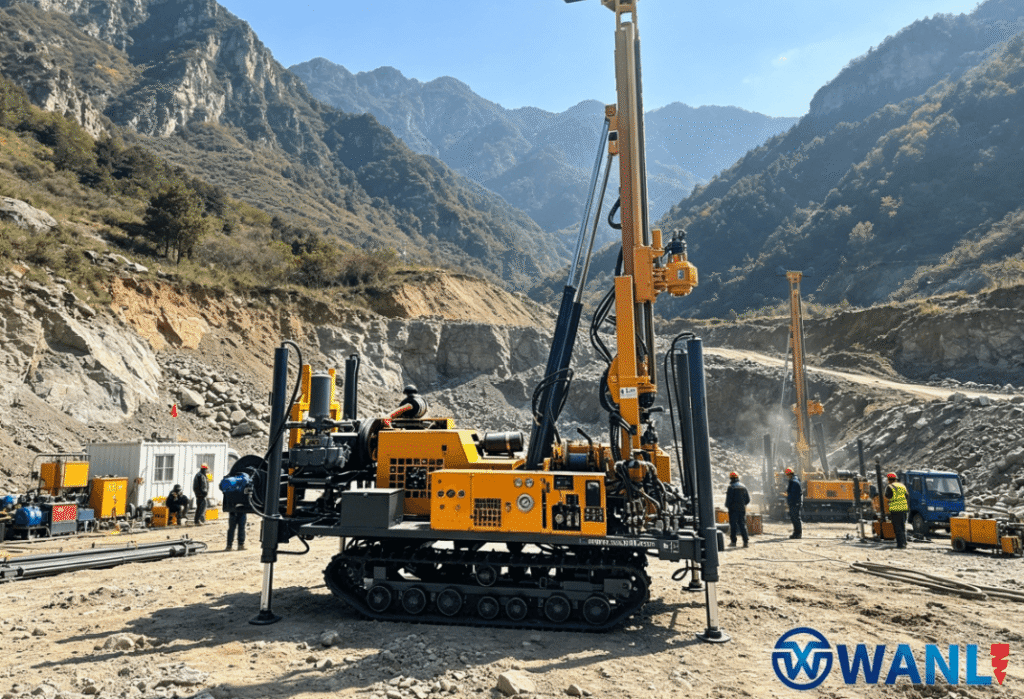
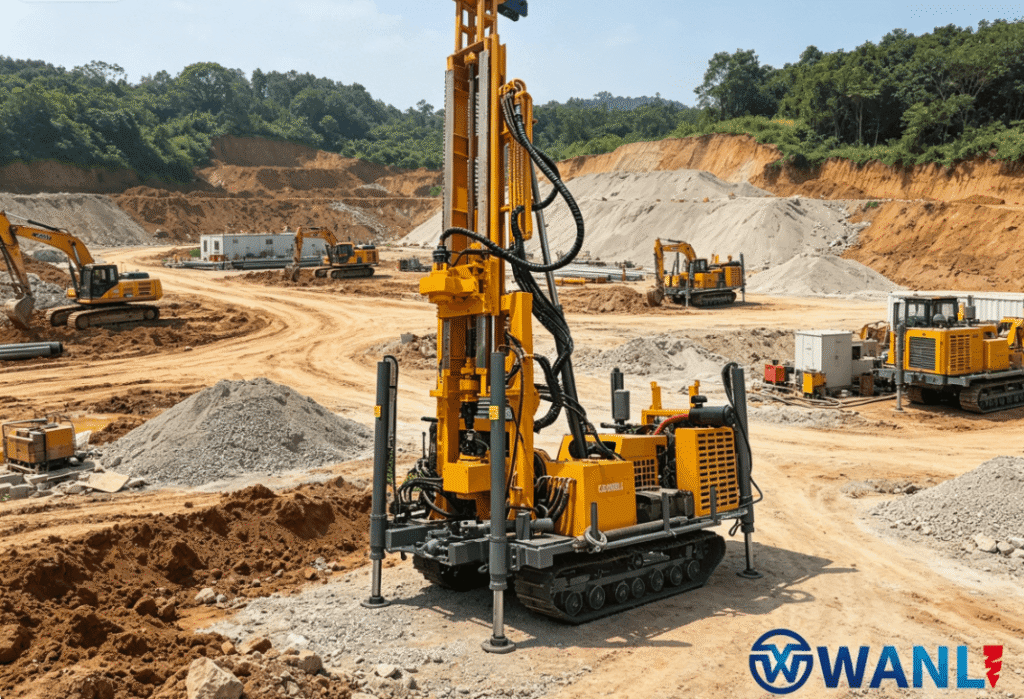
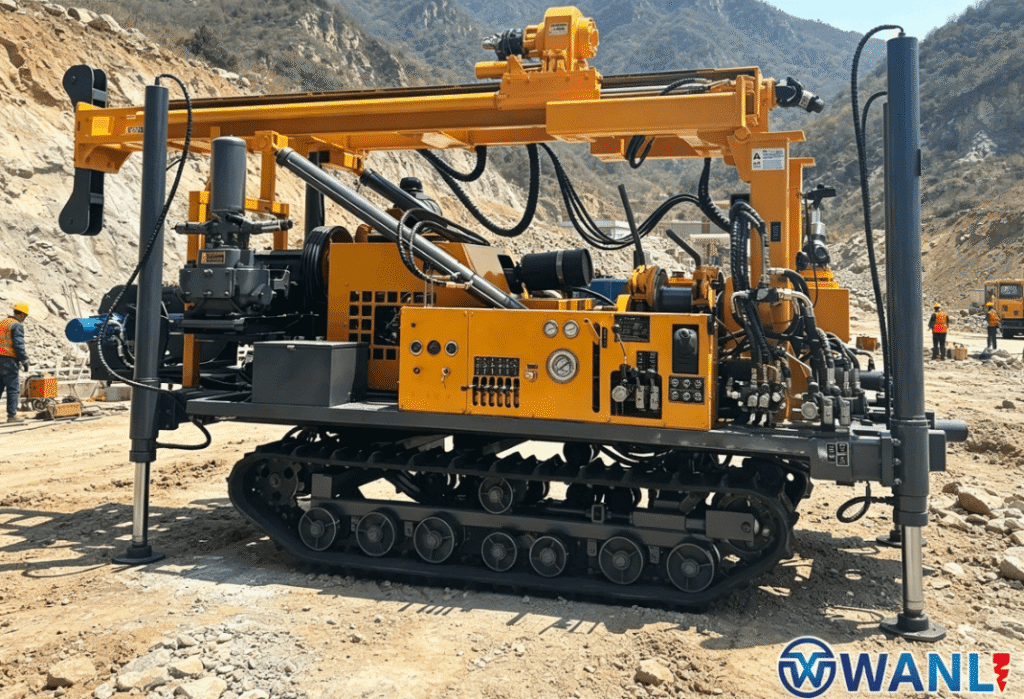
Mobility requirements are the second most important factor to consider. For projects with narrow forest trails, a crawler-mounted system offers excellent autonomous movement. However, if the site is only accessible by foot, a fully modular frame is required. Exploring the options for SDWanli coring drilling rigs can help you compare different mobility configurations. Evaluating the transport logistics of each model ensures the rig can actually reach the drill pad.
The hardness of the rock at the site dictates the torque and rotation speed requirements. Harder formations like granite require higher bit speeds and diamond-tipped tools. Softer sediments may require slower rotation but higher flushing volumes to clear cuttings. Verify that your portable coring drilling rig offers a wide range of gear settings for maximum versatility. Selecting a supplier that provides detailed operational manuals and training videos is also a significant advantage for crew safety.
Summary
Choosing a portable coring drilling rig in 2026 requires balancing weight, depth capacity, and mechanical reliability. Focus on modular designs that allow for easy transport in difficult terrains without heavy machinery. Ensure the hydraulic power is sufficient for your target rock types and required core diameters. High-quality portable rigs reduce logistics costs while maintaining the precision needed for successful exploration.
FAQ
1. What is the maximum depth a portable coring drilling rig can reach?
Most portable rigs in 2026 can reach depths between 300 and 600 meters using NQ-sized wireline tools. The actual depth capacity depends on the rig’s lifting power and the total weight of the drill string.
2. Can a portable coring drilling rig handle hard rock formations?
Yes, these rigs can drill through hard rock when equipped with high-speed hydraulic heads and diamond bits. They are designed to achieve rotation speeds of up to 1,200 RPM for efficient cutting through granite and quartz.
3. How many people are needed to operate a portable rig?
A typical crew consists of two to three people for standard operations. One operator manages the hydraulic controls while one or two helpers handle the core samples and assist with rod changes.
4. How do you transport a modular portable rig to a remote mountain site?
Modular rigs are disassembled into small parts weighing under 50kg for ease of transport. These parts are then carried by hand, packed onto animals, or moved via light helicopters to the final location.
5. What power source is best for a portable coring drilling rig?
Diesel engines are generally the best choice for remote sites due to their durability and fuel availability. They provide the high torque required for deep drilling while remaining compact enough for modular transport.