Investing in water well machinery requires more than a cursory look at a quote. For project managers, civil engineers, and drilling contractors, the borehole drilling equipment price is a complex variable influenced by geological capabilities, power systems, and long-term operational efficiency. Whether you are scaling a fleet for municipal projects or establishing a new drilling service, understanding the Total Cost of Ownership (TCO) is the difference between a profitable venture and a logistical burden.
What Determines the Borehole Drilling Equipment Price?
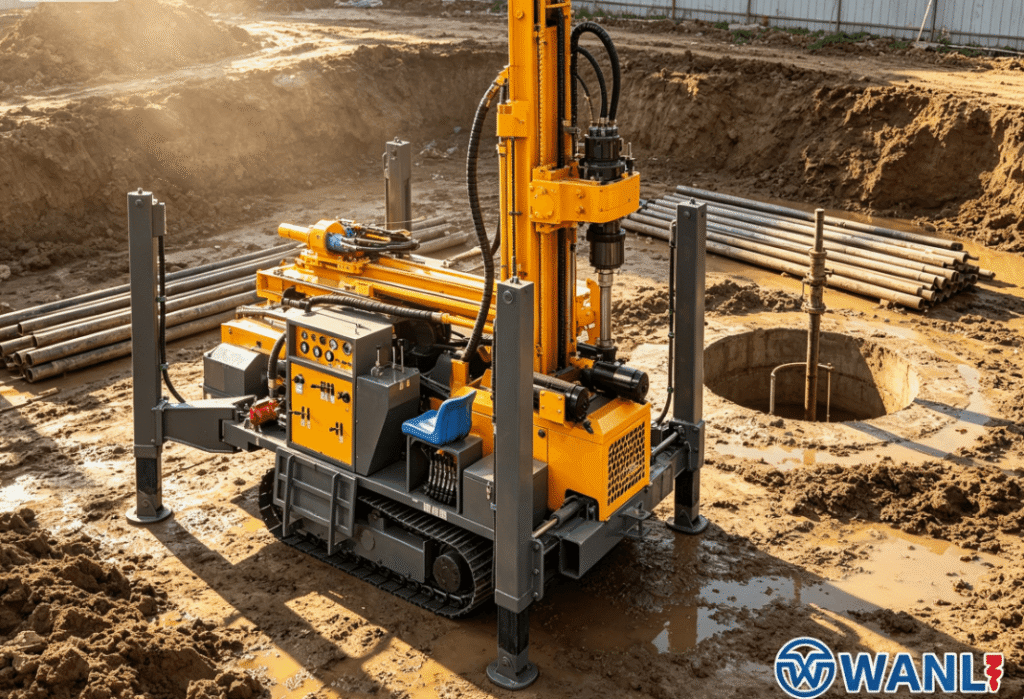
The market price for borehole rigs fluctuates significantly based on engineering specifications. A portable, modular rig intended for shallow agricultural wells operates on a different financial scale than a 600-meter deep-hole crawler rig used in geothermal or mining applications.
Several core technical factors drive the initial investment:
- Drilling Depth and Diameter: As depth capacity increases, the chassis strength and hydraulic torque must scale accordingly. A rig rated for 200 meters uses lighter components than one rated for 600 meters, which requires high-tensile drill pipes and advanced hoisting systems.
- Power Source & Transmission: Full hydraulic systems command a higher price point than mechanical or semi-hydraulic alternatives. However, they offer superior precision and lower labor intensity.
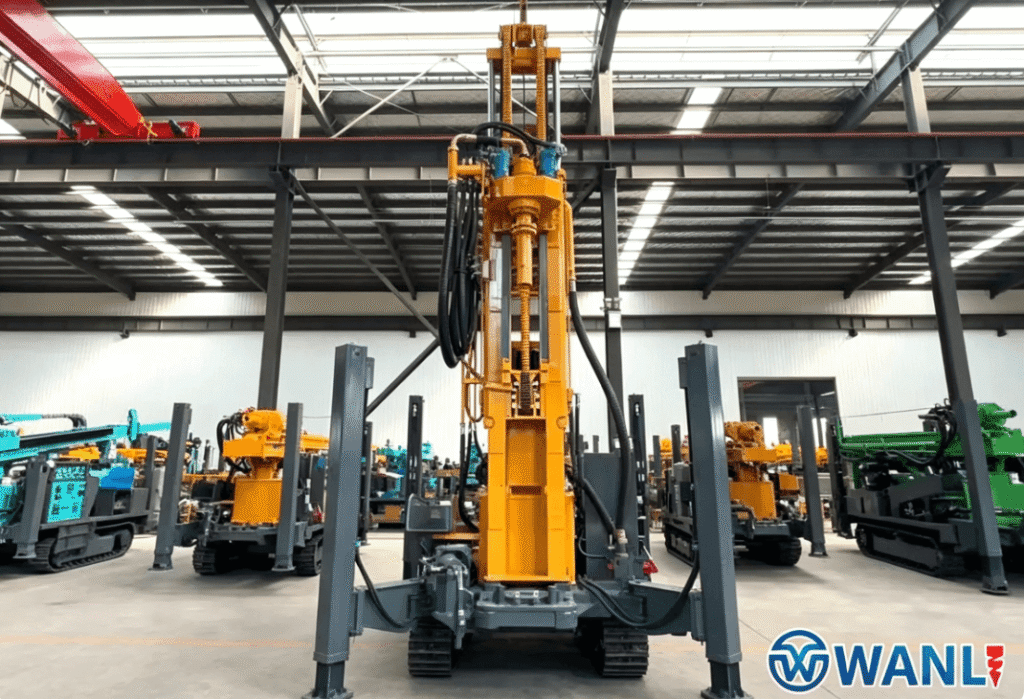
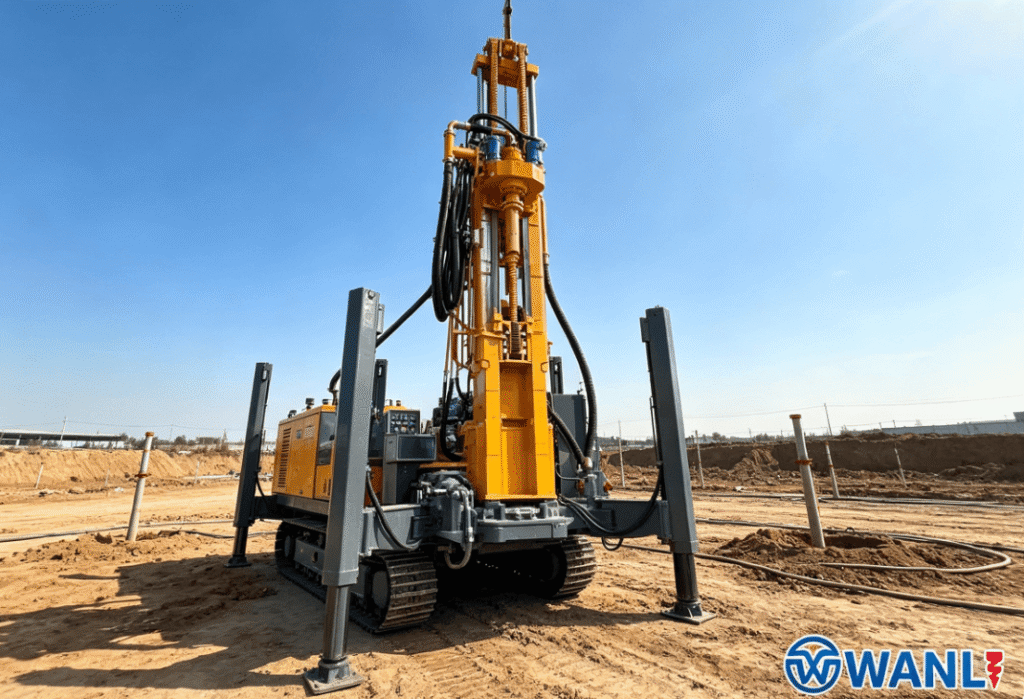
- Mounting Configuration: Crawler-mounted rigs offer high mobility in rugged terrains (mountains, soft soils) but include the cost of the track system. Truck-mounted rigs provide high-speed transit between sites but require a certified vehicle chassis, which adds to the capital expenditure.
- Compressor Integration: For DTH (Down-the-Hole) drilling in hard rock, the price of the air compressor often equals or exceeds the price of the rig itself.
Comparison of Rig Categories and Pricing Tiers
To optimize your procurement strategy, it is essential to categorize equipment by its primary application and technical complexity.
| Rig Category | Typical Depth Range | Primary Application | Price Driver |
| Portable/Modular | 50m – 150m | Small farms, residential | Lightweight alloy materials |
| Crawler Hydraulic | 200m – 400m | Industrial wells, construction | Hydraulic pump reliability |
| Heavy-Duty Crawler | 400m – 1000m+ | Geothermal, mining | Torque & Lifting capacity |
| Truck-Mounted | 200m – 600m | Regional contracting | Chassis brand & integration |
Manufacturers like SD Wanli specialize in the mid-to-heavy crawler segment, where the focus is on balancing high-torque performance with fuel efficiency—a critical factor for contractors looking to minimize the cost per meter drilled.
The Hidden Costs: Beyond the Initial Purchase
A strategic “Price and Cost Analysis” must account for operational expenditures (OPEX). In the drilling industry, the “sticker price” is often only 40% of the lifecycle cost of the machine.
1. Consumables and Wear Parts
The borehole drilling equipment price rarely includes a lifetime supply of drill bits, DTH hammers, and drill rods. Depending on the strata (granite, limestone, or clay), the wear rate of tungsten carbide bits can vary. High-quality alloy rods are an essential upfront investment to prevent “down-hole” failures, which can result in the total loss of a borehole and the drilling string.
2. Fuel Consumption and Power Efficiency
Modern hydraulic rigs are designed with load-sensing technology. While these systems may increase the initial purchase price, they reduce fuel consumption by 15-20% during idling or low-load phases. Over a 5-year operational window, fuel savings can offset a higher initial equipment cost.
3. Maintenance and Global Support
Downtime is the most significant “hidden cost” in drilling. A rig that is $5,000 cheaper but lacks a modular hydraulic layout can lead to days of lost productivity when a seal or hose fails. Professional-grade equipment is designed for “field serviceability,” allowing operators to swap components without specialized factory tools.
Matching Geological Requirements to Equipment Spend
Engineering your purchase based on your specific terrain is the most effective way to control costs. Over-specifying a machine (e.g., buying a 600m rig for 100m projects) leads to unnecessary fuel burn and transportation logistical hurdles.
- For Hard Rock Formations: Prioritize DTH-compatible rigs with high-pressure air systems. The equipment must have a robust mast to handle the vibration of the hammer.
- For Loose Soil/Sediment: Focus on mud circulation systems (rotary drilling). In these cases, the cost of the mud pump and the torque of the rotary head are the primary performance metrics.
- For Urban Construction: Compact crawler rigs are required. Here, the price is driven by the power-to-size ratio and noise-reduction features.
Strategic Sourcing: The OEM Advantage
When evaluating the borehole drilling equipment price, direct-from-manufacturer sourcing (OEM) provides a distinct advantage in customization. Companies like SD Wanli allow for the integration of specific hydraulic components or engine brands (such as Cummins or Quanchai) based on the local availability of spare parts in the buyer’s country.
This level of customization ensures that you are not paying for features you do not need, while simultaneously ensuring that the core components can be serviced locally, reducing the long-term cost of ownership.
ROI and Procurement Workflow
For a successful B2B procurement of drilling machinery, we recommend the following workflow:
- Geological Survey: Define the deepest and hardest strata you will encounter.
- Configuration Selection: Determine if your logistics require a crawler, truck, or trailer-mounted unit.
- Component Vetting: Request a Bill of Materials (BOM) highlighting the brands of the hydraulic pumps, valves, and engines.
- Logistics & Incoterms: Factor in the cost of shipping (FOB vs. CIF) and the specialized packaging required for heavy machinery to prevent corrosion during sea freight.
- Lifecycle Projection: Estimate the cost of consumables for the first 1,000 meters of drilling to establish a realistic operational budget.
FAQ
Q: Does the borehole drilling equipment price include the air compressor?
A: Typically, no. In the industrial drilling sector, the rig and the air compressor are quoted separately. This allows the buyer to match the compressor’s CFM and PSI ratings to their specific DTH hammer requirements.
Q: What is the average lead time for a custom-configured water well rig?
A: For standard crawler models, lead times generally range from 15 to 30 days. For custom OEM projects involving specific engine certifications (like Tier 4 or Stage V for Europe/USA), lead times may extend to 45-60 days.
Q: How do I choose between a pneumatic and a hydraulic drilling rig?
A: Most modern borehole rigs are “Pneumatic-Hydraulic Hybrid.” They use hydraulic power for movement, leveling, and rotation, while using pneumatic power (compressed air) specifically for the DTH hammer to break rock. The price will depend on how integrated these systems are.
Q: Are there specific certifications I should look for to ensure equipment quality?
A: Look for ISO 9001 quality management certification and CE marking if you are operating in the European market. These ensure the manufacturing process meets international safety and durability standards.
Reference Sources
- International Society for Soil Mechanics and Geotechnical Engineering (ISSMGE): Technical standards for drilling in diverse strata.
- American Petroleum Institute (API): Standards for drill pipes and threading (often applied to high-end water well rods).
- SGS Inspection Services: For verification of manufacturing standards and pre-shipment inspections.
- National Ground Water Association (NGWA): Best practices for water well construction and equipment safety.