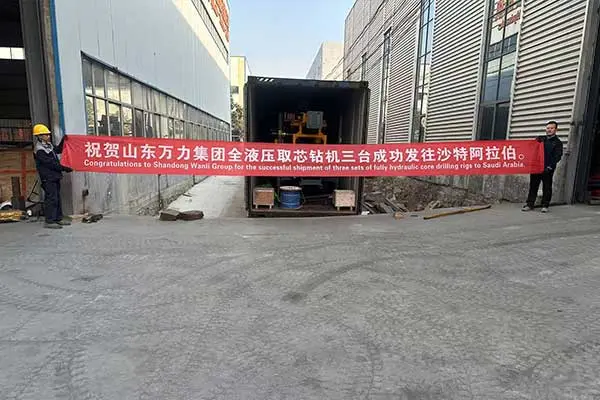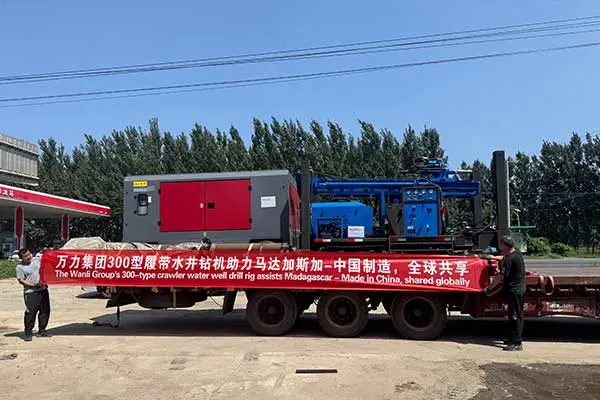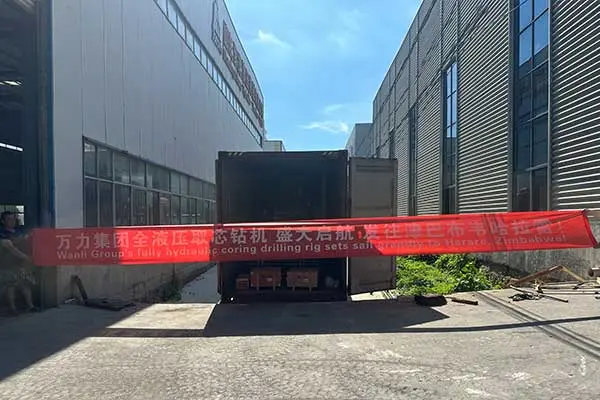
An outdated water well drilling machine impacts your business through slow penetration rates and excessive operational costs. If your current rig requires frequent repairs or struggles with hard rock formations, it is likely obsolete. Modern drilling technology focuses on hydraulic efficiency and automated rod handling. Upgrading to a contemporary water well drilling machine can increase your drilling speed by up to 50%. Assessing your machine’s performance against current industry benchmarks is essential for remaining competitive.
Operational efficiency is the most visible sign of an aging water well drill machine. Legacy systems often feature manual controls and inefficient power transmission. These factors lead to longer project timelines and higher labor expenses. Industry data suggests that rigs older than ten years consume 25% more fuel on average. Switching to a modern hydraulic water well drilling rig machine significantly lowers your carbon footprint and fuel bills. High-performance engines now offer better torque-to-weight ratios for easier site mobilization.
Safety standards for the water well drilling machine industry have evolved rapidly in recent years. Older machines often lack integrated emergency stop systems and hydraulic breakout tools. These omissions increase the risk of workplace injuries and liability for the contractor. Modern rigs prioritize operator safety through remote control options and shielded moving parts. Evaluating these technical gaps helps you determine the right time for a fleet upgrade. This article provides the criteria needed to judge if your equipment is holding back your growth.
Key Indicators of an Obsolete Water Well Drill Machine
A clear sign of an outdated water well drill machine is the consistent loss of hydraulic pressure. This results in weaker rotation and slower lifting speeds during the drilling process. Internal wear in old hydraulic pumps can decrease mechanical efficiency to below 70%. Modern machines maintain over 90% efficiency, ensuring maximum power reaches the drill bit. If you notice fluid leaks or overheating during standard operations, your machine is likely reaching the end of its life.
Fuel Consumption and Environmental Impact
Older engines found in a legacy water well drill machine lack modern emission controls and fuel injection technology. This leads to higher operating costs per meter of completed well. Tier 4 or Stage V compliant engines reduce harmful emissions while optimizing fuel usage. High fuel costs can quickly erase the profit margins on competitive drilling contracts.
- Excessive Smoke: Indicates incomplete combustion and internal engine wear.
- High Fuel-to-Depth Ratio: Shows the machine is working harder for less output.
- Noise Pollution: Older motors often exceed safe decibel levels for residential areas.
- Oil Leaks: Constant fluid loss suggests failing seals and environmental hazards.
Maintenance Frequency and Downtime Costs
The cost of maintaining an outdated water well drilling machine often exceeds the monthly financing for a new model. Finding spare parts for discontinued rigs can lead to weeks of project downtime. Project delays caused by mechanical failure can result in heavy financial penalties from clients. If your maintenance logs show a spike in repair hours, it is time to consider a replacement. Reliability is the most valuable asset for a B2B drilling contractor.
Advantages of a Modern Water Well Drilling Rig Machine
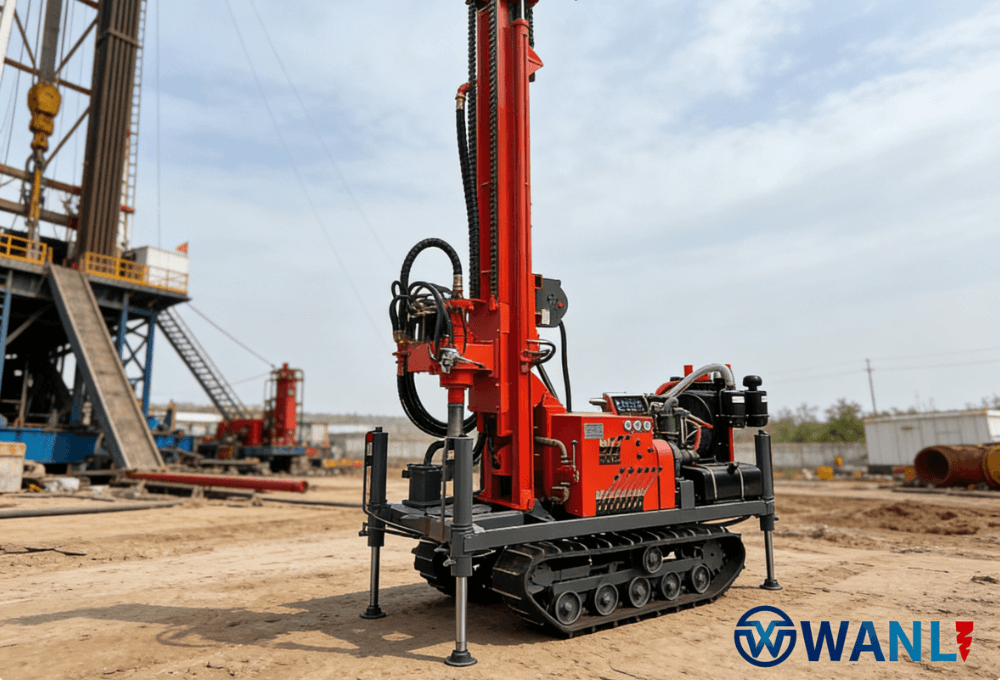
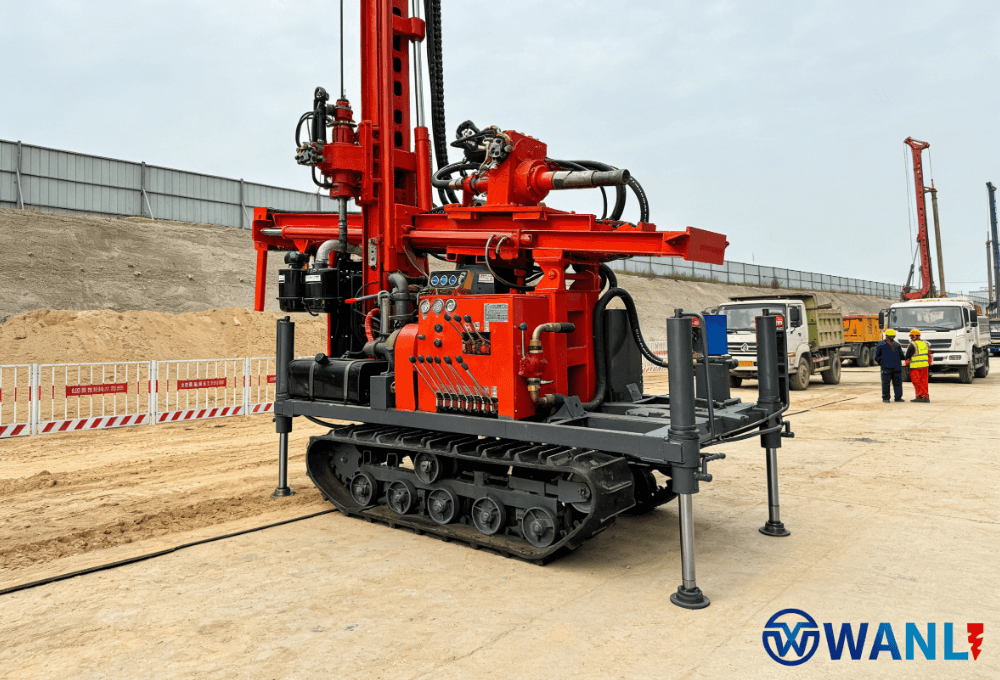
A high-quality water well drilling rig machine now integrates crawler-mounted mobility for difficult terrain. Most modern units feature rubber or steel tracks for stable movement on sand or mud. Hydraulic outriggers allow for rapid leveling and stabilization on uneven ground. This reduces setup time from hours to minutes, allowing for more wells per month. High-torque rotary heads ensure consistent penetration through diverse geological layers including basalt and granite.
Precision Control and Deep Well Capabilities
Modern systems allow operators to reach depths of 600 meters or more with extreme accuracy. A contemporary water well drilling rig machine uses digital sensors to monitor drilling pressure and rotation speed. Precise control prevents rod breakage and protects expensive down-the-hole (DTH) hammers. This level of technological integration ensures that every project stays within budget and technical specifications.
- Hydraulic Winches: Provide higher lifting capacity for deep casing installations.
- Dual-System Drilling: Supports both air compressor and mud pump methods for versatility.
- Telescopic Masts: Offer long stroke lengths while maintaining a compact transport size.
- Auto-Leveling: Ensures vertical accuracy for straight and deep borehole construction.
Automation and Labor Savings
The labor market for skilled driller assistants is increasingly tight. A modern water well drilling machine utilizes automated rod loaders to reduce the physical workload. Automation allows a smaller crew to operate the rig safely and efficiently. This reduces overhead costs and minimizes the chance of repetitive strain injuries. Automated breakout systems also make disconnecting drill pipes faster and safer than manual wrenches.
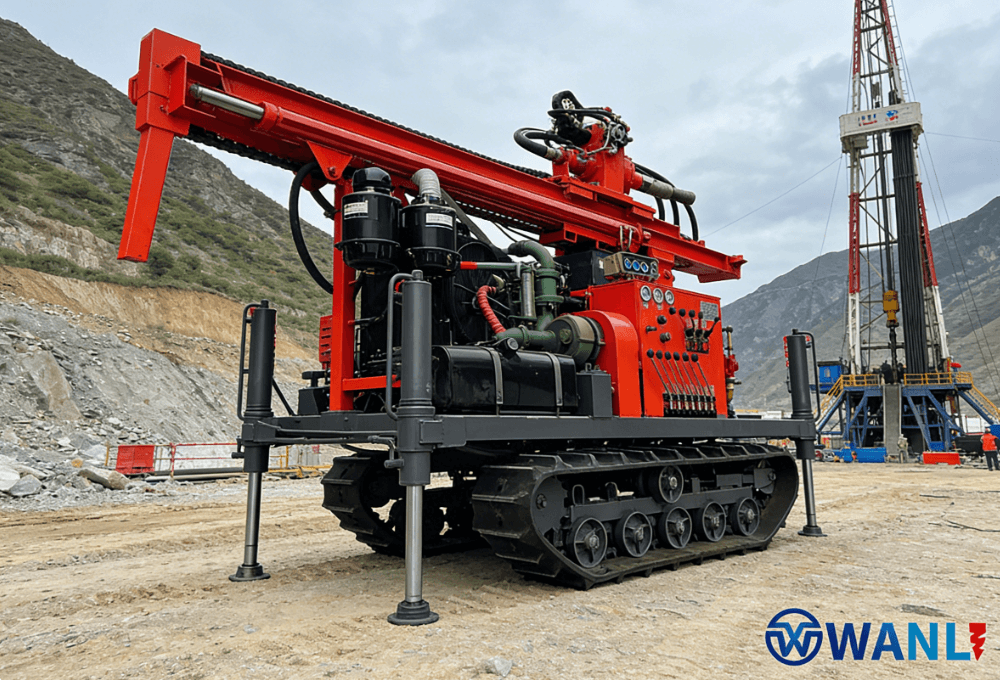
Evaluating Technology in the Water Well Drilling Machine Sector
Why does the technology of your water well drilling machine matter so much in the current market? Clients now demand faster completion times and more detailed geological reports. Integrated data logging systems in new rigs provide real-time feedback on soil strata. This information is vital for selecting the correct screen placement and well development techniques. Older machines simply cannot provide the data required for modern groundwater management projects.
Structural Integrity and Material Quality
Newer models of the water well drill machine use high-strength alloy steels for masts and frames. These materials offer better fatigue resistance than the heavy cast irons used in the past. Lighter, stronger frames allow for larger drilling capacities on smaller truck or crawler chassis. This improves the portability of the rig for remote agricultural or domestic projects. Enhanced durability means a longer service life and better resale value in the future.
Advanced Hydraulic Circuitry
The sophisticated hydraulic circuits in a modern water well drilling rig machine utilize load-sensing technology. This ensures that power is only delivered where it is needed, reducing heat buildup and energy waste. Proportional valves allow for smooth, jerk-free movements during sensitive drilling phases. This precision is critical when installing delicate PVC casing in deep wells. Old-fashioned gear pumps and manual valves cannot offer this level of refined control.
Evaluating Your Next Water Well Drilling Rig
Selecting a new water well drilling machine requires a clear understanding of your target depth and soil conditions. You should look for rigs that offer modular options for air and mud drilling to maximize your project versatility. A professional manufacturer provides comprehensive training and long-term technical support for their hardware. Assessing the lift capacity and torque ratings helps ensure the machine matches your contract requirements. You can browse high-performance models at the Wanli water well drilling rig category to compare specific technical parameters.
Furthermore, consider the mobility of the rig and its ease of transport between sites. Crawler-mounted units are excellent for off-road agricultural projects, while truck-mounted rigs offer speed for residential contracts. Verify that the hydraulic system is compatible with standard industry hammers and bits. A well-engineered machine will feature a centralized control panel for ease of operation. Checking the manufacturer’s track record in the B2B sector ensures you receive a reliable asset for your business.
Summary
To determine if your water well drilling machine is outdated, evaluate its fuel efficiency, maintenance costs, and safety features. An obsolete rig increases project timelines and labor costs while risking operator safety. Modern hydraulic systems and automated rod handling provide a significant competitive advantage in the B2B sector. Upgrading ensures your business can handle deeper, more complex drilling projects with higher profitability.
1. What are the signs of a failing hydraulic system in a water well drill machine?
Slow rotation, overheating, and erratic movements are common signs of hydraulic failure. A modern water well drilling machine uses load-sensing hydraulics to maintain constant pressure and prevent these performance issues.
2. How does a new water well drilling rig machine save on fuel?
Newer machines use electronically controlled engines and efficient hydraulic pumps that only draw power when needed. Tier 4 engines reduce fuel consumption by up to 25% compared to legacy mechanical diesel motors.
3. Is automation necessary for a water well drilling machine?
While not strictly required, automation significantly reduces labor costs and increases safety for the crew. Automated rod loaders and breakout tools prevent common injuries and allow for faster pipe connections during deep well projects.
4. What drilling depth can a modern water well drilling machine reach?
Depending on the model, modern rigs can easily reach depths between 200 and 600 meters. High-torque rotary heads and heavy-duty winches are essential for maintaining speed at these significant depths.
5. How long should a water well drilling rig machine last?
With proper maintenance, a high-quality rig can last for 15 to 20 years. However, technological obsolescence usually happens within 10 years as newer, more efficient machines enter the market and change project economics.
Reference Sources
National Ground Water Association (NGWA) – Drilling Safety and Standards
DCDMA (Diamond Core Drill Manufacturers Association) – Technical Resources
American Society of Civil Engineers (ASCE) – Geotechnical Engineering Standards