Modern energy extraction projects face increasing technical difficulties as wells reach greater depths and more complex formations. Managing these drilling challenges solutions requires a deep understanding of fluid dynamics, mechanical stresses, and geological unpredictability. Operators must balance cost-efficiency with safety to ensure project viability.
Drilling operations often encounter unexpected subsurface pressures that can lead to catastrophic equipment failure if not managed correctly. Engineers rely on real-time data to adjust parameters and maintain borehole stability. Successfully navigating these hurdles determines the overall success of the energy extraction process.
How to Overcome Common Drilling Challenges Solutions in Deep Wells
One of the most persistent issues in deep-well operations is lost circulation, which occurs when drilling fluid enters permeable formations. Statistics indicate that lost circulation accounts for approximately 10% to 12% of total non-productive time in offshore projects. This loss of hydrostatic pressure can trigger a secondary crisis known as a blowout.
To solve this, experts recommend using high-quality bridging agents and specialized lost circulation materials. These substances plug the fractures in the rock wall effectively. Maintaining the correct drilling fluid weight is essential to balance formation pressure without fracturing the borehole.
Preventing Pipe Sticking and Mechanical Delays
Another significant hurdle is pipe sticking, which often results from differential pressure or poor hole cleaning. Research shows that differential sticking contributes to nearly 25% of all pipe-related delays in deviated wells. Increasing the lubricant concentration in the mud and ensuring consistent rotation can mitigate this risk.
| Challenge | Primary Cause | Expert Solution |
| Lost Circulation | Highly permeable rock formations | Use LCM and optimize fluid density |
| Pipe Sticking | Differential pressure or debris | Enhance mud lubricity and hole cleaning |
| Bit Wear | Hard, abrasive rock strata | Select high-grade diamond or PDC bits |
| Borehole Instability | Chemical reactions or pressure | Use inhibited mud systems and liners |
Managing Mechanical Failures and Drilling Challenges Solutions
Mechanical failures often stem from severe vibration and high torque during the rotation process. Excessive vibration can reduce the lifespan of downhole tools by up to 50% if left unaddressed. These vibrations are categorized into axial, lateral, and torsional modes, each requiring a specific mechanical adjustment.
Selecting the right bottom hole assembly components is a critical drilling challenges solutions strategy for vibration control. Shock subs and hydraulic thrusters help absorb energy before it reaches sensitive sensors. Proper weight-on-bit management ensures that the drill string remains within safe operating limits.
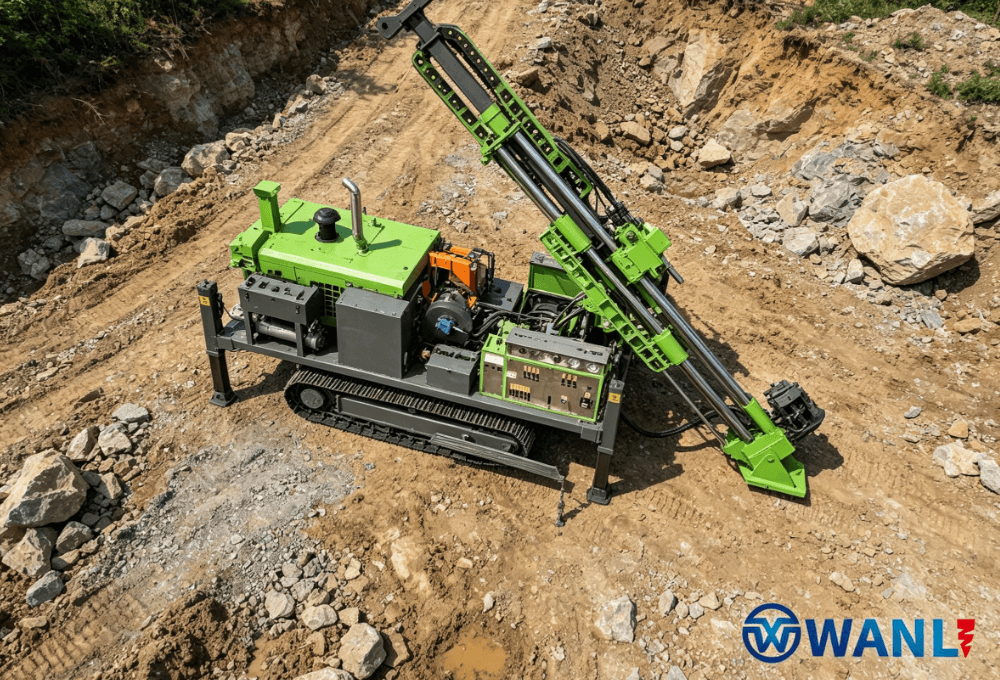
Environmental Factors and Fluid Efficiency
Environmental conditions, such as extreme temperatures and high-pressure zones, complicate the selection of hardware. In high-pressure high-temperature wells, temperatures can exceed 200°C, causing standard seals to fail. These environments demand specialized elastomers and high-spec mechanical components.
Operational efficiency is also hindered by poor hole cleaning, where rock cuttings accumulate in the wellbore. If cuttings are not removed, they increase torque and prevent the drill bit from making progress. Increasing the flow rate and optimizing mud viscosity are the primary methods to ensure clear pathways.
| Parameter | Impact of Failure | Scientific Standard/Solution |
| Mud Viscosity | Poor debris removal | Maintain 45-60 sec/quart Funnel Viscosity |
| Rotation Speed | Increased mechanical wear | Optimize RPM based on formation hardness |
| Temperature | Seal and sensor failure | Use HPHT rated equipment (up to 250°C) |
Strategic Selection of High-Performance Drilling Equipment
Choosing the correct equipment is the most effective way to implement drilling challenges solutions before work begins. Decision-makers must evaluate the specific geological profile of their site to determine the required durability of their tools. Reliable hardware reduces the frequency of “tripping out” for repairs.
When evaluating a provider, consider the integration of advanced manufacturing processes and material science. Tools designed for high-stress environments typically feature reinforced joints and wear-resistant surfaces. This durability is vital for maintaining steady progress through abrasive strata.
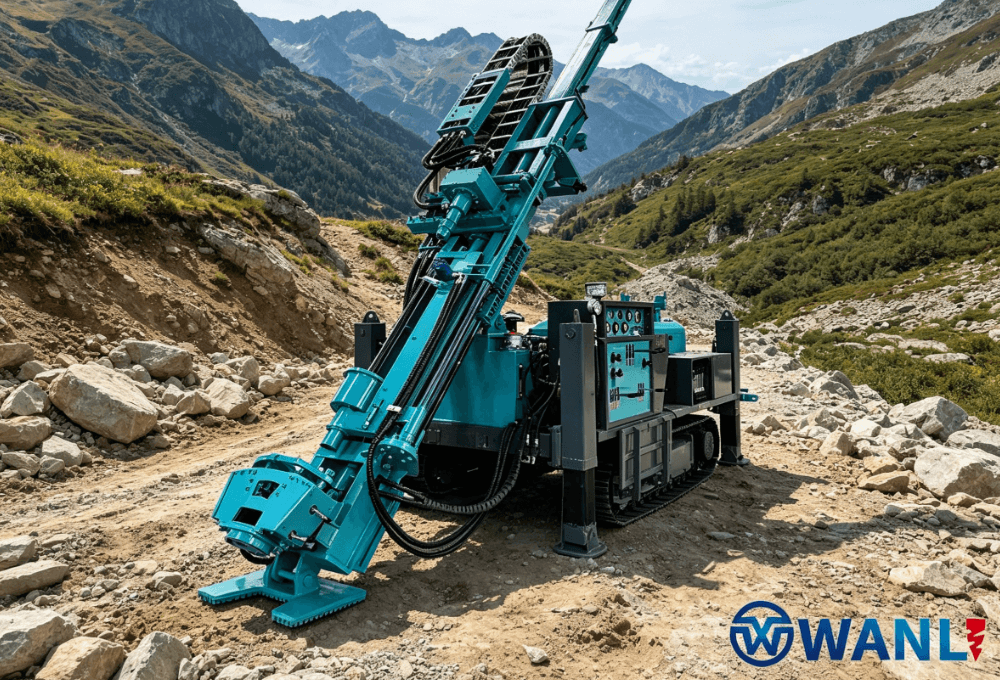
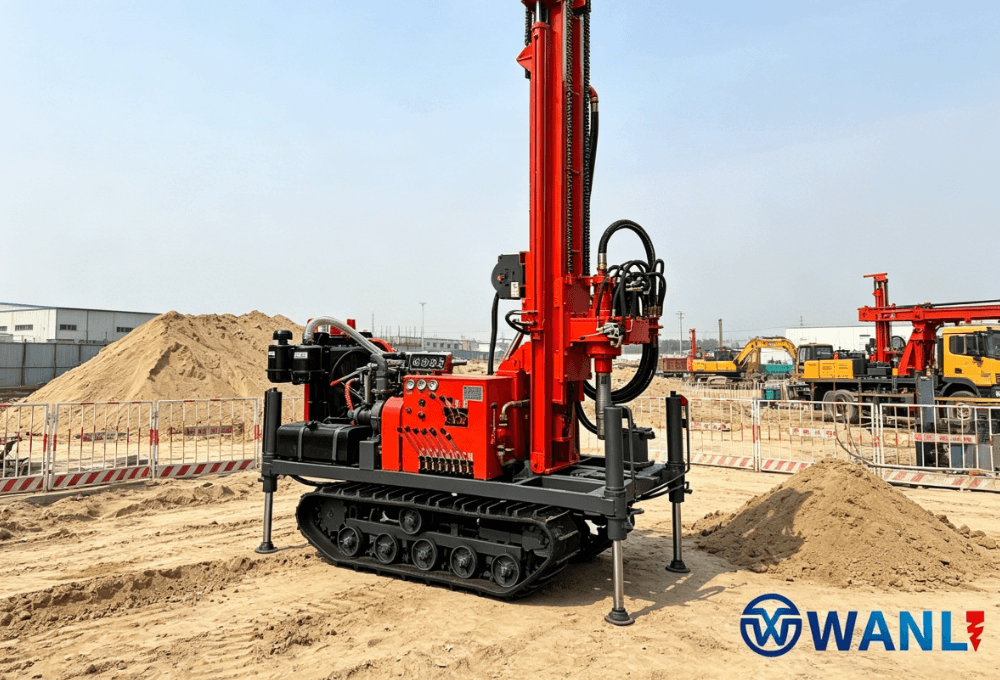
By selecting professional-grade components like those found in the Wanli specialized product catalog, operators ensure compatibility with international safety standards. High-performance parts allow crews to push the limits of depth and speed without compromising the integrity of the well. Investing in premium equipment often results in a 15% reduction in overall project duration by minimizing mechanical downtime.
Summary
Solving drilling challenges solutions requires a combination of advanced chemical engineering, mechanical precision, and strategic equipment selection. By addressing lost circulation, pipe sticking, and vibration with data-driven methods, operators can significantly reduce costs. The right tools and fluids are the foundation of any successful deep-drilling operation.
FAQ
1. What are the most common drilling challenges solutions for lost circulation?
The most effective solution is managing fluid density and using lost circulation materials. These methods prevent fluid from escaping into permeable formations and maintain borehole pressure.
2. How does pipe sticking affect drilling efficiency?
Pipe sticking increases non-productive time and can lead to expensive tool recovery operations. It is best solved by improving mud lubricity and ensuring the borehole is cleaned of debris.
3. Why is vibration control important in drilling operations?
Vibration control prevents premature tool failure and ensures the accuracy of downhole measurements. Using shock absorbers and optimizing rotation speeds are key strategies.
4. Can high-quality equipment prevent mechanical failures?
Yes, using equipment designed for high-stress environments significantly reduces the risk of corrosion and breakage. Premium materials extend the life of the drill string and components.
Reference Sources
IADC (International Association of Drilling Contractors) – Drilling Manual and Safety Standards
OSHA (Occupational Safety and Health Administration) – Oil and Gas Extraction Safety
API (American Petroleum Institute) – Standards for Drilling Equipment