Drilling projects in 2026 encounter increasingly complex geological hurdles. Success depends on identifying drilling operation problems solutions early in the project lifecycle. Engineers must manage unpredictable rock formations and intense mechanical stress. Modern equipment design plays a critical role in mitigating these operational risks. Specialized rigs now integrate sophisticated technology to handle high-pressure environments effectively. Understanding the intersection of design and performance is essential for every site operator.
Managing Borehole Instability and Rock Formations
Subsurface conditions vary significantly between different mining and construction sites. Operators frequently face issues like borehole instability or unexpected water ingress. These factors often lead to significant project delays and increased overhead costs. Drilling operation problems solutions start with understanding these physical limitations clearly. Hard rock formations cause excessive vibration in standard drilling equipment. This vibration leads to premature fatigue of critical drill string components.
Data from 2026 industrial reports indicate that vibration causes 30% of mechanical failures. High-frequency oscillations can damage sensitive hydraulic sensors and valves. Equipment designers address this by implementing advanced dampening systems. These systems isolate the rig frame from the impact energy of the hammer. This protection extends the life of the machine significantly. It also ensures consistent performance in the most abrasive geological layers.
Borehole collapse is another frequent issue in loose or sandy soil. Without proper support, the walls of the hole can cave in quickly. Modern rig designs incorporate powerful air compressors to maintain hole integrity. High-pressure air clears debris while providing a stabilization effect. This balance is crucial for maintaining the desired hole diameter. Consistent diameter is necessary for the subsequent installation of casings or explosives.
The Problem of Hole Deviation in Deep Penetration
Hole deviation is a primary concern in precision deep-hole applications. When a drill bit encounters sloping rock layers, it naturally wanders. This results in a crooked hole that complicates the entire operation. Advanced steering mechanisms are now integrated into modern rig designs to correct this. These systems ensure the bit maintains its intended vertical path. Precision in hole straightness is vital for structural integrity in infrastructure.
Research shows that even a 2-degree deviation can ruin a deep borehole. Modern rigs utilize rigid guide rails and heavy-duty stabilizers to prevent this. These components keep the drill string aligned during the initial penetration phase. Proper alignment reduces the lateral forces acting on the drill bit. This design choice results in straighter holes and less stress on the machine. Operators can now achieve a deviation rate of less than 1% over 50 meters.
Hydraulic feed control also plays a significant role in maintaining accuracy. Automatic pressure regulation prevents the bit from “jumping” when hitting hard inclusions. The system adjusts the feed speed based on the resistance of the rock. This creates a smoother drilling process with fewer interruptions. Constant pressure ensures the bit stays seated correctly in the rock face. It is a fundamental part of drilling operation problems solutions in 2026.
How Equipment Design Provides Drilling Operation Problems Solutions
Specific engineering choices directly impact how a rig performs under heavy pressure. For instance, Down-The-Hole technology places the hammer directly behind the drill bit. This design ensures that impact energy is not lost through the pipe string. It provides one of the most effective drilling operation problems solutions for hard rock. By minimizing energy dissipation, rigs maintain high penetration rates in tough terrain.
The table below illustrates how specific design features solve common field issues:
| Drilling Problem | 2026 Design Solution | Impact on Operation |
| Hole Deviation | Rigid Guide Rails | Improves borehole verticality by 20% |
| High Dust Levels | Integrated Dry Collectors | Reduces airborne particles by over 98% |
| Tool Wear | Tungsten Carbide Bits | Extends bit lifespan by 45% in granite |
| Energy Loss | Direct-Drive Hydraulics | Increases torque efficiency by 15% |
| Terrain Access | High-Clearance Chassis | Allows operation on slopes up to 30 degrees |
Mechanical Advantages of DTH Systems
The evolution of the internal hammer has revolutionized the global mining industry. Internal porting designs now optimize airflow to clear cuttings more effectively. Efficient flushing prevents the bit from getting bogged down in rock debris. This is a critical aspect of drilling operation problems solutions for deep holes. Faster removal of dust allows the bit to strike fresh rock surfaces. This cycle significantly boosts the overall meters drilled per work shift.
Modern DTH hammers in 2026 operate at pressures exceeding 2.5 MPa. This high pressure delivers more blow energy to the rock face. Increased energy translates directly into faster penetration speeds in hard basalt. Operators can complete projects up to 25% faster than with older technology. This efficiency gain reduces fuel consumption and labor costs simultaneously. It represents a major leap forward in sustainable drilling practices.
Furthermore, the modular design of hammers allows for quicker field maintenance. Technicians can replace internal wear parts without specialized workshop tools. This reduces the time the rig spends sitting idle during a project. Minimizing downtime is a core goal of any engineering design team. It ensures the equipment remains a productive asset for the company. Modular systems are now standard in high-end drilling equipment.
Hydraulic System Reliability and Thermal Management
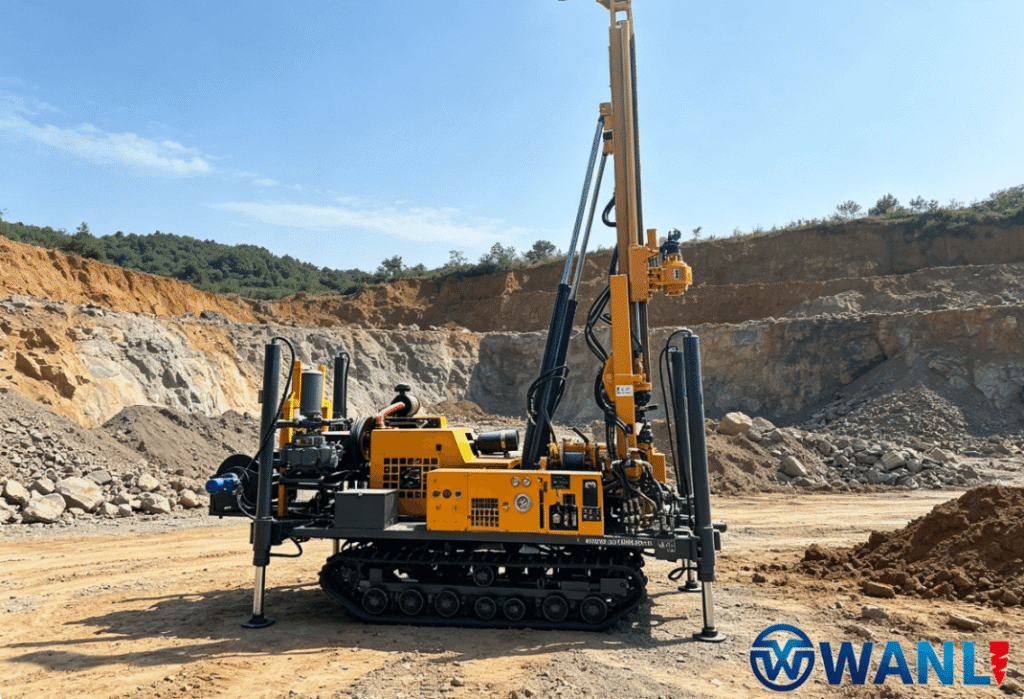
Hydraulic system configuration is a cornerstone of modern rig reliability and safety. Variable displacement pumps allow the operator to match power to rock hardness. This prevents over-stressing the engine during easier drilling phases. It also provides the necessary power boost when hitting high-density ores. Such adaptability is a key part of drilling operation problems solutions in the field. Intelligent valving reduces the shock loads transmitted to the rig frame.
Thermal management is essential for rigs operating in high-temperature environments. High friction generates intense heat during deep penetration tasks in 2026. If the design lacks efficient cooling, hydraulic seals will eventually fail. Contemporary rigs utilize high-capacity heat exchangers to maintain optimal fluid temperatures. This design choice prevents unexpected stops and extends the service life. It is vital for maintaining hydraulic pressure during long shifts.
The use of synthetic fire-resistant hydraulic fluids is also becoming more common. These fluids maintain their viscosity even under extreme thermal stress. This ensures that the pumps and motors operate at peak efficiency. Reliability in the hydraulic circuit prevents the sudden loss of rig control. Safety is always a priority when dealing with heavy machinery. Advanced filtration systems also keep the oil clean from microscopic rock dust.
Why is Advanced Design Crucial for Harsh Environments?
Operating in extreme cold or intense heat requires specialized rig adaptations. Hydraulic fluids must stay within a specific viscosity range to work correctly. Design features like pre-heating systems are essential for Arctic drilling conditions. Conversely, high-ambient cooling packages are used in desert mining operations. These adaptations ensure the drilling operation problems solutions remain effective regardless of weather. Reliability in any climate is a key requirement for modern rigs.
Safety and Environmental Design Innovations
Dust suppression is not just about cleanliness; it is a legal requirement. Advanced rigs utilize water injection systems to dampen fine particulates at the source. Alternatively, dry dust collectors use high-efficiency filters to trap harmful silica dust. This design prevents abrasive dust from entering the engine air intake. It also protects the lungs of everyone working on the drill site. Clean air contributes to the long-term durability of the entire rig.
Noise reduction is another area where design has made significant strides lately. Specialized mufflers on the air exhaust dampen the sound of the hammer. This is particularly important for construction near residential or urban areas. Design improvements in engine housing also contribute to a much quieter job site. Reducing noise pollution helps companies comply with strict 2026 environmental regulations. It creates a much safer working environment for the ground crew.
Automated “break-out” tools integrated into the rig frame save valuable time. These hydraulic clamps make adding or removing pipes much safer for workers. They eliminate the need for heavy manual wrenches and reduce injury risks. Speeding up the pipe-handling process keeps the project on its strict timeline. Efficiency in every motion is a hallmark of superior rig engineering. It ensures that safety is built directly into the daily workflow.
Preventing Drill Pipe Sticking and Breakage
Drill pipe sticking is a nightmare scenario for any site manager. It often occurs due to the buildup of thick filter cakes. Design solutions include high-torque rotation heads that break through these obstructions. These heads provide the force needed to pull the string out safely. This mechanical strength is a vital part of drilling operation problems solutions today. Operators also rely on high-pressure air to keep the hole annulus clear.
The metallurgy of drill pipes has seen massive improvements by 2026. High-strength alloy steels are used to resist both tension and compression. Tapered thread designs ensure a secure connection that withstands high RPMs. These connections prevent leaks that would reduce the flushing air pressure. Maintaining airtight seals is essential for the hammer to function correctly. Quality pipe design prevents the costly loss of expensive downhole tools.
| Performance Metric | Standard Rotary Rig | Advanced DTH Rig |
| Max Hole Depth | 40 Meters | 100+ Meters |
| Rock Hardness | Soft to Medium | Medium to Very Hard |
| Air Pressure | 0.7 MPa | 1.0 – 2.5 MPa |
| Impact Frequency | N/A | 800 – 1500 BPM |
Selecting the Ideal Equipment for Complex Terrains
Choosing the correct equipment involves analyzing the specific geology of your site. You must evaluate the required hole diameter against the rig’s compressor capacity. If the air volume is too low, cuttings will not clear. This leads to overheating and potential tool failure in deep-hole applications. Proper matching is the first step in implementing drilling operation problems solutions. Site managers should prioritize machines that offer versatility in different rock types.
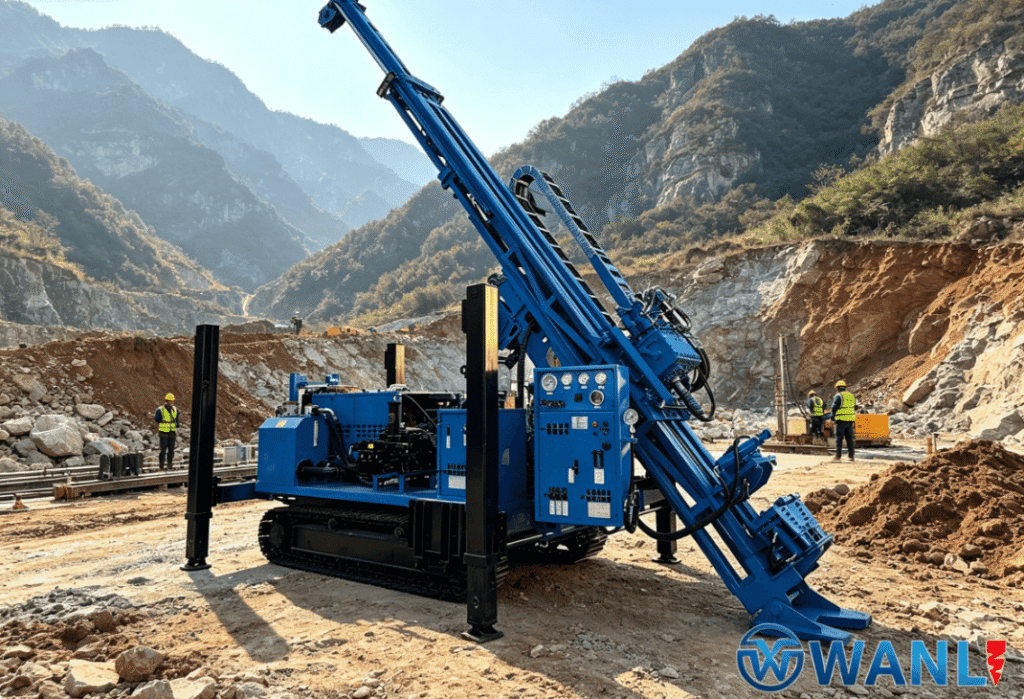
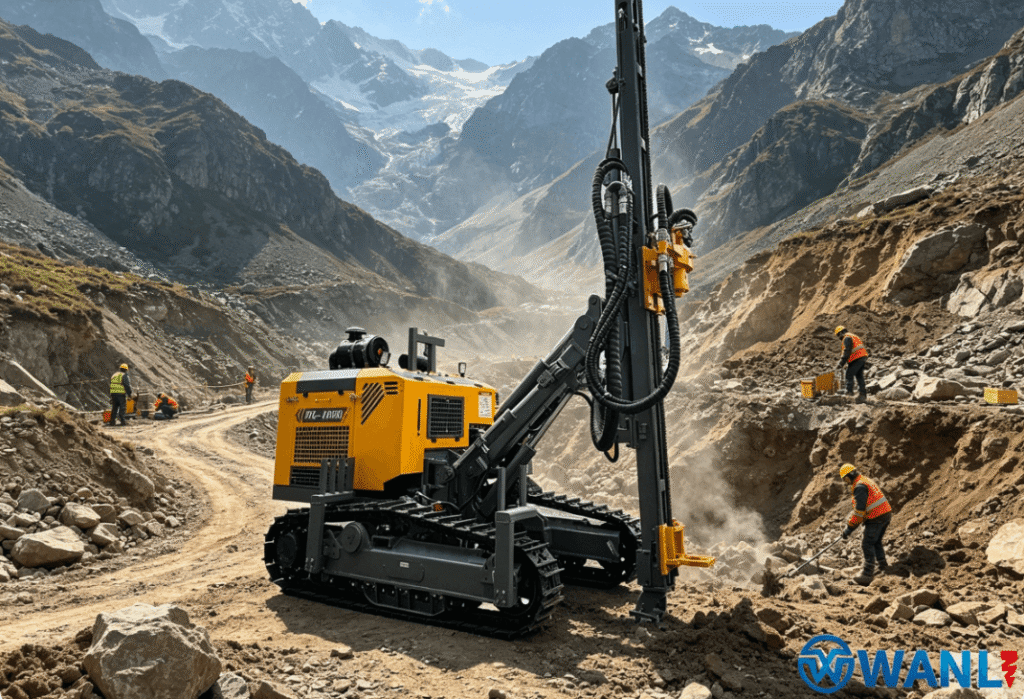
Reliability should be prioritized over the lowest initial purchase price. A cheaper rig often lacks the robust hydraulic cooling needed for work. Assessing the crawler system is also vital for projects on uneven terrain. A wide, heavy-duty undercarriage provides the stability needed for safe drilling. For high-efficiency mining, exploring a specialized down the hole drilling rig offers a proven path to project success. These machines are engineered to handle the most demanding environments found in 2026.
Consider the availability of technical support when making an equipment choice. Even the best-designed rig will eventually require maintenance and new parts. A manufacturer with a global support network ensures that downtime is minimal. Look for rigs with modular designs that allow easy access to engines. Simple maintenance procedures mean your team can perform repairs quickly. This logistical support is a core component of effective drilling operation problems solutions.
Summary
Modern drilling equipment solves operational problems through targeted engineering and robust 2026 design. By integrating high-pressure hammers and advanced hydraulic controls, rigs overcome hard rock and precision issues. Choosing equipment with these features ensures higher efficiency, reduced downtime, and improved safety for every drilling project in the field.
FAQ
1. What are the most common drilling operation problems?
The most frequent issues include hole deviation, stuck drill pipes, and excessive tool wear. These problems often stem from difficult geological conditions or using mismatched equipment for the rock hardness. Advanced drilling operation problems solutions involve using rigs with automatic pressure regulation and high-torque heads.
2. How does DTH drilling solve energy loss issues?
DTH drilling places the hammer directly behind the bit, which minimizes energy loss significantly. Unlike top-hammer drilling, the impact force does not have to travel through the entire drill string. This design ensures that maximum energy is delivered to the rock face for faster penetration.
3. Why is dust collection important in drilling design?
Dust collection protects the health of the crew by reducing silica exposure and prevents environmental contamination. It also protects the rig’s internal components from premature wear caused by abrasive particles. Modern 2026 systems utilize both wet and dry methods to achieve 98% collection efficiency.
4. Can rig design prevent drill pipe breakage?
Yes, rigs with high-quality hydraulic shock absorbers and high-strength alloy pipes can reduce breakage. Automated torque controls also prevent over-stressing the pipe connections during difficult operations. These features ensure that the drill string remains intact even under high pressure.
Reference Sources
International Association of Drilling Contractors (IADC)