Geological exploration equipment refers to a specialized set of tools. These instruments allow scientists to study the Earth’s interior. They are vital for finding minerals, oil, and water.
In the year 2026, these machines have become highly advanced. They range from portable sensors to massive drilling platforms. Each piece of equipment serves a unique investigative purpose.
The primary goal is to gather subsurface data. Engineers use this information to create detailed underground maps. This process reduces the risks associated with large-scale excavation.
Modern mining relies heavily on geological exploration equipment. Without these tools, identifying profitable ore bodies would be impossible. Technology ensures that exploration is both fast and accurate.
Reliability is a key feature of this machinery. These tools must operate in extreme and remote environments. They withstand high pressure, heat, and abrasive rock conditions.
What is the Primary Role of Geological Exploration Equipment?
The most critical role is retrieving physical samples. These samples show the chemical composition of the ground. This data determines if a site is worth mining.
Another function is geophysical surveying of the terrain. Specialized sensors detect magnetic and electrical anomalies underground. This helps pinpoint the exact location of mineral deposits.
Drilling is the most direct method used today. High-performance rigs can penetrate deep into the Earth’s crust. They provide a physical record of geological history.
The Science of Subsurface Sampling
Sampling requires extreme precision to avoid data errors. Modern systems ensure that samples remain uncontaminated during retrieval. This is essential for accurate laboratory analysis of minerals.
In 2026, digital sensors track every millimeter of progress. These sensors provide real-time feedback to the equipment operators. It allows for immediate adjustments during the drilling process.
High-quality sampling leads to better financial decisions. Companies can estimate the total volume of resources accurately. This scientific approach minimizes wasted investment in barren land.
Mapping and Geophysical Analysis
Geophysical tools visualize structures without any initial digging. They use seismic waves or magnetic fields to see deep. This non-invasive stage is crucial for environmental protection.
These tools help engineers identify potential geological hazards. Detecting underground cavities or fault lines improves project safety. It prevents accidents during the subsequent construction phase.
Combining physical samples with geophysical maps is standard. This dual approach provides a 360-degree view of the site. It is the foundation of modern geological engineering.
What are the Main Types of Geological Exploration Equipment?
There are several categories of exploration machinery available. Each type is designed for a specific geological environment. Selection depends on rock hardness and target depth.
Geological exploration equipment is often classified by drilling method. The most common methods include percussion and rotary drilling. Each method offers different advantages for the user.
Professional teams often use a combination of rigs. This ensures they can handle any ground condition encountered. Flexibility is key to a successful exploration campaign.
Understanding Reverse Circulation Systems
Reverse circulation technology is widely used for mineral mapping. These systems utilize a dual-wall drill pipe design. Compressed air drives the cuttings to the surface.
This method is famous for its high sampling speed. It prevents the sample from touching the borehole walls. You can find high-performance RC reverse circulation drilling rigs for large-scale mining projects.
RC rigs are excellent for fragmented or soft rock. They produce large volumes of chips for quick analysis. This makes them a cost-effective choice for early-stage exploration.
Exploring Down-the-Hole Technology
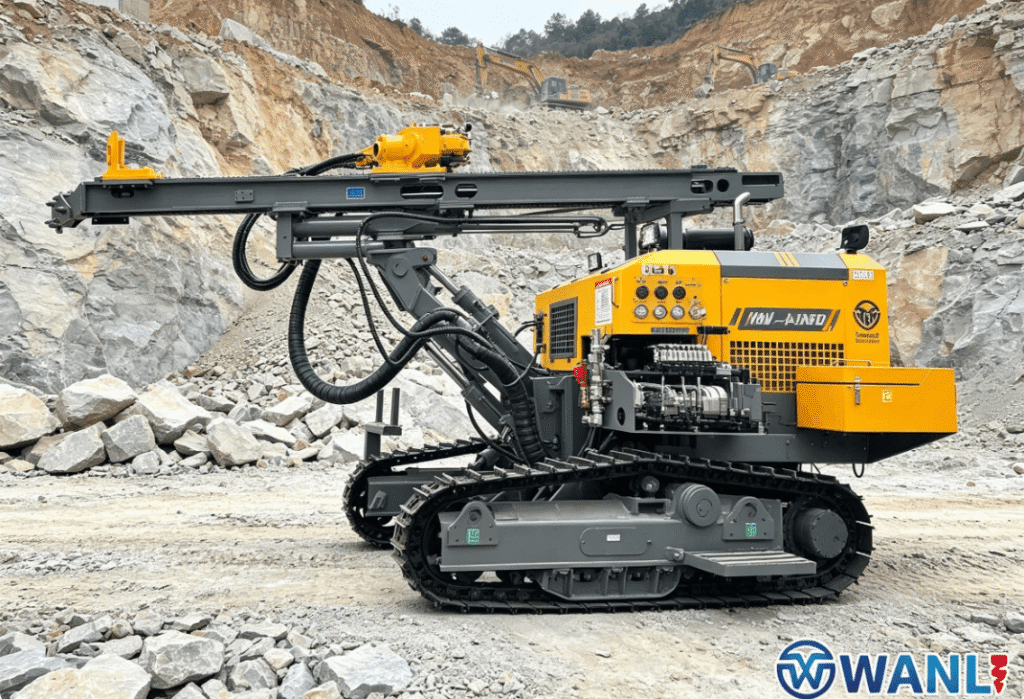
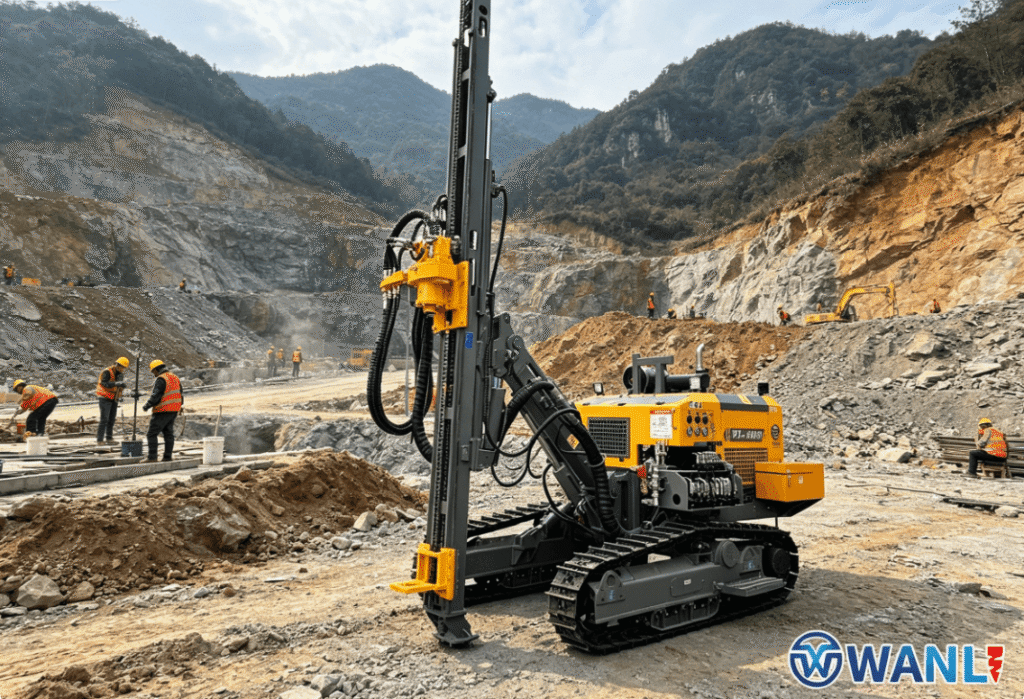
Down-the-hole technology places the hammer at the bit. This ensures maximum energy transfer directly to the rock. It is the most efficient way to drill hard formations.
The impact force remains constant regardless of the depth. Many professionals choose down the hole drilling rigs for granite and basalt. They are known for creating very straight holes.
These rigs are compact and easy to move. They are ideal for quarrying and infrastructure development. Their durability makes them a favorite for harsh mountain sites.
The Role of Core Drilling Machinery
Core drills extract solid cylinders of rock from the ground. They use hollow bits encrusted with industrial-grade diamonds. This provides a perfect visual record of the strata.
Geologists prefer core samples for detailed structural analysis. They can see the exact orientation of mineral veins. This information is critical for complex mining designs.
While slower than other methods, the data is superior. Core drilling is often the final step in resource verification. It provides the highest level of geological certainty.
| Equipment Type | Rock Type Suitability | Sampling Method | Maximum Depth (2026) |
| RC Rig | Soft to Medium Hard | Rock Chips | 500 Meters |
| DTH Rig | Very Hard Rock | Dust and Chips | 350 Meters |
| Core Rig | All Rock Types | Solid Core | 2,000 Meters |
What are the Technical Specifications of Exploration Rigs?
Technical data determines the performance of any drilling rig. Engineers look at torque, lifting capacity, and air pressure. These metrics define the limits of the machinery.
In 2026, a standard RC rig might offer 8,000 Nm torque. This power is necessary to rotate pipes at depth. Lifting capacity often exceeds 15 tons for deep-hole applications.
Air compressors are the heart of pneumatic drilling systems. A typical high-pressure compressor reaches 2.5 to 3.5 MPa. This pressure ensures that cuttings reach the surface quickly.
Power Systems and Hydraulic Efficiency
Modern rigs utilize advanced hydraulic systems for all movements. These systems allow for smooth and precise control of the bit. Efficiency has improved by 20% compared to older models.
Engine power is another critical specification for site managers. Most medium rigs use diesel engines with 150-300 horsepower. These engines must meet strict 2026 emission standards.
Efficient power distribution reduces fuel consumption on remote sites. This lowers the overall carbon footprint of the project. It also extends the runtime between refueling intervals.
Mobility and Terrain Adaptability
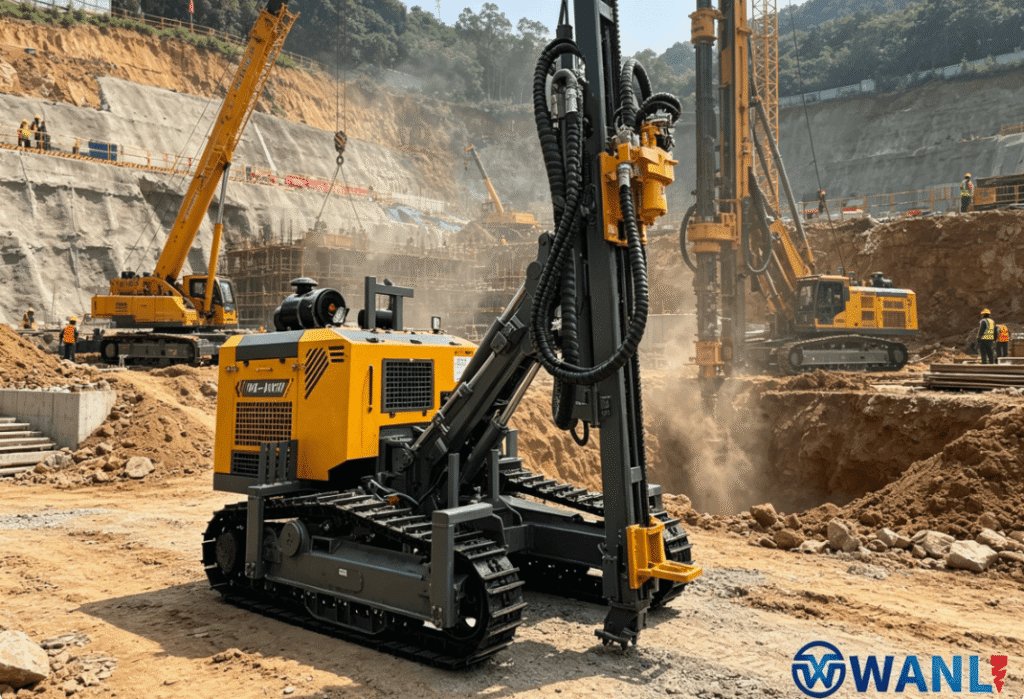
Most geological exploration equipment is mounted on crawler tracks. These tracks allow the rig to climb steep slopes. They provide stability on soft or uneven ground.
Some rigs are designed to be modular for transport. They can be broken down into smaller components easily. This allows for transport by small trucks or helicopters.
Ground pressure is a vital metric for environmental safety. Rigs with wide tracks distribute weight more evenly. This prevents damage to sensitive vegetation in protected areas.
How to Determine the Best Equipment for Your Project?
Choosing the right geological exploration equipment requires deep analysis. You must first understand the hardness of the rock. Harder formations usually require percussion-based DTH systems.
Depth is the second most important factor to consider. RC rigs are excellent for shallow to medium depths. If you need to go beyond 600 meters, core rigs are better.
The required sample quality also dictates the final choice. If you only need mineral grades, RC chips suffice. For structural mapping, solid cores are a strict requirement.
Budget constraints always play a role in equipment selection. RC drilling is generally cheaper per meter than core drilling. However, the data value of cores might justify the cost.
Always check the availability of spare parts for your rig. Using specialized machines in remote areas can be risky. Reliable manufacturers provide extensive support for their exploration fleets.
Consider the skill level of your operating crew. Some advanced rigs require specialized training to operate safely. Simple DTH systems are often easier for local teams to master.
Environmental regulations may limit your equipment choices in 2026. Some regions require silenced compressors to reduce noise pollution. Others might demand dust collection systems on every rig.
Finally, evaluate the long-term versatility of the machine. A rig that handles both DTH and RC is valuable. This “multipurpose” capability saves money on diverse exploration sites.
Summary
Geological exploration equipment is the most essential tool for modern resource discovery. These machines provide the data needed to build safe and profitable mines. By selecting the right RC or DTH rig, companies can ensure accurate sampling and efficient project timelines in 2026.
FAQ
1. What is the best equipment for hard rock drilling?
DTH drilling rigs are the best choice for hard rock. They use a hammer that strikes the rock directly at the bottom of the hole. This ensures high penetration rates even in granite or basalt.
2. Can RC drilling rigs collect samples without contamination?
Yes, RC rigs use a dual-tube system to protect the sample. The cuttings travel through an inner tube and never touch the borehole wall. This provides a very pure sample for mineral analysis.
3. How deep can modern exploration equipment reach?
Depth capacity depends on the specific rig and the drilling method. Portable DTH rigs often reach 300 meters deep. Specialized core drilling rigs can reach over 2,000 meters in solid formations.
4. Why is air pressure important in geological exploration?
Air pressure is used to power the drilling hammer and lift cuttings. High pressure ensures that the hole stays clean and the bit stays cool. It is critical for maintaining high drilling speeds.
5. What are the environmental impacts of using this equipment?
Modern equipment is designed to minimize its impact on the environment. Features like low-pressure tracks and dust collectors help protect the site. In 2026, most rigs also focus on fuel efficiency.
Reference Sources
U.S. Geological Survey (USGS) Mineral Exploration Data and Technology Standards
British Geological Survey (BGS) Guidance on Drilling and Subsurface Sampling
International Society for Rock Mechanics and Rock Engineering (ISRM) Technical Reports
Mining Association of Canada (MAC) Environmental Excellence in Exploration Protocols