Down-the-hole drilling remains a powerful method for mining and construction in 2026. It utilizes high-pressure compressed air to drive a hammer at the hole bottom. This process creates significant physical forces that require strict operational control. Maintaining DTH drilling safety is crucial for protecting personnel on any site. It also prevents expensive equipment damage and avoids project delays.
Operators must understand the unique mechanical demands of these specialized systems. Unlike top-hammer drilling, the impact energy is generated directly behind the bit. This efficiency increases productivity but introduces specific risks related to air pressure. A systematic approach to safety can reduce the likelihood of incidents significantly. Organizations that prioritize these protocols often see lower insurance and operating costs.
Modern drilling environments demand the highest standards of professional risk management. Teams must follow industry best practices to ensure every project remains secure. This article explores the critical steps required for a safe drilling environment. We will cover everything from pressure management to site preparation and maintenance.
Why Is DTH Drilling Safety Critical for Modern Projects?
The primary risks in drilling involve high-pressure compressed air and mechanical failure. Most DTH systems in 2026 operate at pressures between 15 and 35 bar. An uncontrolled release of this air can cause severe physical trauma. DTH drilling safety starts with recognizing the energy stored in these pneumatic lines. Sudden hose failures can lead to unpredictable and violent “whipping” actions.
Mechanical entanglement is another common risk with rotating drill strings. Loose clothing or jewelry can get caught in the rotating machine parts. Operators must maintain a safe distance from the mast during rotation. Statistics from 2026 suggest that many failures stem from inadequate pre-shift inspections. Regular checks prevent small mechanical issues from becoming major safety hazards.
Noise and dust are secondary but equally dangerous hazards for drillers. DTH hammers often generate noise levels exceeding 115 dB(A) during operation. Prolonged exposure without protection leads to permanent hearing impairment. Furthermore, crystalline silica dust poses long-term respiratory risks to the entire crew. Effective management of these environmental factors is a core safety requirement.
| Hazard Category | Specific Risk Factor | Impact Level (1-10) |
| Pneumatic | High-pressure hose burst | 10 |
| Mechanical | Rotating drill rod contact | 9 |
| Health | Silica dust inhalation | 8 |
| Auditory | High-frequency hammer noise | 7 |
| Stability | Rig tipping on soft ground | 9 |
How to Establish a Comprehensive DTH Drilling Safety Protocol?
A robust safety protocol begins with comprehensive training for all staff. Every crew member must understand the mechanics of their specific rig. Training should cover emergency shutdown procedures and control valve operations. Well-trained operators are the first line of defense against human error. In 2026, digital simulations are often used to train for emergency scenarios.
Implementing Pre-Operational Checklists
Mandatory pre-operational inspections are essential for DTH drilling safety on every shift. Operators should check all hydraulic hoses for signs of leaks or wear. It is critical to verify that safety pins and whip-checks are secure. These devices prevent hoses from flailing if a coupling fails under pressure. Never start the compressor until every connection is visually confirmed as locked.
Managing the Drilling Exclusion Zone
Establishing a clear “exclusion zone” around the rig prevents unauthorized access. The size of this zone depends on the height of the mast. Typically, the zone should extend 1.5 times the mast height in all directions. This precaution protects workers from falling objects or mechanical failures. Use high-visibility tape or barriers to mark this boundary clearly.
Communication and Hand Signals
Clear communication between the driller and helpers is vital for safety. Standardized hand signals ensure everyone understands the machine’s next movement. Radios are also helpful, but they can fail in high-noise environments. Confirm that all personnel know the signal for an immediate emergency stop. Consistent communication prevents accidents during rod changes and equipment positioning.
| Safety Protocol | Action Required | Responsibility |
| Daily Briefing | Review site hazards and tasks | Site Supervisor |
| Connection Check | Verify whip-checks and pins | Lead Driller |
| Zone Control | Clear non-essential personnel | Safety Officer |
| Dust Control | Activate water or vacuum systems | Operator |
Essential Equipment Maintenance for Enhancing DTH Drilling Safety
Proper maintenance is directly linked to the reliability of all safety systems. A well-maintained machine is much less likely to experience a catastrophic failure. Maintenance schedules must follow the manufacturer’s recommendations for 2026 equipment. Pay particular attention to the hydraulic system and the rotation motor. Regular oil analysis can detect internal wear before a component breaks.
Inspecting the Drill String Components
The drill string components require frequent inspection for cracks or thread wear. Worn threads on drill pipes can lead to rod separation. This creates a dangerous situation when retrieving tools from the hole. Operators should use high-quality thread grease to prevent galling and ensure smooth connections. Replace any rods that show signs of significant thinning or deformation.
Chassis Stability and Leveling
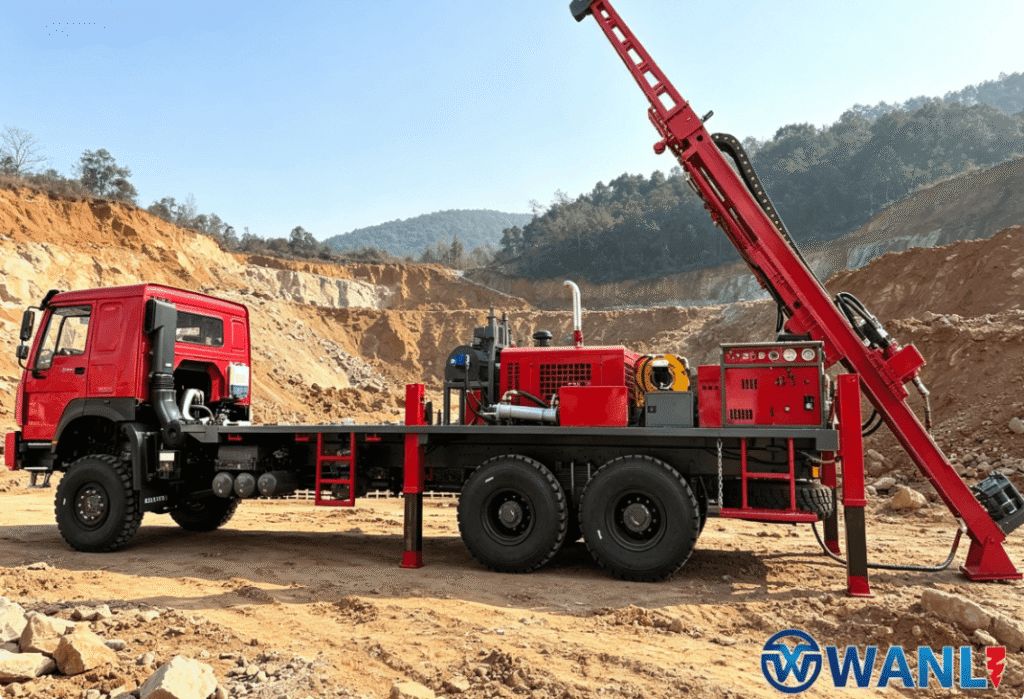
For any mobile operation, the chassis stability is a primary safety concern. Outriggers must be fully extended and supported by stable ground or pads. Leveling the rig prevents uneven stress on the structural frame. It also reduces the risk of the machine tipping during high-torque operations. Regularly checking the structural integrity of the frame is a vital safety habit.
Hammer Lubrication and Internal Safety
Lubrication of the DTH hammer impacts both safety and tool performance. Insufficient lubrication causes the internal piston to seize or shatter. This may lead to metal fragments being ejected through the drill string. Automated lubrication systems help maintain consistent oil flow to the down-hole tools. Ensure the rock drill oil is appropriate for the current ambient temperature.
Managing Environmental and Geological Hazards
Site preparation plays a massive role in DTH drilling safety and success. The drilling platform must support the weight of the rig and auxiliary units. In soft or uneven terrain, you may need to construct a reinforced pad. Avoiding overhead power lines and underground utilities is a critical part of planning. Always perform a “one-call” utility check before breaking ground.
Weather and Lighting Conditions
Weather conditions can change the safety profile of a project very rapidly. High winds make raising or lowering the mast extremely dangerous. Heavy rain can cause soil erosion or mudslides around the rig’s base. Operators should stop work if lightning is detected within 10 miles. Resuming work only after the storm passes ensures the safety of everyone.
Controlling Silica Dust and Noise
Dust control is a health requirement and a safety necessity for visibility. Using water injection or dry collection systems reduces airborne particles significantly. The 2026 standards for silica exposure are strictly enforced to protect worker health. High-quality hearing protection is also mandatory for anyone within the noise zone. Constant monitoring of noise levels ensures that PPE remains adequate for the task.
| Environmental Risk | Mitigation Strategy | 2026 Standard |
| High Wind | Lower mast and secure rig | Stop at 45 km/h |
| Night Work | Install LED site lighting towers | Min 50 lux |
| Silica Dust | Use dust collectors or foam | < 50 µg/m³ |
| Unstable Soil | Use large timber or steel pads | Engineer certified |
How to Select the Ideal Equipment for Safe Operations?
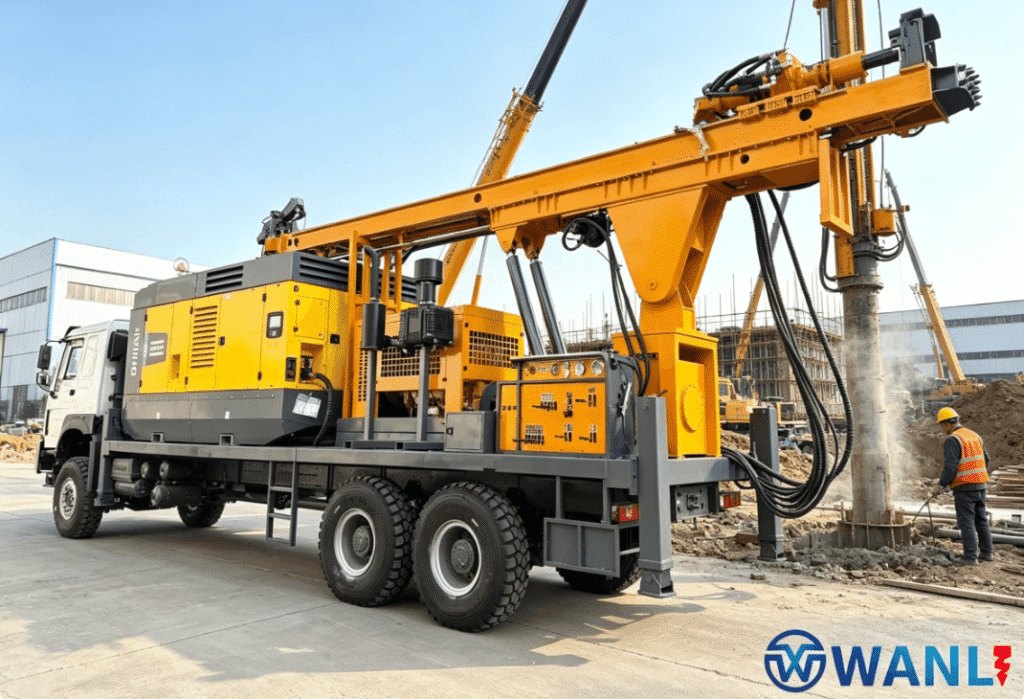
Choosing the correct machine for a specific job is a fundamental safety decision. A high-quality down-the-hole drilling rig provides superior stability on rough terrain. These machines are engineered to handle the intense vibrations of high-pressure hammer work. Selecting a rig with integrated safety cages can prevent accidental contact with rotating parts. Always match the rig’s pull-back capacity to the expected hole depth.
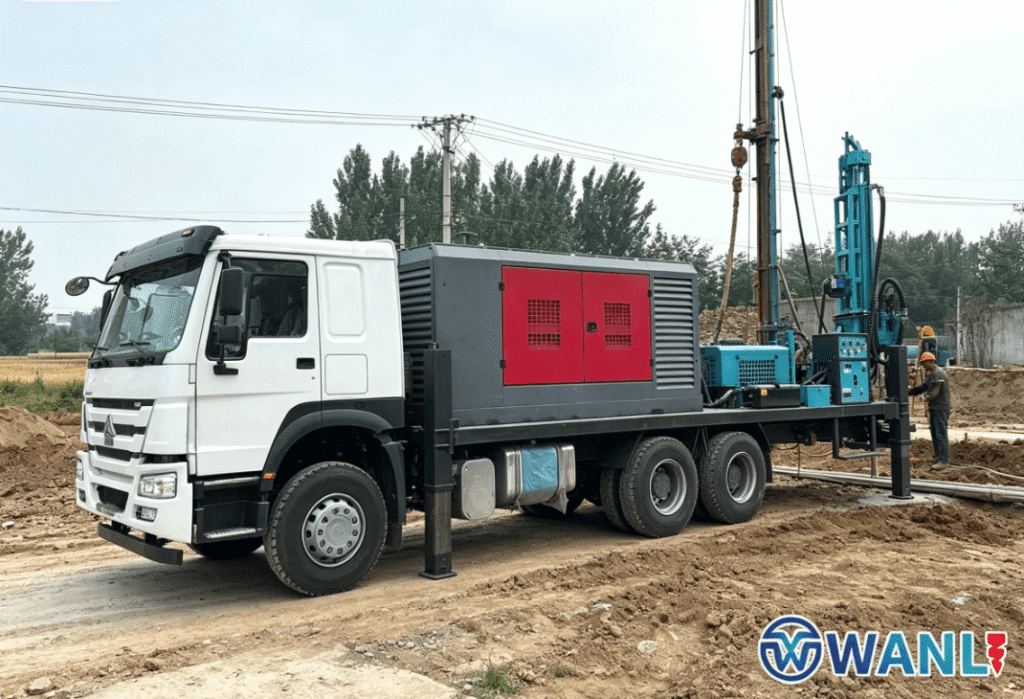
If your project requires frequent travel, a vehicle-mounted drilling rig offers the best mobility. These units must be checked for roadworthiness and weight distribution before transport. The transition from transport mode to drilling mode is a critical safety window. Ensure that all locking pins are engaged before the mast is raised. Quality equipment from 2026 manufacturers often includes electronic sensors to verify these locks.
When assessing new equipment, prioritize rigs that offer remote control operation options. Operating from a distance keeps the driller away from high-noise and high-pressure zones. Modern ergonomic cabin designs also reduce operator fatigue during long shifts. A focused and comfortable operator is much less likely to make dangerous errors. Investing in advanced equipment is an investment in the long-term safety of your crew.
Reliable support and spare parts availability are also important for maintaining safety. Using genuine manufacturer parts ensures that the rig operates within its design limits. Operators should choose suppliers who provide detailed manuals and safety guidance. This support helps teams maintain their equipment in peak condition for every new job. Proper equipment selection is the foundation of a successful safety culture.
Summary
Ensuring DTH drilling safety requires a blend of quality equipment, strict maintenance, and clear protocols. By managing air pressure risks and environmental hazards, teams can prevent most site accidents in 2026. Prioritizing operator training and equipment stability ensures that every project remains productive and secure for everyone involved.
FAQ
1. What is the most common cause of accidents in DTH drilling?
The most common causes involve high-pressure hose failures and contact with rotating machinery. Regular inspections of hoses and the use of safety whip-checks are the best ways to prevent these incidents.
2. How often should I test the emergency stop system?
You should test the emergency stop system at the beginning of every single shift. This ensures that the machine will shut down immediately if a dangerous situation arises during operation.
3. Why is dust control considered a critical safety measure in 2026?
Dust control is critical because silica dust causes permanent lung damage and reduces visibility on-site. Poor visibility makes it difficult for the operator to see moving parts or other personnel.
4. What are the wind speed limits for operating a drilling mast?
Most manufacturers recommend lowering the mast when wind speeds exceed 45 to 50 km/h. Always consult your specific machine’s manual for the exact safety limits regarding wind and weather.
5. Can I use standard hydraulic hoses for high-pressure air lines?
No, you must only use hoses specifically rated for high-pressure compressed air and the relevant temperatures. Standard hydraulic hoses may fail prematurely when exposed to the high heat of compressed air.
Reference Sources
OSHA Occupational Safety and Health Administration
MSHA Mine Safety and Health Administration