Selecting the right coring drilling rig for geological exploration determines the success of your mineral project in 2026. This specialized equipment allows engineers to extract cylindrical rock samples from deep underground layers. These samples provide the primary data needed for mineral mapping and soil analysis.
A wrong choice often leads to high operational costs or technical failure in the field. Modern exploration demands high precision and consistent performance from every machine. You must evaluate specific geological conditions before committing to a purchase.
Efficiency depends on the harmony between your rig and the local environment. Geological exploration frequently occurs in remote or extremely difficult locations. Therefore, portability and setup speed are just as vital as maximum drilling depth.
What Factors Define the Best Coring Drilling Rig for Geological Exploration?
The most critical step involves evaluating the maximum required drilling depth for your site. Most coring drilling rigs are rated for specific depth capacities based on standard rod sizes. For example, a rig might reach 300 meters with NQ rods but only 200 meters with HQ rods.
In 2026, experts recommend choosing a machine that exceeds your target depth by 20%. This safety margin prevents engine strain and allows for unexpected geological variations. It also ensures the hydraulic system operates within its optimal efficiency range.
Which Power Source Fits Your Site?
Power sources significantly influence operational flexibility in remote exploration zones. Diesel engines remain the standard because they do not require an external power grid. These engines typically range from 20 kW for small units to 150 kW for deep-hole machines.
Electric motors are becoming more popular in 2026 for projects near existing infrastructure. They offer quieter operation and lower maintenance requirements compared to diesel. However, they are limited by the availability of high-voltage power on-site.
Why Does Mobility Matter for Difficult Terrains?
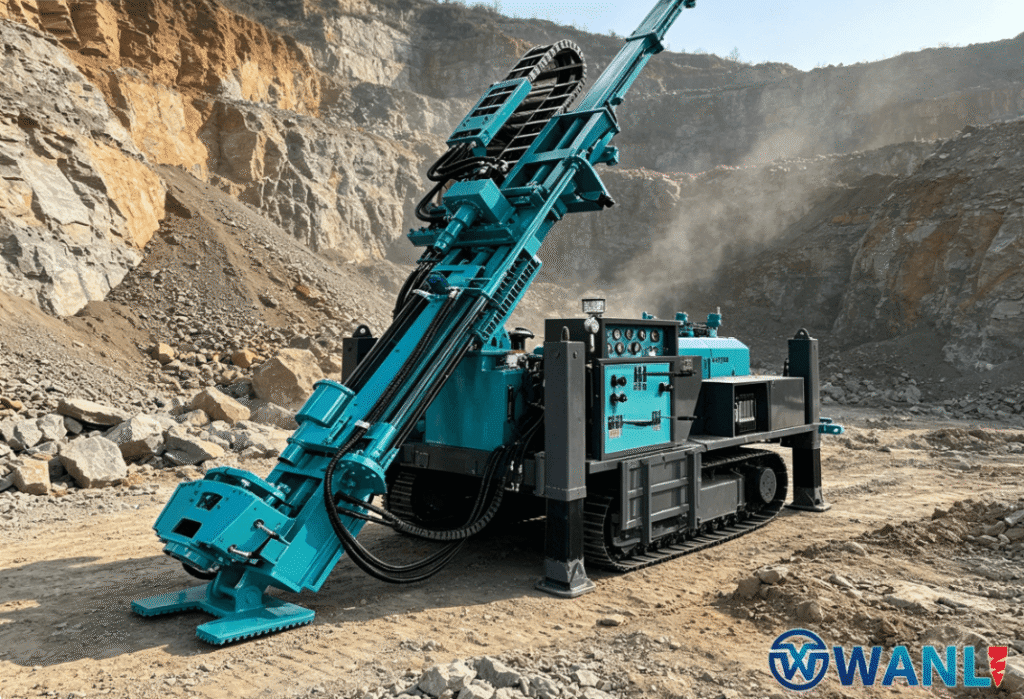
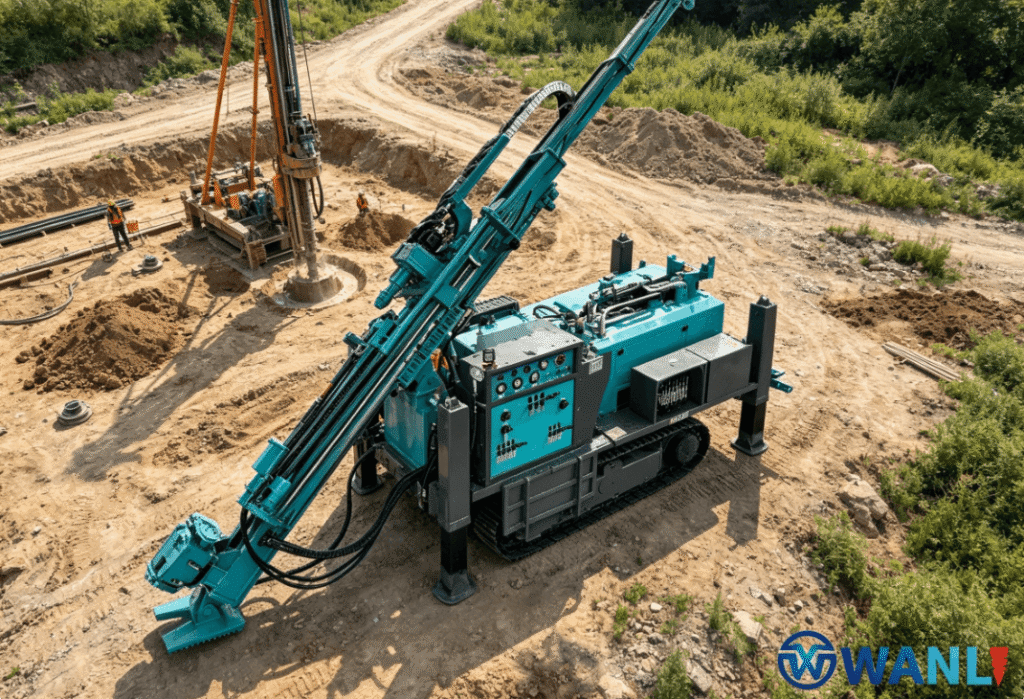
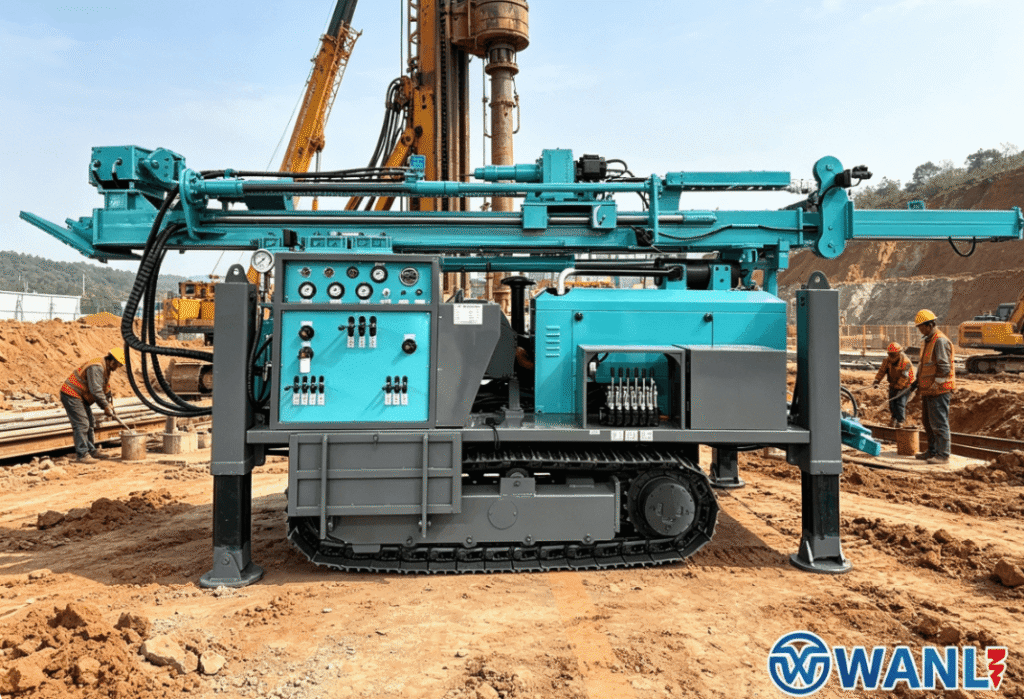
Mobility is a vital factor for successful geological exploration in mountainous or marshy areas. Crawler-mounted rigs offer excellent stability on uneven or muddy ground surfaces. They can navigate slopes of up to 30 degrees without external assistance.
Trailer-mounted versions are easier to transport over long distances via standard roads. These are ideal for projects with multiple sites spread across a large region. They reduce the need for specialized heavy-haulage permits.
Portable, modular rigs are the preferred choice for 2026 “grassroots” exploration. These machines can be disassembled for transport by man-pack or light helicopter. This allows teams to reach deep forests or high mountain peaks easily.
How to Match Technical Specifications with Specific Site Conditions?
Soil and rock hardness dictate the necessary feed pressure and torque levels. Hard granite requires high feed pressure to allow diamond bits to cut effectively. Softer sedimentary layers might require lower pressure to prevent sample washing.
A coring drilling rig for geological exploration must have sensitive hydraulic controls. These controls allow operators to adjust pressure in real-time based on vibration feedback. Precision here is essential for maintaining a high core recovery rate.
How Does Rock Hardness Affect Torque Selection?
Torque requirements increase as the hole gets deeper and the diameter grows. Deep-hole exploration rigs in 2026 often provide torque levels between 500 Nm and 4,500 Nm. High torque helps overcome the friction between the drill rods and the borehole wall.
This is especially important in “squeezing” ground or collapsing formations. Insufficient torque can lead to stuck drill strings and expensive equipment loss. Always verify the continuous torque rating rather than just the peak torque.
What is the Ideal Rotation Speed for Diamond Bits?
Rotation speed is essential when working with different types of specialized drill bits. Diamond bits perform best at high speeds, often exceeding 800 to 1,200 RPM. These speeds allow the diamonds to “micro-chip” through hard rock efficiently.
Conversely, carbide bits require lower speeds and higher torque to penetrate softer formations. Ensure your rig offers a wide range of gear settings for versatility. Stepless speed regulation is a standard feature on high-end 2026 models.
Why is Hoist Capacity a Vital Safety Metric?
The hoist capacity must be strong enough to pull the entire drill string weight. A safety margin of 1.5 times the total weight is generally recommended for safety. This allows the rig to handle potential “stuck pipe” scenarios without failing.
Modern rigs use planetary winches to ensure smooth lifting and lowering operations. Reliable hoisting prevents hydraulic strain and extends the lifespan of the steel cables. It also ensures the safety of the crew during rod changes.
Technical Performance Metrics of Modern Coring Rigs
| Feature | Portable Coring Rig | Medium Hydraulic Rig | Deep Hole Rig |
| Drilling Depth (NQ) | 50m – 150m | 300m – 600m | 1,000m – 2,500m |
| Engine Power | 10 – 25 kW | 40 – 90 kW | 110 – 250 kW |
| Rotation Speed | Up to 1,000 RPM | Up to 1,200 RPM | Up to 1,500 RPM |
| Total Weight | 200kg – 800kg | 2,000kg – 5,000kg | 8,000kg – 18,000kg |
| Max Torque | 200 – 500 Nm | 800 – 2,200 Nm | 3,000 – 6,000 Nm |
Why is Hydraulic Performance Critical in 2026 Exploration Projects?
Hydraulic system reliability is the backbone of modern drilling operations worldwide. Standard operating pressures in 2026 usually fall between 20 MPa and 31.5 MPa. High-quality pumps and valves prevent overheating during continuous 24-hour drilling schedules.
Reliable hydraulics ensure smooth core recovery and reduce the risk of sample contamination. They also provide the power needed for auxiliary functions like wireline winches. A stable hydraulic flow prevents sudden bit pressure spikes.
How Do Modern Hydraulic Systems Reduce Downtime?
Modern systems feature integrated sensors that monitor oil temperature and pressure. These sensors can trigger automatic shutdowns to prevent catastrophic component failure. This proactive approach saves thousands of dollars in emergency repairs.
The use of high-efficiency filters keeps the hydraulic oil clean from contaminants. Clean oil extends the life of the pumps and sensitive control valves. Most 2026 rigs use synthetic hydraulic fluids for better temperature stability.
What Role Does Fluid Flow Play in Core Recovery?
Water pump capacity is a technical detail that many buyers often overlook. The pump must deliver enough fluid to cool the bit and lift cuttings. For NQ coring, a flow rate of 40 to 80 liters per minute is standard.
Ensure the rig’s integrated pump can handle the friction losses of deep holes. Insufficient flow leads to bit burnout and poor core quality. Advanced rigs allow for fine-tuned control of the mud pump output.
How to Choose a Coring Rig for Exploration Based on Quality?
Choosing a coring drilling rig for geological exploration requires a clear understanding of project scale. For early-stage exploration, lightweight and man-portable rigs are often the best choice. These machines allow for rapid sampling across large areas with minimal site preparation.
As a project moves into the resource definition phase, heavier rigs become necessary. You will need to reach greater depths to map the ore body accurately. At this stage, crawler-mounted hydraulic rigs provide the necessary stability and power.
Evaluating a coring drilling rig involves checking the build quality and component brands. High-quality machines often use world-class hydraulic pumps and fuel-efficient engines. This ensures that the rig can withstand the rigors of 2026 geological sampling.
Professional manufacturers provide detailed performance charts for different altitudes and temperatures. You should also verify the compatibility of the rig with standard wireline tools. Using standard tools makes it easier to source bits and barrels globally.
Finally, consider the resale value of the equipment after the project ends. Popular models from reputable manufacturers retain their value much better than generic machines. A rig with a documented service history is a valuable corporate asset.
Summary
Choosing a coring drilling rig for geological exploration involves matching power and depth to your terrain. In 2026, prioritize hydraulic reliability and mobility to ensure high core recovery rates. By selecting a rig with a safety margin in depth and torque, you guarantee project efficiency.
FAQ
1. What is the difference between a spindle rig and a full hydraulic rig?
Full hydraulic rigs offer superior control and automation compared to traditional spindle designs. Spindle rigs use mechanical transmissions, while hydraulic rigs use fluid power for all rotation and feeding functions. Hydraulic systems are generally more efficient for deep-hole exploration in 2026.
2. How deep can a portable coring drilling rig actually go?
Most portable rigs reach depths between 50 and 300 meters depending on the rod diameter. Using NQ rods typically allows for greater depth than the heavier HQ or PQ rods. Always check the manufacturer’s load chart for specific rod string weights.
3. Why is rotation speed so important for geological sampling?
Rotation speed determines the cutting efficiency of the drill bit against the rock face. Diamond bits require high RPM to maintain their cutting edge and prevent “polishing.” Correct speed management ensures higher quality core samples and longer bit life.
4. Which mounting option is best for mountain exploration in 2026?
Modular man-portable rigs or specialized crawler units are the best options for mountainous terrain. Modular rigs can be transported by small teams or light helicopters to remote peaks. Crawlers provide the stability needed for drilling on steep, prepared pads.
5. How does fuel efficiency impact the choice of an exploration rig?
Higher fuel efficiency reduces the logistical burden of transporting diesel to remote sites. In 2026, many rigs feature Tier 4 or Stage V engines that consume 15% less fuel. This lowers overall operational costs and minimizes the environmental footprint of the project.
Reference Sources
International Association of Drilling Contractors (IADC)
United States Geological Survey (USGS) – Drilling Technology Division
American Society for Testing and Materials (ASTM) – D2113 Core Drilling Standards
Mining Magazine – Modern Exploration and Drilling Trends 2026