Managing heavy equipment in 2026 requires precision and consistency. Drilling rigs are high-value assets that operate in punishing environments. They face constant exposure to abrasive dust and extreme mechanical stress. Implementing drilling rig maintenance tips is the only way to protect your investment. A well-maintained machine can easily double its operational lifespan. Conversely, neglecting minor issues leads to catastrophic failure.
Safety standards in 2026 prioritize the health of on-site operators. Mechanical failures during high-pressure drilling pose significant risks. Worn components can cause sudden structural collapses or fluid bursts. Regular maintenance identifies these hazards before they escalate. Furthermore, a reliable machine increases the overall project speed. Efficiency is directly tied to the physical condition of the hardware.
Modern drilling operations demand 100% uptime to remain profitable. Every hour of downtime costs thousands of dollars in lost labor. By following a structured care plan, firms can reduce emergency costs. These drilling rig maintenance tips focus on preventive actions. This approach ensures the rig is always ready for the next job. Let us explore the technical strategies for maximizing rig longevity.
Why is Regular Maintenance Critical for Drilling Rigs in 2026?
The primary goal of maintenance is preventing unplanned equipment downtime. Recent industry data shows that preventive maintenance reduces downtime by 45%. When a rig fails on-site, the financial impact is immediate. You must pay for emergency repairs and specialized shipping. Consistent drilling rig maintenance tips help owners avoid these burdens.
Financial returns are significantly higher for properly serviced equipment. A rig with a clean cooling system consumes 15% less fuel. Efficient hydraulic pumps require less engine power to reach target pressures. Over time, these small savings accumulate into massive operational gains. Furthermore, a documented service history increases the machine’s resale value. Buyers in 2026 look for proof of professional care.
Structural integrity depends on the early detection of metal fatigue. Drilling involves extreme vibration and high-torque forces. These forces naturally create micro-cracks in the mast and frame. If left untreated, these cracks lead to total structural failure. Regular inspections can identify 90% of structural risks early. Fixing a small weld is far cheaper than replacing a collapsed mast.
Essential Drilling Rig Maintenance Tips for Daily Operations
Daily inspections are the foundation of any successful care program. Operators should begin every shift with a thorough walk-around. Look for fluid leaks or loose mounting bolts. Check all hydraulic hoses for signs of abrasion or bulging. Daily fluid checks are the most effective way to prevent engine seizure.
Daily Lubrication Procedures
Lubrication is the most vital task for all moving parts. Friction is the leading cause of wear in bearings and chains. Use the specific high-quality grease recommended by the manufacturer. Apply grease to all pivot points and the main swivel. Ensure the new grease flushes out old, contaminated lubricant. This process removes grit that causes internal component damage.
Cleaning and Debris Removal
Cleanliness is often ignored but remains critical for performance. Mud and dust can clog radiators and cause engine overheating. Debris buildup on hydraulic cylinders can damage sensitive seals. Operators should use high-pressure water to clean the rig daily. A clean machine allows for a better view of potential cracks. It also promotes a culture of professionalism among the crew.
| Maintenance Task | Frequency | Scientific Impact on Lifespan |
| Engine Oil Analysis | Every 250 Hours | Extends engine life by up to 35% |
| Hydraulic Fluid Filter Change | Every 500 Hours | Prevents 75% of pump-related failures |
| Structural Bolt Torquing | Weekly | Reduces vibration-induced fatigue by 40% |
| Radiator Core Cleaning | Daily | Lowers operating temperatures by 12% |
Managing Hydraulic Systems to Extend Equipment Life?
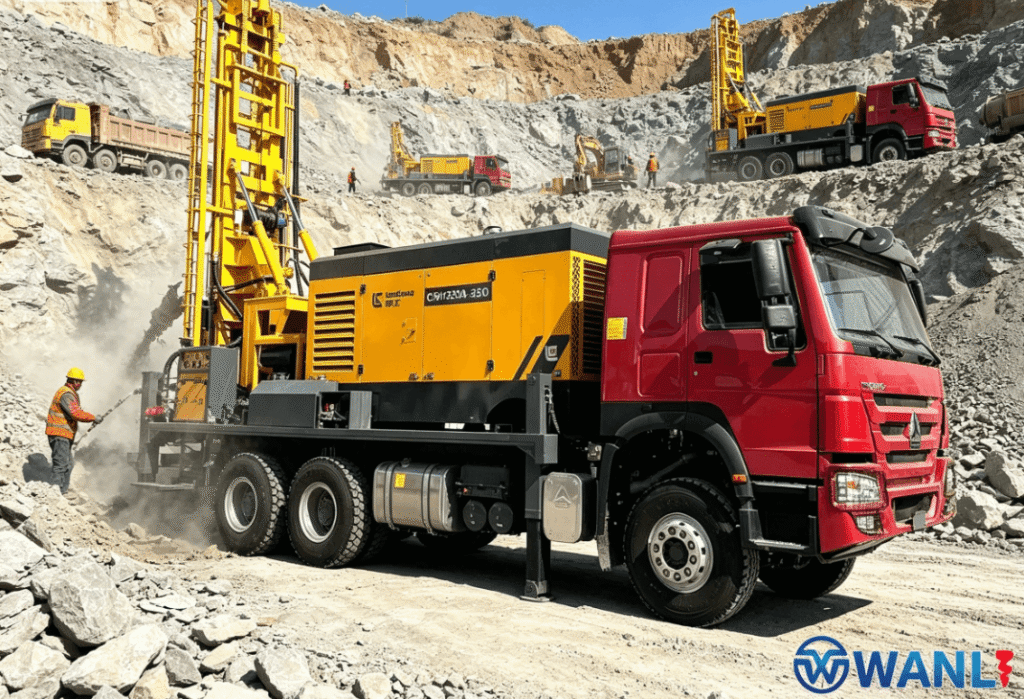
Hydraulic systems serve as the mechanical heart of the rig. They provide power for rotation, pulling, and leveling. Unfortunately, hydraulic contamination causes 75% of system failures. Even tiny particles can destroy high-precision valve tolerances. Using high-efficiency filters is a mandatory part of drilling rig maintenance tips. Always change these filters based on the manufacturer’s schedule.
Hydraulic Oil Thermal Management
Temperature control is essential for maintaining hydraulic health. Oil loses its lubricating properties when it gets too hot. Most 2026 rigs include specialized oil coolers with electric fans. Ensure these fans are clear of dirt and functioning correctly. If the oil smells burnt, replace it immediately. Operating with degraded oil leads to rapid pump cavitation.
System Bleeding and Aeration Control
Air in the hydraulic system causes jerky and unsafe movements. This phenomenon is known as aeration and can erode metal. Check reservoir breather caps to ensure they are not clogged. Clogged breathers create a vacuum that pulls air past seals. Bleed the system properly after any hose or valve replacement. A smooth-operating system is both quiet and durable.
Structural Integrity and Chassis Care for Mobile Units?
Vehicle-mounted rigs require special attention to the truck chassis. The weight of the drill puts constant stress on the suspension. Check leaf springs and shock absorbers for signs of damage. Ensure the mounting bolts for the rig are torqued correctly. Loose bolts can lead to frame twisting during transport. Maintaining chassis alignment prevents 50% of transport-related wear.
Mast and Pull-Down System Care
The mast is the most stressed component during drilling. It must remain perfectly aligned to ensure accurate hole placement. Inspect mast locking pins for any signs of deformation or wear. If your rig uses a cable system, check for frayed strands. Replacing a worn cable costs 1% of an accident’s price. Safety and longevity are inseparable in structural maintenance.
Corrosion Protection for Harsh Environments
Corrosion can eat through steel and attack electrical systems. Salt and industrial chemicals are especially aggressive toward raw metal. Apply rust-inhibiting coatings to the undercarriage and exposed welds. Pay close attention to electrical junction boxes and sensors. Corroded wiring leads to intermittent engine starting issues. Keeping the system dry ensures the rig stays operational.
How to Choose a Maintainable Drilling Rig?
Selecting the right equipment is the first step in maintenance. A machine that is hard to service is often neglected. Look for designs that offer easy access to filters. Avoid rigs that require removing heavy panels for daily checks. The hydraulic hose layout should be clean and clearly labeled. This organization speeds up repairs and reduces technician errors.
Ease of sourcing spare parts is another critical factor. Standardized components are cheaper and easier to find globally. Ensure the manufacturer uses reputable brands for engines and pumps. This ensures parts are available even in remote drilling sites. High-quality technical manuals are also a significant advantage for crews. They allow your team to perform complex repairs correctly.
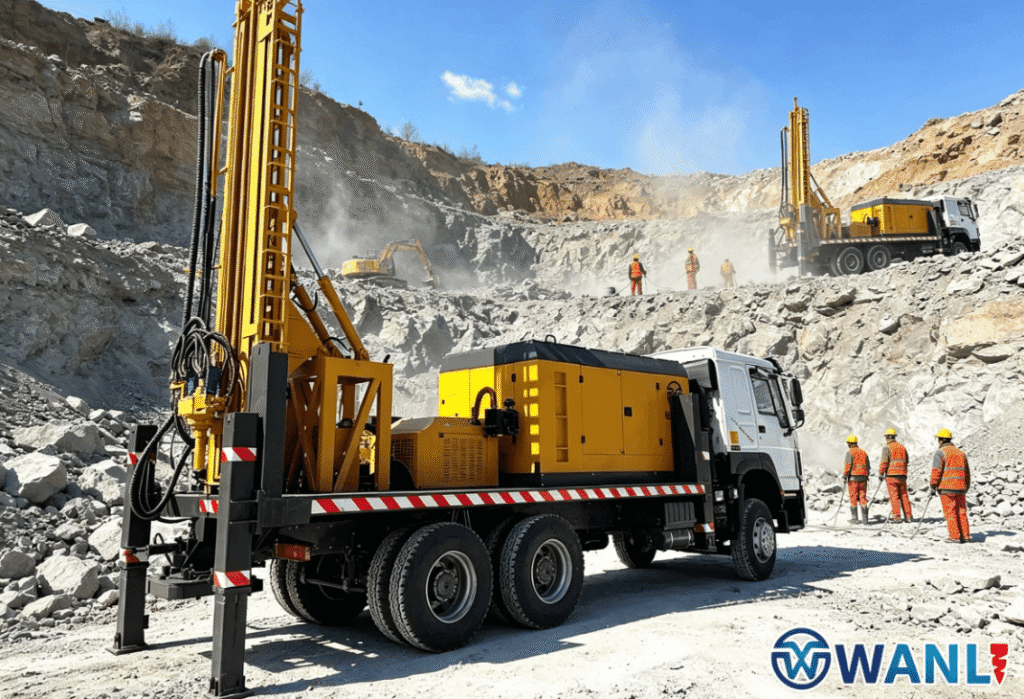
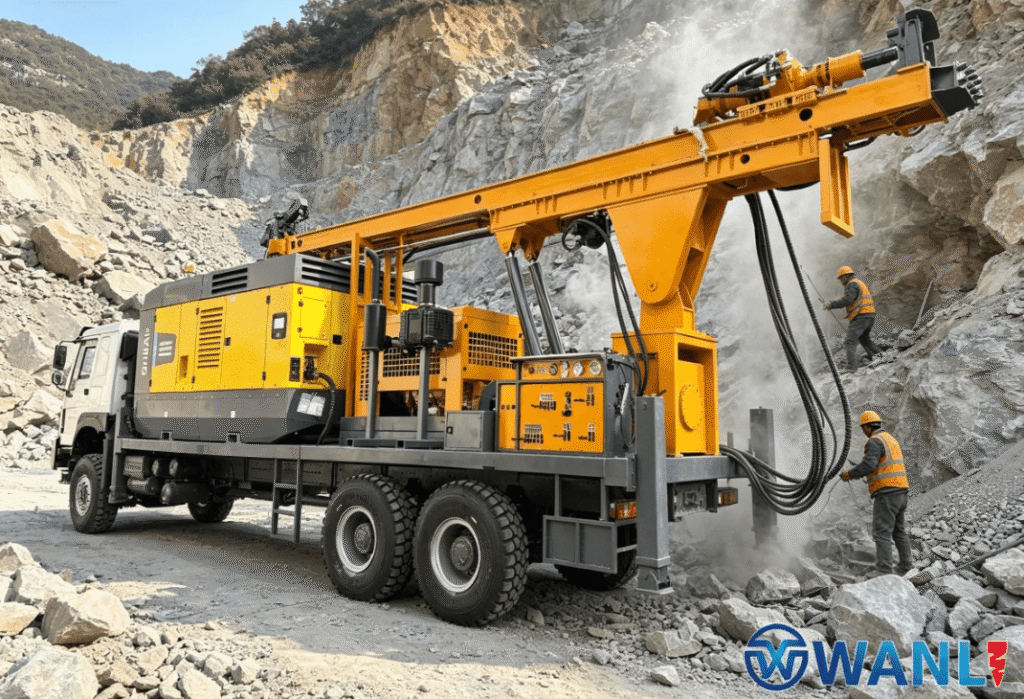
Durability features like reinforced frames provide long-term value. These features reduce the frequency of repairs in difficult terrain. Choosing a vehicle-mounted drilling rig can simplify your logistical needs. These units offer high mobility without sacrificing mechanical strength. They are designed for easy maintenance across various demanding jobsites. Selecting a rig with accessible components ensures your maintenance team succeeds.
Summary
To maximize equipment life, you must follow consistent drilling rig maintenance tips. Focus on daily lubrication, fluid cleanliness, and structural inspections. Investing in preventive care in 2026 reduces long-term operational costs. A disciplined schedule transforms your rig into a reliable, long-lasting asset. This approach guarantees safety, efficiency, and high resale value.
FAQ
1. How often should I perform a full hydraulic fluid analysis?
You should conduct a professional fluid analysis every 500 operating hours. This test identifies microscopic metal particles and water content. Early detection of contamination prevents the total destruction of hydraulic pumps. It is a scientific way to monitor internal component health.
2. What is the most common cause of sudden drilling rig failure?
The most common cause is the neglect of basic lubrication. Dry bearings generate intense heat and seize under high drilling loads. This often leads to secondary damage in the drive system. Following drilling rig maintenance tips for daily greasing prevents this issue.
3. Can I use standard automotive oil in a 2026 drilling rig?
No, you must use high-viscosity industrial oil specified by the manufacturer. Drilling engines operate at high RPMs and temperatures for long periods. Standard oil breaks down too quickly under these extreme conditions. Using the wrong oil can void your equipment warranty.
4. How do I detect early signs of metal fatigue in the mast?
Look for cracked paint or rust bleeding from the weld seams. These are visual indicators that the metal underneath is flexing or cracking. Use dye penetrant testing for a more detailed structural analysis. This method reveals tiny cracks that are invisible to the naked eye.
5. Why does a clean radiator improve drilling performance?
A clean radiator allows for maximum airflow and efficient heat exchange. Overheating causes the engine to lose power and increases fuel consumption. It also causes seals and gaskets to harden and leak over time. Keeping the cooling system clear is vital for engine longevity.
Reference Sources
International Association of Drilling Contractors (IADC) – Drilling Manual & Safety Standards
Occupational Safety and Health Administration (OSHA) – Oil and Gas Well Drilling and Servicing eTool