Selecting the ideal machinery for geological exploration requires a deep understanding of site conditions. A precise coring drilling rig selection ensures that samples are recovered with minimal disturbance. High-quality core samples provide the primary data for mineral assessment and geotechnical engineering.
As we move into 2026, modern exploration demands equipment that can handle diverse strata while maintaining high efficiency. Operators must balance power, portability, and depth capacity for every unique borehole. This article explores the technical nuances of picking the right rig for your specific project needs.
The process begins with identifying the primary goal of the borehole. Whether for mineral prospecting or soil testing, the rig must match the environmental constraints. Understanding these variables prevents costly downtime and equipment failure during intense field operations.
How to Determine Technical Requirements for Coring Drilling Rig Selection?
The first step in coring drilling rig selection involves calculating the required drilling depth. Depth capacities in 2026 often range from 300 meters to over 2,500 meters. You should select a rig that exceeds your target depth by at least 20%.
This safety margin accounts for unexpected geological challenges or deeper exploration needs. For example, a rig rated for 1,200 meters provides better stability at 800 meters than a smaller unit. Reliable power delivery is essential for maintaining constant pressure on the diamond bit during operation.
Engine power is another critical metric to evaluate during the selection process. Most surface coring rigs utilize diesel engines ranging from 50 kW to 220 kW. Higher horsepower allows the hydraulic system to maintain consistent torque in hard rock formations.
| Feature | Small Exploration Rig | Medium Deep-Hole Rig | Heavy-Duty Deep Rig |
| Depth Capacity | 100m – 300m | 300m – 1000m | 1000m – 2500m+ |
| Engine Power | 35 – 55 kW | 65 – 120 kW | 140 – 280 kW |
| Spindle Speed | 0 – 1050 RPM | 0 – 1250 RPM | 0 – 1600 RPM |
| Rotation Torque | 600 – 1300 Nm | 1600 – 3800 Nm | 4500 – 9000+ Nm |
Rotation speed directly impacts the life of diamond drilling bits. For hard crystalline rock, high speeds of 900 to 1,300 RPM are often necessary. Conversely, softer formations require lower speeds and higher torque to prevent core washing or damage.
The hoisting capacity of the main winch determines how easily you can pull the drill string. A winch capacity 1.5 times the weight of the full drill string is recommended for safety. This ensures security during emergency recovery operations or stuck-pipe scenarios.
Finally, consider the feed system stroke length for your 2026 projects. A longer stroke, typically around 3.5 meters, reduces the frequency of rod handling. Extended stroke lengths significantly increase the overall rate of penetration in deep-hole projects.
Why Geological Conditions Dictate Your Coring Drilling Rig Selection?
Geology is the most significant external factor in coring drilling rig selection. Soft, unconsolidated soils require different flushing systems than hard granite or basalt. Your choice must reflect the expected Stratigraphic Column of the project site.
In soft formations, a rig with high-volume mud pumps is necessary. These pumps remove cuttings efficiently and stabilize the borehole walls. Fluid circulation rates typically range from 60 to 300 liters per minute depending on hole size.
If your project involves mountainous terrain, portability becomes the primary concern. Man-portable or modular rigs can be disassembled into components weighing less than 160 kg. Modular designs allow for helicopter or manual transport to remote, inaccessible 2026 project locations.
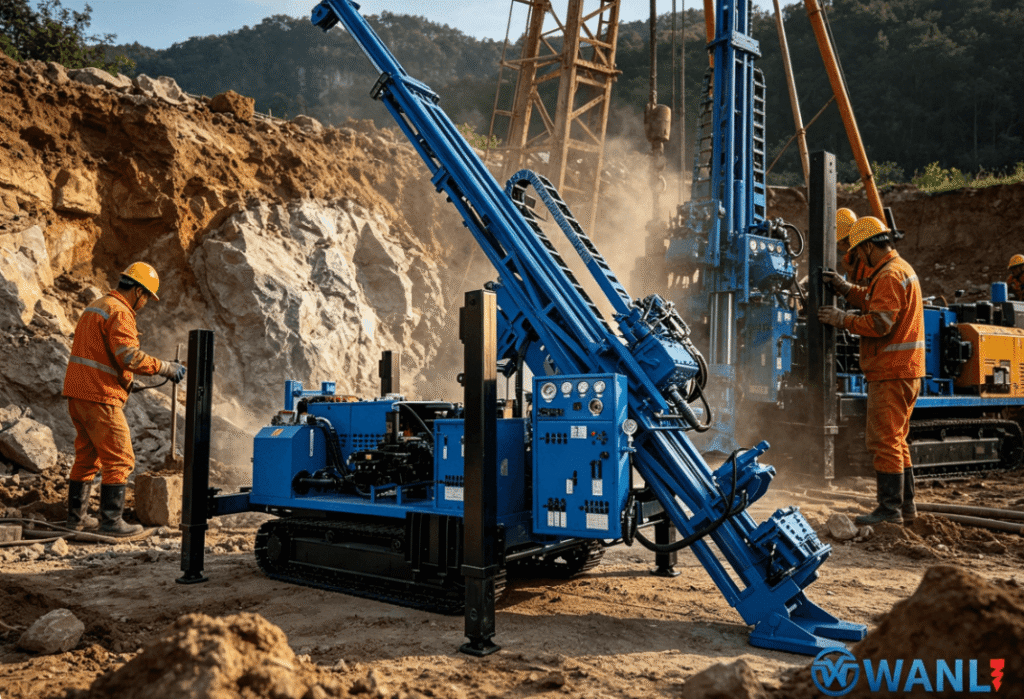
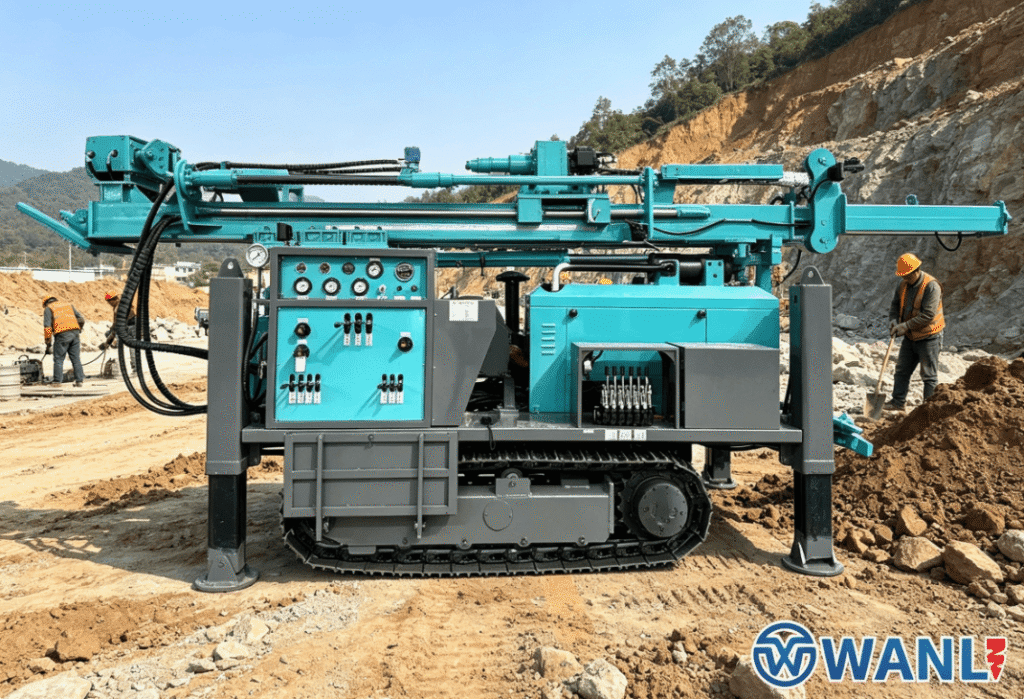
For urban geotechnical surveys, noise and vibration control are vital. Compact, rubber-tracked rigs offer mobility without damaging pavement or disturbing residents. Crawler-mounted units provide the best balance of stability and maneuverability on varied terrain.
Hard rock drilling necessitates a rigid mast structure to minimize vibration. Excess vibration leads to premature bit wear and poor core recovery rates. A robust hydraulic feed system allows for precise weight-on-bit adjustments in 2026 environments.
Water availability also influences the rig’s cooling and flushing system design. In arid regions, you might require rigs compatible with air-flushing or specialized polymers. Water consumption can be reduced by 35% through the use of advanced recirculation systems.
Environmental regulations in 2026 may also dictate the type of power source allowed. Some regions require Tier 4 Final or electric engines to meet strict emission standards. Choosing eco-friendly power units helps in obtaining permits for sensitive ecological zones.
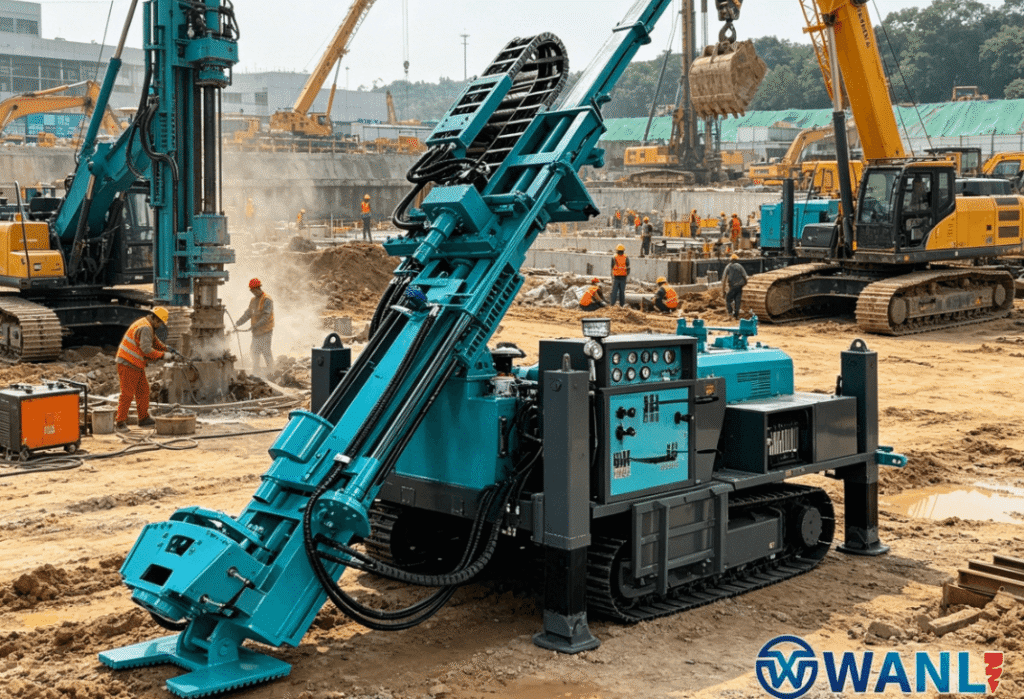
Comparing Spindle-Type and Full Hydraulic Designs
The mechanical design of the drive system is a fundamental aspect of coring drilling rig selection. Spindle-type rigs remain popular for their simplicity and ease of repair. They use a mechanical gearbox to transfer power to the drill rods effectively.
Spindle rigs are often more cost-effective for shallow to medium-depth projects. They provide a high degree of tactile feedback for the operator. Mechanical spindles are particularly effective for NQ and HQ diameter drilling up to 700 meters.
However, full hydraulic rigs offer superior control and modern automation features. These units use hydraulic motors to drive the rotation and feed systems. Full hydraulic systems allow for infinitely variable speed and torque adjustments during 2026 operations.
Evaluating Portability for Remote Exploration
Remote sites require a strategy that minimizes logistics costs. If a road exists, truck-mounted rigs offer the fastest setup times. Truck-mounted units can be operational within two hours of arriving at the site.
For trackless wilderness, skid-mounted rigs can be dragged by dozers. These rigs are extremely rugged and can withstand harsh transport conditions. A reinforced steel skid base prevents structural damage during off-road movement.
In 2026, many operators are choosing fly-in modular rigs for high-altitude work. These rigs break down into small, lift-ready packages for small helicopters. Fly-in rigs reduce the environmental footprint by eliminating the need for access roads.
Key Standards for Matching Projects with Superior Rigs?
Successful coring drilling rig selection depends on matching technical limits with project demands. You must evaluate the “Duty Cycle” of the machine for long-term operations. A rig running at 90% capacity constantly will experience more frequent breakdowns.
Stability is paramount when drilling at high angles or in deep holes. Look for rigs with wide hydraulic outriggers or heavy-duty skid bases. A stable platform ensures the borehole remains straight and avoids excessive rod friction.
The cooling system capacity is often overlooked during the selection process. Rigs operating in tropical 2026 climates require oversized radiators for both components. Overheating can reduce hydraulic efficiency by 25% and damage sensitive valve components.
Integration with wireline technology is a non-negotiable feature for modern mineral exploration. Ensure the rig has a dedicated wireline winch with sufficient cable capacity. Using wireline tools allows for core retrieval without pulling the entire drill string.
Check the availability of genuine spare parts and technical support in your region. Even the best rig will eventually require replacement seals or filters. Standardized components across a fleet can reduce inventory costs by 20% through interchangeability.
Examine the rig’s control panel ergonomics to reduce operator fatigue. Well-labeled gauges and intuitive joysticks lead to safer and more productive work shifts. Advanced 2026 rigs now include digital displays for monitoring real-time rate of penetration.
If you are unsure which specific model fits your unique geological survey or mineral prospecting project, analyzing professional equipment categories is essential. Comparing various coring drilling rig models allows you to identify the best balance of torque and spindle speed. Focus on the maximum capacity to see if they align with your rock hardness data and required depth. By evaluating the technical parameters of these units, you can verify if a specific machine supports the diameter required for your next 2026 exploration project.
Summary
Successful coring drilling rig selection balances depth capacity, power, and geological adaptability. By prioritizing high-torque hydraulic systems and matching equipment to site terrain, operators maximize core recovery in 2026. Always choose a rig with a 20% safety margin in depth to ensure long-term project versatility and operational safety across diverse environments.
FAQ
1. What is the most important factor in coring drilling rig selection?
The most important factor is matching the rig’s depth and torque capacity to the specific geological conditions of your site. You must ensure the machine can handle the hardest rock layers while reaching the target depth safely and efficiently.
2. How does wireline coring affect the rig selection process?
Wireline coring requires a rig with a specialized high-speed winch and compatible hydraulic controls. Rigs equipped for wireline operations significantly increase core retrieval speed, making them ideal for deep-hole mineral exploration projects in 2026.
3. Should I choose a crawler-mounted or skid-mounted rig for my project?
Choose a crawler-mounted rig if you need to move frequently between drill sites on rough or uneven terrain. Skid-mounted rigs are more suitable for long-term, stationary projects where the machine can be transported once by truck and remains in place.
4. What power source is best for remote coring projects in 2026?
Diesel engines are typically the best power source for remote projects due to the high energy density of fuel and ease of transport. Ensure the engine meets modern 2026 emission standards and has a robust cooling system for extreme weather.
5. How do I calculate the required torque for my specific project?
Required torque depends on the drill bit diameter and the friction of the drill string against the borehole wall. Generally, larger diameters and deeper holes require rigs with higher rotation torque to maintain consistent progress through hard formations.
Reference Sources
British Geological Survey (BGS) Drilling and Borehole Methods for Geological Mapping
Mineral Products Association (MPA) Safety and Efficiency Standards in Mineral Exploration Drilling