Investing in heavy machinery requires a clear understanding of its long-term value. In 2026, the drilling rig lifespan remains a critical metric for financial planning. Most modern equipment is designed to withstand harsh conditions for decades. However, the actual duration of service depends on several technical variables. Understanding these factors allows owners to optimize their assets effectively.
Reliable machinery serves as the backbone of successful geological and water exploration projects. A high-quality rig does more than just bore holes into the earth. It represents a significant capital expenditure that must yield returns over many years. When experts discuss the drilling rig lifespan, they often distinguish between physical and economic life. Physical life refers to how long the machine can mechanically operate.
Economic life ends when maintenance costs exceed the revenue the rig generates. Achieving a balance between these two is the goal of every fleet manager. Technology has advanced significantly by 2026 to help monitor these variables. Modern sensors now track stress levels on the mast and the engine. This data provides a realistic view of how much work a rig can handle. Consequently, owners can make better decisions regarding repairs or replacements.
What Is the Average Drilling Rig Lifespan?
The typical drilling rig lifespan generally ranges from 15 to 30 years under standard conditions. Mobile water well rigs often see service lives of 20 years or more with proper care. Heavy-duty oil and gas rigs might reach 25 years before requiring a total overhaul. However, these figures are not static and fluctuate based on usage intensity. Many rigs built two decades ago remain operational today due to robust engineering.
Service life is often measured in operating hours rather than just calendar years. A well-maintained engine might last between 12,000 and 20,000 hours before needing a rebuild. Hydraulic systems typically require significant attention every 5,000 to 7,000 hours of operation. Structural components like the mast and chassis are designed to last the entire life of the machine. Frequent inspections are necessary to ensure these primary structures remain safe.
Estimating Life by Component Performance
To provide a clearer picture, the following table outlines the expected lifespan of various rig components in 2026. These figures represent industry averages for high-quality machinery.
| Component Category | Estimated Lifespan (Operating Hours) | Typical Replacement Interval (Years) |
| Main Diesel Engine | 12,000 – 18,000 | 8 – 12 |
| Hydraulic Pumps | 4,000 – 6,000 | 3 – 5 |
| Mast and Structure | 40,000+ | 20 – 30 |
| Rotary Head | 5,000 – 8,000 | 4 – 6 |
| Crawler Chassis | 10,000 – 15,000 | 10 – 15 |
Technological advancements have significantly improved the drilling rig lifespan in recent years. Modern alloys and corrosion-resistant coatings protect machines from environmental degradation. Furthermore, integrated sensors now provide real-time data on component health. This allows operators to address minor issues before they lead to catastrophic failures. Consequently, a rig purchased in 2026 may outlast older models by a significant margin.
Durability is also linked to the specific type of drilling performed. A rig used exclusively for soft soil will experience less structural fatigue. Conversely, rock drilling creates constant high-frequency vibrations that stress every bolt and weld. Most manufacturers design their premium lines to handle these extreme forces efficiently. By 2026, metallurgy has reached a point where fatigue resistance is higher than ever. The average drilling rig lifespan is largely a product of material science.
What Are the Key Factors Influencing Drilling Rig Lifespan?
The environment in which a machine operates is a major variable. Equipment used in coastal areas faces constant exposure to salt air and high humidity. These conditions accelerate corrosion on both the exterior and internal electrical systems. In contrast, rigs operating in arid climates may suffer from dust infiltration. Fine particles can act as an abrasive in the hydraulic circuits.
Proper storage and protective covers can mitigate some of these environmental risks. Geological conditions also play a vital role in determining how long a rig lasts. Drilling through hard igneous rock puts immense strain on the rotary head. This increased vibration can lead to metal fatigue in the mast and welds. Rigs specialized for softer soil generally experience less mechanical stress over time.
Matching the equipment to the specific terrain is essential for preservation. Maintenance remains the only factor entirely within the owner’s control. A rigorous preventative maintenance schedule can extend equipment life by up to 15% or more. This includes regular oil changes, filter replacements, and lubrication of moving parts. Ignoring small leaks or unusual vibrations often leads to expensive failures.
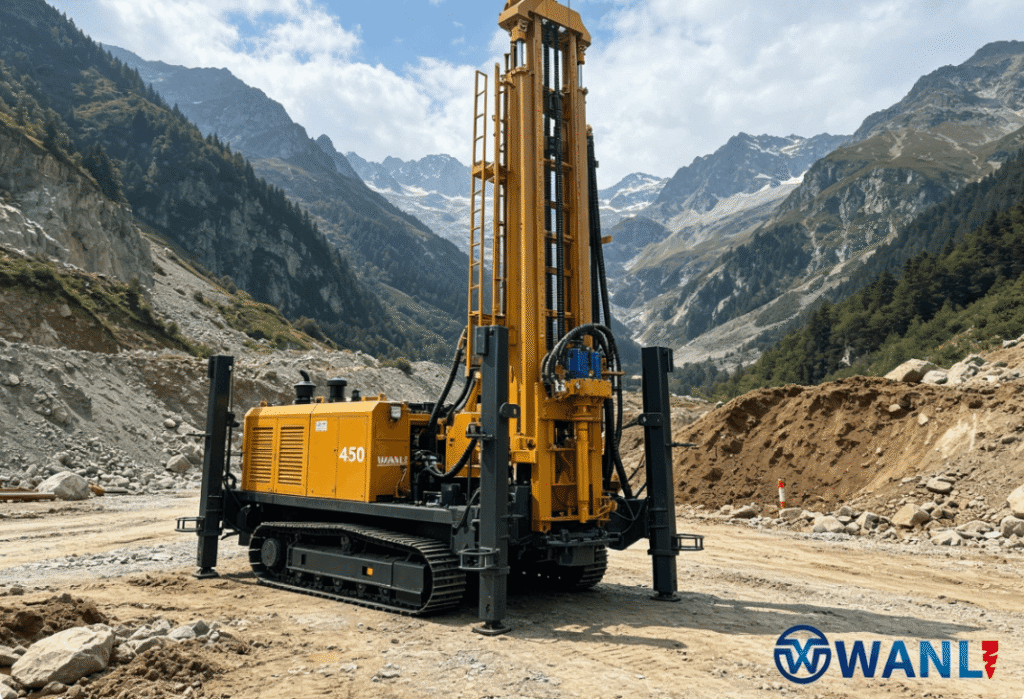
Impact of Operational Intensity
The frequency of operation significantly impacts the drilling rig lifespan. A machine running 24/7 in 2026 will age much faster than one used seasonally. Constant heat cycles can weaken seals and hoses over several years. It is important to allow for adequate cooling periods during intensive projects. Overworking a machine beyond its rated capacity is the fastest way to break it.
Operator skill is another often-overlooked factor in equipment longevity. An experienced operator knows how to listen to the machine for signs of trouble. They avoid sudden shocks to the hydraulic system and maintain steady pressure. Conversely, an untrained worker may push the rig beyond its safe operating limits. Investing in staff training is as important as buying high-quality parts.
The quality of the initial build is a foundational factor. Rigs manufactured with high-grade steel and reputable hydraulic components inherently last longer. Low-cost alternatives may save money initially but often fail within seven years. Investing in a proven brand ensures that replacement parts are available for decades. Quality engineering remains the primary driver of a long drilling rig lifespan.
How to Maximize the Longevity of Your Drilling Equipment?
Maximizing the drilling rig lifespan starts with well-trained operators. An operator who understands machine limits prevents unnecessary mechanical stress. Overheating the engine during long shifts shortens the life of gaskets and seals. Training programs in 2026 emphasize smooth operation rather than just raw speed. Proper handling reduces unnecessary stress on critical mechanical systems.
Implementing a digital monitoring system can provide a massive boost to longevity. Modern telematics track engine temperature, oil pressure, and vibration levels in real-time. These systems alert managers to potential problems before they become serious failures. Data-driven decisions allow for predictive maintenance rather than just reactive repairs. This proactive approach keeps the machine in peak condition for longer periods.
Regular structural inspections are mandatory for ensuring safety and extending life. Technicians should use non-destructive testing to check for cracks in critical welds. The mast and leveling jacks bear the brunt of the load during operations. Any signs of deformation or metal fatigue must be repaired immediately by experts. Maintaining structural integrity prevents catastrophic failures and extends the machine’s utility.
Strategic Component Upgrades
Upgrading specific components can breathe new life into an aging rig. Replacing an old engine with a modern model improves performance and reliability. Updating hydraulic valves and controls can make an old machine operate like new. These “mid-life” overhauls are often more cost-effective than purchasing a new unit. Strategic upgrades are key to reaching the 30-year service mark.
Lubrication is perhaps the simplest yet most effective maintenance task. High-quality synthetic lubricants provide better protection in extreme temperatures in 2026. Ensuring that every grease point is serviced daily prevents premature wear on pins. This small habit can add years to the life of the boom and joints. Never underestimate the power of a consistent lubrication schedule.
Cleaning the rig after every project is also vital for longevity. Mud and debris can trap moisture against the steel, leading to hidden rust. Pressure washing the chassis allows for a better inspection of the hydraulic lines. A clean machine is easier to maintain and much simpler to inspect for leaks. Hygiene for heavy machinery is a fundamental part of the drilling rig lifespan.
Choosing the Right Rig for Long-Term Durability
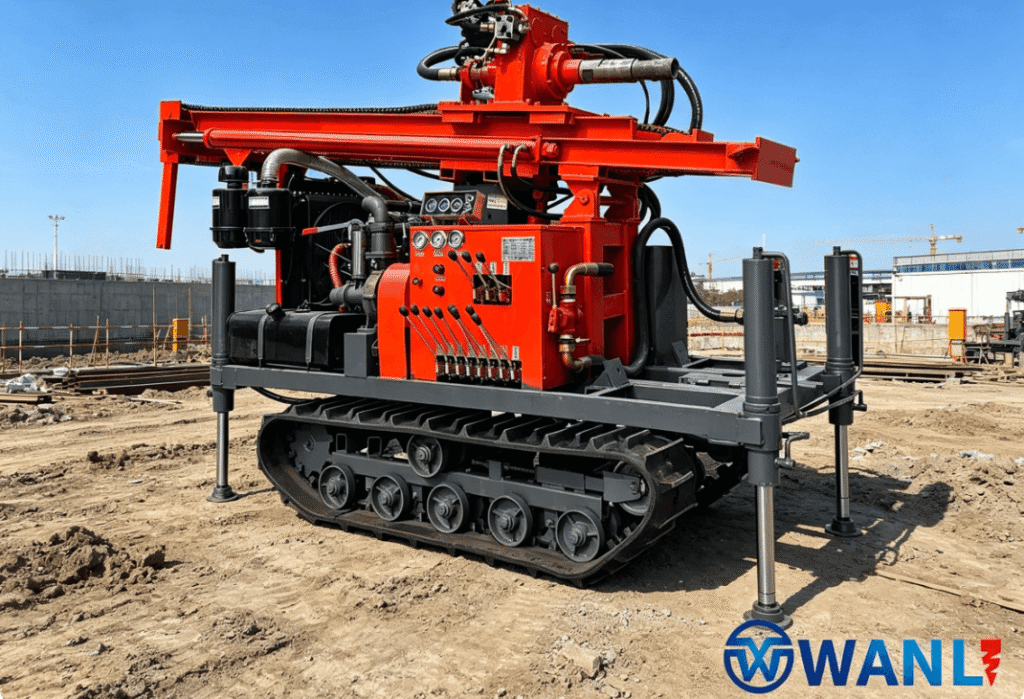
Selecting a machine that matches your long-term goals is the first step toward success. If you require a rig for deep water exploration, look for robust hydraulic capabilities. High-performance units often feature crawler-mounted chassis for stability across varied terrains. These features ensure the machine remains functional even as project demands evolve. Durability is a product of both design and application.
When evaluating potential equipment, consider the ease of access for routine maintenance. A rig with poorly placed filters or grease points is more likely to be neglected. Machines designed with the technician in mind facilitate better care and longer service. Additionally, check the availability of technical support and spare parts in your region. A rig is only useful if it can be repaired quickly with genuine components.
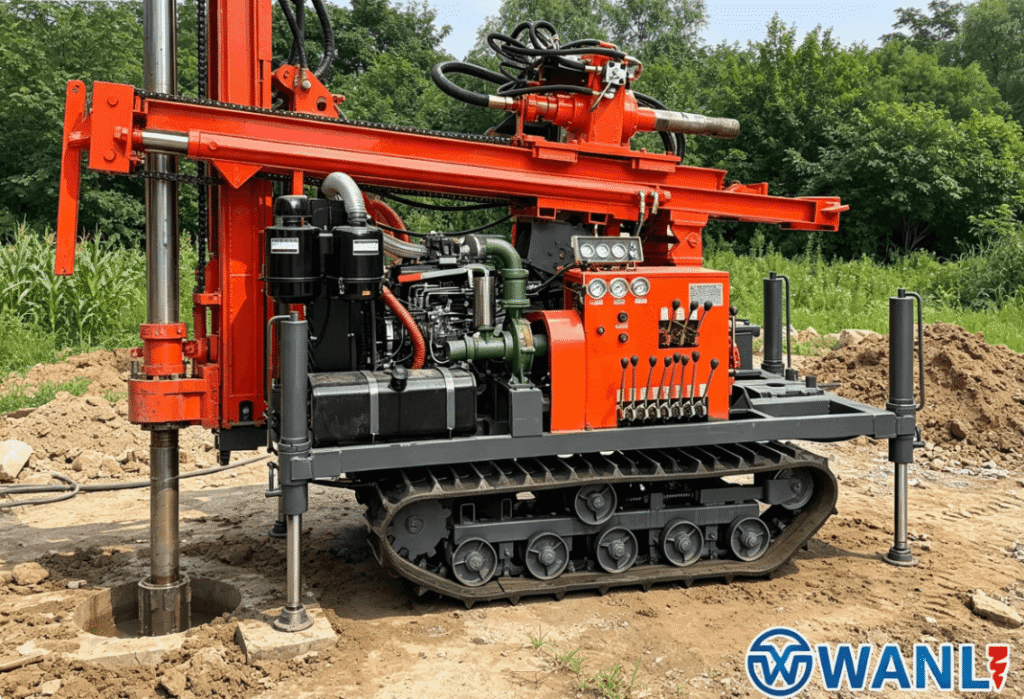
For those focusing on water well projects, versatile pneumatic and hydraulic systems are often preferred. These rigs provide the power needed for deep penetration while maintaining a manageable footprint. Choosing a manufacturer that specializes in these systems ensures the engineering is tailored for that specific environment. This specialization often translates directly into a more resilient and reliable drilling rig lifespan. You can explore a wide range of professional options by visiting Wanli water well drilling rigs for your next project.
Summary
The average drilling rig lifespan is typically between 15 and 30 years in 2026. Achieving the upper end of this range requires high-quality manufacturing and rigorous maintenance. By understanding environmental impacts and monitoring component health, owners can significantly maximize their return on investment. A well-maintained rig remains a profitable asset for decades.
FAQ
1. What is the most common cause of a shortened drilling rig lifespan?
Lack of regular maintenance is the primary cause of premature equipment failure. Failing to change hydraulic fluids or ignore small leaks leads to systemic damage. In 2026, the cost of repairing neglected systems often exceeds the value of the machine.
2. Can a drilling rig last more than 30 years?
Yes, rigs can last over 30 years if they undergo major overhauls and component replacements. Many structural frames remain viable for decades even if engines are replaced. Success depends on the integrity of the mast and the main chassis.
3. How often should I perform a major inspection on my rig?
A thorough structural and mechanical inspection should occur every 2,000 operating hours. This helps identify hidden issues like metal fatigue or internal pump wear. Early detection prevents minor issues from becoming expensive and dangerous mechanical failures.
4. Does the type of drilling affect the lifespan differently?
Yes, percussion or DTH drilling creates more vibration than standard rotary drilling. Higher vibration levels generally lead to faster wear on structural joints and hydraulic connections. Operators must adjust their maintenance schedules based on the intensity of the work.
5. Is it better to repair an old rig or buy a new one in 2026?
If repair costs exceed 60% of the value of a new machine, replacement is usually better. However, if the mast and chassis are sound, upgrading the engine can be cost-effective. Modernizing an old rig can significantly extend its useful economic life.
Reference Sources
Reference on industry standards for rig maintenance and operational safety.
Data provider for heavy machinery lifecycle and economic depreciation.
Insights into the durability and usage of water well drilling equipment.
Technical papers on the structural integrity and longevity of drilling masts.