Selecting the best water well drilling rig is a critical decision for any 2026 infrastructure project. Deep borehole drilling requires specialized machinery that can withstand immense pressure. These projects often determine the long-term water security of entire communities or industrial sites.
Success depends on matching the equipment to the specific geological conditions of the site. A rig that performs well in soft soil may fail in hard granite. You must evaluate the technical capabilities of modern 2026 machinery before making an investment.
Technological advancements have made deep drilling more efficient than ever before. Modern rigs now feature integrated control systems and automated pipe handling. This guide will help you navigate the complex process of selecting the right machine for your needs.
Understanding the Geological Requirements for Deep Boreholes
The first step in choosing the best water well drilling rig involves a thorough geological survey. Soil types vary significantly across different regions. Hard rock formations require pneumatic systems, while soft layers may need rotary mud methods.
In 2026, many contractors use multi-functional rigs to handle diverse environments. These machines can switch between different drilling modes quickly. This versatility reduces the need for multiple machines on a single project site.
Identifying the strata layers helps determine the necessary torque and bit type. For example, limestone and basalt require high-impact hammers. Sand and clay require high-volume mud pumps to maintain borehole stability during the process.
Analyzing Soil Density and Rock Hardness
Rock hardness is measured on the Mohs scale or via compressive strength tests. Deep projects in 2026 often encounter rock layers exceeding 100 MPa in strength. You need a rig with a high-pressure DTH (Down-The-Hole) hammer for these conditions.
Pneumatic systems provide the necessary impact force to fracture dense rock efficiently. Without sufficient air pressure, the drilling speed drops significantly. This delay can increase the overall project cost by 30% or more.
Conversely, soft soil requires a focus on rotation speed and torque. High torque prevents the drill bit from getting stuck in sticky clay. Modern 2026 rigs offer adjustable torque settings to match these varying soil densities.
Depth and Diameter Challenges in 2026 Projects
The best water well drilling rig must exceed the target depth of your deepest project. If your goal is 300 meters, choose a rig rated for 400 meters. This safety margin prevents the hydraulic system from running at maximum capacity constantly.
Larger borehole diameters require more power to rotate the drill string. Friction increases as the hole gets wider and deeper. A machine with insufficient power will suffer from premature engine and pump wear.
In 2026, typical deep wells range from 150mm to 350mm in diameter. Ensure the rig’s mast and hoist can handle the weight of large-diameter casings. Proper planning for these dimensions ensures the structural integrity of the finished well.
How to Evaluate the Best Water Well Drilling Rig for Depth?
Evaluating a rig for deep projects requires looking at the power-to-weight ratio. The best water well drilling rig provides enough down-force to penetrate deep layers. However, it must remain portable enough for transport across difficult 2026 terrain.
Check the hydraulic pump’s flow rate and pressure ratings during your evaluation. High-performance pumps ensure that all hydraulic functions operate smoothly. This includes the winch, the rotation head, and the leveling jacks.
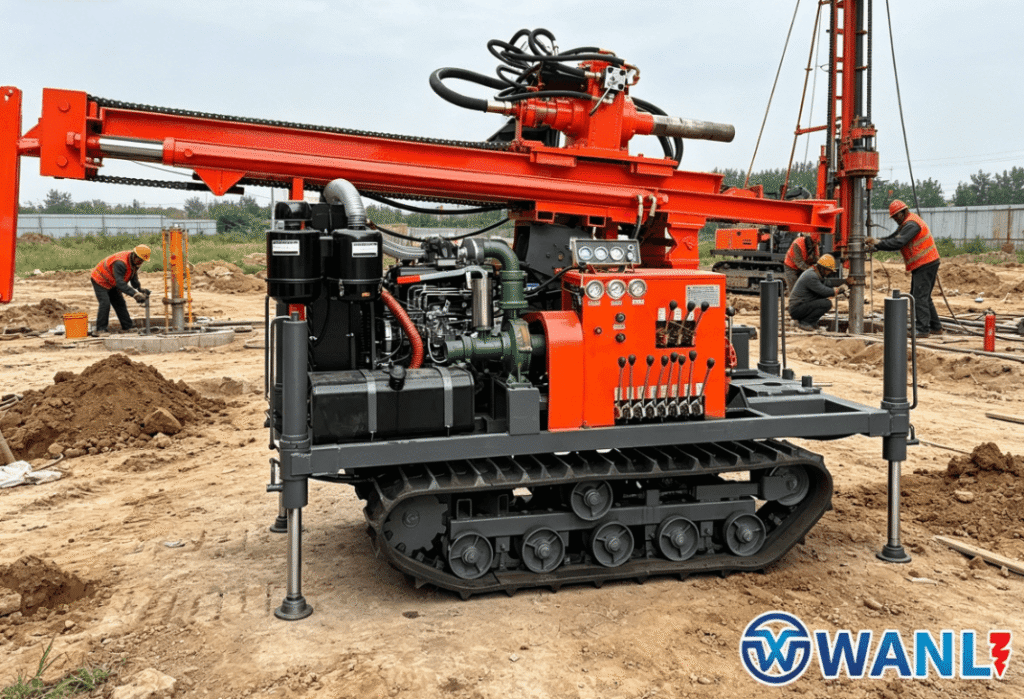
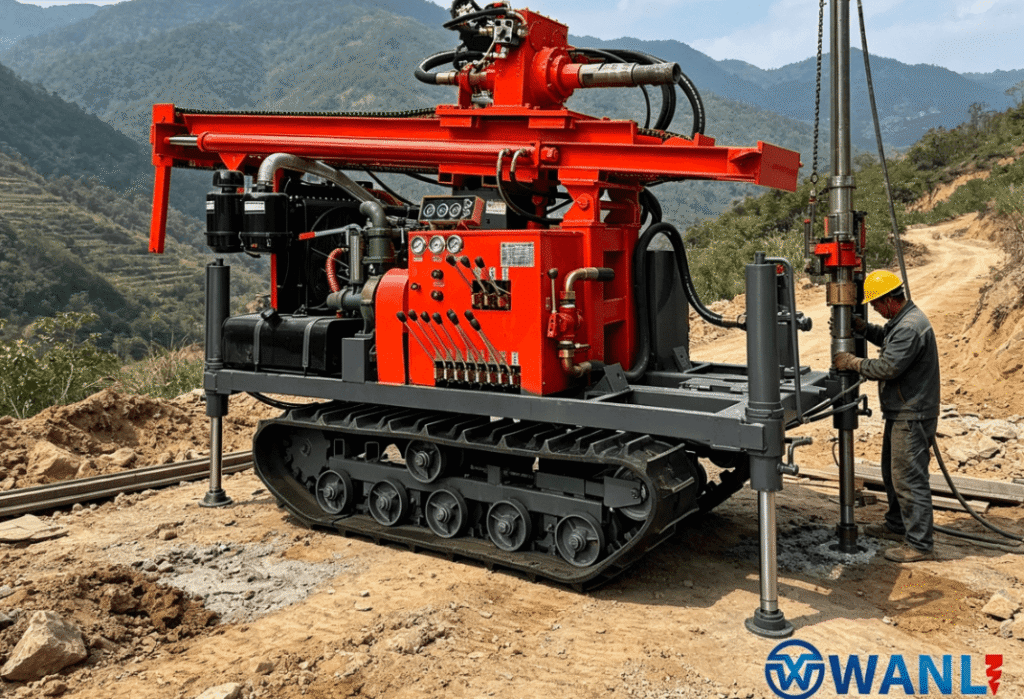
Stability is paramount when drilling several hundred meters into the earth. Crawler-mounted units offer a wide base that prevents tilting or shifting. This stability is essential for maintaining a perfectly vertical borehole throughout the project.
Comparison of Pneumatic and Hydraulic Systems
| Specification | Pneumatic DTH System | Hydraulic Rotary System |
| Drilling Speed | Fast in hard rock | Efficient in soft soil |
| Max Depth (2026) | Up to 600 meters | Up to 300 meters |
| Air Requirement | 1.7 – 3.5 MPa | Minimal |
| Typical Torque | 4,000 – 6,000 Nm | 6,000 – 9,000 Nm |
Pneumatic systems rely on massive air compressors to drive the hammer. This method is the industry standard for 2026 deep-rock drilling. It clears cuttings from the hole using high-velocity air.
Hydraulic rotary systems use fluid to move the drill bit and remove debris. This is generally preferred for shallower wells in agricultural areas. It provides better control over the borehole wall in loose formations.
Mobility and Terrain Adaptability
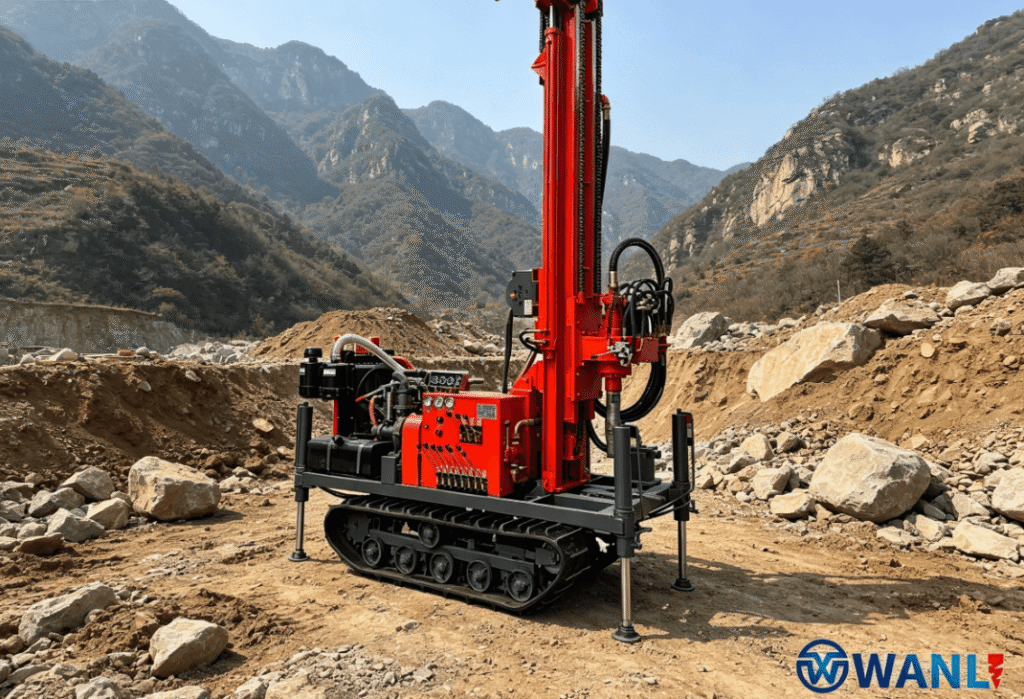
Deep borehole projects are often located in remote or rugged 2026 environments. A truck-mounted rig offers speed on highways but struggles in mud. Crawler rigs are the best water well drilling rig choice for off-road sites.
The ability to climb steep grades is a vital specification for mountain drilling. Look for machines with a climbing capacity of at least 25 degrees. This ensures you can reach the exact location where water is most likely to be found.
Remote operation features are also becoming common in 2026 equipment. Some rigs allow the operator to stand at a safe distance during the drilling process. This improves safety and provides a better view of the entire operation.
Critical Technical Specifications for 2026 Projects
To find the best water well drilling rig, you must analyze the engine power. A 2026 project usually requires a diesel engine producing between 70kW and 150kW. This power drives the hydraulic pumps and ensures consistent operation under heavy loads.
The lifting capacity of the mast is another crucial data point. For deep wells, a lifting force of 150kN to 300kN is often required. This strength is necessary to pull the heavy drill string out of the hole.
Torque determines how well the rig can turn the bit against underground friction. A torque rating of 5,000 Nm is standard for most 2026 deep-hole applications. Higher torque prevents the machine from stalling in difficult geological transitions.
Power and Torque Requirements for Success
The best water well drilling rig balances high torque with efficient fuel consumption. Modern 2026 engines are designed to meet strict emission standards while providing max power. Look for engines with turbocharging for better performance at high altitudes.
Torque is especially important when using large-diameter bits. The more surface area the bit has, the more resistance it encounters. Insufficient torque leads to slower progress and higher vibration levels.
In 2026, electronic sensors often monitor torque in real-time. These sensors help operators avoid over-stressing the drill pipe. This technology reduces the risk of expensive “fishing” jobs to recover broken equipment.
Lifting Force and Pull-Down Pressure
Lifting force is not just about pulling the pipe up. It is also about controlling the weight of the drill string. As the hole gets deeper, the weight of the pipes can exceed 10 tons.
The best water well drilling rig must have a precise braking system. This prevents the drill string from dropping uncontrollably during pipe additions. Safety valves in the hydraulic system provide an extra layer of protection.
Pull-down pressure is equally important for the initial stages of drilling. It helps the bit bite into the surface layers of the earth. In 2026, most rigs use a combination of hydraulic cylinders and chains for this purpose.
Cooling and Maintenance Standards
Operating a rig for 24 hours a day in 2026 generates significant heat. The best water well drilling rig features an oversized hydraulic oil cooler. This prevents the oil from thinning and losing its lubricating properties.
Easy access to filters and grease points simplifies daily maintenance. Machines with centralized lubrication systems save hours of labor every week. Keeping the machine clean and well-oiled extends its lifespan by several years.
Modern rigs also include diagnostic ports for quick troubleshooting. In 2026, these ports allow technicians to identify hydraulic or electrical issues. Rapid diagnostics minimize downtime and keep the project on schedule.
Selecting Your Machine Through Quality Standards
When you are ready to invest, you must evaluate the manufacturer’s product range. Choosing the right configuration requires looking at specific water well drilling rig categories. This ensures the machine you select meets the specific depth and soil requirements of your 2026 project.
A high-quality supplier provides detailed technical data for every model. You should compare the mast height, walking speed, and fuel tank capacity. These details might seem small but they impact the daily efficiency of your crew.
The best water well drilling rig is one that has a proven track record in the field. Look for equipment that utilizes global standard components like high-pressure hoses and valves. This makes it easier to find replacement parts in 2026, no matter where your project is.
A well-organized product catalog helps you filter machines by drilling method. Whether you need a truck-mounted unit or a heavy-duty crawler, the selection criteria remain the same. Focus on the core specifications that drive performance and reliability.
Summary
In 2026, choosing the best water well drilling rig requires a balance of power, depth capacity, and geological suitability. Prioritize rigs with high lifting force and robust hydraulic systems for deep borehole success. By focusing on technical data and site requirements, you can ensure a reliable and productive drilling operation.
FAQ
1. What is the maximum depth for a 2026 water well drilling rig?
Most professional 2026 crawler rigs are designed to reach depths of 300 to 600 meters. The actual depth achieved depends on the geological formation and the capacity of the air compressor used. Heavier rigs are required for projects exceeding 400 meters to ensure stability and lifting power.
2. How do I choose between air and mud drilling?
Air drilling is the best method for hard rock formations like granite or basalt. Mud drilling is preferred for soft, sandy, or unstable soil where the borehole might collapse. Modern 2026 rigs often support both methods, allowing you to switch based on the specific layers you encounter.
3. What is the importance of torque in the best water well drilling rig?
Torque represents the rotational force needed to turn the drill bit against ground resistance. For deep boreholes in 2026, a torque of 4,000 to 8,000 Nm is typically necessary. Higher torque allows for larger diameter holes and prevents the drill string from getting stuck in sticky or dense layers.
4. Are crawler rigs better than truck-mounted rigs for deep wells?
Crawler rigs offer superior stability and off-road mobility, which is essential for most deep borehole sites in 2026. Truck-mounted rigs are more suitable if you have many projects in different cities and need to travel quickly on highways. For rough terrain, the crawler is almost always the best water well drilling rig choice.
5. What maintenance is essential for a 2026 hydraulic drilling rig?
The most important maintenance tasks are changing hydraulic filters and monitoring oil quality. You must also regularly grease the mast slides and inspect high-pressure hoses for any signs of wear. Proper cooling system maintenance is also critical for rigs operating in the high temperatures often seen in 2026 projects.
Reference Sources
National Ground Water Association