The XY-1 core drilling rig remains the global benchmark for light-weight, high-efficiency geological exploration. Designed specifically for mobility in challenging terrains, this hydraulic-feed spindle-type rig balances power with portability, making it the preferred choice for geotechnical engineers and drilling contractors worldwide.
Whether you are conducting soil sampling for a high-rise foundation or performing mineral prospecting in remote mountainous regions, understanding the technical capabilities and manufacturing standards of the XY-1 series is critical for project success.
Why the XY-1 Core Drilling Rig is the Industry Standard for Portability
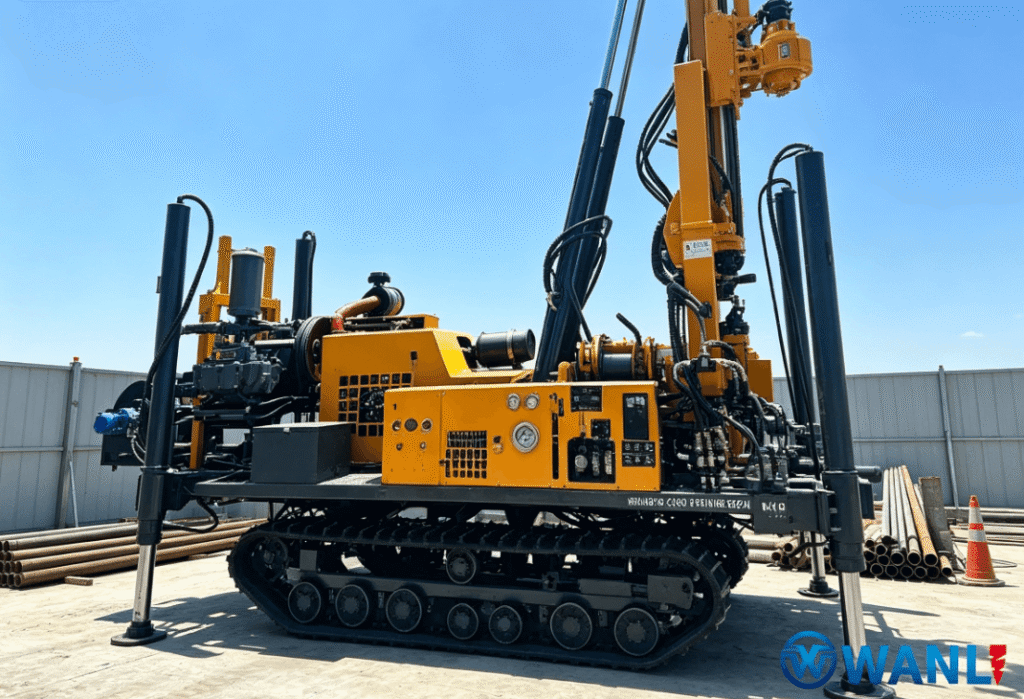
The XY-1 core drilling rig is engineered to solve the “last mile” logistics problem in geotechnical engineering. Traditional heavy rigs require significant site preparation and road access. In contrast, the XY-1’s modular design allows it to be disassembled and transported via light vehicle or even manual labor in extreme environments.
The core of its popularity lies in the hydraulic feed mechanism. Unlike manual feed systems, the XY-1 provides a stable, controlled downward pressure, which significantly improves drilling speed while reducing the physical labor required by the operator. This precision is vital when transitioning through different geological strata, such as moving from soft clay to weathered rock.
Technical Specification Overview: Performance and Capacity
Selecting the right configuration of the XY-1 depends on your borehole depth requirements and the hardness of the formation. While the “standard” XY-1 is a 100-meter rig, variations exist to optimize for torque or speed.
| Feature | Specification Details | Industrial Utility |
| Drilling Depth | 100 Meters (Standard) | Ideal for shallow geotechnical surveys |
| Hole Diameter | 75mm to 110mm | Accommodates standard sampling tools |
| Spindle Speed | 142 – 1010 r/min | High speed for diamond bit efficiency |
| Max Torque | 450 N·m | High enough for difficult overburden |
| Power Source | Diesel Engine (8-10HP) or Electric Motor | Versatility for remote or urban sites |
| Weight (Base) | ~490 kg (excluding power unit) | Highly portable and modular |
For project managers evaluating equipment, it is important to note that the XY-1 is often paired with a BW-series mud pump. The integration of the pump directly into the hydraulic circuit (in certain models) ensures consistent borehole cleaning and bit cooling, which are the two most common points of failure in field operations.
Primary Industrial Applications and Site Suitability
The XY-1 core drilling rig is not a “one size fits all” machine, but its versatility makes it indispensable in three specific sectors:
1. Geotechnical Site Investigation
Before any civil engineering project—be it a bridge, railway, or dam—engineers must understand the soil’s load-bearing capacity. The XY-1 is frequently used to perform Standard Penetration Tests (SPT) and to extract undisturbed soil samples. Its ability to maintain a steady verticality ensures that the data collected is accurate and compliant with international standards like ASTM D1586.
2. Small-Scale Water Well Drilling
In rural development or irrigation projects, the XY-1 serves as an efficient tool for shallow water wells. While it is not designed for deep artesian wells, its 100-meter capability is more than sufficient for many domestic and agricultural needs, especially in areas where heavy machinery cannot reach.
3. Mineral Prospecting and Trenching
For mining companies in the early stages of exploration, the XY-1 provides a cost-effective way to obtain core samples from outcrops or shallow deposits. It allows geologists to map mineral veins without the massive capital expenditure of mobilizing a full-scale truck-mounted rig.
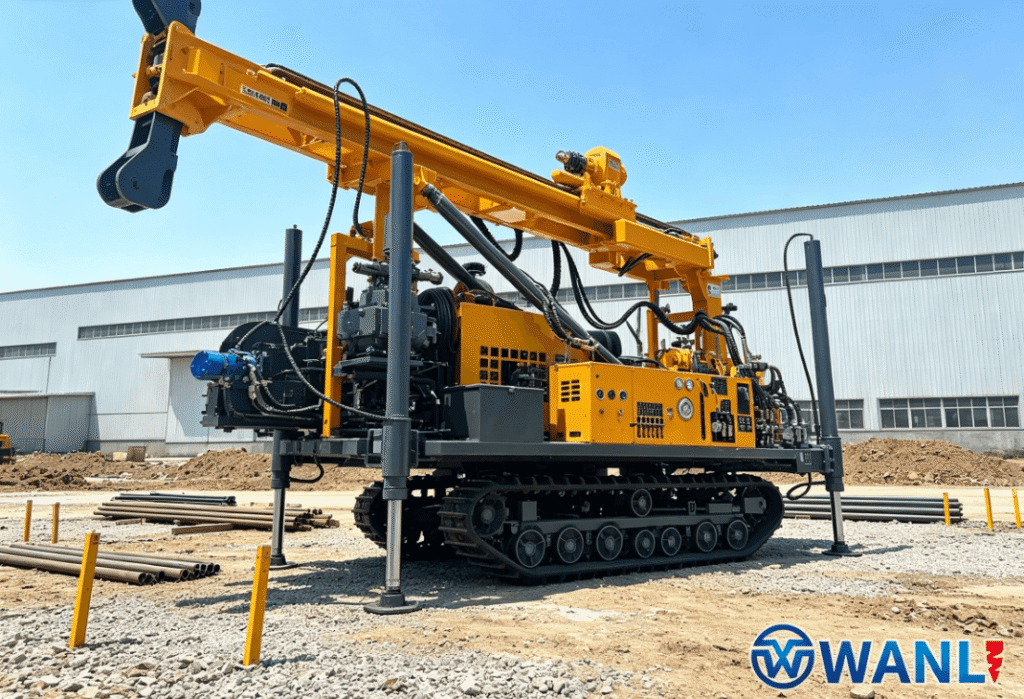
Manufacturing Quality and OEM Customization Logic
When sourcing an XY-1 core drilling rig from a manufacturer like Shandong Wanli, procurement officers must look beyond the price tag. The reliability of a rig is determined by the quality of its metallurgy and the precision of its hydraulic components.
Key Manufacturing Indicators:
- Heat Treatment of Gears: The spindle and transmission gears undergo rigorous heat treatment to prevent shearing under high-torque conditions.
- Hydraulic Seal Integrity: High-quality rigs utilize premium seals (often sourced from international brands) to prevent oil leaks, which are a major cause of downtime in high-temperature environments.
- Modular Frame Strength: The chassis must be rigid enough to handle the vibration of a diesel engine while remaining light enough for transport.
From a B2B perspective, customization is often necessary. Manufacturers typically offer variations such as the XY-1A (higher spindle speed for diamond drilling) or the XY-1B (integrated pump system). Buyers should specify their requirements regarding the power unit—while diesel is standard for remote sites, electric motors are often mandatory for urban projects due to noise and emission regulations.
Sourcing and RFQ Workflow: From Factory to Field
For international buyers, the procurement of a drilling rig involves more than just the machine itself. A professional manufacturer should provide a comprehensive “Ready-to-Drill” package.
- Technical Consultation: Define the drilling depth, rock hardness (Protodyakonov scale), and site accessibility.
- Tooling Configuration: Ensure the RFQ includes the correct drill rods (usually 42mm or 50mm), core barrels (single or double tube), and bits (tungsten carbide for soil, impregnated diamond for rock).
- Quality Inspection: Reputable manufacturers conduct factory load tests. You should request a video of the rig running through its gear cycles and hydraulic lift phases before shipment.
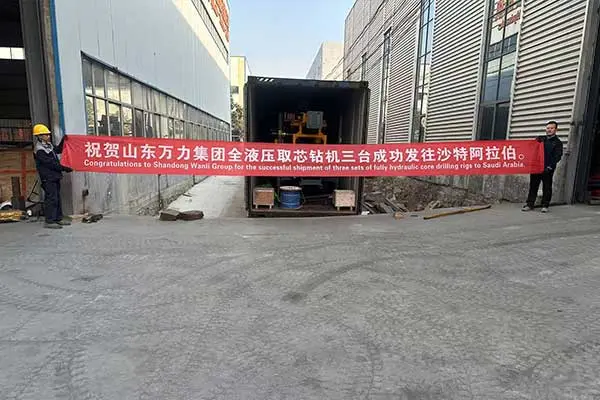
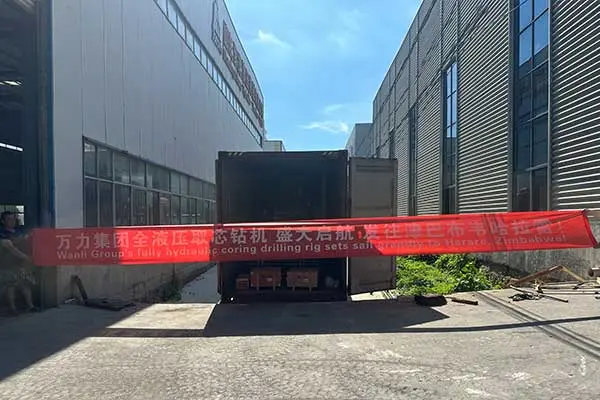
- Lead Times and Logistics: Standard XY-1 rigs are often in stock or have a 7-14 day production cycle. Ensure the packaging is “Sea-worthy”—meaning the rig is treated with anti-rust oil and secured in a reinforced steel or wooden crate to prevent salt-air corrosion during transit.
Maintenance and Long-term Operational Reliability
To maximize the ROI of an XY-1 core drilling rig, the operator must adhere to a strict maintenance schedule. Because these machines operate in high-dust and high-vibration environments, the hydraulic oil must be filtered regularly.
- Daily Checks: Lubricate the spindle bushings and check hydraulic fluid levels.
- Weekly Tasks: Inspect all high-pressure hose connections for micro-cracks.
- Seasonal Maintenance: Replace the transmission oil and inspect the clutch plates for wear.
By sourcing from an established manufacturer, you ensure that spare parts—such as hydraulic valves, clutch assemblies, and gear sets—are readily available for years to come. This “life-cycle support” is what distinguishes a professional-grade XY-1 from generic, low-cost imitations.
FAQ: Professional Sourcing & Technical Insights
Q1: What is the maximum drilling depth for the XY-1 in hard rock?
While the theoretical limit is 100 meters, practical depth in hard rock depends on the bit diameter and the flushing capacity of the mud pump. Using a 75mm diamond bit, 80-100 meters is achievable for experienced operators.
Q2: Can the XY-1 be mounted on a trailer or crawler?
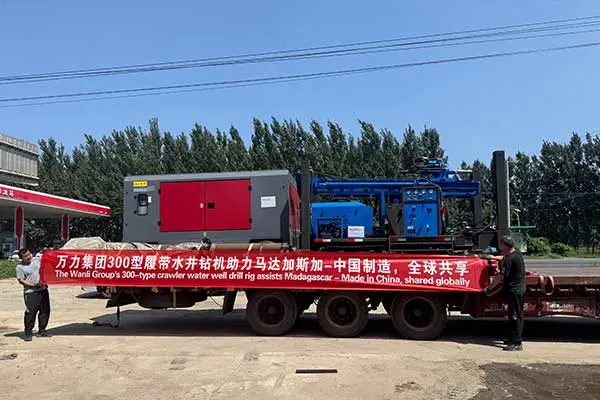
Yes. Manufacturers frequently offer “Mobile XY-1” configurations where the rig is mounted on a two-wheeled trailer or a small rubber-tracked crawler for faster site-to-site relocation.
Q3: What is the typical MOQ and lead time for wholesale orders?
For B2B distributors, the MOQ is often 1 unit, though freight costs are significantly lower when ordering 3+ units in a 20ft container. Lead times for standard units are typically under 15 days.
Q4: How does the manufacturer ensure the verticality of the borehole?
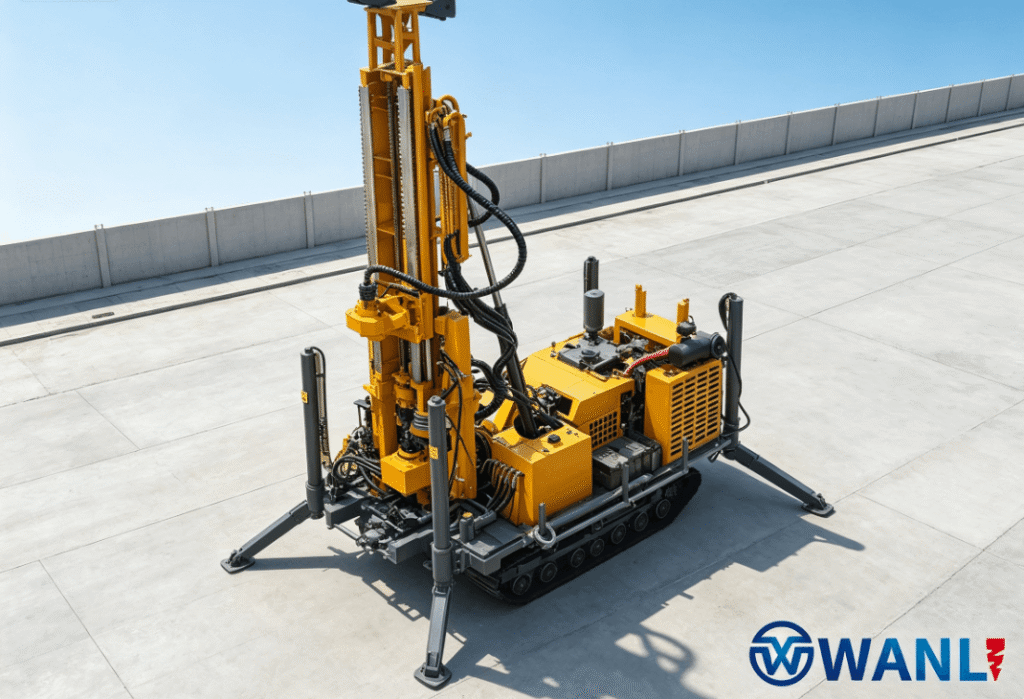
The XY-1 features a robust spindle guide system. However, the operator must ensure the rig is perfectly leveled using the four stabilizing jacks provided on the frame before starting the hole.
Q5: What certifications should I look for in an XY-1 manufacturer?
Look for ISO 9001:2015 for quality management and CE certification if the rig is intended for the European market. SGS or Intertek factory audit reports are also strong indicators of a reliable supplier.
Reference Sources
- ISO 9001:2015 – International Standard for Quality Management Systems in Manufacturing.
- ASTM D1586 / D1586M – Standard Test Method for Penetration Test (SPT) and Split-Barrel Sampling of Soils.
- British Standard BS 5930 – Code of practice for ground investigations.
- Manufacturer Documentation: Shandong Wanli Coring Drilling Rig Series.