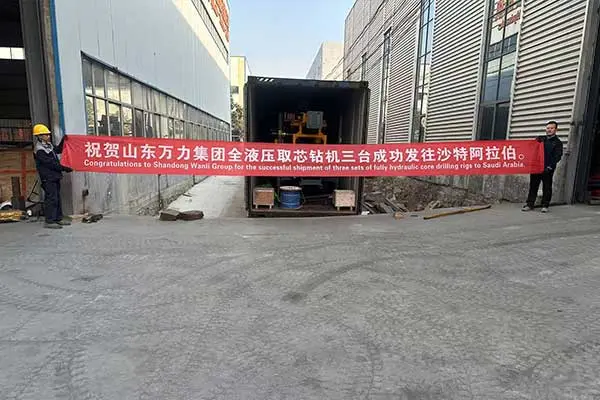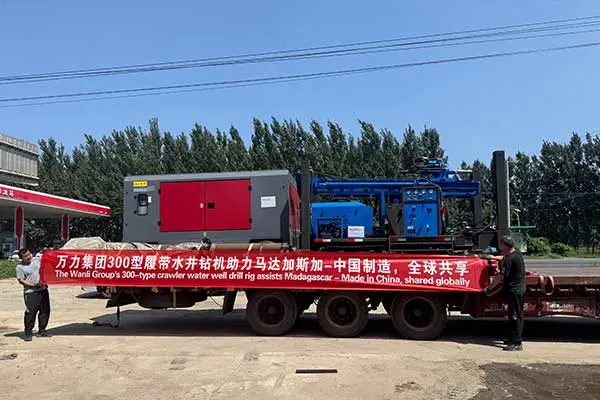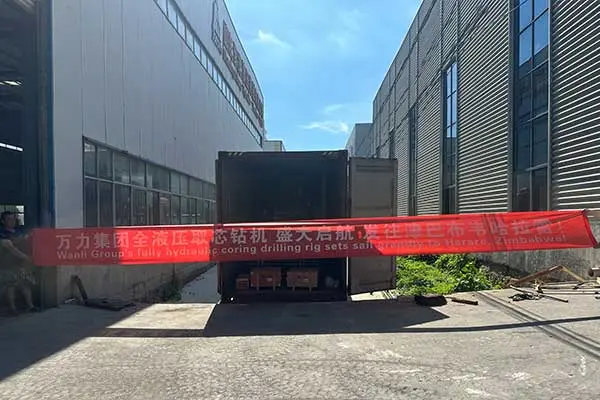
The success of a multi-year geological survey or a regional water infrastructure program depends less on the initial purchase price of equipment and more on the engineering reliability of the fleet. For procurement managers and lead engineers, selecting a drilling rig supplier is a strategic decision that impacts project uptime, maintenance overhead, and overall ROI.
When projects span several years, the “sticker price” of a machine is often eclipsed by the cost of downtime. A single week of operational failure on a remote site can cost more than the premium paid for a high-specification rig. Therefore, the evaluation process must shift from simple vendor selection to a deep-dive technical audit of the manufacturer’s capabilities.
Technical Alignment: Matching Rig Engineering to Project Geology
A common mistake in the RFQ (Request for Quote) process is prioritizing generalized power over application-specific torque and feed systems. Long-term projects require machines engineered for specific geological strata.
Coring Drilling Rigs for Precision Exploration
For mineral exploration and geotechnical sampling, the focus remains on core recovery rates and spindle speed control. A competent supplier should offer coring drilling rigs that utilize wireline technology and high-torque hydraulic heads. In deep-hole applications (exceeding 600-1000 meters), the stability of the mast and the precision of the hydraulic feed system determine the integrity of the geological sample.
Water Well Rigs for High-Volume Infrastructure
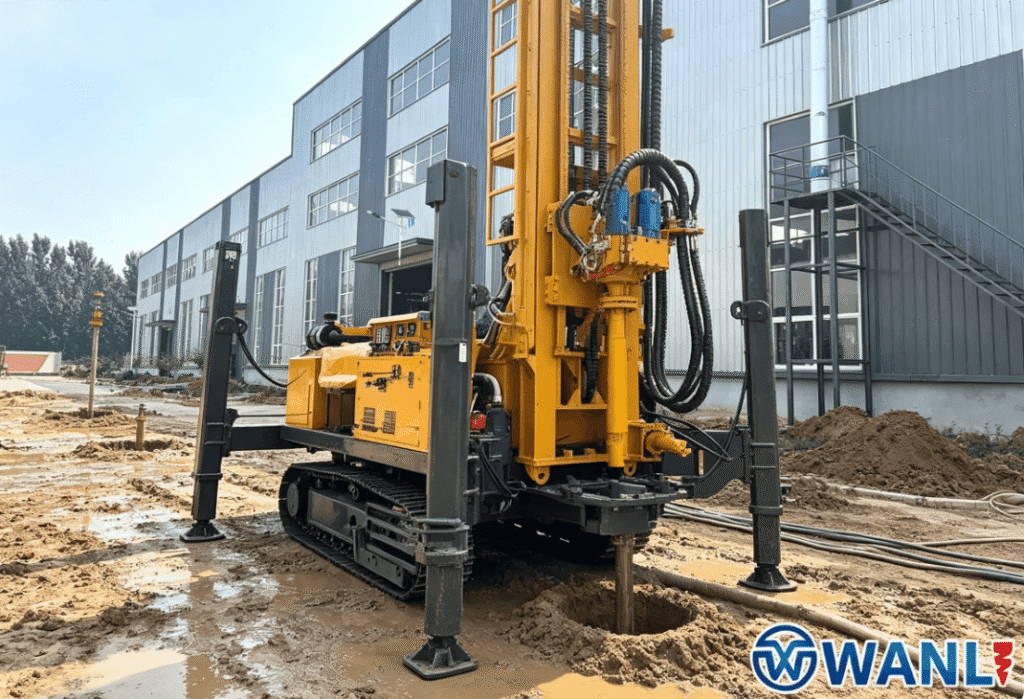
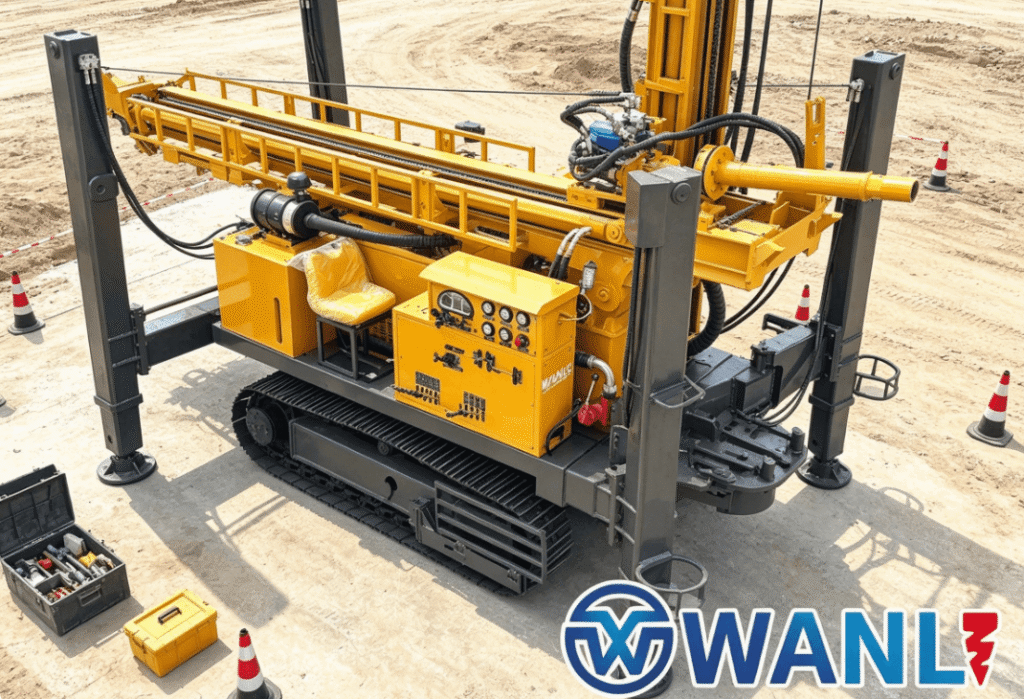
In contrast, water well projects prioritize hole diameter and penetration rates in varying overburden. Whether the project requires a crawler-mounted or trailer-mounted configuration, the water well drilling rig must support both DTH (Down-The-Hole) air hammers and mud rotary drilling. Suppliers who understand these dual-modality requirements provide much higher value than those selling off-the-shelf units.
Evaluating Manufacturing Infrastructure and Quality Control
A reputable drilling rig supplier must demonstrate more than just an assembly line. For long-term B2B partnerships, you are looking for evidence of “Design for Reliability” (DfR).
- Hydraulic System Integrity: Ask for the origin of hydraulic pumps and valves. Top-tier suppliers often utilize components from globally recognized brands like Rexroth or Kawasaki, or high-end domestic equivalents that offer standardized seal kits.
- Steel Grade and Welding Standards: The chassis and mast undergo immense cyclical stress. Verify if the manufacturer uses Q345B or higher-grade structural steel and whether their welding processes meet ISO or AWS standards.
- Engine Compliance: For projects in regulated regions, ensure the diesel power units (such as Yuchai, Cummins, or Deutz) meet the required emission tiers (Tier 3/Stage III or higher).
Customization and OEM Capability
Long-term projects rarely fit a “standard” mold. You might encounter unconventional terrain, extreme temperatures, or specific transport weight limits. A supplier’s ability to modify standard platforms is a key indicator of their engineering depth.
Critical customization factors include:
- Chassis Adaptation: Choosing between steel crawlers for rocky terrain or rubber tracks for urban geotechnical work.
- Power Take-Off (PTO) Adjustments: Modifying the hydraulic circuit to power auxiliary equipment like mud pumps or foam injection systems.
- Climate Packages: Adding oil coolers for desert operations or pre-heating systems for high-altitude/Arctic environments.
The Realities of Supply Chain: Lead Times and MOQ
In a transactional B2B context, transparency regarding production cycles is paramount. While some standard water well rigs may be in stock, specialized coring rigs often require a 30-to-60-day lead time depending on the customization level.
- MOQ (Minimum Order Quantity): For most industrial drilling rigs, the MOQ is 1 unit. However, purchasing a fleet (3+ units) often unlocks significant advantages in “spare parts packages” and on-site commissioning support.
- Shipping Logistics: Heavy machinery logistics involve Breakbulk or Flat Rack containers. A sophisticated supplier will provide detailed packing lists and rust-prevention measures (VCI packaging) for long-distance maritime transit.
Total Cost of Ownership (TCO) vs. Initial Capital Expenditure
For a project lasting 3 to 5 years, the initial purchase price typically represents only 30-40% of the total cost. The remaining 60% is comprised of:
- Consumables: Drill rods, diamond bits, and hammers.
- Fuel Efficiency: The difference in fuel consumption between an optimized hydraulic system and a poorly matched one can save thousands of dollars annually.
- Parts Availability: A supplier that maintains a robust inventory of “wear parts” (filters, seals, hydraulic hoses) ensures your project doesn’t stall for a $50 part.
Why Procurement Teams Prioritize SDWanli for Rig Fleets
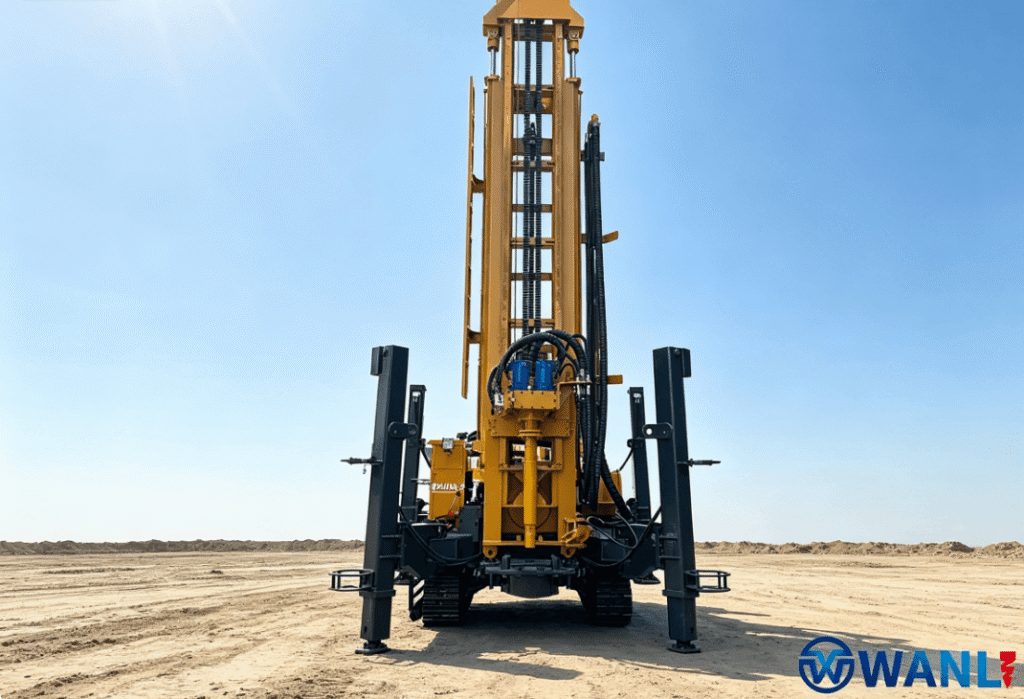
When evaluating suppliers like SDWanli, the advantage lies in their specialized product segmentation. By maintaining dedicated lines for both coring drilling rigs and water well drilling rigs, they offer a consultative approach to procurement. Their engineering team can match the hydraulic pressure requirements and torque ratings specifically to the depth and diameter targets of your long-term contract, ensuring you don’t over-pay for power you don’t need or under-spec a machine that will fail under load.
FAQ: Drilling Rig Procurement
1. What is the typical lead time for a custom-configured drilling rig?
For standard models with minor modifications, lead times usually range from 20 to 45 days. Fully customized OEM projects involving specialized chassis or unconventional power units may take 60 to 90 days. Always account for an additional 3–5 weeks for international sea freight.
2. How do I verify the quality of a drilling rig supplier remotely?
Request a “Factory Audit Report” or a live video walkthrough of the production line. Look for ISO 9001 certification and ask for the Material Test Reports (MTRs) for the steel used in the mast. Professional suppliers will also provide third-party inspection reports (SGS or BV) upon request.
3. Do suppliers provide on-site training for long-term projects?
Most reputable manufacturers offer comprehensive digital manuals and video training. For fleet purchases, many suppliers can dispatch an engineer for on-site commissioning and operator training, though this usually involves additional travel costs.
4. What spare parts should be included in the initial RFQ?
For long-term projects, your “Initial Spares Kit” should include a full set of hydraulic filters, seal kits for all cylinders, high-pressure hoses, and a selection of drill bits matched to the expected strata.
5. How is the warranty handled for international shipments?
Standard industrial warranties cover major components (engine, hydraulic pump, main valve) for 12 months. In B2B transactions, “Parts-Only” warranties are standard, where the supplier ships the replacement part via express courier, and the site mechanic performs the installation.
Reference Sources
- ISO 9001:2015 – Quality Management Systems for Heavy Machinery Manufacturing.
- API Specification 4F – American Petroleum Institute standards for Drilling and Well Servicing Structures.
- DCDMA (Diamond Core Drill Manufacturers Association) – Standards for core drilling equipment and hole sizes.
- SGS Industrial Manufacturing Services – Third-party verification and inspection protocols for heavy equipment.
- Manufacturer Technical Documentation – Performance charts and hydraulic schematics for HZ and KW series rigs (Reference: sdwanli.com).