In the heavy machinery industry, the purchase of a drilling rig is rarely a one-time transaction; it is the beginning of a decade-long operational partnership. While the initial capital expenditure (CAPEX) often dominates the boardroom discussion, experienced fleet managers and lead engineers know that the true cost of a machine is revealed in the field.
A drilling rig is a complex integration of hydraulic systems, high-torque power heads, and precision feed mechanisms operating under extreme geological stress. When a component fails in a remote location, the difference between a minor delay and a project-ending catastrophe is the quality of the manufacturer’s after-sales support.
Beyond the Price Tag: The Technical Reality of Drilling Downtime
The financial impact of a “dead” rig on-site goes far beyond the cost of a replacement seal or a hydraulic pump. You must account for idle labor costs, missed contract milestones, and potential liquidated damages. In high-pressure industries like mineral exploration or municipal water development, a rig sitting idle for 48 hours can cost more than the annual maintenance contract itself.
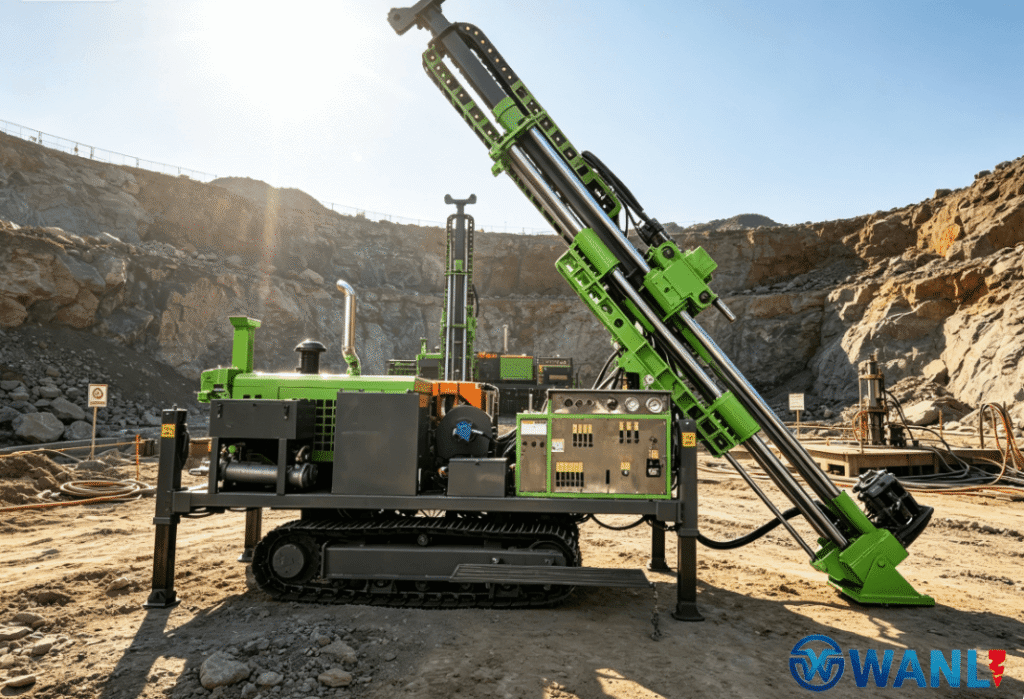
Drilling environments are inherently hostile. Whether you are operating a coring drilling rig for geological sampling or a heavy-duty water well drilling rig, the machine is constantly subjected to abrasive dust, extreme vibration, and fluctuating hydraulic pressures. Wear is inevitable. After-sales service is the insurance policy that ensures this wear does not lead to a total system collapse.
The Four Pillars of Professional Drilling Rig After-Sales Service
When evaluating a supplier’s commercial proposal, you must look past the machine specifications and audit their support infrastructure. A robust after-sales program is built on four critical pillars:
1. Rapid Spare Parts Logistics
A manufacturer might have the best rig in the world, but if their proprietary seals or control valves take six weeks to clear international shipping, the rig is a liability. Leading OEMs maintain strategic inventories of high-wear items—such as hydraulic filters, O-rings, drill pipe threads, and rotary head bearings—ready for immediate dispatch.
2. Specialized Technical Training
Modern rigs, particularly those used in core drilling, require precise calibration of feed pressure and rotation speeds to ensure high core recovery rates. After-sales service should include operator training. An untrained operator is the most common cause of premature hydraulic failure and “stuck pipe” incidents.
3. On-Site and Remote Troubleshooting
With the integration of PLC systems and hydraulic manifolds, diagnosing a loss of pressure requires expert knowledge. Professional support includes “tele-diagnostics” or the ability to deploy a field service engineer who understands the specific nuances of your rig’s circuit diagrams.
4. Proactive Maintenance Schedules
True after-sales service is preventative, not just reactive. Suppliers should provide detailed maintenance intervals based on “engine hours” or “meters drilled,” helping you replace $500 wear parts before they cause $5,000 in secondary damage to the power head or engine.
Performance Comparison: Support Impact on Project Success
| Feature | Low-Cost Supplier (Minimal Support) | Premium Manufacturer (Full After-Sales) |
| Technical Documentation | Generic manuals, often poorly translated. | Detailed schematics, parts books, and SOPs. |
| Spare Parts Access | 4–8 week lead times; localized sourcing required. | 24–72 hour dispatch for critical components. |
| Warranty Claims | Lengthy disputes; buyer pays for shipping. | Streamlined “Field Failure” reporting and support. |
| Operational Lifespan | 3–5 years before major efficiency loss. | 10+ years with consistent OEM overhauls. |
| Resale Value | Low; lack of service history hurts trust. | High; documented OEM service adds value. |
Application-Specific Support: Coring vs. Water Well Rigs
The technical support requirements vary significantly depending on the machine’s application.
For coring drilling operations, precision is the priority. These rigs often use sophisticated diamond bits and wireline systems. After-sales support here must focus on the “fine-tuning” of the hydraulic feed system. If the pressure compensation valve isn’t adjusted correctly, you risk burning the bit or fracturing the core sample. Expertise in geological conditions is a vital part of the manufacturer’s after-sales value.
Conversely, water well drilling rigs are often “beasts of burden” working in rural or developing regions. The after-sales priority here is ruggedness and simplicity in parts replacement. A manufacturer who understands the remote nature of water well projects will design their after-sales around “kit” solutions—pre-packaged maintenance boxes that contain everything needed for a 500-hour service interval in the field.
Calculating Total Cost of Ownership (TCO)
In B2B procurement, the “sticker price” is a vanity metric. The “Total Cost of Ownership” is the sanity metric.
TCO=PurchasePrice+(DowntimeHours×HourlyRate)+MaintenanceCosts−ResaleValueTCO=PurchasePrice+(DowntimeHours×HourlyRate)+MaintenanceCosts−ResaleValueA rig with a slightly higher initial price but an exceptional after-sales network almost always results in a lower TCO. Why? Because the “Downtime” variable is minimized. If your manufacturer provides immediate technical guidance and stocks parts locally, your “Cost of Failure” drops by 70-80%.
Vetting Your Supplier: The Post-Purchase Checklist
Before signing a procurement contract, ask the following questions to verify the manufacturer’s after-sales claims:
- Where is the nearest parts hub? If the answer is “overseas only,” calculate the customs and shipping delays into your risk model.
- Is the technical manual rig-specific? Ensure you receive full hydraulic and electrical schematics.
- What is the “Critical Component” list? Ask the manufacturer which parts they recommend you keep on-site (on-hand inventory) to ensure zero-day recovery.
- Are training sessions included? Ask if they provide digital training or on-site commissioning for your drillers.
- What is the warranty response time? Request a Service Level Agreement (SLA) that defines how quickly they respond to a “Rig Down” (Level 1) emergency.
Summary: The Strategic Value of Service
In the drilling industry, you aren’t just buying steel and hydraulics; you are buying the ability to reach a target depth on time and under budget. A drilling rig without after-sales service is a ticking clock. By prioritizing suppliers like SDWanli, who understand the mechanical rigors of both core exploration and water well development, you ensure that your investment remains an asset rather than becoming an expensive piece of yard art.
FAQ: Drilling Rig After-Sales and Support
Q: Why is after-sales service more important for drilling rigs than other construction equipment?
A: Unlike excavators or loaders, drilling rigs operate under constant “blind” stress. You cannot see the drill bit 200 meters underground. The torque and pressure requirements change second-by-second based on the strata. This leads to unique wear patterns that require specialized OEM knowledge to diagnose and repair.
Q: Can I use generic parts to save money on maintenance?
A: While filters or hoses can sometimes be swapped for generics, critical components like hydraulic pumps, valves, and rotary seals are often tuned to specific flow rates and pressures. Using non-OEM parts can void your warranty and, more importantly, cause catastrophic failure in the central hydraulic block.
Q: How does after-sales service affect the resale value of my rig?
A: Secondary buyers in the drilling industry look for “Service Logs.” A rig that has been maintained via an official after-sales program with OEM parts retains a much higher percentage of its value, as it proves the machine has not been “run into the ground” with makeshift repairs.
Q: What is a “Maintenance Kit,” and should I buy one with the rig?
A: Yes. Most reputable manufacturers offer 250-hour, 500-hour, and 1000-hour kits. These contain all the necessary consumables (seals, filters, gaskets) for scheduled service. Purchasing these upfront ensures you don’t experience downtime simply because you’re missing a $20 filter.
Reference Sources
- ISO 20473: International standards for the technical documentation and safety of drilling and foundation equipment.
- DCDMA (Diamond Core Drill Manufacturers Association): Guidelines on the standardization and maintenance of core drilling equipment.
- International Association of Drilling Contractors (IADC): Industry benchmarks for operational efficiency and maintenance safety protocols.
- Manufacturer Technical Manuals (Wanli Group): Specific maintenance intervals and hydraulic pressure calibration standards for Coring and Water Well series.