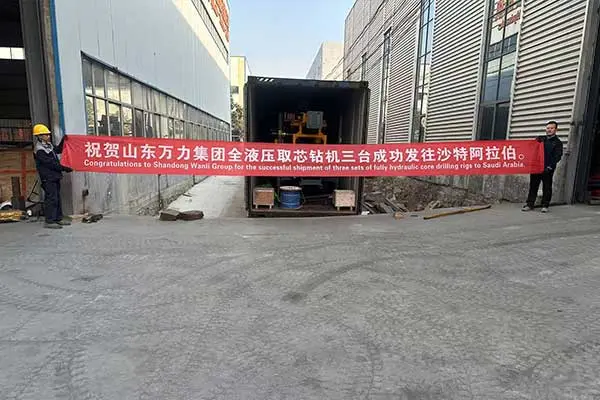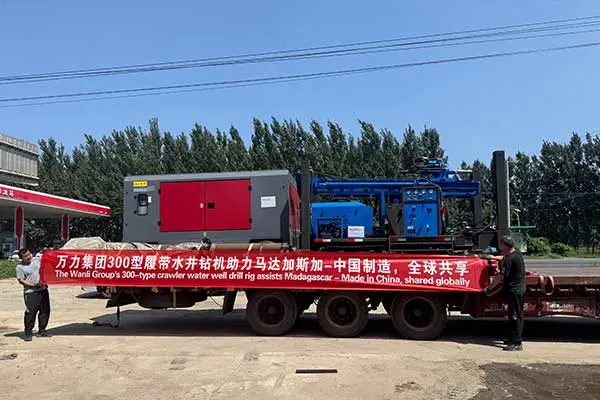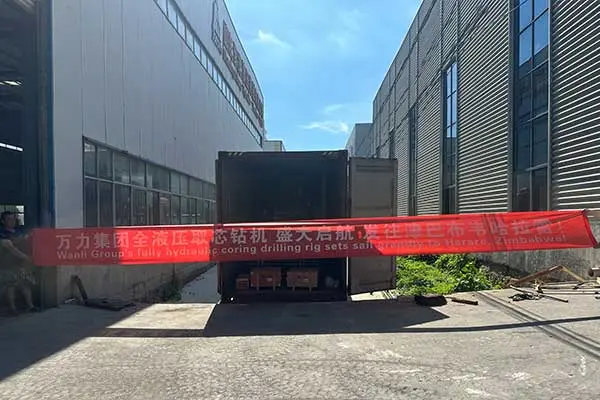
A drilling rig is a specialized machine designed to create deep holes in the ground for various applications, including oil and gas exploration, mining, water well construction, and geotechnical engineering. Modern drilling rigs combine powerful mechanical systems, advanced control technologies, and durable components to efficiently penetrate different types of rock and soil. Depending on the project requirements, drilling rigs can be classified into several types, such as rotary drilling rigs, truck-mounted drilling rigs, crawler drilling rigs, and offshore drilling platforms. With their high performance, precision, and adaptability, drilling rigs play a crucial role in energy development, infrastructure construction, and natural resource exploration worldwide.
The history of drilling rigs dates back thousands of years, with early civilizations using simple hand tools to extract water and minerals from the earth. The development of modern drilling technology began in the 19th century with the rise of mechanical drilling systems, which significantly improved drilling speed and depth. During the Industrial Revolution, steam-powered drilling rigs were introduced, followed by more advanced hydraulic and electric-powered machines in the 20th century. The discovery of oil fields and the expansion of the petroleum industry accelerated the evolution of drilling rigs, leading to the creation of offshore drilling platforms and automated drilling systems. Today, advanced drilling rigs use digital monitoring, artificial intelligence, and automation technologies to achieve safer, faster, and more efficient operations.In our manufacturing drilling equipment, we found that customers often choose rigs based only on drilling depth, but ground condition is actually more important.
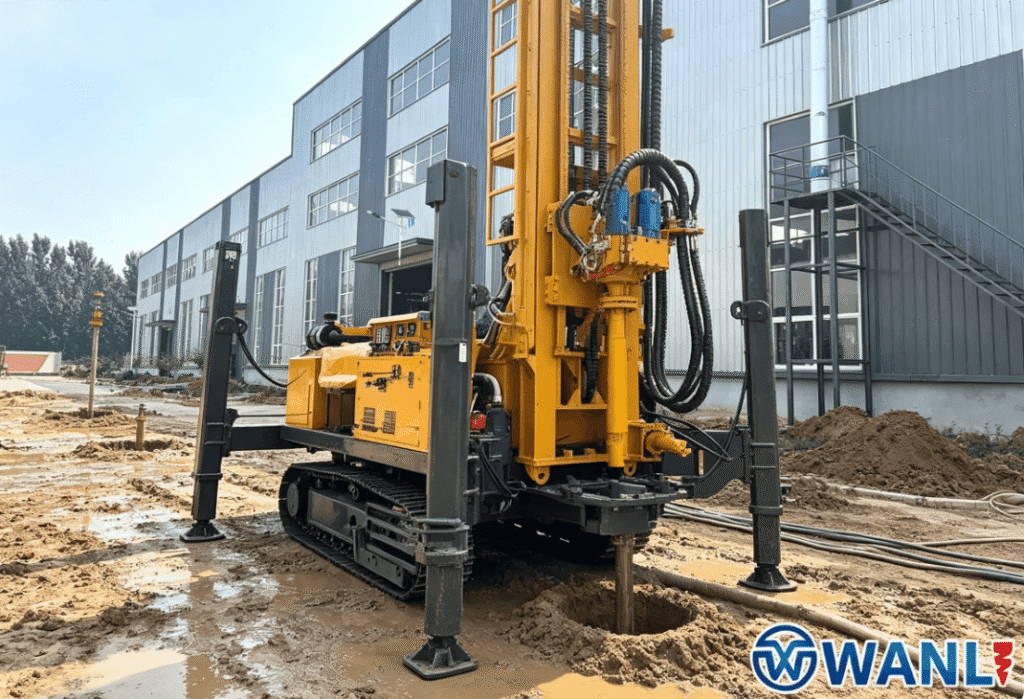
Structure of a Drilling Rig: Key Components and Their Functions
A drilling rig is a complex mechanical system consisting of multiple components that work together to complete drilling operations efficiently and safely. From oil and gas exploration to mining, water well construction, and geotechnical engineering, each component of a drilling rig has a specific function. The overall performance of a drilling rig depends on the coordination between its structural, power, drilling, and control systems. Understanding the key components of a drilling rig helps users select suitable equipment and improve drilling efficiency.
1. Mast and Derrick: The Supporting Structure of a Drilling Rig
The mast or derrick is the main supporting framework of a drilling rig. It provides vertical support for the drill string, lifting equipment, and other drilling tools during operation. Built with high-strength steel materials, the mast ensures stability and safety while handling heavy loads. Different drilling applications require different mast designs, including fixed, telescopic, and mobile structures, to meet various working conditions.
2. Drill String: The Main Drilling Transmission System
The drill string is a critical component that connects the surface equipment to the drill bit deep underground. It consists of drill pipes, drill collars, and connecting tools that transmit rotational force and drilling fluid to the bottom of the borehole. The drill string must withstand high torque, pressure, and vibration while maintaining drilling accuracy. A well-designed drill string improves drilling efficiency and extends equipment service life.
3. Drill Bit: The Core Tool for Rock Penetration
The drill bit is the cutting tool located at the bottom of the drill string and is responsible for breaking through rock and soil formations. Different drilling environments require different types of drill bits, such as roller cone bits, diamond bits, and PDC bits. The quality and design of the drill bit directly influence drilling speed, penetration rate, and overall operational costs.
4. Drilling Operation Systems: Power, Rotation, Hoisting, Circulation, and Control
The drilling operation system is the core working system of a drilling rig, combining multiple subsystems that work together to achieve efficient, stable, and safe drilling performance. These systems provide drilling power, control equipment movement, maintain borehole conditions, and optimize the overall drilling process. The main operational systems include the rotary system, hoisting system, mud circulation system, power system, and control system.
| Drilling Operation System | Main Function | Key Components | Role in Drilling Operations |
| Rotary System | Provides rotational power to the drill string | Rotary table, top drive, rotary head | Generates torque and controls rotation speed, allowing the drill bit to penetrate rock formations efficiently |
| Hoisting System | Controls lifting and lowering of drilling equipment | Drawworks, winch, wire rope, traveling block | Moves the drill string and drilling tools safely, supports pipe handling, and adjusts drilling depth |
| Mud Circulation System | Manages the circulation of drilling fluid | Mud pumps, mud tanks, pipelines, filtration equipment | Cools and lubricates the drill bit, removes rock cuttings, controls underground pressure, and stabilizes the borehole |
| Power System | Supplies energy for drilling rig operations | Diesel engines, electric motors, hydraulic power units | Drives mechanical systems, supports continuous operation, and improves drilling efficiency |
| Control System | Monitors and manages drilling processes | Sensors, control panels, automation systems, digital monitoring platforms | Tracks drilling parameters, improves accuracy, enhances safety, and enables intelligent drilling management |
Types of Drilling Rigs and Their Specialized Functions
Overview of Drilling Rig Types
Drilling rigs are available in various designs to meet different drilling requirements, geological conditions, and application fields. Based on their structure, mobility, and operating purpose, drilling rigs can be divided into common drilling rigs and specialized drilling rigs. Common drilling rigs are widely used in construction, foundation engineering, and general drilling projects, while specialized drilling rigs are developed for specific industries such as oil exploration, mining, and groundwater extraction.
Rotary Drilling Rig: The Most Common Drilling Equipment for Foundation Engineering
The rotary drilling rig is one of the most widely used drilling machines in modern construction and engineering projects. It uses a rotating drill bucket or drill bit to cut and remove soil and rock formations, providing efficient and precise drilling performance. Due to its high torque output, strong adaptability, and accurate vertical control, rotary drilling rigs have become a preferred choice for foundation construction, especially in large-scale infrastructure projects.
Main Features and Functions:
- High torque capability for drilling through different soil and rock conditions
- Suitable for large-diameter and deep foundation pile construction
- Provides high drilling accuracy and operational stability
- Improves construction efficiency while reducing labor requirements
Typical Applications:
- Building foundations
- Bridge pile construction
- Highway and railway projects
- Urban infrastructure development
- Geotechnical engineering
Other Specialized Drilling Rigs and Their Applications
Besides rotary drilling rigs, many specialized drilling rigs are designed for specific working environments and industries. These machines provide targeted solutions for challenging drilling tasks, including deep exploration, harsh terrain operations, and resource extraction.
Crawler Drilling Rig:
Designed with crawler tracks for excellent mobility and stability, crawler drilling rigs are suitable for uneven terrain, remote locations, and complex geological conditions. They are commonly used in mining exploration, geological surveys, and slope stabilization projects.
Truck-Mounted Drilling Rig:
Mounted on a truck chassis, this type of drilling rig offers fast transportation and easy deployment between job sites. It is mainly used for water well drilling, geological exploration, and projects requiring frequent equipment movement.
Hydraulic Drilling Rig:
Using hydraulic systems to provide drilling force and movement control, hydraulic drilling rigs deliver high power, smooth operation, and precise control. They are widely applied in mining, underground construction, and heavy-duty drilling operations.
Oil and Gas Drilling Rig:
Specially developed for energy exploration, oil and gas drilling rigs are capable of deep drilling, pressure control, and directional drilling. They are essential equipment for onshore oil fields, natural gas extraction, and offshore drilling platforms.
Mining Drilling Rig:
Designed for hard rock drilling and mineral extraction, mining drilling rigs offer strong durability and high penetration performance. They are mainly used for blast hole drilling, quarry operations, and mineral exploration.
Water Well Drilling Rig:
Used for groundwater exploration and extraction, water well drilling rigs are designed to create deep boreholes in various geological formations. They are widely applied in agricultural irrigation, industrial water supply, and rural water projects.
Comparison of Common and Specialized Drilling Rigs
| Drilling Rig Type | Main Function | Key Advantages | Typical Applications |
| Rotary Drilling Rig | Foundation and general construction drilling | High torque, accurate drilling, strong adaptability | Buildings, bridges, highways, infrastructure projects |
| Crawler Drilling Rig | Drilling in difficult terrain | Excellent stability and mobility | Mining exploration, geological surveys, remote projects |
| Truck-Mounted Drilling Rig | Mobile drilling operations | Fast transportation and easy setup | Water wells, exploration, emergency drilling |
| Hydraulic Drilling Rig | High-power precision drilling | Strong force output and accurate control | Mining, underground construction, engineering projects |
| Oil and Gas Drilling Rig | Deep energy resource extraction | Deep drilling capability and advanced pressure control | Oil fields, gas fields, offshore platforms |
| Mining Drilling Rig | Rock drilling and mineral extraction | High durability and strong penetration ability | Mines, quarries, mineral exploration |
| Water Well Drilling Rig | Groundwater exploration | Adaptable to different formations | Agriculture, water supply, environmental projects |
Choosing the Right Drilling Tools: Drilling Rig and Drill Bit Guide
Selecting the right drilling tools is essential for improving drilling efficiency, reducing costs, and ensuring safe operations. The choice of drilling rig and drill bit depends on factors such as geological conditions, drilling depth, hole size, and application requirements. A proper combination of equipment can improve penetration speed, extend tool life, and achieve better drilling performance.
How to Choose a Drilling Rig
The selection of a drilling rig mainly depends on the project type and working environment. For general foundation construction, rotary drilling rigs are the most commonly used due to their high efficiency and versatility. Crawler drilling rigs are suitable for complex terrain, while hydraulic drilling rigs provide stronger power for hard rock conditions. Specialized equipment, such as oil drilling rigs, mining drilling rigs, and water well drilling rigs, are designed for specific industries and drilling tasks.
How to Choose a Drill Bit
The drill bit is the key component that directly affects drilling performance. Different formations require different drill bit designs:
- Roller Cone Bit: Suitable for various rock conditions and general drilling applications.
- PDC Drill Bit: Designed for high-speed drilling and hard formations with excellent wear resistance.
- Diamond Drill Bit: Ideal for geological exploration and precise core sampling.
- Rock Drill Bit: Used for mining, quarrying, and hard rock drilling operations.
Drilling Tool Selection Guide
| Working Condition | Recommended Equipment |
| Foundation construction | Rotary drilling rig + bucket drill bit |
| Hard rock drilling | Hydraulic drilling rig + PDC/diamond drill bit |
| Mining operations | Mining drilling rig + rock drill bit |
| Oil and gas exploration | Oil drilling rig + PDC/roller cone bit |
| Geological exploration | Crawler drilling rig + diamond drill bit |
| Water well drilling | Water well drilling rig + roller cone bit |
Applications of Drilling Rigs: Uses Across Different Industries
Introduction to Drilling Rig Applications
Drilling rigs are powerful machines used to create boreholes in soil, rock, and underground formations for various industrial purposes. With different designs, drilling capabilities, and drilling methods, rigs can meet the needs of multiple industries, including construction, mining, oil and gas, water well drilling, and geological exploration. As an essential piece of industrial equipment, drilling rigs help improve efficiency, support resource development, and enable large-scale engineering projects worldwide.
Drilling Rig Applications in Different Industries
1. Construction and Foundation Engineering
In the construction industry, drilling rigs are mainly used for foundation pile construction and underground engineering. Rotary drilling rigs are widely preferred because of their high efficiency, strong stability, and ability to create large-diameter deep holes. They are commonly used in buildings, bridges, highways, and urban infrastructure projects.
Common applications include:
- Building foundation piles
- Bridge pier construction
- Highway and railway foundations
- Underground structures
2. Oil and Gas Exploration
Drilling rigs are essential equipment in the oil and gas industry for exploring and extracting underground energy resources. Oil drilling rigs are designed to handle deep drilling operations and complex geological conditions. Advanced drilling technologies, such as directional drilling and horizontal drilling, allow operators to access resources more efficiently.
Common applications include:
- Oil well drilling
- Natural gas extraction
- Offshore drilling operations
- Energy exploration projects
3. Mining and Mineral Exploration
The mining industry relies on drilling rigs for mineral exploration, rock drilling, and blasting operations. Mining drilling rigs are built for harsh environments and are capable of penetrating hard rock formations with high precision and durability.
Common applications include:
- Mineral resource exploration
- Open-pit mining
- Underground mining
- Quarry drilling
4. Water Well Drilling and Groundwater Development
Water well drilling rigs are widely used to access underground water resources for agriculture, industry, and residential water supply. These rigs can operate in different geological conditions and provide reliable solutions for groundwater exploration and well construction.
Common applications include:
- Agricultural irrigation wells
- Drinking water wells
- Industrial water supply projects
- Groundwater investigation
5. Geological Exploration and Surveying
Drilling rigs are important tools for geological research and resource assessment. They are used to collect underground rock samples, analyze geological structures, and identify potential mineral deposits. Diamond drilling rigs and crawler drilling rigs are commonly used for exploration projects requiring high accuracy.
Common applications include:
- Geological surveys
- Core sampling
- Mineral exploration
- Environmental studies
6. Geothermal Energy Development
With the growing demand for renewable energy, drilling rigs are increasingly used in geothermal projects. They create deep wells to access underground heat sources for power generation and heating applications.
Common applications include:
- Geothermal well construction
- Renewable energy projects
- Underground heat extraction
Drilling Rig Operation, Maintenance, and Safety Best Practices
Introduction to Drilling Rig Operation and Safety
Proper operation, regular maintenance, and strict safety management are essential for ensuring the efficient performance and long service life of drilling rigs. Because drilling equipment often operates under high loads, vibration, pressure, and complex geological conditions, following industry best practices can help reduce equipment failures, improve drilling efficiency, and protect operators from potential hazards.
1. Drilling Rig Operation Best Practices
Safe and efficient operation starts with proper equipment preparation and trained personnel. Operators should understand the drilling rig structure, operating procedures, and site conditions before beginning work.
Key practices include:
- Conduct a complete equipment inspection before operation
- Confirm drilling parameters based on geological conditions
- Operate the rig according to manufacturer guidelines
- Monitor key indicators such as torque, pressure, drilling speed, and temperature
- Avoid overloading the drilling system during operation
- Maintain stable drilling speed to reduce equipment wear
Proper operator training and accurate control of drilling parameters can significantly improve productivity and reduce unexpected downtime.
2. Drilling Rig Maintenance Best Practices
Regular maintenance is critical for keeping drilling rigs reliable and extending their service life. A preventive maintenance program helps identify potential problems before they cause major failures.
Recommended maintenance practices include:
- Check hydraulic systems, engines, and electrical components regularly
- Inspect drill pipes, drill bits, and connection parts for wear or damage
- Replace lubricants and filters according to maintenance schedules
- Clean drilling fluids and remove contaminants from working systems
- Check bolts, fasteners, and structural components for looseness
- Keep maintenance records for future inspections and repairs
Routine maintenance improves equipment performance, reduces repair costs, and ensures consistent drilling operations.
3. Drilling Rig Safety Best Practices
Safety is a top priority when operating drilling equipment. Drilling sites involve risks such as heavy machinery movement, rotating components, high pressure systems, and unstable ground conditions.
Important safety measures include:
- Provide professional training for all operators and workers
- Wear appropriate personal protective equipment (PPE), including helmets, gloves, and safety footwear
- Establish a safe working area around the drilling rig
- Keep unauthorized personnel away from operating equipment
- Inspect safety devices and emergency stop systems regularly
- Follow proper procedures for handling drill pipes and heavy components
- Monitor ground stability and environmental conditions during drilling
A strong safety management system helps prevent accidents and ensures continuous, reliable drilling operations.
4. Best Practices for Extending Drilling Rig Service Life
Proper usage habits and preventive care can significantly increase the lifespan of drilling equipment.
Effective methods include:
- Select the correct drilling rig and tools for specific ground conditions
- Avoid excessive drilling pressure and unnecessary mechanical stress
- Use high-quality replacement parts and consumables
- Perform regular equipment inspections and performance checks
- Store and transport equipment properly when not in use
Frequently Asked Questions About Drilling Rigs (FAQ)
1. What are the main types of drilling rigs?
Drilling rigs can be classified based on their structure, application, and operating conditions. Common types include rotary drilling rigs, crawler drilling rigs, truck-mounted drilling rigs, hydraulic drilling rigs, oil drilling rigs, mining drilling rigs, and water well drilling rigs. Rotary drilling rigs are widely used in construction and foundation projects, while specialized rigs are designed for industries such as mining, oil and gas exploration, and groundwater development.
2. How do I choose the right drilling rig for my project?
Choosing the right drilling rig depends on several factors, including drilling depth, geological conditions, hole diameter, project type, and working environment. For example, rotary drilling rigs are suitable for foundation construction, mining drilling rigs are designed for hard rock conditions, and water well drilling rigs are ideal for groundwater projects. Selecting the correct equipment can improve drilling efficiency and reduce operating costs.
3. How can I maintain a drilling rig and extend its service life?
Regular maintenance is essential for keeping a drilling rig operating efficiently. Recommended practices include checking hydraulic systems, inspecting drilling tools, replacing lubricants and filters, monitoring equipment performance, and following scheduled maintenance plans. Proper operation, routine inspections, and timely repairs can reduce downtime, prevent failures, and extend the service life of the drilling rig.
Conclusion: Improving Efficiency with the Right Drilling Rig Solutions
Drilling rigs are essential equipment widely used in construction, mining, oil and gas exploration, water resource development, and geological research. From understanding drilling rig structures and types to selecting suitable tools, applications, and maintenance practices, every aspect plays an important role in achieving efficient and safe drilling operations. Choosing the right drilling rig, drill bit, and operating methods based on specific project requirements can improve productivity, reduce costs, and extend equipment service life. With continuous advancements in automation, hydraulic technology, and intelligent control systems, modern drilling rigs are becoming more efficient, reliable, and adaptable to increasingly complex drilling environments worldwide.