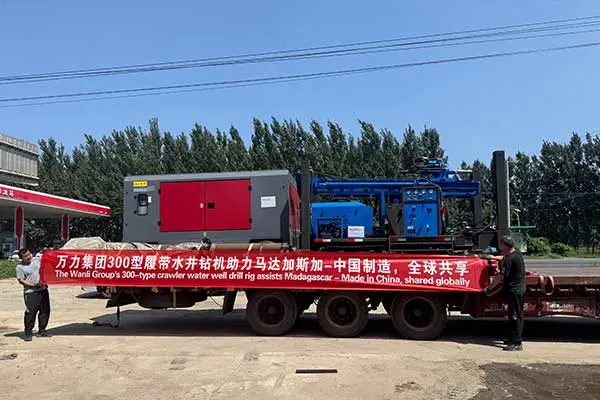
In large-scale infrastructure and emergency relief sectors, the speed of mobilization often dictates the success of a water procurement project. Unlike stationary or crawler-based units, a truck mounted water well drilling rig provides the logistical agility required for projects where multiple sites must be accessed across vast distances in minimal time.
For project managers and lead engineers, the transition from transport to “spudding in” (starting the hole) is the most critical efficiency metric. This guide analyzes the technical requirements and procurement strategies for selecting rigs engineered for fast-deployment environments.
The Engineering Advantage of Truck-Mounted Systems
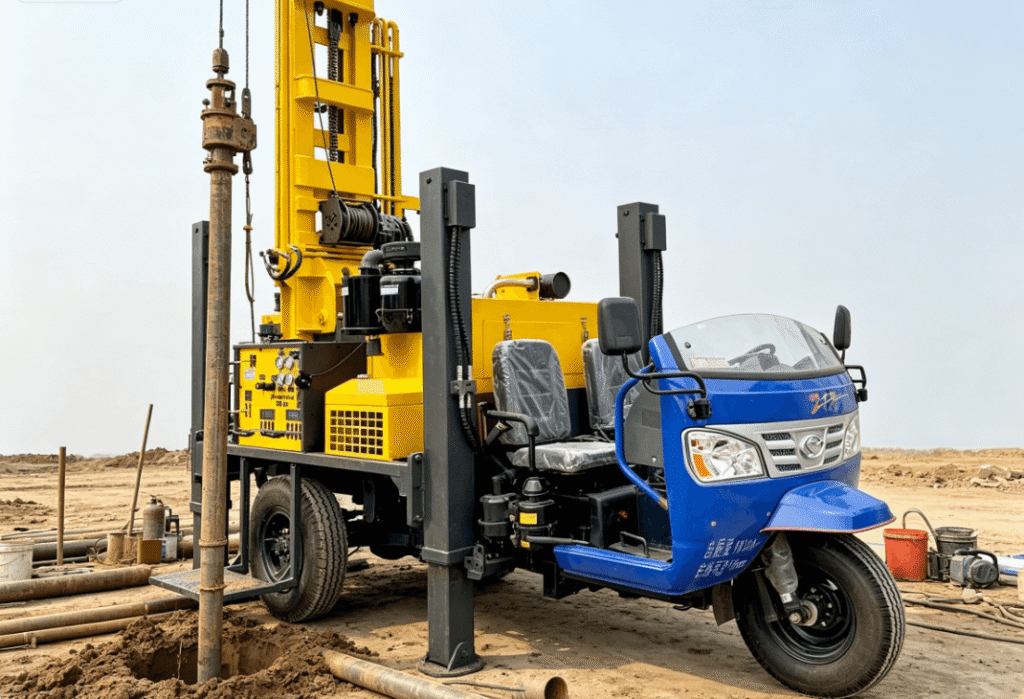
A truck-mounted rig is not merely a drilling unit placed on a flatbed. It is an integrated engineering system where the vehicle’s power take-off (PTO) or a dedicated deck engine drives high-torque hydraulic systems.
The primary advantage lies in transit velocity. While crawler rigs require low-loader trailers and specialized permits for road transport, truck-mounted units operate at highway speeds. For a 500-mile deployment, this can save 48 to 72 hours in logistical planning and execution alone.
Critical Technical Specifications for Fast Deployment
When evaluating rigs for urgent projects, specific technical benchmarks determine whether the machine can handle the geological challenges of the site while maintaining a slim footprint.
| Feature | Specification Range | Project Impact |
| Drilling Depth | 200m – 600m | Suitability for deep aquifers or geothermal loops. |
| Drilling Diameter | 140mm – 500mm | Ability to house high-capacity submersible pumps. |
| Lifting Force | 15 Tons – 50 Tons | Critical for casing extraction and handling heavy drill strings. |
| Chassis Type | 4×2, 4×4, 6×4, 8×4 | Determines off-road capability in remote or muddy terrain. |
| Rotary Torque | 4,500Nm – 8,500Nm | Efficiency in penetrating hard rock vs. sedimentary layers. |
Hydraulic System Integrity
Fast deployment requires a hydraulic system that can stabilize the rig quickly. Look for rigs equipped with heavy-duty hydraulic leveling jacks. These allow for rapid leveling on uneven terrain without the need for extensive site preparation or timber cribbing.
Integrated Air and Mud Systems
For rapid deployment, “on-board” capability is king. Ideally, the rig should have the capacity to carry both a high-pressure mud pump (for soft formations) and a connection for high-capacity air compressors (for DTH hammer drilling in hard rock). This dual-mode capability ensures the crew doesn’t have to wait for additional equipment if geological conditions change mid-project.
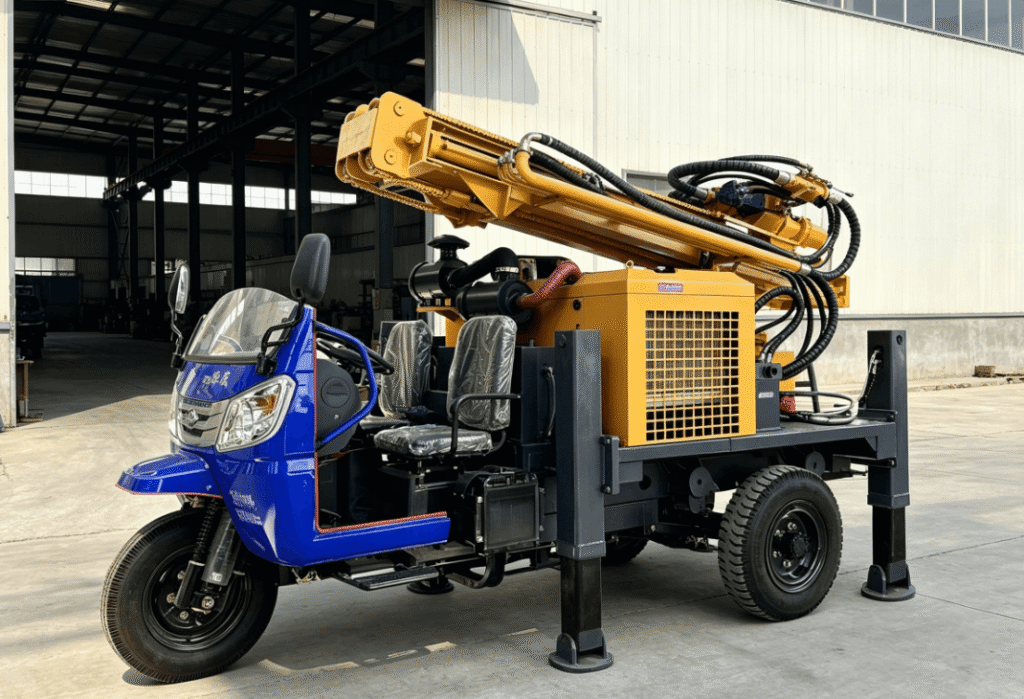
Chassis Selection: The Foundation of Mobility
The truck chassis is as important as the drilling head. Most international projects utilize standardized heavy-duty chassis to ensure local maintenance support.
- Brand Compatibility: Common choices include Sinotruk (HOWO), Shacman, or Dongfeng. These are preferred in Africa, Southeast Asia, and Central Asia due to the widespread availability of parts.
- Drive Configuration: For urban or well-maintained rural roads, a 6×4 configuration is standard. However, for “greenfield” projects in mining or remote exploration, a 4×4 or 6×6 all-wheel-drive system is mandatory to prevent getting bogged down.
- Engine Standards: Depending on the destination country, you must specify Euro II, III, or IV emission standards. Purchasing a Euro V rig for a region with high-sulfur fuel can lead to engine failure and project delays.
Optimizing the Procurement Workflow (Transactional Guidance)
For B2B buyers and OEM project managers, the procurement of a truck mounted water well drilling rig involves more than just a purchase order. To meet fast deployment deadlines, the following workflow is recommended:
1. Customization and Configuration
Every drilling environment is unique. Work with manufacturers to customize the mast height and winch capacity based on your typical casing lengths. On the SDWanli Water Well Drilling Rig category page, you can identify various models ranging from lightweight 200m units to heavy-duty 600m configurations.
2. Lead Times and Production Capacity
Standard manufacturing cycles for truck-mounted rigs range from 30 to 45 days. If your project requires multiple units, verify the factory’s monthly output capacity. For urgent tenders, check for “stock-ready” chassis that can be quickly fitted with drilling modules.
3. Shipping and Logistical Footprint
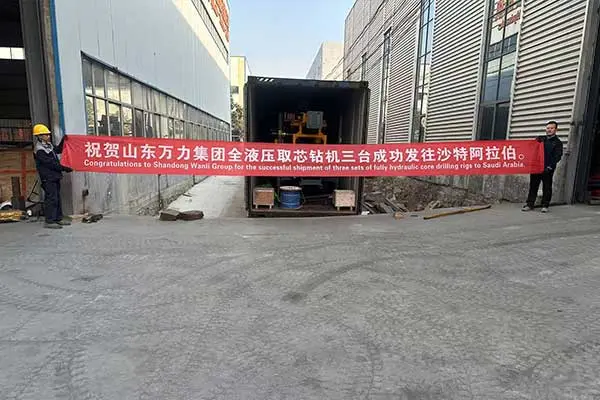
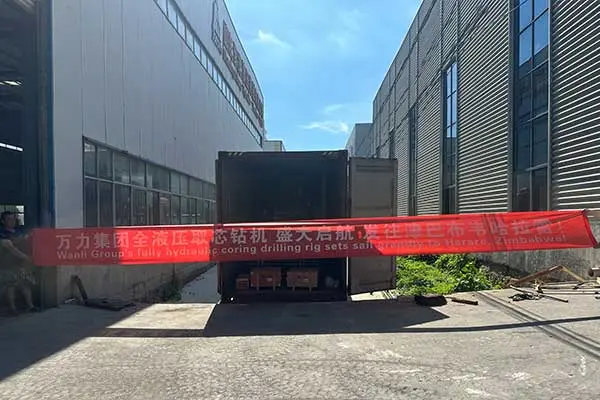
Because these are oversized vehicles, they are typically shipped via RO-RO (Roll-on/Roll-off) or Frame Containers. Ensure your supplier provides a detailed packing list for the auxiliary tools (drill rods, bits, stabilizers) to avoid customs delays.
4. Compliance and Certification
Ensure the rig meets ISO 9001 standards and that the lifting components have undergone non-destructive testing (NDT). If the project is funded by international NGOs or government bodies, CE or SGS certification may be required.
Operational EEAT: Real-World Considerations
As an engineer will tell you, a rig is only as good as its maintenance schedule. In fast-deployment scenarios, the most common points of failure are:
- Hydraulic Hose Abrasion: Constant movement during fast setup can wear out hoses. High-spec rigs use steel-braid reinforced hoses with protective sleeves.
- Feed System Calibration: The synchronization between the pull-down force and rotation speed is vital. Modern rigs utilize automated feed control to prevent “bit plugging” and ensure consistent penetration rates.
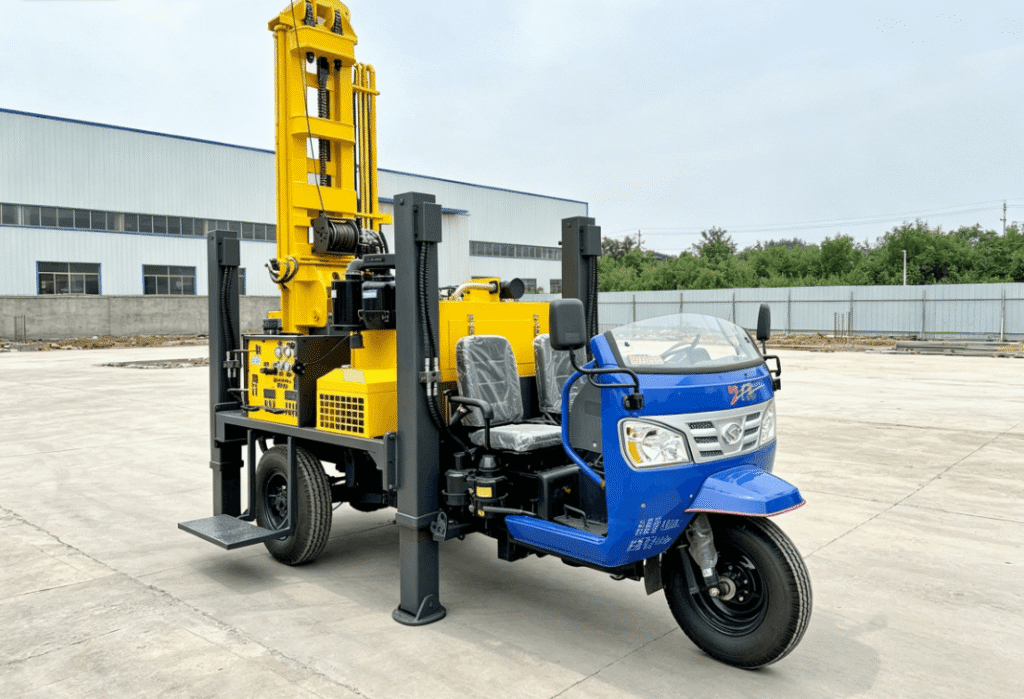
Summary for Project Stakeholders
Selecting a truck mounted water well drilling rig for fast deployment requires a balance between transit speed and drilling power. By choosing a rig with an integrated hydraulic system and a globally recognized chassis, you reduce the risk of downtime and logistical bottlenecks.
For technical consultations or to request an RFQ for specific project depths, evaluating the modular options at SDWanli provides a benchmark for modern drilling performance.
FAQ
Q1: What is the typical MOQ for truck-mounted drilling rigs?
A: For most industrial suppliers, the MOQ is 1 unit. However, purchasing multiple units often allows for consolidated shipping of spare parts and drill strings, which reduces the total landed cost.
Q2: Can the rig be customized for Right-Hand Drive (RHD) markets?
A: Yes. When sourcing for countries like Kenya, South Africa, or Australia, the chassis must be specified as RHD. This usually adds 1-2 weeks to the lead time if the chassis is not already in stock.
Q3: How long does on-site setup take for a truck-mounted rig?
A: A trained crew can typically have a truck-mounted rig leveled, the mast raised, and the first drill string attached within 45 to 90 minutes.
Q4: What is the average lead time from order to port delivery?
A: Standard production is 30–45 days. Shipping time varies by destination (e.g., 20 days to SE Asia, 40-50 days to West Africa or South America).
Q5: Are these rigs suitable for both mud drilling and air drilling?
A: Most professional truck-mounted rigs are “dual-purpose.” They feature a mud pump for unconsolidated formations and a swivel design that accommodates high-pressure air for DTH drilling in hard rock.
Reference Sources
- ISO 9001:2015 – Quality management systems for heavy machinery manufacturing.
- ASTM D2113 – Standard Practice for Rock Core Drilling and Sampling of Rock for Site Investigation.
- NGWA (National Ground Water Association) – Guidelines for water well construction and equipment standards.
- SGS Industrial Services – Machinery inspection and technical verification protocols.