Maintenance expenses typically account for 20% to 35% of the total operating costs of a drilling project. Whether you are managing high-speed coring operations or deep water well drilling, uncontrolled repair cycles can quickly erode your project margins. Reducing these costs is not about cutting corners; it is about transitioning from reactive “firefighting” to a data-driven, precision-maintenance culture.
The True Cost of Reactive Maintenance
Many drilling contractors operate under a “run-to-fail” mentality. While this avoids immediate service fees, the hidden costs—unscheduled downtime, emergency parts shipping, and secondary component damage—are often four times higher than planned maintenance.
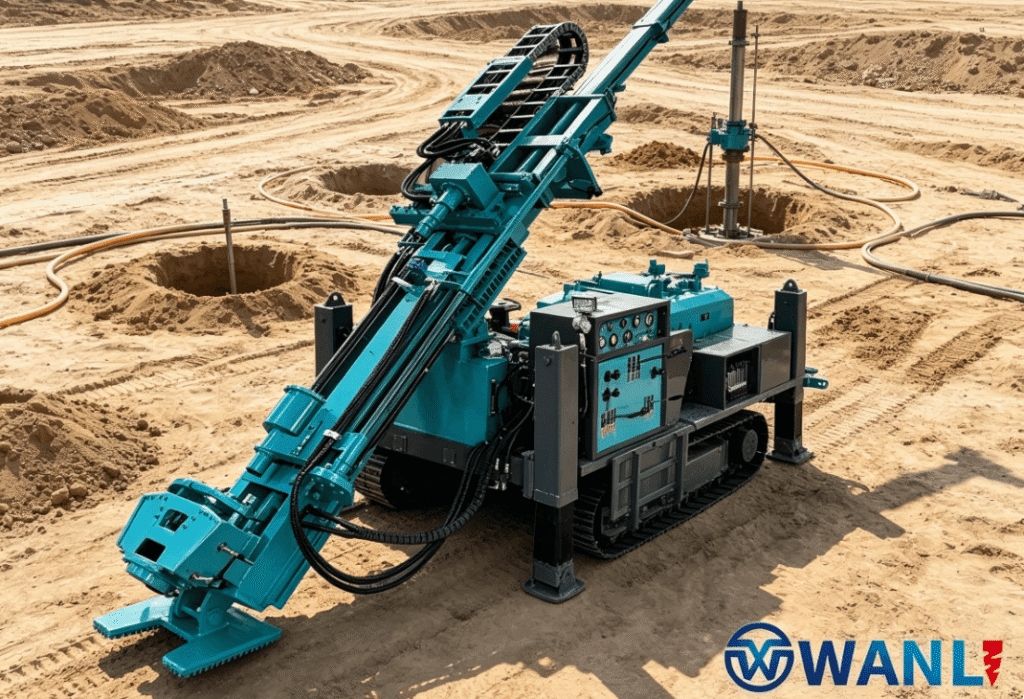
Effective cost reduction requires a deep understanding of your rig’s specific mechanical stresses. For example, a coring drilling rig operates at high RPMs, placing extreme thermal stress on the spindle and diamond bits. Conversely, a water well drilling rig relies on high torque and heavy hydraulic pressure, which tests the integrity of seals and pumps.
1. Implement a Predictive Maintenance (PdM) Framework
The most significant reduction in drilling equipment maintenance cost comes from predicting failures before they manifest. Unlike scheduled maintenance (which is time-based), predictive maintenance uses the actual condition of the machine.
- Oil Analysis: Regularly sampling hydraulic and engine oil can detect microscopic metal shavings. These particulates often signal a failing bearing or pump long before a catastrophic breakdown occurs.
- Vibration Monitoring: High-frequency sensors on the rotary head can identify misalignments that lead to gear failure.
- Thermal Imaging: Checking hydraulic blocks and electrical components for “hot spots” helps prevent hose bursts and electrical fires.
| Maintenance Strategy | Timing | Cost Impact | Risk Level |
| Reactive | After failure | High (Emergency repairs) | Maximum |
| Preventative | Calendar-based | Moderate (Fixed costs) | Low |
| Predictive | Condition-based | Lowest (Precision care) | Minimal |
2. Prioritize Hydraulic System Contamination Control
In modern drilling rigs, the hydraulic system is the “nervous system.” Over 75% of hydraulic failures are caused by fluid contamination. Micro-particles act as an abrasive, wearing down valve spools and pump vanes.
To lower costs, implement a strict “Clean In, Clean Out” policy. Always use a dedicated filtration cart when adding new oil to the reservoir. Furthermore, replacing filters based on pressure differential gauges—rather than just hours—ensures you are not throwing away good filters while also protecting the system from bypass events.
3. Focus on Drill String and Bit Lifecycle Management
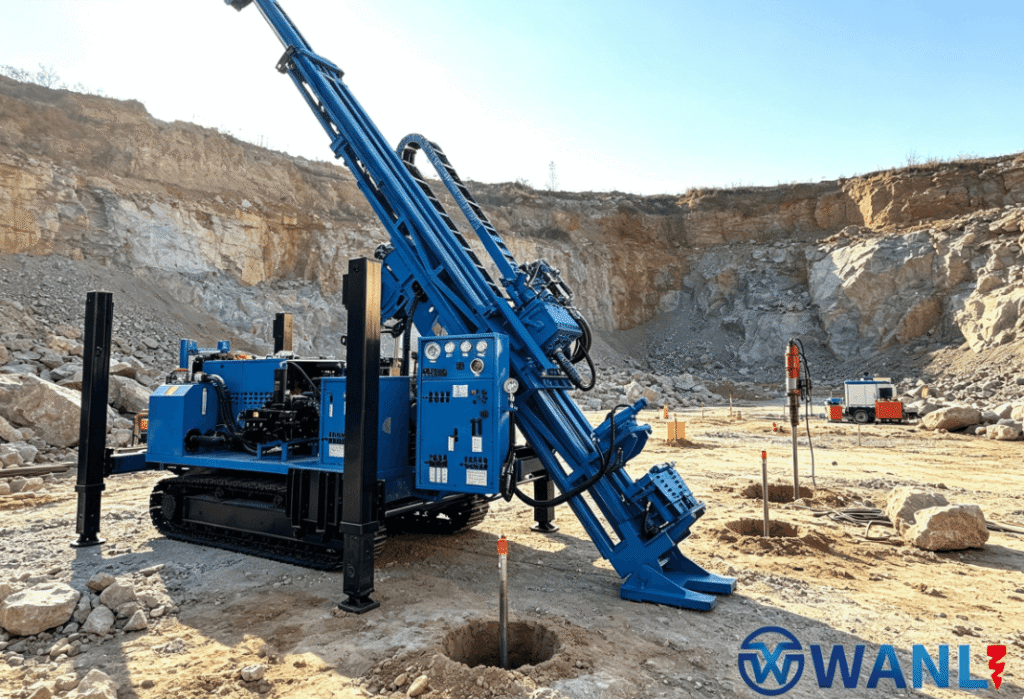
The consumables—drill rods, casing, and bits—represent a recurring expense that many fleet managers overlook as part of “maintenance.” However, improper drill string handling leads to thread galling and mid-hole failures, which are incredibly costly to remediate.
- Proper Torque: Over-torquing or under-torquing joints during water well drilling leads to fatigue cracks.
- Lubrication: Use high-quality copper-based thread grease to prevent seizing.
- Bit Sharpening: Running a dull bit increases the mechanical load on the entire rig, causing the engine to burn more fuel and the hydraulic system to run hotter.
4. Operator Training: The First Line of Defense
An inexperienced operator can cause more damage in an hour than a year of natural wear. Reducing maintenance costs requires training crews to recognize early warning signs: changes in engine sound, unusual hydraulic “chatter,” or slight drops in penetration rates.
Operators should perform a daily pre-shift walk-around. This check should focus on “critical failure points” such as hydraulic hose routing (checking for rubbing), grease points on the mast, and the integrity of the wireline hoist.
5. Standardizing Parts and Supplier Relationships
If your fleet utilizes a variety of rig types, try to standardize components where possible. Using rigs with common hydraulic components or engine brands simplifies your spare parts inventory.
For specialized equipment, such as water well drilling rigs, sourcing components from manufacturers who use international standard parts (like Rexroth pumps or Cummins engines) ensures that you can find affordable replacements locally without waiting for expensive OEM shipments from overseas.
Engineering Considerations for Long-Term ROI
When evaluating the lifecycle cost of equipment, the design of the rig itself plays a pivotal role. Rigs designed with “Maintenance Accessibility” in mind—where filters are reachable from the ground and grease points are centralized—statistically receive better care from crews.
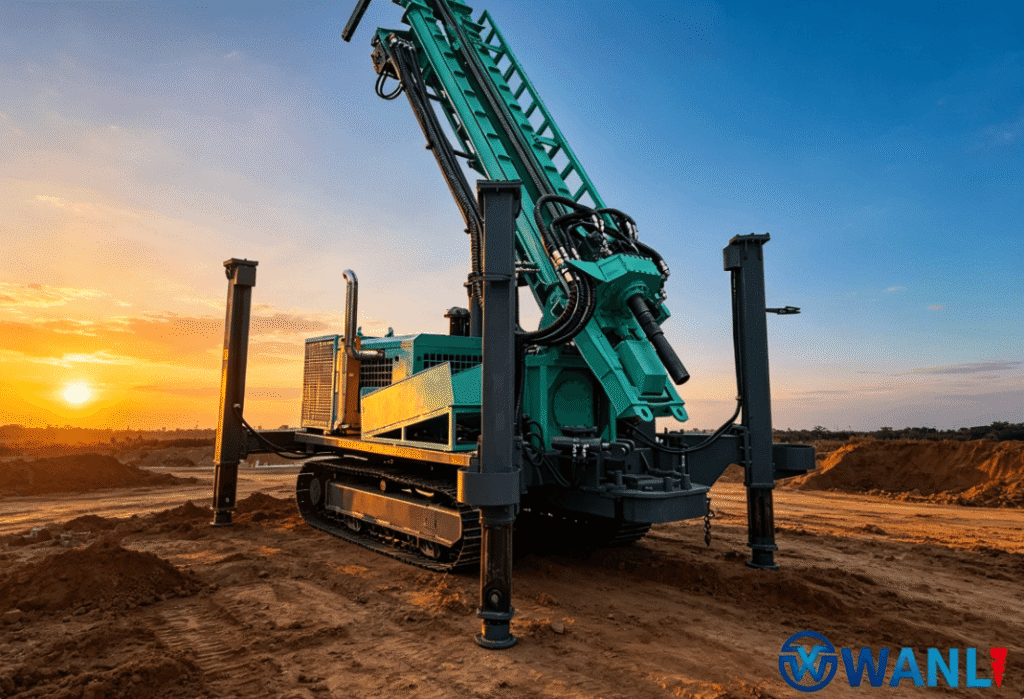
Modular designs, often found in high-quality coring drilling rigs, allow for individual components (like the power pack or the drill head) to be swapped or serviced without dismantling the entire chassis. This modularity reduces labor hours, which is a major component of the overall maintenance bill.
Summary of Cost-Reduction Steps
To achieve a sustainable reduction in your drilling equipment maintenance cost:
- Digitize Logs: Move from paper to digital maintenance tracking to identify recurring component failures.
- Analyze Fluid: Treat oil analysis as a “blood test” for your machinery.
- Control Heat: Ensure cooling systems are cleaned weekly; heat is the primary killer of hydraulic seals.
- Invest in Quality: Lower-tier rigs often have higher “Total Cost of Ownership” due to frequent small-component failures.
FAQ
Q: How often should I perform oil analysis on my drilling rig?
A: For heavy-duty operations, every 250 to 500 engine hours is recommended. However, if you are operating in extreme dust or high-temperature environments, quarterly sampling is the industry standard for preventing major hydraulic failure.
Q: Does using aftermarket parts increase maintenance costs?
A: It depends. Using “will-fit” parts for critical components like hydraulic pumps can be risky. However, for non-critical items like lighting, basic filters (that meet OEM micron ratings), and hardware, aftermarket options can save 20-30% without increasing risk.
Q: What is the most common cause of premature hydraulic pump failure?
A: Cavitation and aeration. This is usually caused by clogged suction strainers or small leaks in the intake line, allowing air to enter the system, which implodes under pressure and destroys metal surfaces.
Q: Can climate affect my maintenance schedule?
A: Absolutely. In humid environments, water condensation in the fuel and hydraulic tanks is a major issue. In cold climates, the “cold start” period causes the most wear, requiring specialized low-viscosity fluids to protect the system.
Reference Sources
- ISO 4406: Hydraulic fluid power — Fluids — Method for coding the level of contamination by solid particles.
- API (American Petroleum Institute): Recommended Practice for Occupational Safety for Oil and Gas Well Drilling and Servicing Operations.
- National Ground Water Association (NGWA): Best Practices for Drilling and Rig Maintenance.
- Society for Maintenance & Reliability Professionals (SMRP): Guidelines for Predictive Maintenance ROI.