An OEM drilling rig manufacturer provides more than just basic equipment assembly. They deliver engineered heavy machinery tailored to specific geological conditions. Procuring this equipment requires rigorous supplier evaluation.
Buyers must assess technical capabilities, production scalability, and post-sale infrastructure. This guide outlines the exact services procurement teams should expect from a qualified supplier. It covers manufacturing workflows, compliance standards, and customization limits.
What Technical Services Define an OEM Drilling Rig Manufacturer?
A capable OEM partner handles the entire machinery lifecycle. This process starts with structural engineering and hydraulic system layout design. Suppliers must validate mast strength using finite element analysis (FEA).
Beyond basic fabrication, OEM services include powertrain integration and control system configuration. Manufacturers often integrate specific rotary heads and mud pumps based on client requirements. This ensures the final rig matches the expected torque and depth specifications.
To optimize evaluation, buyers should verify the following core manufacturing capabilities:
- Structural Fabrication: Precision welding and assembly of high-strength steel chassis.
- Hydraulic Integration: Sourcing and installing robust hydraulic pumps, cylinders, and proportional valves.
- Powertrain Setup: Configuring diesel engines or electric motors for optimal power delivery.
- Control Systems: Programming automated drilling feeds and essential safety interlocks.
Adapting Equipment for Diverse Geological Applications
Standard rigs rarely meet the exact demands of complex drilling sites. An OEM supplier must modify base models for specific environments. Hard rock coring requires high rotational speeds and precise feed control.
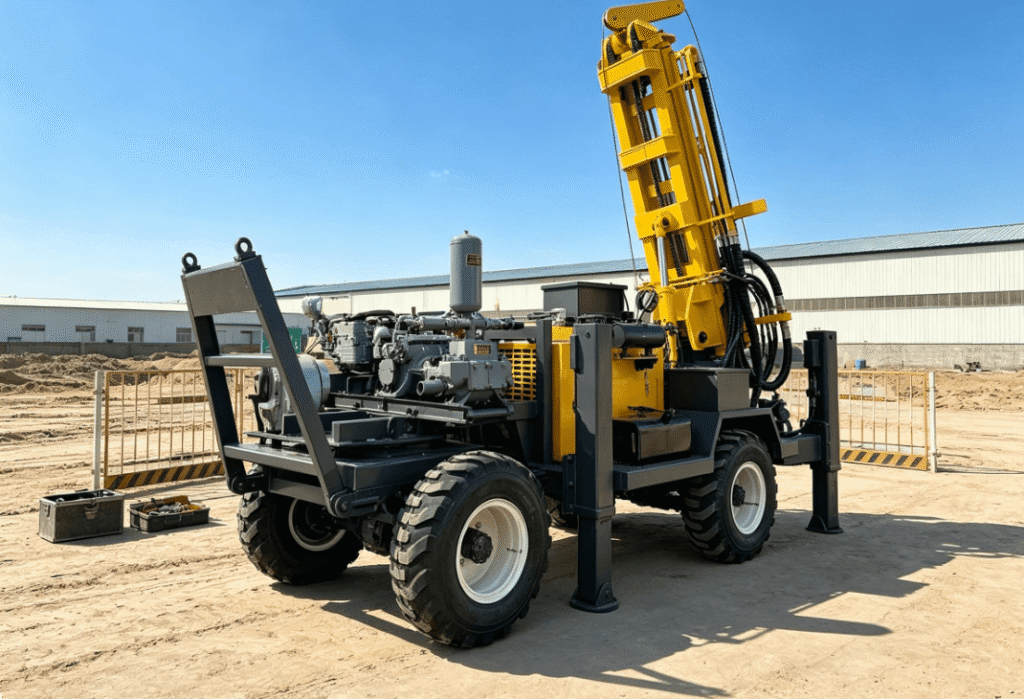
Conversely, unconsolidated formations demand robust mud circulation systems to prevent hole collapse. A reliable factory will adjust crawler undercarriages for uneven terrain. They can also mount rigs on commercial trucks for rapid mobility.
Engineers must carefully balance weight distribution with maximum drilling capacity.
| Application Focus | Key Modification Required | Ideal Drive System |
| Deep Water Wells | High lifting capacity, heavy-duty mast | Top drive hydraulic |
| Mineral Exploration | High RPM rotary head, wireline winch | Full hydraulic core |
| Geotechnical Testing | Standard penetration test (SPT) hammer | Cylinder lifting |
| Mobile Construction | Truck or tractor-mounted chassis | PTO or auxiliary diesel |
Manufacturing Quality Control and Compliance Standards
Heavy machinery failure causes severe project delays and safety hazards. Therefore, a credible factory enforces strict metallurgical and operational testing. Weld integrity is regularly verified using ultrasonic or X-ray non-destructive testing (NDT).
Suppliers should maintain certified ISO 9001 quality management systems. Equipment must often meet regional compliance, such as CE marking for European markets. Electrical components require proper ingress protection (IP) ratings for wet outdoor environments.
Prior to shipment, the manufacturer conducts comprehensive Factory Acceptance Testing (FAT). This phase involves running the rig under simulated load conditions. Buyers should expect detailed inspection reports before authorizing final delivery payments.
Procurement Workflow: Managing RFQs and Lead Times
B2B procurement for heavy equipment follows a structured engineering workflow. Initial RFQs must specify target depth, hole diameter, and anticipated rock hardness. The factory then proposes a base model with necessary technical modifications.
Standard rig configurations might ship within 30 to 45 days. However, custom hydraulic layouts or specialized chassis integration can extend lead times to 90 days. Supply chain fluctuations for heavy diesel engines often impact these schedules.
Buyers should negotiate clear milestone-based payment terms. A standard structure is a 30% advance deposit, with the balance due after successful FAT. Clarifying these terms early prevents unexpected production bottlenecks.
Post-Sale Support and Spare Parts Management
Downtime on a drilling site results in significant financial losses. A credible OEM drilling rig manufacturer provides a robust after-sales infrastructure. This includes the rapid dispatch of critical replacement parts.
Factories should maintain active inventories of high-wear components like hydraulic seals and rotary swivels. Digital spare parts catalogs allow procurement teams to quickly identify needed items. Clear part numbering prevents costly cross-border shipping errors.
OEM suppliers often provide remote technical troubleshooting for complex systems. Video diagnostics assist on-site mechanics in resolving hydraulic pressure drops or electrical faults. For large fleet deployments, manufacturers may deploy engineers for localized training.
Sourcing Equipment: Platform Evaluation and Specifications
Selecting the right machinery requires matching site requirements with proven factory capabilities. Shandong Wanli Construction Machinery Co., Ltd. represents a typical industrial manufacturer in this sector. Their product categories demonstrate the necessary breadth for varied drilling applications.
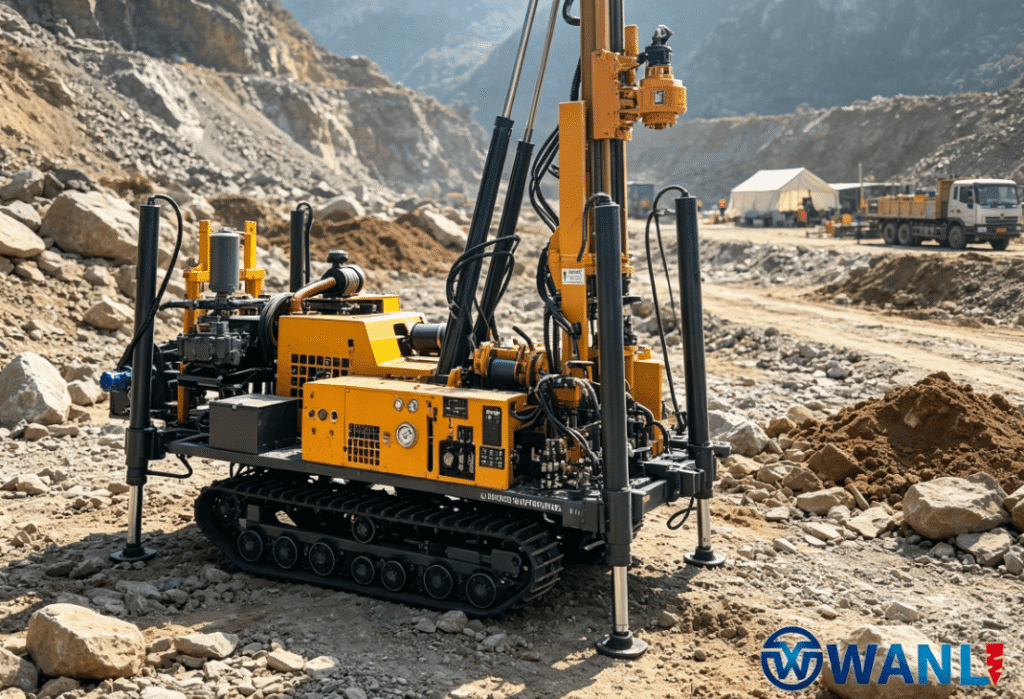
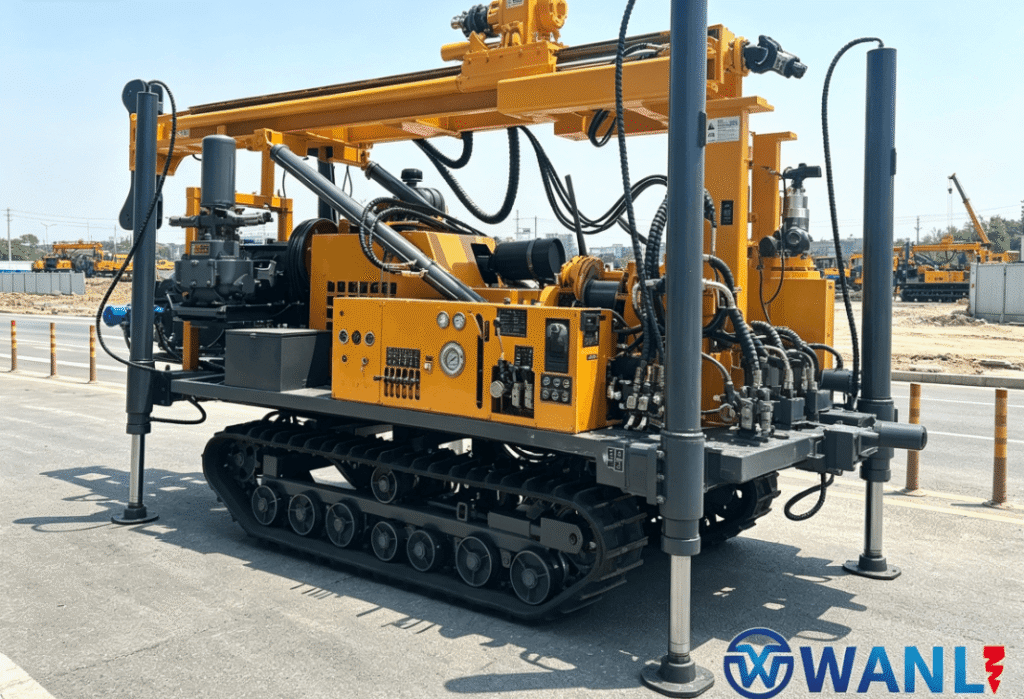
For mineral exploration and geotechnical sampling, procurement teams can review their coring drilling rig lineup. Options like the full hydraulic core drill and STP penetration hammer rig suit precise geological extraction. Hydraulic systems on these units prioritize rotational control and core recovery.
When sourcing for aquifer access, the water well drilling rig category offers scalable solutions. The portfolio includes 450-crawler units for rough terrain and deep hole rigs equipped with high-capacity mud pumps. Tractor and truck-mounted variants provide essential mobility for rapid site-to-site deployment.
Evaluating these specific categories helps buyers formulate accurate technical requirements before initiating the formal RFQ process.
Frequently Asked Questions (FAQ)
What is the typical MOQ for custom drilling equipment?
Most OEM heavy machinery manufacturers operate with a Minimum Order Quantity (MOQ) of one unit. However, highly specialized sub-components might incur higher engineering fees if ordered individually. Fleet orders usually secure better aggregate pricing and priority scheduling.
How do manufacturers handle heavy equipment warranties?
Standard factory warranties cover major structural components and hydraulic systems for 12 months or 2,000 operating hours. Wear parts like drill bits, mud pump liners, and seals are generally excluded. Buyers should confirm the replacement parts supply chain before signing contracts.
Can an OEM factory integrate specific engine brands?
Yes, reliable factories can integrate requested powertrains, such as Cummins or Deutz engines. This ensures local serviceability and parts availability for the end-user. The engineering team will adjust the engine mounting and cooling systems accordingly.
What documentation is provided during the FAT phase?
Buyers typically receive hydraulic pressure test logs, engine performance data, and structural inspection certificates. Operation manuals, electrical schematics, and spare parts lists are also finalized at this stage. Live video demonstrations are common for overseas buyers unable to attend in person.
Do OEM suppliers handle international shipping logistics?
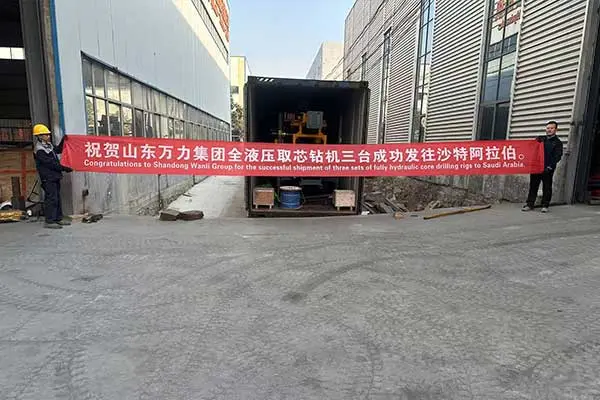
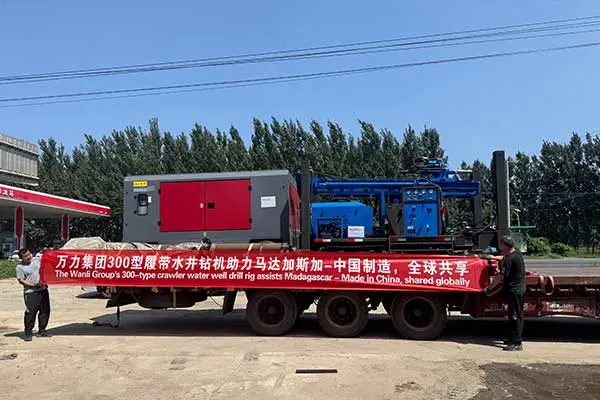
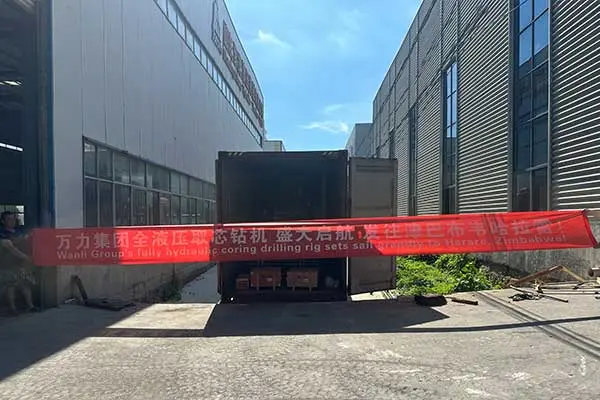
Factories usually offer FOB or CIF shipping terms based on buyer preference. Rigs are often partially disassembled to fit into standard 40-foot high-cube containers. The manufacturer provides packing lists and securing diagrams to facilitate safe unloading.
Reference Sources
- ISO 9001:2015 – Quality management systems requirements for manufacturing environments.
- API Spec 4F – Specification for Drilling and Well Servicing Structures.
- European CE Machinery Directive (2006/42/EC) – Essential health and safety requirements for heavy machinery.
- ASTM E164 – Standard Practice for Contact Ultrasonic Testing of Weldments.