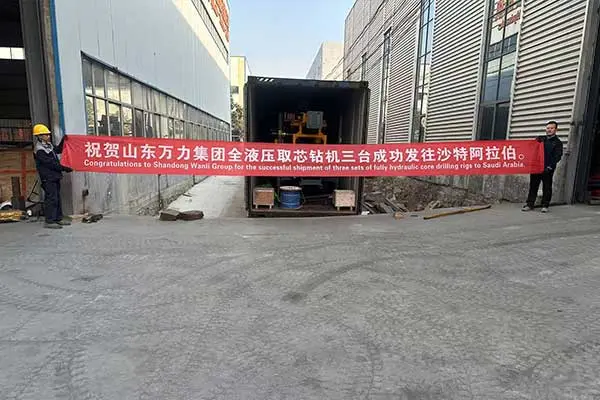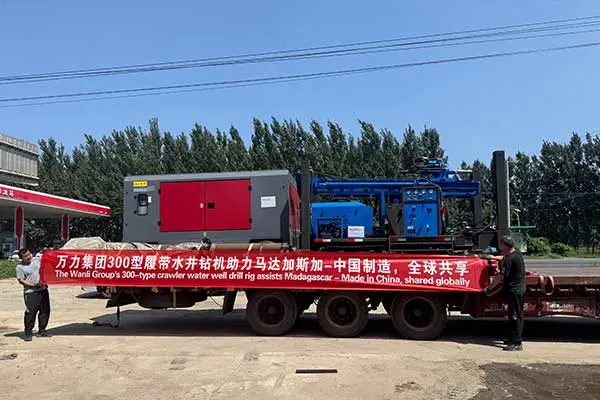
In the modern industrial landscape, selecting a high performance drilling rig is essential for project success. These machines serve as the backbone for mining, water well construction, and geological exploration. A truly elite rig balances raw power with precision engineering to handle diverse ground conditions.
The definition of performance has shifted from simple mechanical strength to integrated technological intelligence. Contractors now demand equipment that offers higher efficiency while reducing operational downtime. Understanding these complex dynamics helps in making an informed investment for long-term geotechnical goals.
High-performance units typically feature advanced hydraulic systems and robust structural designs. They must withstand extreme environmental pressures while maintaining consistent output. This guide analyzes the technical benchmarks that separate standard machinery from top-tier drilling solutions.
What Factors Define a High Performance Drilling Rig?
A high performance drilling rig is defined by its ability to maintain peak efficiency under stress. Key technical indicators include rotational torque, hoisting capacity, and penetration rate. These metrics determine how quickly a crew can complete a borehole without compromising safety.
Engine power is a foundational element, often ranging from 70 kW to over 400 kW for heavy-duty models. High-end rigs utilize turbocharged diesel engines to provide the necessary hydraulic flow for deep-hole operations. This power ensures the drill string can overcome high friction in dense rock formations.
Hydraulic system pressure is another critical factor in performance evaluation. Modern rigs often operate at pressures exceeding 25 MPa to drive high-torque rotation heads. This allows for smoother drilling and better control over the feed force during complex maneuvers.
| Feature | Standard Rig | High Performance Rig |
| Drilling Depth | Up to 200m | 600m – 2000m+ |
| Rotation Torque | 4,000 – 6,000 Nm | 8,000 – 25,000+ Nm |
| Lifting Force | 50 – 100 kN | 150 – 500+ kN |
| Fuel Efficiency | Standard | Optimized (Electronic Injection) |
Core Technical Specs of High Performance Drilling Systems
When evaluating a high performance drilling rig, the mast structure and pull-back capacity are paramount. Heavy-duty masts are constructed from high-strength alloy steel to prevent deformation under massive loads. This structural integrity allows for vertical and directional drilling with minimal deviation.
The rotation speed range offers the versatility needed for different soil types. For instance, specialized equipment like a coring drilling rig requires high speeds reaching 1,000 RPM for diamond bit efficiency. Conversely, large-diameter projects prioritize high torque at lower speeds to move heavy debris.
Advanced cooling systems are also a hallmark of superior drilling technology. Since hydraulic systems generate significant heat during continuous operation, efficient radiators prevent fluid degradation. This ensures the rig can operate in ambient temperatures exceeding 40°C without losing power.
Why Mobility and Versatility Impact Rig Performance
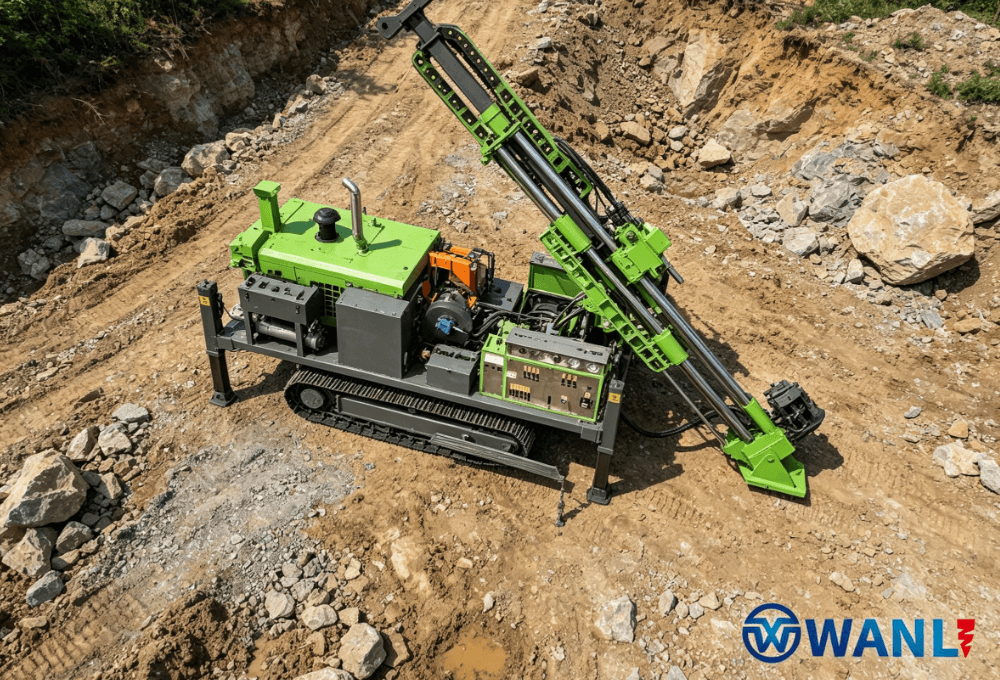
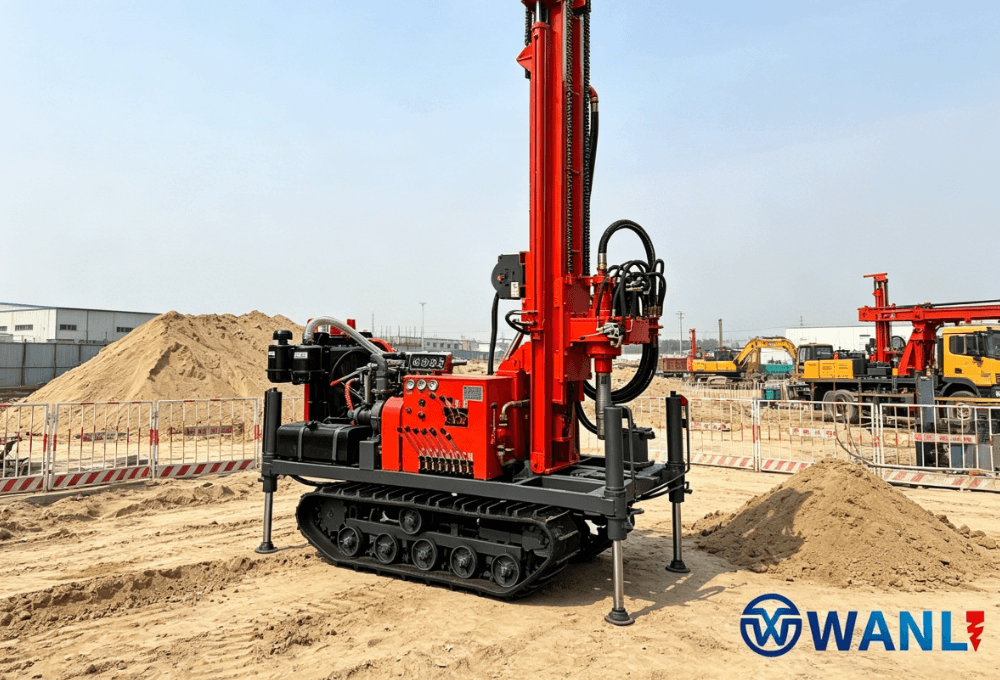
Mobility defines how quickly a high performance drilling rig can transition between various job sites. Crawler-mounted designs provide excellent off-road capability in rugged mountainous terrain. These tracks distribute weight evenly, allowing the machine to climb slopes of up to 30 degrees safely.
For urban or long-distance projects, vehicle mounted drilling rigs offer significant logistical advantages. These units are integrated onto heavy-duty truck chassis, enabling rapid deployment via standard highways. This reduces the need for specialized transport trailers and lowers overall project mobilization costs.
The ability to switch between drilling methods is another indicator of a high-performance machine. Many modern units support both DTH and mud circulation techniques. This adaptability ensures that a single rig can handle soft clay and hard granite on the same site.
Selecting the Right Rig Based on Geological Requirements
Choosing a high performance drilling rig requires a deep understanding of the intended application. For mineral exploration, precision is the most vital metric for accurate sample recovery. In these cases, high-quality down the hole drilling rigs provide the impact force needed for hard rock layers.
If the goal is rapid borehole clearance in hard formations, specialized pneumatic systems offer the best results. These systems use compressed air to power an impact hammer directly at the bottom of the hole. This method minimizes energy loss through the drill string and maximizes the penetration rate.
For deep-water extraction, the lifting capacity of dedicated water well drilling rigs becomes the deciding factor. As the borehole gets deeper, the weight of the drill pipes increases significantly. A rig must have a reserve lifting capacity at least 20% higher than the total string weight.
Advanced Sample Recovery and Efficiency
In complex geological layers where hole collapse is a risk, an RC reverse circulation drilling rig offers a solution. These machines use dual-wall pipes to bring samples to the surface through the inner tube. This process prevents cross-contamination and provides high-quality samples for mineral analysis.
Efficiency is also measured by the automation level of the pipe handling system. High-performance rigs often feature hands-free pipe breakout tools and automatic rod loaders. These features significantly reduce the physical labor required and enhance the safety of the drilling crew.
Furthermore, digital monitoring systems allow operators to track real-time data such as feed pressure and bit depth. This data-driven approach helps in optimizing the drilling parameters for different strata. It also provides early warnings for potential mechanical issues, preventing costly repairs.
How to Determine the Ideal Rig for Your Operations
To determine if a high performance drilling rig fits your needs, evaluate the maximum diameter and depth ratings. Always verify the compatibility of the onboard air compressor or mud pump with the rig’s hydraulic output. A balanced system prevents bottlenecks and ensures the rig operates within its optimal performance envelope.
Choosing a rig involves balancing the initial investment with the expected return on efficiency. A machine that can complete a 500-meter hole in half the time of a standard unit provides massive value. This increased productivity allows contractors to take on more projects per season.
Lastly, consider the availability of technical support and replacement parts for the specific model. High-performance machinery requires regular maintenance to sustain its peak output levels. Reliable manufacturers provide comprehensive manuals and rapid parts delivery to minimize any operational downtime.
Summary
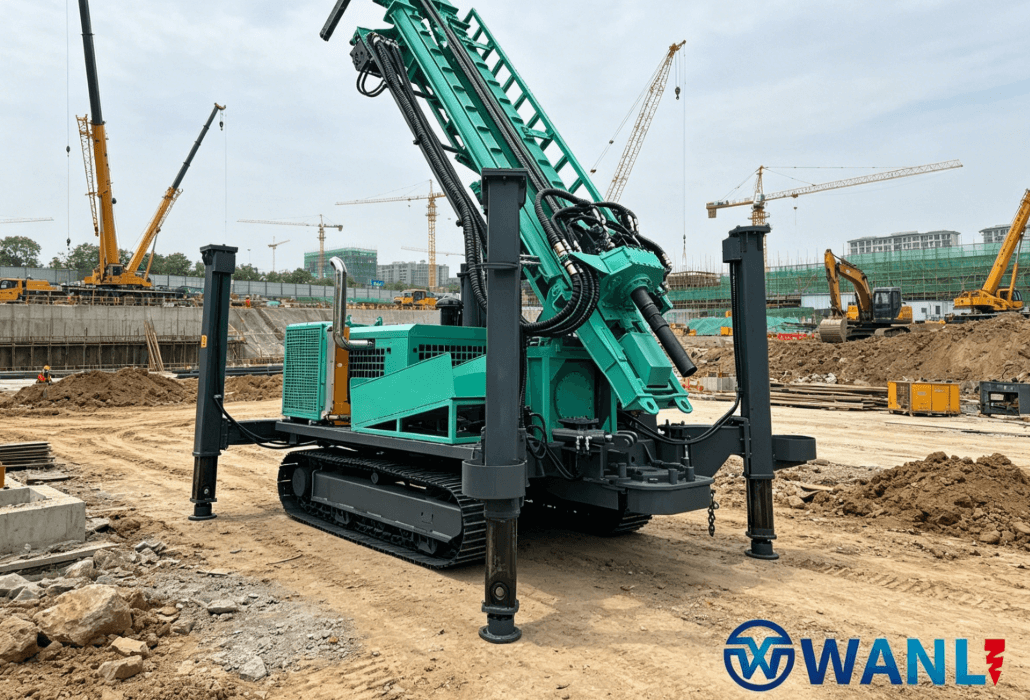
A high performance drilling rig is characterized by high torque, robust lifting capacity, and multi-functional adaptability. By prioritizing engine efficiency and structural durability, operators can ensure long-term reliability in the field. Selecting the right machine involves matching these technical capabilities with specific geological challenges and logistical requirements.
FAQ
1. What makes a drilling rig classified as high performance?
A high performance rig delivers superior torque, faster penetration rates, and higher lifting capacity than standard models. It often features advanced hydraulics and durable components designed for continuous heavy-duty use in extreme environments.
2. How deep can a high performance water well rig drill?
Most high-tier units are capable of reaching depths between 300 and 1,000 meters depending on the specific model. The actual depth is limited by the rig’s hoisting power and the total weight of the drill pipe string.
3. Are crawler-mounted rigs better than truck-mounted ones?
It depends entirely on the site access requirements for your specific project. Crawler rigs are superior for rough, off-road terrain and steep inclines, while truck-mounted rigs are better for projects requiring frequent travel on public roads.
4. Why is torque important in a high performance drilling rig?
Torque is the rotational force required to break through hard rock and turn the drill bit against friction. Higher torque allows for larger diameter holes and deeper drilling without stalling the hydraulic motor or the machine.
5. What is the main advantage of using an RC drilling rig?
RC rigs provide faster, uncontaminated mineral samples and are highly efficient in fragmented rock formations. This makes them the industry standard for large-scale mining exploration and grade control where sample purity is critical.