Why Choose Vehicle-Mounted Drilling Rigs? Features
The global demand for efficient geological exploration and water resource development is rising rapidly. Many contractors now prioritize speed and reliability in their equipment selection process. Modern vehicle mounted drilling rig features offer a unique solution to logistical challenges in remote areas. These machines integrate high-performance drilling components directly onto heavy-duty truck chassis. This design allows for rapid transit between various project sites without specialized transport. Choosing the right equipment depends on understanding these integrated capabilities.
What Are the Key Vehicle Mounted Drilling Rig Features?
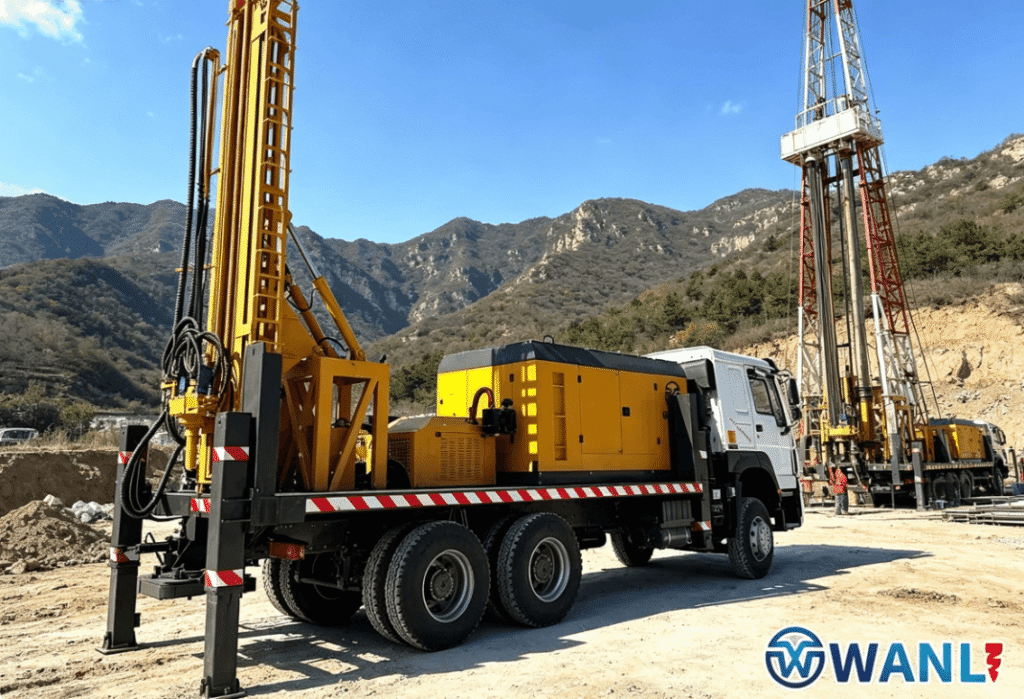
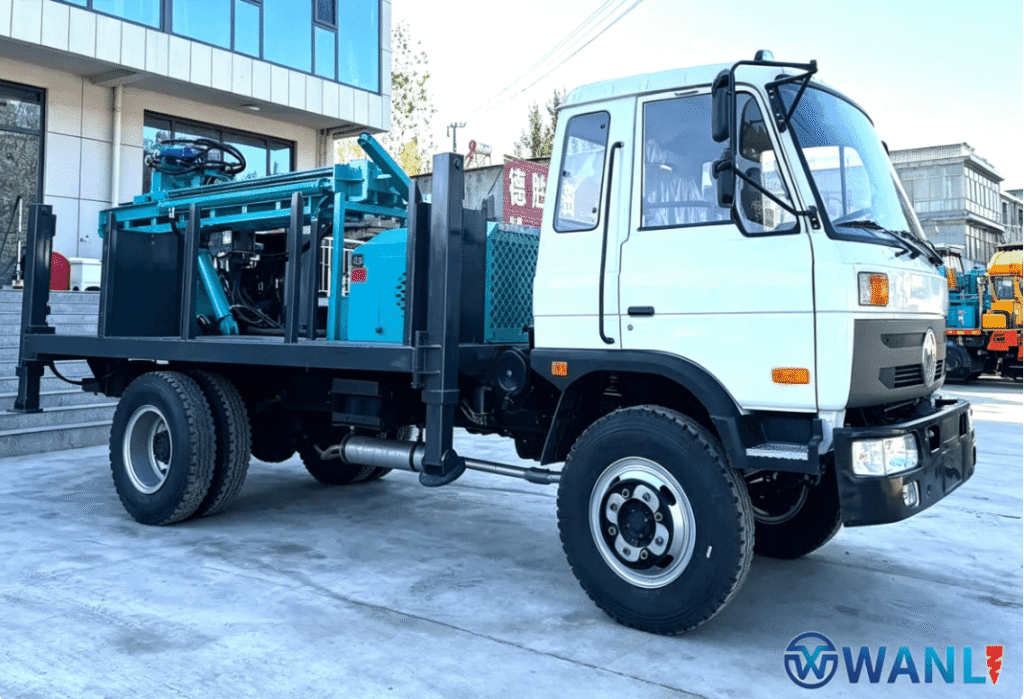
One of the most prominent vehicle mounted drilling rig features is the self-propelled mobility system. These rigs are typically mounted on 4×2, 4×4, or 6×4 truck chassis from reputable manufacturers. This integration allows the machine to reach speeds of up to 70 kilometers per hour on highways. Operators do not need separate trailers or loading equipment to move the rig. Such independence significantly reduces the downtime associated with machine relocation. It also lowers the overall operational costs for long-distance projects.
Advanced Hydraulic Control Systems
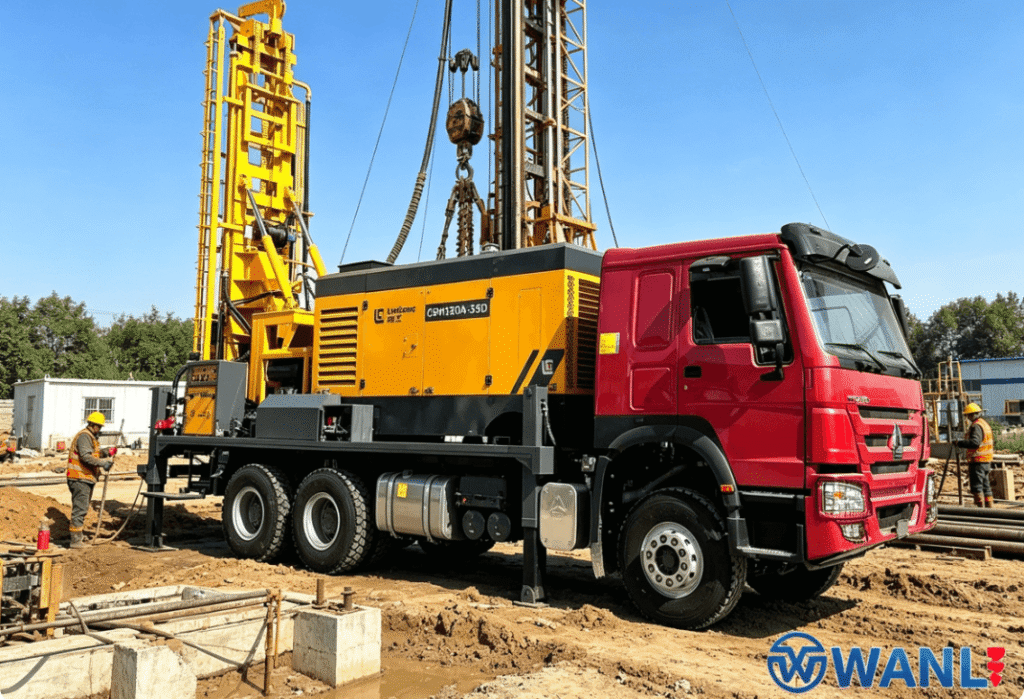
The hydraulic system serves as the core of modern drilling technology. Advanced vehicle mounted drilling rig features include high-pressure hydraulic pumps and motors. These components control the rotation, lifting, and feeding mechanisms with extreme precision. Most rigs utilize a multi-way valve block to manage hydraulic flow efficiently. This ensures that the power is distributed evenly across different mechanical functions. Robust hydraulic jacks are also installed to provide a stable leveling base on uneven terrain.
Integrated Power Take-Off and Engines
Another critical feature is the integrated power take-off (PTO) system or independent diesel engine. Many rigs use the truck’s engine to drive the drilling equipment through a transfer case. This design saves space and reduces the total weight of the vehicle. Alternatively, some models feature a dedicated deck engine for independent operation. These engines typically provide between 80 and 150 kilowatts of power. Having a reliable power source ensures consistent torque during deep-hole drilling operations.
High-Strength Structural Components
The mast and derrick are constructed using high-grade seamless steel tubes. These vehicle mounted drilling rig features ensure the machine can withstand immense pressure during drilling. The hydraulic cylinders allow for quick raising and lowering of the mast. This automation eliminates the need for manual setup by a large crew. Reinforced welding techniques are used to prevent structural fatigue over long-term use. Such durability is essential for maintaining safety in harsh environments.
Performance Advantages in Various Geological Conditions
Efficiency in the field is a major reason why companies invest in mobile units. Conventional rigs often require significant time for assembly and disassembly at the site. In contrast, vehicle mounted drilling rig features facilitate rapid deployment within minutes. The automated leveling jacks can stabilize the truck on slopes of up to 15 degrees. This flexibility allows teams to start drilling almost immediately upon arrival. Fast setup times allow teams to complete more boreholes per month.
Versatility for Different Drilling Methods
The versatility of these machines makes them suitable for diverse geological conditions. Most units are compatible with both mud circulation and air compressor drilling methods. This allows operators to switch between drilling in soft soil and hard rock easily. For example, a rig can use a centrifugal pump for shallow water wells. It can then switch to a DTH hammer for mineral exploration. Such flexibility maximizes the utility of a single capital investment.
Deep Hole Capability and Torque Stability
Heavy-duty mobile rigs can reach impressive depths that were once reserved for stationary units. Many models can achieve a drilling depth of 600 meters or more. The high-torque rotary head ensures that the drill bit can penetrate dense clay and hard rock. Spindle speeds can often be adjusted between 40 and 120 RPM depending on the soil type. This range allows for optimal core recovery in geological surveys. Maintaining stable torque prevents the drill pipe from getting stuck in complex strata.
| Technical Specification | Lightweight Range | Heavy-Duty Range |
| Maximum Drilling Depth | 100 – 200 Meters | 400 – 600 Meters |
| Hole Opening Diameter | 150 – 300 mm | 300 – 500 mm |
| Lifting Force | 80 – 120 kN | 150 – 350 kN |
| Rotary Torque | 3,500 – 5,000 Nm | 8,000 – 12,000 Nm |
| Driving Speed | 50 – 70 km/h | 40 – 60 km/h |
How to Choose the Right Vehicle-Mounted Equipment
Selecting the best rig requires a thorough analysis of your project goals. You must consider the maximum hole diameter and the required depth for your specific application. Soil conditions also play a vital role in determining the necessary torque and mud pump flow. A rig with a high-flow mud pump is essential for drilling through loose sand layers. Conversely, hard rock projects require a system with high downward pressure. Evaluating these vehicle mounted drilling rig features prevents equipment failure during operation.
Terrain and Accessibility Requirements
The chassis type must match the terrain where the rig will operate. A 4×2 chassis is sufficient for flat terrain and paved roads in urban areas. For mountainous regions or muddy sites, a 6×6 all-wheel-drive system is highly recommended. This ensures that the vehicle does not get stuck during transit to remote locations. Ground clearance is another factor that impacts the accessibility of a drill site. Choosing a chassis with high clearance protects the sensitive hydraulic lines under the vehicle.
Maintenance and Serviceability Factors
Reliable support and spare parts availability are essential for long-term operations. Even the best vehicle mounted drilling rig features require regular servicing. Choosing a platform that uses standard truck parts simplifies the repair process. This ensures that you can find components in local markets around the world. A well-designed rig should provide easy access to hydraulic filters and engine oil ports. This focus on serviceability reduces the total cost of ownership over several years.
Operator Safety and Digital Monitoring
Modern rigs are increasingly equipped with digital sensors and remote control systems. These vehicle mounted drilling rig features allow operators to stand at a safe distance during operation. Digital displays provide real-time data on pump pressure and bit weight. Automated emergency shut-off valves are standard on high-quality mobile units. These systems protect the crew from mechanical failures or sudden pressure spikes. Safety features are not just optional but are critical for modern project compliance.
Evaluating Quality Standards for Mobile Units
Contractors must look beyond the initial purchase price when selecting a drilling platform. The quality of the hydraulic components often determines the lifespan of the machine. Premium valves and pumps from recognized global brands offer better heat resistance. These parts can operate in ambient temperatures exceeding 45 degrees Celsius without losing efficiency. Poorly made components may lead to oil leaks and frequent downtime. High-quality vehicle mounted drilling rig features guarantee a higher return on investment.
Many manufacturers offer customization options to suit specific regional requirements. You might need a specialized winch or a larger fuel tank for long-duration projects. It is beneficial to explore various vehicle-mounted drilling rigs to compare these technical configurations. This process helps you identify which model offers the best balance of power and mobility. Customizing the equipment ensures that it meets the exact geological challenges of your area. Always verify the load-bearing capacity of the chassis before adding heavy auxiliary tools.
Ensuring that the rig complies with road regulations is also a critical step. The total weight and dimensions must allow the vehicle to pass through tunnels and bridges. Most vehicle mounted drilling rig features are designed to meet standard highway limits. However, heavy-duty rigs may require special permits for transport on certain roads. Checking these details early prevents legal delays and logistical headaches. A well-integrated rig is a legal and efficient asset for any drilling company.
Summary
Vehicle-mounted rigs provide the perfect combination of mobility, power, and operational speed for modern projects. Key vehicle mounted drilling rig features like hydraulic leveling, integrated power systems, and high-torque rotary heads solve complex logistical challenges. By choosing these mobile units, contractors can achieve higher productivity and lower transport costs. They are the ideal choice for professional exploration and water well projects.
FAQ
1. What are the primary vehicle mounted drilling rig features for water wells?
The primary features include a high-flow mud pump and a telescopic hydraulic mast. These components allow for deep penetration and efficient removal of drill cuttings in soft soil. Mobility ensures the rig can reach residential or rural areas quickly without extra transport.
2. Can these rigs handle hard rock formations effectively?
Yes, most vehicle-mounted rigs can handle hard rock when equipped with a DTH hammer or air compressor. They provide sufficient torque and downward pressure to break through granite and basalt. The hydraulic system allows for precise control of the drilling force for better penetration.
3. How long does it take to set up a vehicle-mounted rig on site?
A vehicle-mounted rig can typically be set up in less than 30 minutes. Because the mast is hydraulically operated and the jacks are integrated, manual assembly is minimal. This speed is much faster than traditional trailer-mounted or modular rigs used in the past.
4. Is a special license required to operate these vehicles?
Yes, most countries require a heavy goods vehicle (HGV) or commercial driver’s license to drive the rig. Since the rig is built on a standard truck chassis, it must comply with local road safety laws. Operators also need technical training on the hydraulic drilling controls for safe usage.
5. What is the average lifespan of a mobile drilling rig?
With proper maintenance, a mobile drilling rig can last for 15 to 20 years. Regular servicing of the hydraulic system and engine is crucial for this longevity. Using high-quality spare parts ensures the rig maintains its performance over hundreds of projects.
Reference Sources
https://www.bgs.ac.uk/British Geological Survey (BGS) – Modern Exploration Technology and Equipment
Geological Society of America (GSA) – Drilling Methods for Geological Research
Occupational Safety and Health Administration (OSHA) – Safety Regulations for Drilling Operations