Modern drilling environments are among the most hazardous industrial settings in the world. Operators must manage immense pressures, volatile geological layers, and heavy mechanical components simultaneously. In these conditions, the reliability of a durable drilling rig becomes the most critical safety factor. Equipment that fails under stress does more than cause financial loss. It creates immediate physical threats to every person working on the site.
Engineering resilience into drilling machinery ensures that structural components withstand constant high-torque forces. A durable drilling rig utilizes premium alloys to absorb these vibrations without suffering from metal fatigue. Prioritizing equipment durability is the most effective strategy for achieving long-term operational safety. When machinery remains predictable, the risk of human error or catastrophic mechanical collapse decreases significantly.
Safety protocols are essential, but they cannot compensate for low-quality machinery. A durable drilling rig provides a stable foundation for all safety procedures to function as intended. Reliable equipment construction remains the primary defense against unpredictable machinery behavior in remote environments. By investing in high-end engineering, companies ensure that their field personnel are protected from the dangers of structural failure.
Why Structural Integrity in a Durable Drilling Rig Reduces Mechanical Failures
Structural integrity is the core requirement for any safe exploration project. A durable drilling rig is designed to maintain its shape even when pulling back hundreds of kilonewtons of force. Industrial data suggests that structural weaknesses account for approximately 28% of all major drilling accidents. These incidents usually involve a mast collapse or a chassis failure during high-pressure drilling operations.
High-quality equipment often utilizes steel with a yield strength of 550 MPa or higher. This strength allows the machine to withstand the sudden “kickback” from hard rock formations. A durable drilling rig dampens these energy surges through reinforced joints and heavy-duty welds. Maintaining structural rigidity under maximum load is vital for preventing the rig from tipping or buckling.
The Impact of Vibration Control on Safety
Constant vibration is a silent enemy of mechanical safety in the field. A durable drilling rig features advanced dampening systems that protect the engine and sensitive electronics. Without these systems, bolts can loosen and structural cracks can form unnoticed over time. Effective vibration management extends the safe operating window of the machinery by several thousand hours.
Material Fatigue and Accident Prevention
Metal fatigue occurs when a machine undergoes repeated stress cycles without sufficient rest or material strength. A durable drilling rig uses fatigue-resistant alloys in the most critical load-bearing areas. This design choice prevents the sudden snapping of drill masts or support legs. Preventing material fatigue is crucial for ensuring that the rig does not fail during a critical lift or deep-hole operation.
| Performance Category | Standard Equipment | Durable Drilling Rig |
| Steel Yield Strength | 345 – 400 MPa | 550 – 700+ MPa |
| Mean Time Between Failures | 1,200 Hours | 4,500+ Hours |
| Vibration Tolerance | Moderate | High (Reinforced Dampening) |
| Structural Life Expectancy | 7 – 10 Years | 15 – 20 Years |
How Advanced Hydraulics in a Durable Drilling Rig Protect Operators
Hydraulic systems are the muscles of modern drilling machinery, providing the power to penetrate deep earth. A durable drilling rig integrates heavy-duty hydraulic lines and high-pressure seals capable of withstanding 3,000 PSI. If a hydraulic hose bursts under pressure, the resulting fluid jet can cause severe injection injuries. Reliable hydraulic components minimize the risk of fluid leaks and sudden loss of load control.
High-end hydraulic systems also ensure that the machine responds smoothly to operator commands. A durable drilling rig avoids the erratic, jerky movements that often characterize worn or low-quality hydraulic pumps. These smooth movements allow for more precise control over the drill string and casing. Consistent hydraulic performance reduces the physical strain on the operator and prevents equipment “overshooting” during delicate tasks.
Thermal Management in Hydraulic Systems
Overheating is a common cause of hydraulic failure during continuous summer operations. A durable drilling rig incorporates large-capacity oil coolers to maintain stable operating temperatures. When oil stays cool, seals remain flexible and the risk of a blowout is greatly reduced. Maintaining optimal thermal levels protects the entire hydraulic circuit from premature degradation and safety hazards.
Emergency Stop and Load-Holding Technology
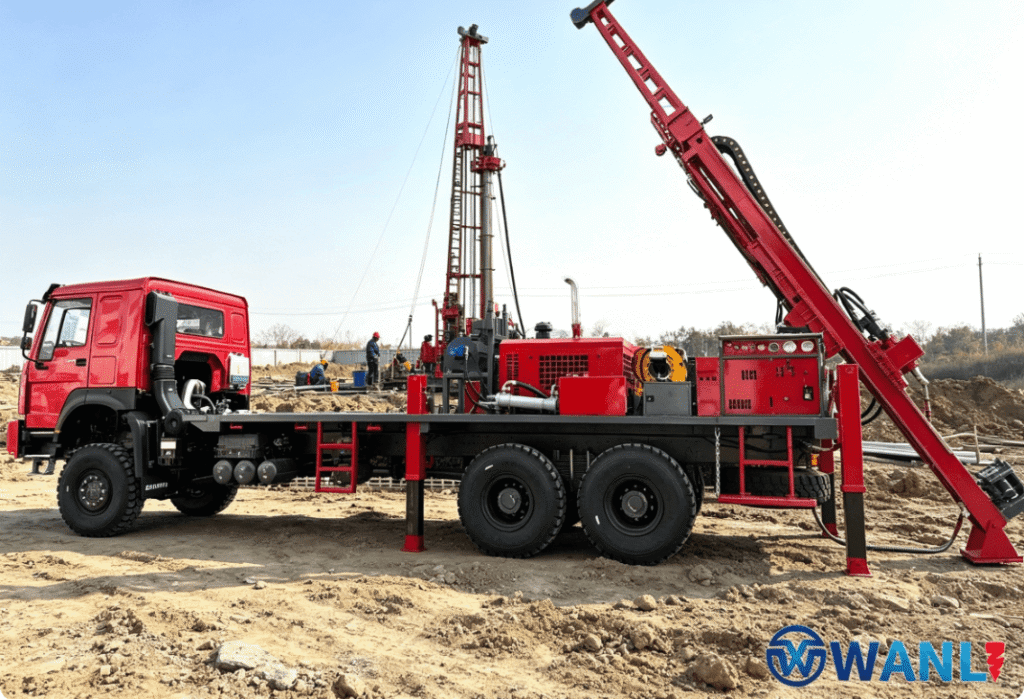
Safety valves are critical components in any high-pressure hydraulic system. A durable drilling rig features load-holding valves that prevent the mast from falling if a hose breaks. These valves lock the hydraulic cylinders in place instantly, protecting personnel standing below. Integrated safety valves provide a redundant layer of protection that is essential for modern job sites.
The Relationship Between Environmental Resilience and Site Safety
Drilling sites are often located in environments with high humidity, saltwater exposure, or extreme temperatures. A durable drilling rig is built to resist corrosion that can weaken structural supports. Rust can hide internal damage that eventually leads to a sudden and dangerous failure. Corrosion-resistant coatings are a safety necessity rather than a cosmetic luxury in modern drilling.
Statistics indicate that rigs with professional-grade anti-corrosive treatments have 40% fewer structural snap incidents. In coastal or chemical-rich environments, this protection is the only thing keeping the mast secure. A durable drilling rig uses stainless steel components and specialized paint to prevent oxidation. Eliminating the threat of rust ensures that the rig’s load-bearing capacity remains consistent over its entire lifespan.
Operating in Extreme Temperature Ranges
Extreme cold can make steel brittle, while extreme heat can degrade electrical insulation. A durable drilling rig is tested to operate safely between -20°C and +50°C. This wide temperature range ensures that the machine remains stable regardless of the local climate. Designing for temperature resilience prevents the “cold-snap” failures that often occur in northern mining regions.
Dust and Particle Infiltration Protection
Drilling naturally generates large amounts of dust and abrasive rock cuttings. A durable drilling rig uses sealed bearings and filtered air intakes to keep these particles out of the engine. If dust enters the mechanical systems, it causes rapid wear and potential engine seizing. Protecting internal components from abrasive dust is vital for maintaining the machine’s reliability and operator safety.
Minimizing Operational Risks Through High-End Engineering
Engineering for durability involves looking at the machine as a cohesive safety system. A durable drilling rig is built with precision-aligned rotary heads to reduce internal friction. Misalignment causes excessive heat and increases the likelihood of mechanical fires. Exact mechanical alignment ensures that energy is used for drilling rather than creating hazardous heat buildup.
Data shows that rigs with automated safety overrides experience 60% fewer “over-torque” incidents. These systems monitor the stress on the drill pipe and stop the machine if limits are exceeded. A durable drilling rig is designed to handle these emergency stops without damaging the frame. Integrating smart technology with robust hardware creates a machine that actively prevents accidents.
Enhancing Stability on Uneven Ground
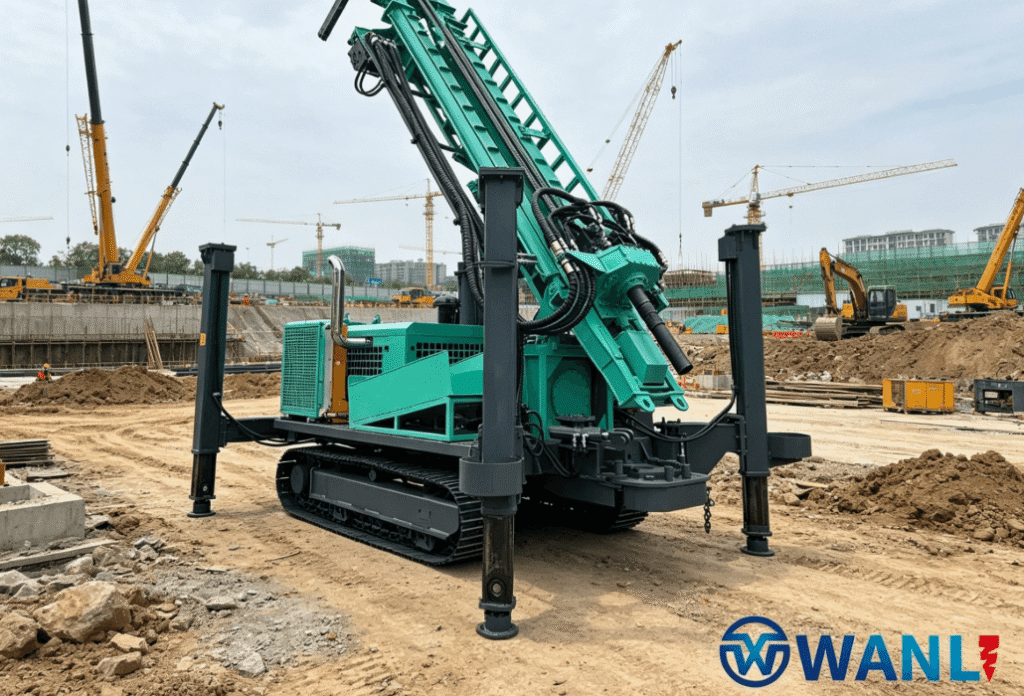
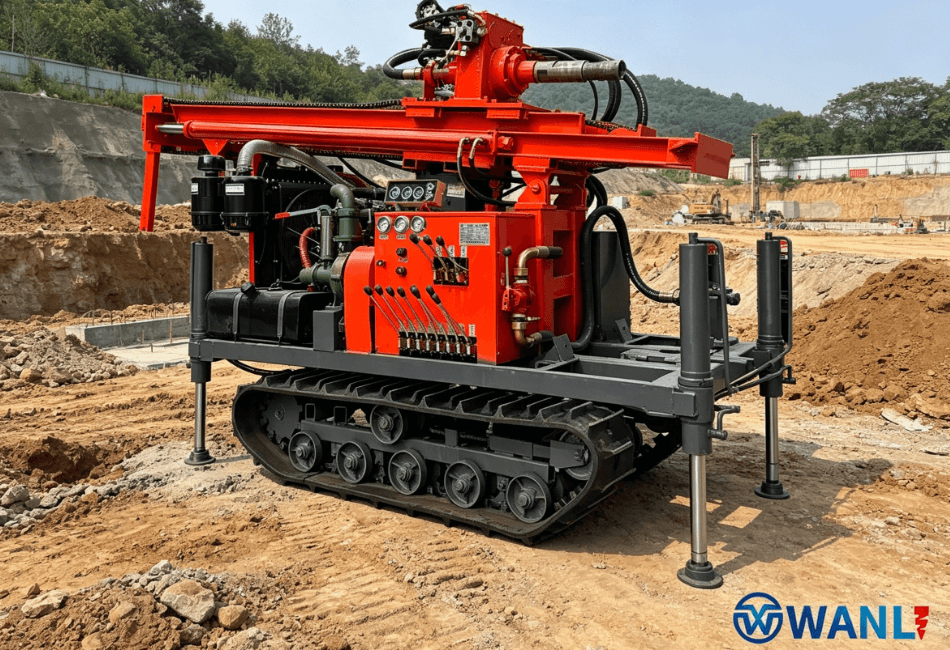
Many accidents happen when a rig shifts or sinks while operating on soft or uneven soil. A durable drilling rig features extra-wide crawler tracks and reinforced stabilizer legs. These components distribute the weight of the machine more evenly across the ground. Providing a stable platform is the first step in preventing a rig from tipping during high-force drilling.
Noise Reduction and Crew Communication
High noise levels can prevent crew members from hearing warnings or emergency signals. A durable drilling rig uses sound-dampening enclosures and precision-machined gears to lower decibel levels. Lower noise levels improve overall situational awareness and reduce operator fatigue. Reducing acoustic pollution directly improves the communication and safety of the entire drilling team.
How to Evaluate Equipment for Long-Term Safety Requirements
Choosing the right machine requires a balance between power, weight, and material quality. Many professionals prefer rc reverse circulation drilling rigs because they offer specialized sample collection with high safety standards. These units are designed to handle complex air-flow systems and heavy dual-wall pipes without compromising stability. A durable drilling rig in this category must have a reinforced mast to support the extra weight of the RC system.
When inspecting a potential unit, examine the thickness of the steel in the primary mast and chassis. A durable drilling rig will often feature box-frame construction rather than simple C-channels. The box-frame design offers superior resistance to twisting and bending under high pressure. The structural layout of the chassis is a key indicator of how the rig will perform under emergency loads.
Furthermore, consider the quality of the engine and the accessibility of safety controls. A durable drilling rig often uses world-class power plants from brands like Cummins to ensure consistent performance. Stalling during a critical phase of the drilling process can create a suspended load hazard. Reliable power delivery is a fundamental component of any safety-focused drilling operation.
Summary
A durable drilling rig is the most important asset for ensuring safety in modern drilling projects. By utilizing high-strength materials and advanced hydraulics, these machines prevent the mechanical failures that lead to injuries. Resilience against environmental wear and structural fatigue guarantees that the equipment remains safe for many years. Investing in durability is a direct investment in the protection of human lives.
FAQ
1. How does equipment durability directly reduce the risk of on-site injuries?
Durability reduces injuries by preventing sudden structural collapses and high-pressure hydraulic failures during operations. A durable drilling rig maintains its mechanical integrity under extreme stress, ensuring a predictable and safe work environment.
2. What are the most critical components of a durable drilling rig for safety?
The most critical components include the high-strength steel mast, the reinforced chassis, and the safety-valved hydraulic system. These parts work together to support heavy loads and prevent the machine from failing during high-torque tasks.
3. Can a durable drilling rig handle extreme weather conditions without compromising safety?
Yes, high-quality rigs are designed with specialized coatings and thermal management systems for extreme environments. Resilience to temperature and corrosion ensures that the rig remains stable and safe in both arctic and tropical climates.
4. Why is structural integrity more important than engine power for safety?
While power is needed for drilling, structural integrity ensures the machine does not break apart under the forces that power generates. A durable drilling rig must be strong enough to contain its own power to protect the surrounding crew from mechanical failure.
5. How often should a durable drilling rig undergo safety inspections?
Even the most durable equipment requires regular daily checks and major inspections every 500 operating hours. Consistent maintenance combined with a durable design provides the highest level of protection for drilling personnel.
Reference Sources
International Association of Drilling Contractors