Industrial operations today demand higher speeds and lower operational costs to remain competitive. Achieving these goals requires a deep understanding of how to improve drilling efficiency through technology and strategy. The most significant factor in any project is the selection of a robust and capable drilling rig. Modern equipment offers features that were unavailable a decade ago, allowing for faster penetration and less downtime.
Operators must balance machine power with fuel consumption and mechanical longevity. A high-performance drilling rig reduces the time spent on each borehole, which increases overall profitability. By focusing on advanced hydraulic systems and automated controls, companies can improve drilling efficiency regardless of the geological conditions. Precision in equipment management leads to more predictable project timelines and better resource allocation.
Successful drilling also relies on the integration of data-driven maintenance and skilled labor. Understanding the mechanical limits of a drilling rig prevents costly equipment failures during critical phases. To improve drilling efficiency, one must consider the entire workflow from site setup to sample retrieval. Every minute saved during tool handling or pipe connection contributes to the ultimate success of the drilling program.
How Modern Hydraulic Systems Improve Drilling Efficiency?
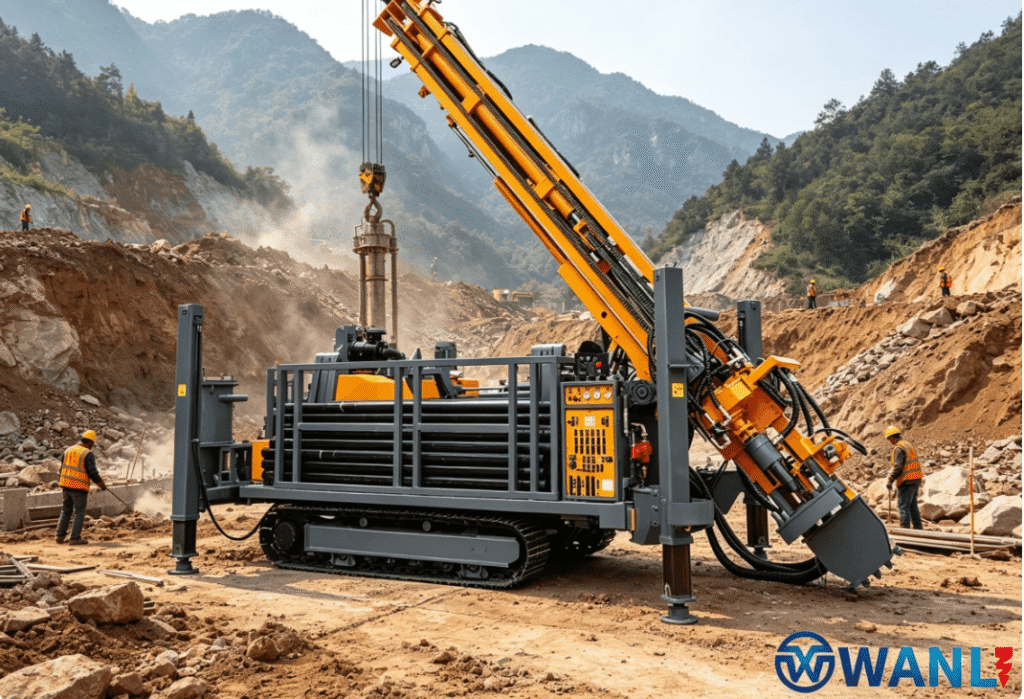
Hydraulic power remains the primary driver of performance in heavy-duty machinery. Modern systems utilize high-pressure circuits to deliver maximum torque to the drill bit. These advancements allow a drilling rig to penetrate harder rock layers without excessive wear. Load-sensing technology ensures that power is distributed only when the load demands it, which saves energy.
The use of variable displacement pumps is a key development in hydraulic design. These pumps adjust fluid flow in real-time based on the resistance encountered in the borehole. This capability helps to improve drilling efficiency by maintaining a consistent rate of penetration. Statistics show that modern hydraulic rigs can achieve up to 30% higher torque efficiency than older mechanical models.
Furthermore, hydraulic cooling systems have become more sophisticated to prevent overheating. Overheating often leads to fluid degradation and premature component failure. A well-cooled drilling rig can operate for longer shifts in extreme climates without performance drops. Reliable cooling is essential to improve drilling efficiency during deep-hole operations in desert or tropical environments.
Precision Control for Better Penetration Rates
Precise control of the feed force and rotation speed is vital for borehole accuracy. Operators use electronic joysticks to make micro-adjustments to the drilling parameters. This level of control helps to improve drilling efficiency by preventing bit walking or hole deviation. Modern sensors provide immediate feedback on the pressure applied to the formation.
Reducing Energy Waste in Field Operations
Energy efficiency directly impacts the total cost of a drilling project. Advanced rigs utilize regenerative hydraulic circuits to capture energy during mast lowering. This captured energy is then reused for other mechanical functions on the drilling rig. Implementing these green technologies is a practical way to improve drilling efficiency while reducing environmental impact.
Optimizing Exploration with Advanced Drilling Rig Features
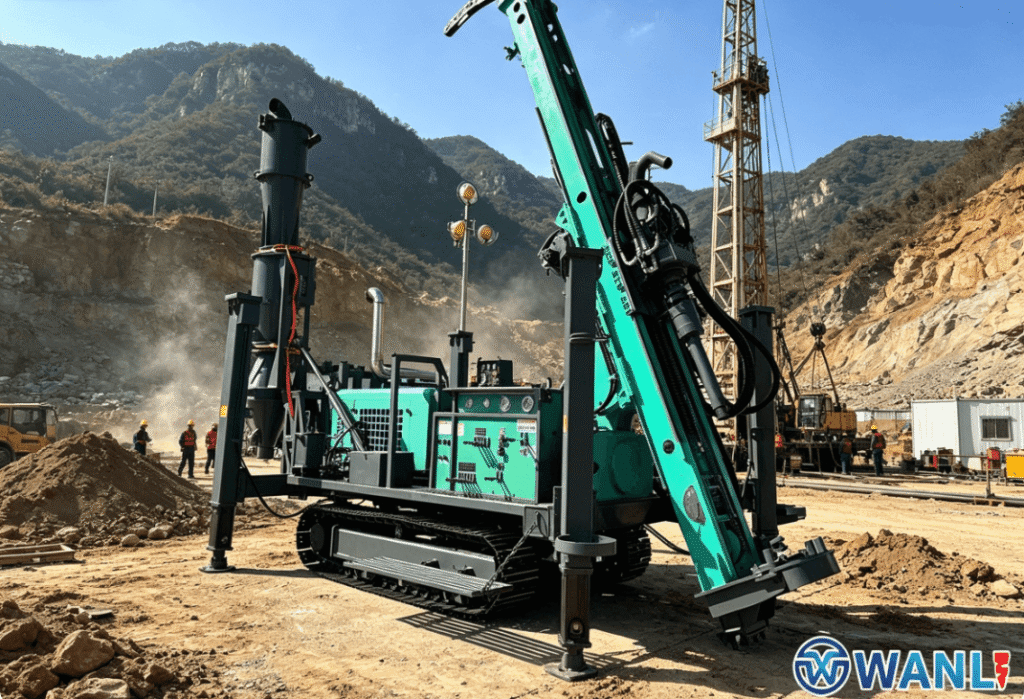
Mineral exploration requires high-speed sampling without compromising the quality of the geological data. Reverse circulation technology has emerged as a preferred method for many mining companies. An RC-capable drilling rig uses dual-wall pipes to protect samples from contamination. This method is significantly faster than traditional diamond core drilling in many environments.
The high-pressure air systems in modern rigs provide the lift needed for deep sampling. Large on-board compressors allow the drilling rig to reach depths exceeding 500 meters with ease. High-capacity air delivery is a fundamental requirement to improve drilling efficiency in exploration. It ensures that cuttings reach the surface quickly for immediate analysis.
Automated rod handling systems are another feature that boosts site productivity. These systems reduce the physical strain on the crew and speed up the pipe-changing process. By automating repetitive tasks, a drilling rig can maintain a steady work pace throughout the day. Automation is one of the most effective ways to improve drilling efficiency and worker safety simultaneously.
The Speed Advantage of Reverse Circulation
RC drilling can be three to four times faster than conventional core recovery methods. This speed allows exploration teams to cover more ground in a single season. Utilizing a specialized drilling rig for RC work ensures that the project stays ahead of schedule. Rapid data acquisition is the primary goal when trying to improve drilling efficiency in mining.
Integrated Dust Suppression for Safer Sites
Fast drilling creates significant amounts of dust and debris at the collar. Modern rigs feature integrated cyclonic dust collectors and water injection systems. These features protect the crew and the mechanical components of the drilling rig from abrasive particles. Maintaining a clean work area is a subtle but effective way to improve drilling efficiency.
| Feature | Traditional Rig | Modern Advanced Rig | Efficiency Gain |
| Torque Control | Manual Gearbox | Hydraulic Variable Drive | 25% Increase |
| Pipe Handling | Manual Winch | Automatic Rod Handler | 40% Faster |
| Fuel Usage | High (Constant RPM) | Low (Demand-Based) | 20% Saving |
| Sample Quality | Variable | High (RC Systems) | Consistent |
| Downtime | Frequent | Predictive (Sensors) | 15% Reduction |
Enhancing Productivity in Deep Aquifer Projects
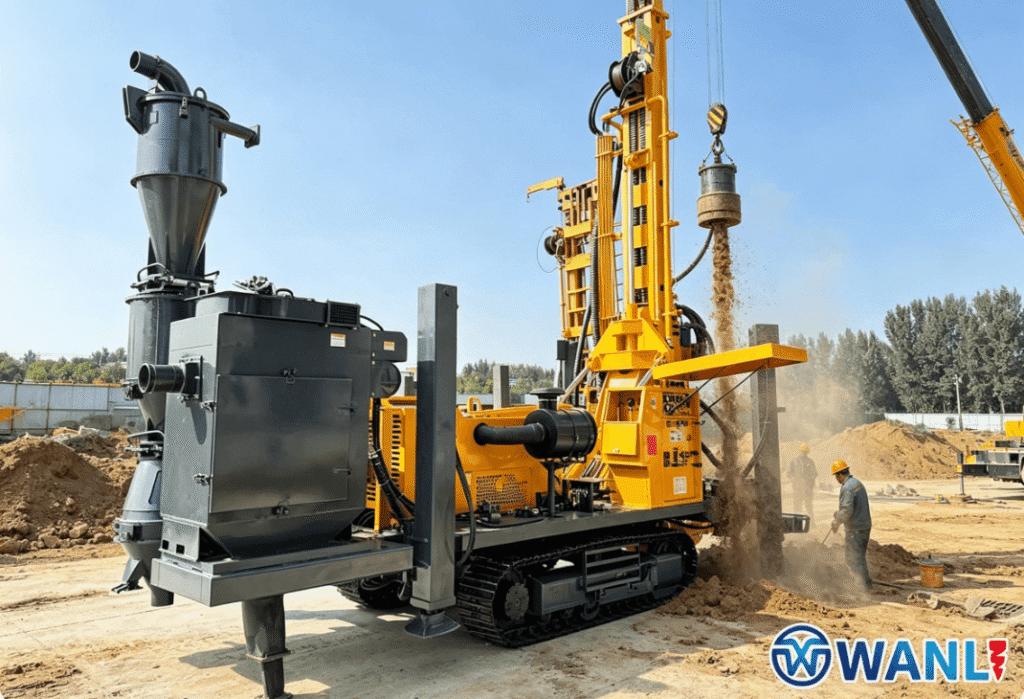
Water well projects often face diverse soil conditions, from loose sand to dense basalt. A versatile drilling rig must be able to switch between air and mud drilling modes. This flexibility allows the operator to adapt to the hydrological environment instantly. Being prepared for any ground type is crucial to improve drilling efficiency in rural water development.
Modern water well rigs often feature telescopic masts that accommodate longer drill pipes. Longer pipes mean fewer connections are required to reach the target depth. Reducing the number of pipe joints helps to improve drilling efficiency by cutting down on assembly time. It also minimizes the risk of joint failure or leakage during high-pressure operations.
High-torque power heads are essential for turning large-diameter bits in deep wells. The ability to maintain rotation under heavy loads prevents the drill string from getting stuck. A powerful drilling rig provides the confidence needed to tackle deep aquifers. Consistent performance in challenging strata is the hallmark of a system designed to improve drilling efficiency.
Mud Circulation and Borehole Stability
Maintaining borehole integrity is the biggest challenge in soft-soil drilling. High-flow mud pumps circulate drilling fluids to stabilize the walls of the hole. Proper fluid management helps to improve drilling efficiency by preventing cave-ins and stuck pipes. Advanced rigs often include mud cleaning systems to recycle fluids and reduce waste.
Crawler Mobility for Remote Access
Many water well sites are located in difficult terrain with limited road access. Crawler-mounted rigs provide the traction needed to navigate steep slopes and mud. This mobility ensures that the drilling rig can reach the exact location of the water source. Reducing mobilization time is a key component when planning to improve drilling efficiency.
Strategic Maintenance and Digital Monitoring
The health of the machine is directly linked to the speed of the project. Predictive maintenance programs use sensors to monitor vibration, heat, and pressure levels. These sensors alert the operator to potential issues before a catastrophic failure occurs on the drilling rig. Staying ahead of repairs is the best way to improve drilling efficiency over the long term.
Routine servicing of hydraulic filters and engine oil must be strictly followed. Clean fluids ensure that the valves and pumps within the drilling rig operate without friction. Any increase in internal friction leads to lost power and higher fuel costs. Regular maintenance is a non-negotiable requirement for those who want to improve drilling efficiency.
Digital telemetry systems now allow for remote monitoring of fleet performance. Managers can track the location and productivity of every drilling rig from a central office. This data helps to identify which operators or machines are meeting efficiency targets. Using analytics to optimize field operations is a modern way to improve drilling efficiency.
Predictive Analytics for Downtime Prevention
Analyzing data trends can reveal when a hydraulic pump is nearing the end of its life. Replacing parts during scheduled breaks prevents expensive delays during active drilling. This proactive approach ensures the drilling rig remains available for work when needed most. Minimizing unscheduled stops is vital to improve drilling efficiency.
Training Operators for Advanced Technology
Even the best machine requires a skilled operator to reach its full potential. Training programs focus on how to use the automated features of a modern drilling rig. Knowledgeable staff can diagnose minor issues and adjust settings to match ground conditions. Investing in people is a proven strategy to improve drilling efficiency.
Selection Criteria for High-Performance Rigs
Choosing the right equipment requires a detailed analysis of the project requirements. You must consider the maximum depth, hole diameter, and typical rock hardness at your site. A drilling rig that is underpowered will struggle and eventually break down under stress. Selecting a machine with a 20% power reserve is a smart way to improve drilling efficiency.
For those involved in complex mineral exploration, specialized tools are necessary. You can find high-quality RC reverse circulation drilling rigs that offer integrated air and sampling systems. These machines are engineered specifically to provide fast results in the mining sector. Using the right tool for the job is the first step to improve drilling efficiency.
In the water sector, versatility and reliability are the most important factors. You should evaluate different water well drilling rigs to see which mounting options fit your typical terrain. A rig with a high pull-back capacity ensures that you can recover the casing from deep wells safely. Investing in reliable platforms will improve drilling efficiency and project profitability for years to come.
Summary
To improve drilling efficiency, companies must invest in a modern drilling rig equipped with advanced hydraulics and automation. Strategic maintenance and proper equipment selection are essential for minimizing downtime and maximizing penetration rates. By focusing on these technical factors, operators can achieve faster project completion and significantly lower their total operational costs per meter.
FAQ
1. How does automation improve drilling efficiency?
Automation improves drilling efficiency by handling repetitive tasks like rod changing and leveling faster than manual labor. It maintains a consistent pace of work and reduces the likelihood of human error or fatigue-related accidents. Modern rigs use sensors to optimize drilling parameters automatically for the best performance.
2. What is the most important maintenance task for a drilling rig?
The most important task is the regular inspection and filtration of hydraulic fluids. Clean oil prevents wear on expensive pumps and valves, ensuring the machine maintains its power and precision. Consistent maintenance schedules prevent unexpected breakdowns that can halt a project for days.
3. Can the choice of drill bit improve drilling efficiency?
Yes, using a drill bit that is specifically matched to the rock hardness can significantly increase penetration rates. A dull or incorrect bit forces the drilling rig to work harder, which increases fuel consumption and mechanical stress. Matching the bit to the formation is a key operational strategy.
4. Why is crawler mobility important for a drilling rig?
Crawler mobility allows the rig to access remote or rugged locations where truck-mounted units might get stuck. This capability reduces the need for extensive site preparation and road building. Faster mobilization to the drill site is a direct way to improve drilling efficiency in the early stages of a project.
5. How does load-sensing hydraulics save money?
Load-sensing hydraulics only provide the amount of fluid flow and pressure required for the current task. This prevents the engine from working at full capacity when it is not needed, which significantly reduces fuel consumption. Lower fuel usage leads to a lower total cost of ownership for the machine.
Reference Sources
National Ground Water Association (NGWA) – Manual of Water Well Construction Practices
Australian Drilling Industry Association (ADIA) – The Drilling Manual