Choosing the correct method for resource extraction or geotechnical engineering is a complex task. The decision between surface vs underground drilling fundamentally changes the project’s trajectory. Surface drilling occurs in open environments where space is typically not a constraint. This method allows for the use of massive machinery to move large volumes of material. Conversely, underground drilling operates within the earth’s crust inside tunnels or shafts.
Geological conditions usually dictate which of these two primary methods a company selects. Depth, rock hardness, and environmental regulations all play significant roles in this technical decision. Selecting the right approach between surface vs underground drilling ensures long-term project viability. Each method requires specialized training and distinct safety protocols to protect the workforce. Modern advancements have improved the efficiency of both strategies significantly over the last decade.
Engineers must weigh initial capital costs against the potential yield of the target ore or water source. Surface operations are often faster and easier to manage logistically. Underground operations offer access to high-grade materials that remain unreachable from the surface. This article provides a comprehensive analysis of the mechanical and economic factors involved. By understanding these nuances, operators can optimize their equipment selection for any terrain.
What Is the Main Difference Between Surface and Underground Drilling Operations?
The primary distinction lies in the working environment and the scale of the machinery used. Surface drilling is characterized by its high visibility and relative ease of access for maintenance teams. Large rotary or percussion rigs can be moved easily across open terrain to reach various target points. In the debate of surface vs underground drilling, surface methods are generally preferred for shallow deposits. These deposits usually lie within a few hundred meters of the topsoil layer.
Underground drilling requires a much more controlled and enclosed environment. Operators must contend with limited headspace, poor natural lighting, and artificial ventilation requirements. Equipment used in these settings is often modular to fit through narrow mine shafts. The precision of underground drilling is often higher due to the proximity to the ore body. This method minimizes the “dilution” of the target material during the extraction process.
Logistics also vary greatly between these two drilling environments. Surface sites can receive fuel and spare parts via standard heavy-duty trucks. Underground sites require complex hoisting systems or underground transport vehicles to move supplies. This logistical complexity adds layers of planning to every shift. Understanding the logistical footprint of surface vs underground drilling is essential for budgeting.
Depth and Accessibility Constraints
Depth is perhaps the most influential factor when choosing a drilling strategy. Surface drilling becomes prohibitively expensive when the “overburden” layer is too thick. Removing millions of tons of waste rock to reach a deep deposit is rarely economical. Therefore, surface vs underground drilling decisions are often based on the stripping ratio. This ratio compares the amount of waste rock to the amount of actual ore recovered.
Underground drilling excels at reaching vertical depths that exceed 500 meters. Specialized rigs can drill at various angles, including upwards, which is impossible for most surface units. This flexibility allows for the creation of intricate underground networks. However, the cost per meter drilled increases as the depth and complexity grow. The structural integrity of the surrounding rock becomes a major concern at great depths.
Hole Diameter and Geological Stability
The diameter of the borehole significantly impacts the choice of drilling equipment. Surface operations often require large-diameter holes for heavy explosive charges. These large blasts are necessary to break down massive rock faces in open-pit mines. Surface vs underground drilling data shows that surface holes can reach diameters of 450 mm. Such large holes require rigs with immense pull-down force and rotational torque.
Underground holes are typically much smaller, usually ranging from 50 mm to 150 mm. Smaller holes are easier to support and prevent the collapse of the surrounding tunnel walls. Precision is vital here to avoid damaging the mine’s structural supports. Maintaining geological stability is the top priority for any underground drilling crew. Every hole must be mapped carefully to ensure it does not intersect with existing infrastructure.
Key Technical Comparisons in Surface vs Underground Drilling
Technical specifications define the performance limits of any drilling operation. Power sources differ significantly between surface and underground machinery. Surface rigs often utilize large diesel engines to provide the necessary hydraulic and pneumatic power. These engines are reliable but produce significant noise and exhaust emissions. In surface vs underground drilling, the power source must match the environmental regulations of the site.
Underground rigs frequently rely on electric-hydraulic power packs to minimize air pollution. Electric motors are quieter and do not emit dangerous carbon monoxide in confined spaces. This shift to electric power also reduces the heat generated within the mine. However, underground sites must have a robust electrical grid to support these machines. Modern underground rigs are increasingly using battery technology to improve mobility.
| Specification | Surface Drilling Rigs | Underground Drilling Rigs |
| Typical Depth Limit | Up to 500 meters | Exceeding 2,000 meters |
| Hole Diameter Range | 100 mm – 450 mm | 50 mm – 150 mm |
| Common Power Source | Diesel / Hydraulic | Electric / Hydraulic |
| Mobility Level | High (Wheels/Crawlers) | Medium (Compact/Modular) |
| Operating Cost | Lower (40−40−120/m) | Higher (250−250−600/m) |
Operational Speed and Penetration Rates
Speed is a critical metric for measuring the success of a drilling contract. Surface rigs are designed for rapid penetration through varied soil and rock layers. A standard rig can often complete several hundred meters of drilling in a single shift. Fast penetration rates in surface vs underground drilling help reduce the total project timeline. This efficiency is vital for meeting production quotas in commercial mining operations.
Underground drilling is generally a slower process due to the setup time required in confined spaces. Rigs must be anchored securely to the tunnel floor or walls before drilling begins. This anchoring prevents vibration from damaging the machine or the tunnel structure. Furthermore, the removal of drill cuttings is more difficult in a subterranean environment. Efficient waste management is key to maintaining high speeds in underground operations.
Precision and Navigational Accuracy
Accuracy is where underground drilling often shows its superior technical capabilities. Because the targets are often narrow veins of gold or copper, there is no room for error. Specialized “directional drilling” tools are used to steer the drill bit toward the ore. Comparing the accuracy of surface vs underground drilling reveals that underground rigs use more advanced sensors. These sensors provide real-time data on the bit’s location and the rock’s composition.
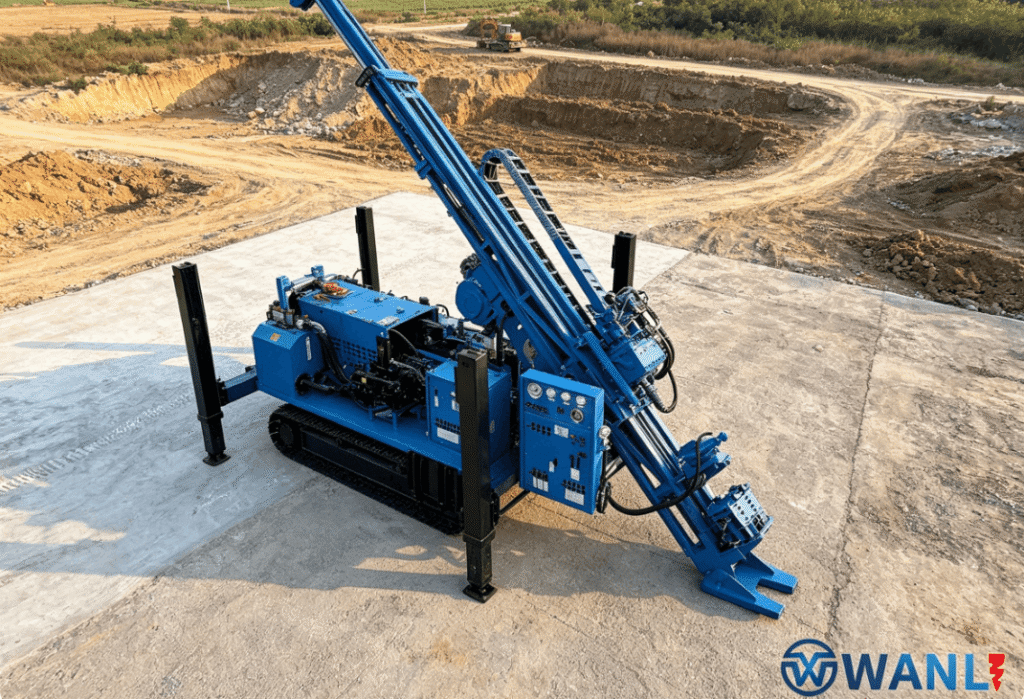
Surface drilling also requires accuracy, especially for “pre-split” blasting to create smooth pit walls. However, the margin for error is typically wider than in underground settings. If a surface hole is slightly off-target, the impact on the overall project is usually minimal. In contrast, a misaligned underground hole can lead to costly delays or safety risks. Advanced GPS and laser leveling systems are now common in both environments to enhance precision.
Evaluating Equipment Needs: Rigs and Infrastructure
The machinery selected for a project must align with the environmental constraints discussed earlier. For many surface applications, durability and high-impact energy are the most important features. High-pressure air systems are often used to drive the hammer into the rock. The right equipment reduces the mechanical stress on the drill string and the rig mast. This leads to lower maintenance costs and fewer unexpected breakdowns during the project.
Infrastructure requirements are also a major point of divergence. Surface sites need clear roads for heavy equipment transport and stable pads for rig setup. Underground sites require extensive support systems, including lighting, ventilation, and water drainage. Infrastructure costs often represent a large portion of the budget for underground ventures. Without proper support, the most advanced drilling rig in the world cannot operate effectively or safely.
High-Performance Surface Solutions
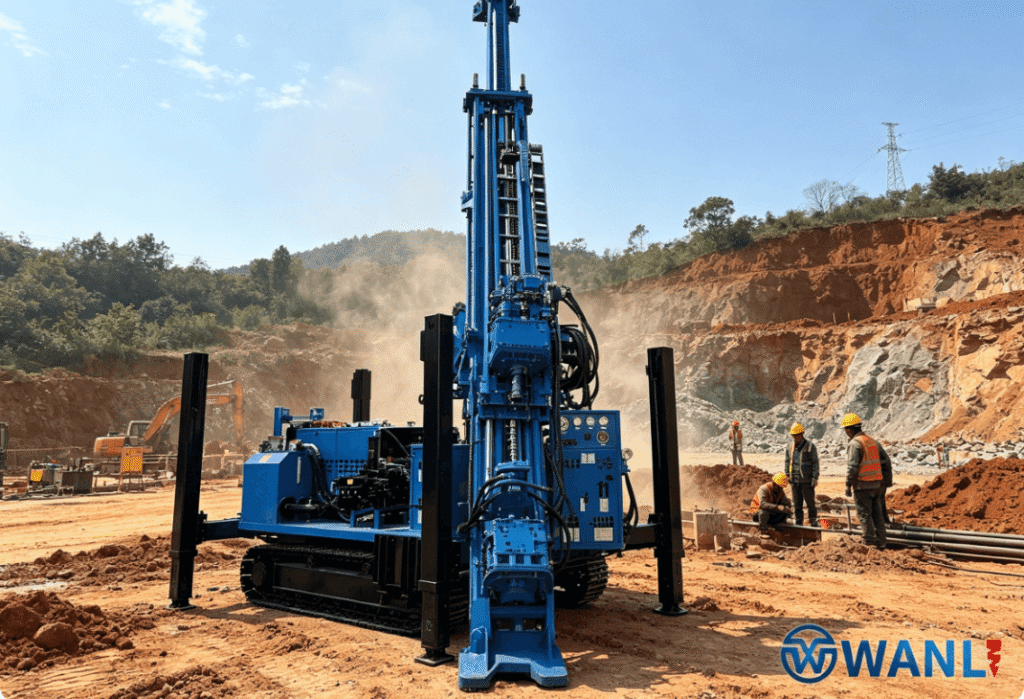
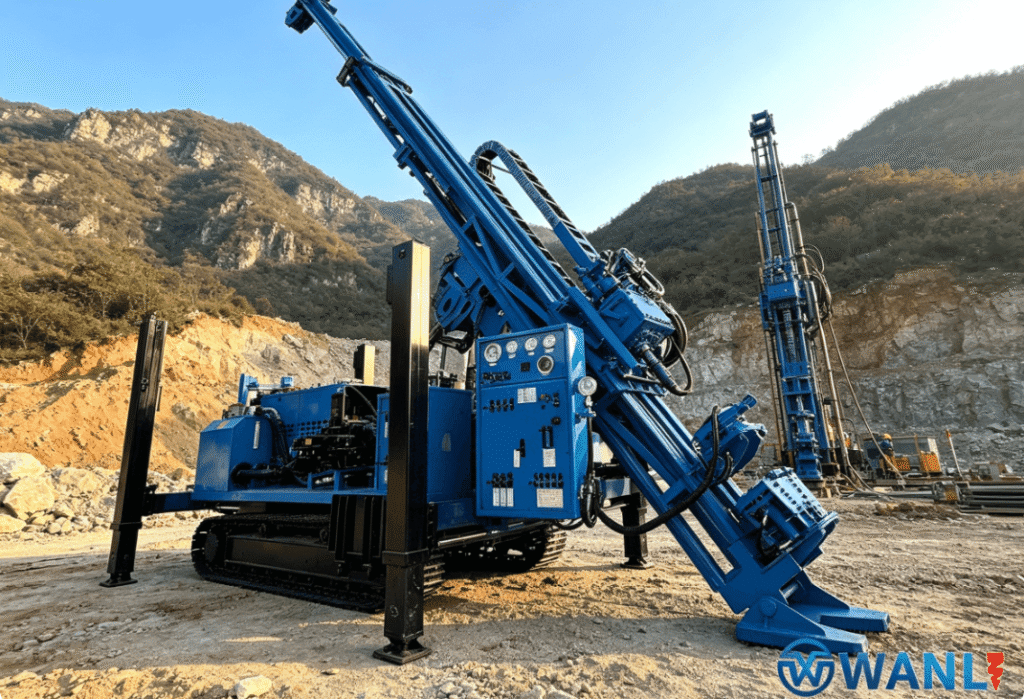
For many heavy-duty industrial projects, the focus is on maximizing the rate of penetration in hard rock. These environments require machines that can handle extreme vibration and high torque. Professional operators often turn to specialized down-the-hole drilling rigs to achieve these goals. These units place the hammer at the bottom of the hole, ensuring that almost all the energy is transferred to the rock.
This design is particularly effective for large-scale quarrying and open-pit mining operations. By reducing energy loss, these rigs can drill deeper and straighter than traditional top-hammer systems. They are also highly adaptable to different rock types, from soft limestone to hard granite. Utilizing DTH technology is a hallmark of an efficient surface drilling operation. It allows for larger hole diameters without sacrificing speed or accuracy.
Mobile and Versatile Exploration Units
Exploration projects often require moving between multiple sites in a short period. In these scenarios, the ability to transport equipment quickly becomes the most important factor. Versatile vehicle-mounted drilling rigs offer the perfect solution for these dynamic requirements. These rigs are integrated directly into a truck chassis, allowing them to travel on standard roads at normal speeds.
This mobility eliminates the need for expensive low-loader trailers and the permits required for oversized loads. These units are frequently used for water well drilling, soil sampling, and early-stage mineral exploration. They offer a smaller footprint than crawler-based rigs, making them ideal for sites with limited access. The versatility of vehicle-mounted systems provides a significant competitive edge in exploration. They allow companies to respond quickly to new geological findings.
Cost Analysis and Project Economics
The financial implications of surface vs underground drilling are often the deciding factors for investors. Surface drilling generally boasts a lower capital expenditure (CAPEX) for the equipment itself. The rigs are easier to mass-produce and do not require specialized flame-proofing or compact components. Operating costs for surface drilling are typically 60% lower than underground alternatives. This makes it the preferred method for high-volume, low-margin materials like coal or aggregates.
Underground drilling requires a much higher initial investment. The cost of developing the access tunnels alone can run into the millions of dollars. Additionally, the machinery itself is more expensive due to its specialized design and safety features. However, the potential return on investment (ROI) can be much higher. Underground mines often target high-grade minerals that command a premium price on the global market.
Labor costs also differ between the two methods. Surface drilling teams are usually smaller, and the training requirements are less stringent. Underground crews must undergo extensive safety training for mine rescues and gas monitoring. This specialized skill set commands higher wages and comprehensive insurance coverage. The human resource cost is a significant factor in the surface vs underground drilling comparison.
Safety and Environmental Compliance
Safety is the most critical aspect of any industrial drilling project. Surface drilling hazards include landslides, dust exposure, and heavy equipment collisions. Operators must follow strict guidelines regarding high-wall stability and dust suppression. Modern surface rigs use automated water-injection systems to keep dust levels low. This protects the health of the workers and the surrounding environment.
Underground safety is significantly more complex due to the risk of tunnel collapse and gas explosions. Continuous monitoring for methane and other volatile organic compounds is mandatory in many mines. Specialized “refuge chambers” must be located near the drilling site in case of an emergency. Strict adherence to safety protocols is non-negotiable in underground drilling operations. The environmental footprint of underground drilling is smaller, as it leaves the surface landscape largely intact.
Maintenance and Machine Longevity
Maintenance schedules are heavily influenced by the environment. Surface rigs are exposed to the elements, including rain, snow, and extreme heat. This can lead to rust and degradation of hydraulic seals over time. Regular cleaning and protective coatings are essential to extend the machine’s life. In surface vs underground drilling, weather protection is a major maintenance priority for surface units.
Underground rigs face a different set of maintenance challenges. The high humidity and presence of corrosive groundwater can quickly damage electrical systems. Access for maintenance is also limited, meaning that simple repairs can take much longer to complete. Parts must be transported through the mine’s logistical network, which adds to the downtime. Predictive maintenance technology is becoming essential for reducing underground operating costs.
Selecting the Best Rig for Your Operations
Determining the ideal drilling solution requires a balanced view of your project’s geography and financial goals. If your primary objective is speed and high-volume extraction from a shallow site, surface rigs are the superior choice. You should look for machines that offer high mobility and a proven track record in hard rock environments. Prioritizing the rate of penetration will ensure that your project remains on schedule and under budget.
For projects that demand exploration at extreme depths or in sensitive environments, underground methods are necessary. In these cases, you must focus on equipment that meets all local safety and emissions standards. The compactness of the rig should be verified against your tunnel profiles to avoid operational bottlenecks. Choosing a rig with modular components can simplify the transition from surface to underground work.
Regardless of the environment, the quality of the drill bit and the hammer system should never be compromised. High-quality materials reduce the frequency of bit changes, which is a major source of downtime. Investing in advanced monitoring systems will also provide valuable data for optimizing your drilling parameters. The right equipment choice is the foundation of a safe and profitable drilling project. By carefully evaluating your needs, you can select a rig that delivers the best value for your specific application.
Summary
Surface vs underground drilling involves choosing between high-volume, accessible operations and high-precision, deep-earth extraction. Surface drilling excels in cost-efficiency and speed, while underground drilling allows access to high-grade resources in confined spaces. The decision must be based on the depth of the deposit, geological stability, and the overall budget for safety and infrastructure.
FAQ
1. What are the main safety risks in surface vs underground drilling?
Surface drilling risks primarily involve equipment movement, dust inhalation, and high-wall instability in quarries. Underground drilling carries much higher risks, including tunnel collapses, toxic gas accumulation, and fire hazards.
2. Is surface drilling always cheaper than underground drilling?
Yes, in almost all cases, surface drilling is cheaper per meter due to simpler logistics and lower infrastructure needs. However, the cost of removing overburden can make surface mining more expensive if the ore is located very deep.
3. Which drilling method is better for the environment?
Underground drilling is often considered better for the environment because it minimizes the surface footprint and avoids large-scale land clearing. However, it requires significant energy for ventilation and water management systems.
4. What type of rig is best for water well drilling?
Vehicle-mounted rigs are usually the best choice for water well drilling because they can travel easily to rural or remote areas. They provide the necessary depth for most wells while remaining highly mobile and cost-effective.
5. Can the same drill bit be used for both methods?
While the basic design may be similar, bits are often customized for the specific rig and rock type. Underground bits may focus more on precision and cooling, while surface bits are designed for maximum impact and longevity.
Reference Sources
Mining Technology Journal – Technical Analysis of Modern Underground Extraction Equipment.