Environmental impact drilling is a significant concern for the global mining and energy sectors in 2026. Every exploration project leaves a physical footprint on the local ecosystem. Minimizing this footprint is essential for maintaining biodiversity and complying with modern regulations.
Companies must balance resource extraction with the preservation of natural habitats. Modern drilling techniques offer various ways to achieve this balance effectively. These methods focus on reducing waste, preventing contamination, and lowering total carbon emissions.
Adopting sustainable practices ensures long-term operational viability for exploration firms. It also builds trust with local communities and government stakeholders. This article examines specific ways to mitigate the environmental impact drilling projects may have on the planet.
What is the Primary Environmental Impact of Drilling on Local Ecosystems?
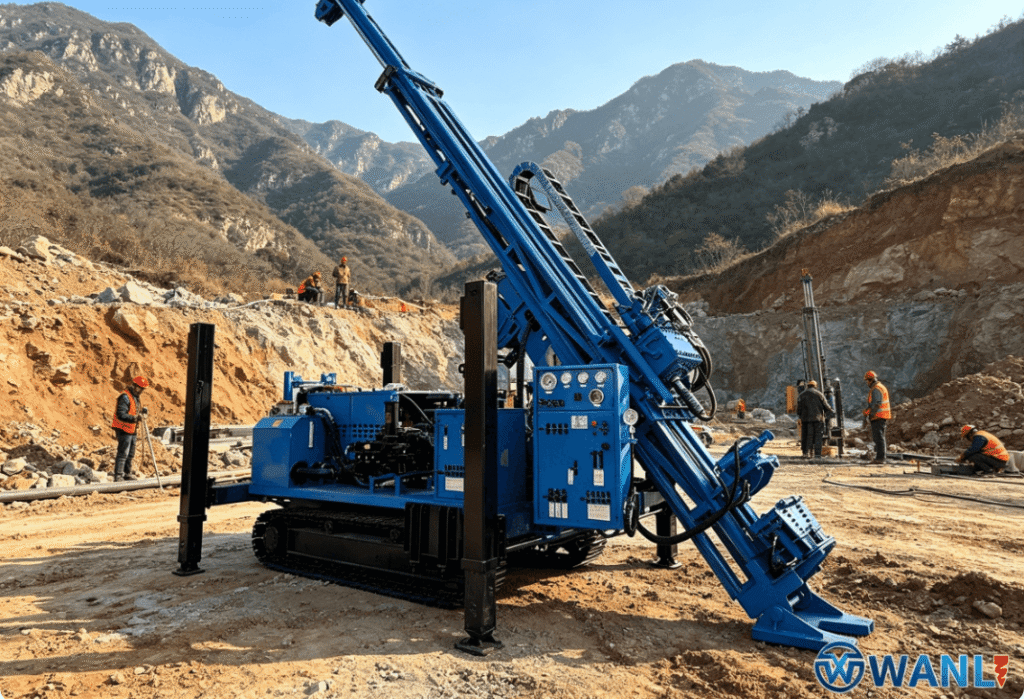
The environmental impact drilling operations cause often begins with site preparation and clearing. Removing vegetation leads to immediate habitat loss for local wildlife species. It can also cause significant soil erosion if the site is not managed correctly.
Water resources are a major area of concern during any drilling project. Operations often require large volumes of water for cooling and tool lubrication. If drilling fluids leak, they can contaminate groundwater or nearby surface water.
Soil Degradation and Erosion
Clearing land for drill pads removes the protective layer of topsoil. This makes the area vulnerable to wind and water erosion. In 2026, studies show that unprotected drill sites can lose up to 15 tons of topsoil per acre annually.
Risks to Groundwater Quality
Drilling involves penetrating multiple layers of the earth’s crust. This process can create pathways for contaminants to enter clean aquifers. Improperly sealed wellbores are responsible for 35% of groundwater pollution incidents in exploration zones.
Impact on Local Wildlife
Noise and vibrations from heavy machinery disrupt the natural behavior of animals. Constant human activity can drive sensitive species away from their breeding grounds. Research indicates that noise levels above 70 decibels can permanently displace local avian populations.
How to Reduce Environmental Impact of Drilling Through Better Planning?
Effective planning is the most important step in reducing environmental harm. Operators should conduct thorough environmental impact assessments before moving equipment to the site. This helps identify sensitive areas that must be avoided or protected.
Strategic site selection can minimize the amount of land that needs clearing. Using existing roads and infrastructure reduces the need for new construction. Planning for smaller drill pads can reduce total land disturbance by 40% per project.
Monitoring systems should be established early to track environmental changes. This includes testing water quality and soil health throughout the project lifecycle. Early detection of changes allows for immediate corrective actions to prevent long-term damage.
Implementing Low-Impact Site Access
Constructing temporary access roads using biodegradable materials can help. These roads prevent soil compaction and are easier to remove after the project. Using matting systems instead of gravel can speed up site recovery by 200%.
Managing Water Consumption
Water management is critical for reducing the environmental impact drilling projects create. Operators should prioritize recycling water used in the drilling process. Recycling systems can decrease total freshwater intake by up to 85% in 2026.
Optimizing Project Timelines
Faster drilling reduces the duration of environmental disturbance at the site. Efficient scheduling minimizes the time machinery is running and emitting noise. Reducing project duration by 10 days can lower the total carbon footprint by several tons.
What Technologies Mitigate Environmental Impact Drilling Challenges?
Technological innovation plays a vital role in modern sustainable drilling. Advanced rigs are now more compact and energy-efficient than older models. These machines allow for deeper exploration with a much smaller surface footprint.
Data-driven exploration tools help geologists identify targets more accurately. This reduces the number of unnecessary holes drilled in the ground. Precision mapping can reduce the total number of exploration wells by 20% in 2026.
Automated systems improve the safety and efficiency of the entire drilling process. These systems optimize fuel consumption by adjusting engine power in real-time. Automation technology can lead to a 12% reduction in overall diesel fuel consumption.
Closed-Loop Mud Systems
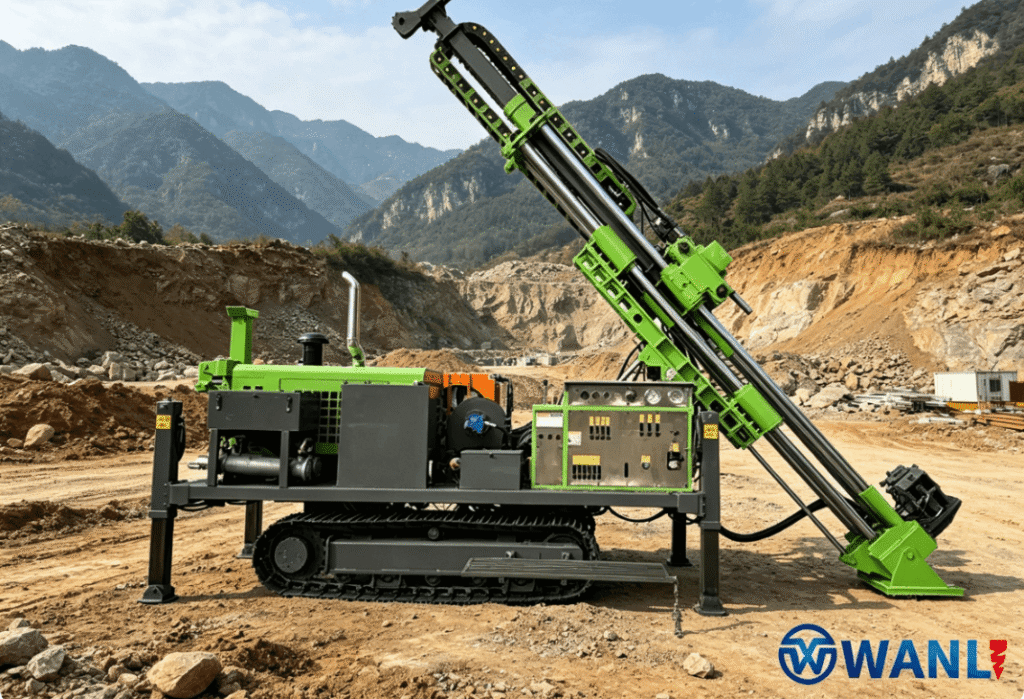
Closed-loop systems capture and recycle drilling fluids instead of using open pits. This technology prevents hazardous chemicals from leaching into the surrounding soil. Using a closed-loop system can eliminate the need for traditional waste pits entirely.
Directional and Slim-Hole Drilling
Directional drilling allows multiple targets to be reached from a single pad. This significantly reduces the total number of sites that must be cleared. Slim-hole drilling can decrease the volume of drill cuttings by as much as 50%.
Real-Time Monitoring Sensors
Sensors can detect pressure changes or fluid leaks as they happen. This allows operators to shut down the system before an environmental incident occurs. Real-time monitoring reduces the severity of fluid spills by approximately 65%.
| Impact Category | Traditional Method | 2026 Sustainable Alternative | Estimated Benefit |
| Water Usage | Open sumps/pits | Closed-loop recycling | 85% water savings |
| Waste Disposal | On-site burial | Off-site specialized treatment | Lower soil toxicity |
| Site Footprint | Large multi-pad sites | Directional/Slim-hole tech | 60% less land used |
| Emissions | Standard diesel | Low-emission/Electric hybrid | 30% reduction in CO2 |
| Data Accuracy | Statistical guessing | AI-driven seismic mapping | 20% fewer holes needed |
How Can Waste Management Lower the Environmental Impact of Drilling?
Waste management is a core pillar of sustainable exploration in 2026. All waste materials, including drill cuttings and fluids, must be handled responsibly. Operators should prioritize the use of non-toxic and biodegradable additives.
Drill cuttings should be separated from fluids and treated before disposal. In some cases, these cuttings can be repurposed for construction or road base. Repurposing waste materials can divert up to 40% of drilling debris from landfills.
Proper storage of fuel and chemicals prevents accidental spills into the soil. Secondary containment systems should be used for all hazardous materials on site. Secondary containment prevents 95% of accidental spills from reaching the natural environment.
Use of Biodegradable Lubricants
Traditional lubricants can persist in the environment for decades if spilled. Switching to vegetable-based or synthetic biodegradable options is a safer choice. Biodegradable fluids break down 90% faster than mineral-based alternatives.
Chemical Inventory Management
Keeping a strict inventory of all chemicals used on site is essential. This ensures that only necessary amounts are used and properly accounted for. Better inventory management can reduce chemical waste by 15% per site.
Restoration and Reclamation
Site restoration must begin immediately after the drilling equipment is removed. This involves replacing topsoil and replanting native trees and grasses. Successful reclamation can return a site to its original state within 3 to 5 years.
Strategic Equipment Choice for Eco-Friendly Operations?
Choosing the right machinery is the first step toward environmental compliance. Modern rigs are designed to be modular and easy to transport to remote areas. This reduces the need for heavy road construction and large transport fleets.
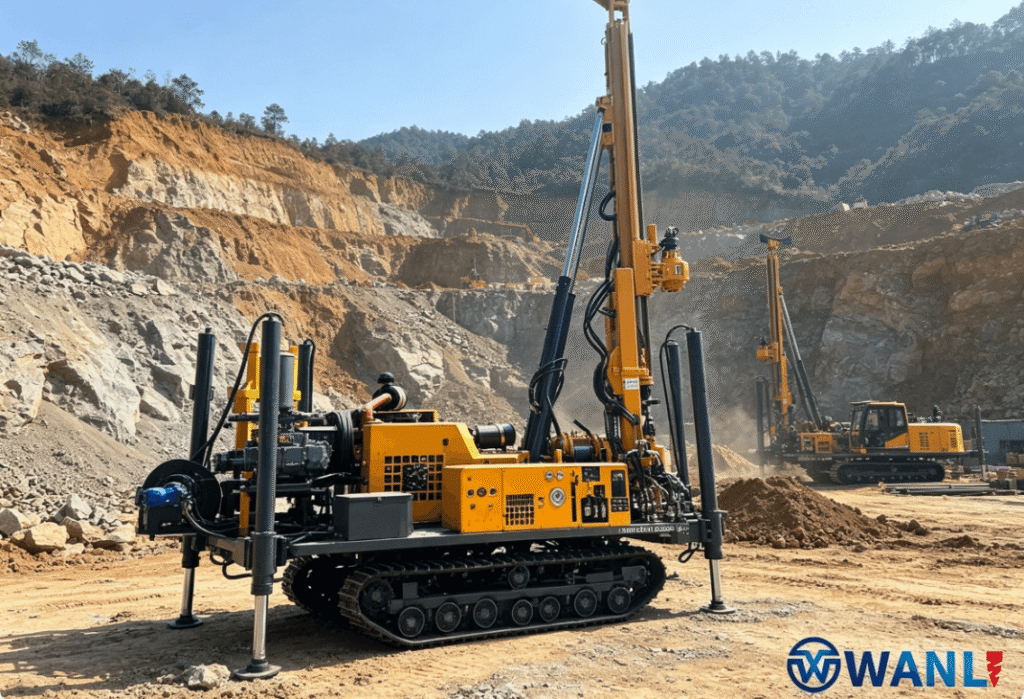
When selecting equipment, prioritize rigs that offer high precision and low waste. For example, specialized RC reverse circulation drilling rigs are highly valued for their efficiency. They prevent cuttings from contacting groundwater during the sampling process.
For projects where minimal surface disturbance is the top priority, coring is often best. High-performance coring drilling rigs allow for very precise sample extraction. This method produces far less surface debris than traditional heavy drilling.
Evaluating a rig’s fuel efficiency is also critical for lowering carbon footprints. Look for machines with Tier 4 or electric power systems to meet 2026 standards. A modern efficient rig can reduce emissions by 25% compared to older technology.
Consider the noise levels produced by the rig during continuous operation. Quieter machinery is essential for projects located near wildlife habitats or communities. Sound-dampened rigs can lower noise pollution by up to 15 decibels.
The size of the equipment should match the specific needs of the geological survey. Using a rig that is too large for the job wastes energy and land. Matching rig size to project scope can save 20% on total energy costs.
Finally, ensure that the equipment is well-maintained to prevent fluid leaks. A small hydraulic leak can contaminate a large area of soil over time. Regular maintenance schedules reduce the risk of mechanical failures and environmental accidents.
Summary
The environmental impact drilling creates can be significantly reduced through technology and planning in 2026. By using closed-loop systems and selecting high-efficiency rigs, companies can effectively protect ecosystems. Sustainable drilling practices are now essential for the future of resource extraction and global health.
FAQ
1.How does drilling affect local groundwater?
Drilling can affect groundwater if fluids leak through unsealed wellbores or open pits. Using high-quality casing and closed-loop systems effectively prevents this type of contamination.
2. What is the cleanest drilling method for mineral exploration?
Coring and RC drilling are considered the cleanest methods due to their precision. These methods produce less surface waste and require smaller drill pads for operation.
3. Can a drilling site be fully restored after the project ends?
Yes, most drilling sites can be fully restored through professional reclamation efforts. This process includes replacing topsoil and replanting native vegetation to restore biodiversity.
4. Does modern drilling technology really lower carbon emissions?
Modern rigs equipped with high-efficiency engines and automation significantly reduce fuel use. This directly lowers the carbon dioxide and methane emissions associated with exploration.
5. What are the benefits of using a closed-loop system?
A closed-loop system recycles water and fluids instead of storing them in pits. It prevents soil contamination and can reduce freshwater consumption by up to 85%.
Reference Sources
U.S. Environmental Protection Agency (EPA) Regulation of Drilling Waste and Water Protection
International Energy Agency (IEA) Reducing Emissions in Energy Production
International Association of Drilling Contractors (IADC) Environmental Best Practices for Drilling
Society of Petroleum Engineers (SPE) Innovations in Low-Impact Drilling Technology