The global extraction industry has faced a decade of intense engineering shifts. By 2026, the primary focus has moved from manual power to automated precision. Modern operations now demand equipment that can handle extreme depths with minimal downtime. Drilling technology trends reflect this need for smarter and more efficient machinery. These advancements ensure that even the most difficult terrains are accessible today.
Data-driven decision-making is the cornerstone of modern geotechnical and mining projects. High-resolution sensors now provide real-time feedback on subsurface conditions. This allows operators to adjust parameters instantly to prevent bit wear. The industry has reached a point where safety and efficiency are perfectly balanced. Every new project benefits from these refined mechanical and digital standards.
Environmental regulations have also driven significant changes in rig design. Companies now prioritize low-emission engines and silent hydraulic systems. This shift is vital for projects located near urban or protected areas. Innovation in drilling mechanics has reduced the overall carbon footprint of large-scale operations. As we move through 2026, these green technologies continue to gain momentum globally.
How Have Drilling Technology Trends Changed Recently?
The most significant change in the last decade is the integration of artificial intelligence. AI systems now predict geological changes before the drill bit reaches them. This proactive approach to exploration minimizes the risk of expensive equipment failure. Automation has replaced many high-risk manual tasks on the rig floor. This transition has led to a 30% reduction in site accidents by 2026.
Hydraulic systems have also seen a massive overhaul in recent years. Modern rigs use variable frequency drives to control motor speeds with extreme accuracy. This technology ensures that fuel consumption is optimized for the specific task. Variable power output prevents the waste of energy during lighter drilling phases. Such efficiency gains have made deep-bore projects much more economically viable.
Remote monitoring has become a standard feature for international drilling teams. Engineers can now oversee multiple sites from a centralized digital hub. This capability allows for expert intervention without the need for constant travel. Global connectivity in drilling ensures that best practices are followed at every location. The ability to share data instantly has accelerated project timelines significantly.
The Role of Intelligent Automation
Automation in 2026 goes beyond simple robotic arms or pipe handlers. Integrated software packages now manage the entire drilling cycle autonomously. These systems calculate the optimal rate of penetration based on real-time torque data. This precision prevents the over-torquing of drill strings in hard formations. Consequently, the operational lifespan of expensive consumables has increased by 40%.
Intelligent systems also manage the cooling of critical machine components. Sensors monitor hydraulic fluid temperatures to prevent system overheating. If a threshold is reached, the system automatically adjusts the workload. This self-regulating technology ensures continuous operation in harsh desert or tropical environments. Operators can trust the machine to protect itself during high-stress maneuvers.
Advancements in Real-Time Telemetry
Telemetry tools have evolved to provide much higher data bandwidth. Modern logging-while-drilling systems transmit complex geological maps in seconds. This allows geologists to identify mineral-rich zones with pinpoint accuracy. High-speed data transmission is now a requirement for any competitive exploration project. It reduces the need for repeated coring and saves valuable time.
The accuracy of directional drilling has also reached new heights. Modern gyroscopic sensors are unaffected by magnetic interference from the surrounding rock. This ensures that the borehole follows the planned trajectory exactly. Precision steering technology allows for complex underground pathways that were once impossible. These milestones represent the peak of modern engineering in the subsurface sector.
| Technology Metric | Status in 2016 | Status in 2026 |
| Automation Level | Partial / Manual | Fully Integrated / AI-Driven |
| Data Latency | Minutes to Hours | Real-Time / Sub-Second |
| Fuel Efficiency | Standard Mechanical | 25% Higher (Hybrid/VFD) |
| Site Safety | High Manual Risk | Hands-Free Operations |
| Deployment Speed | 2-3 Days Setup | Under 4 Hours (Mobile) |
Core Advancements in Modern Coring Drilling Equipment
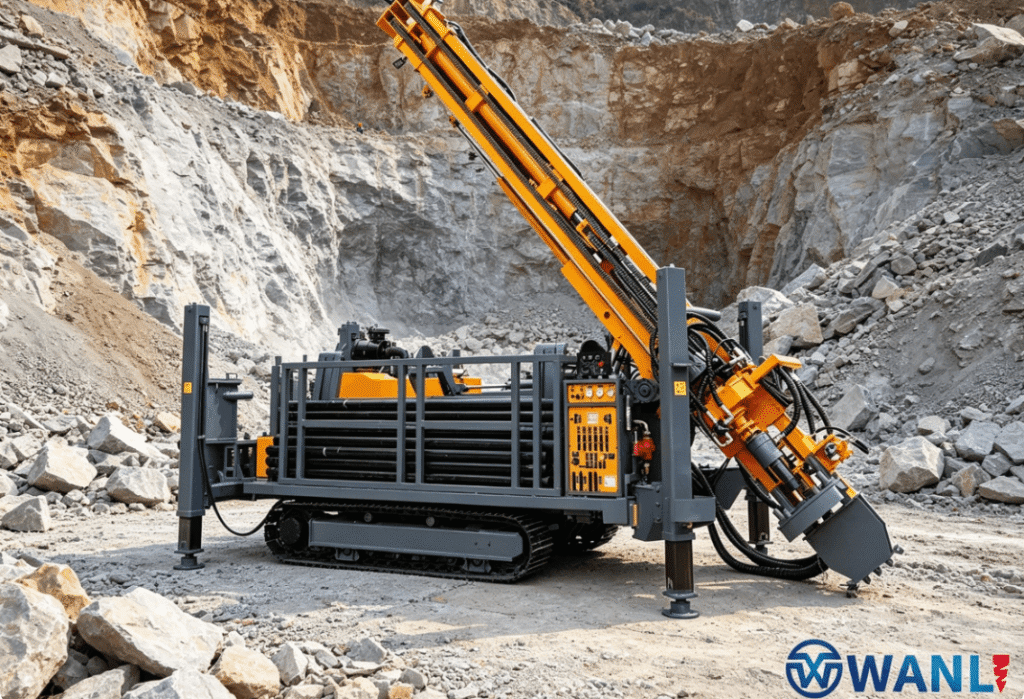
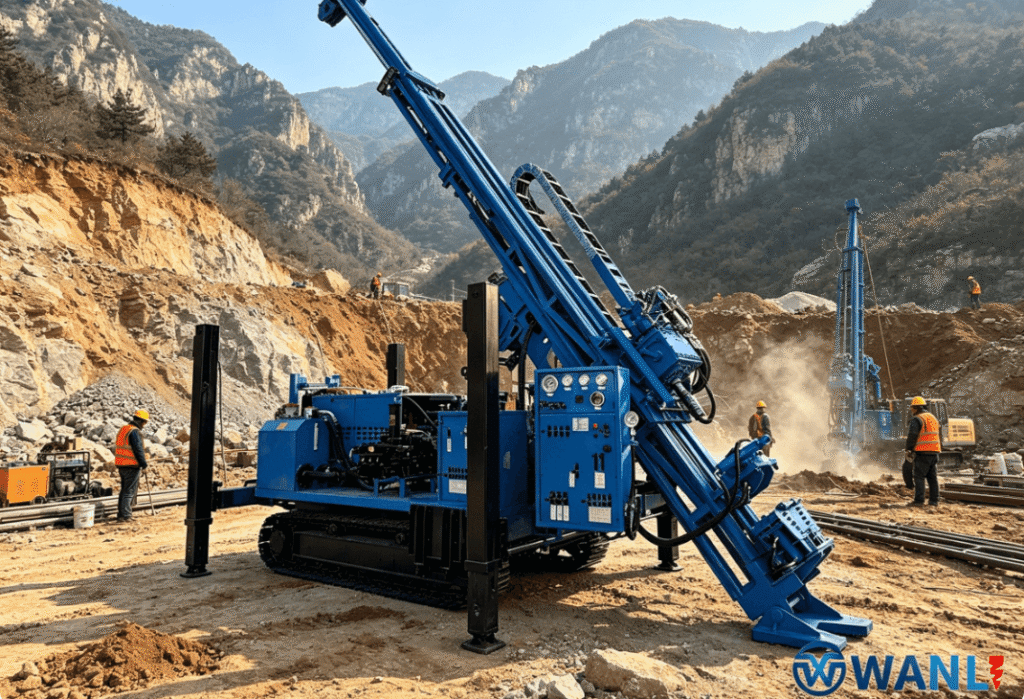
Mineral exploration requires the retrieval of high-quality samples from the earth. A specialized coring drilling rig is essential for this highly technical task. Modern units are designed to maintain sample integrity even in fractured rock. Advancements in diamond bit technology have allowed for much cleaner cuts. This results in 99% core recovery rates in most geological conditions.
Wireline systems have also become significantly faster and more reliable. Retrieving the core inner tube no longer requires pulling the entire drill string. This innovation reduces the time spent on sample retrieval by over 60%. In 2026, these systems are more robust and less prone to mechanical jams. They allow exploration teams to work at depths exceeding 2,000 meters efficiently.
Rig stability is another area where modern engineering has triumphed. New stabilization legs and mast designs prevent micro-vibrations during the coring process. This stability is crucial for obtaining precise orientation data from the core. Enhanced structural rigidity ensures that the rig remains level on steep or uneven terrain. These features make modern coring tools indispensable for professional mining operations.
High-Speed Rotation and Torque Control
Modern coring units now feature multi-speed gearboxes with digital shifting. This allows the operator to switch between high-speed rotation and high-torque modes instantly. High-speed rotation is necessary for efficient diamond bit performance in hard rock. Precise torque management protects the core from twisting or breaking during extraction. This balance is key to successful geotechnical analysis in 2026.
The use of synthetic lubricants has also improved the efficiency of rotation heads. These fluids maintain their viscosity under extreme pressure and heat. This reduces internal friction and extends the service intervals of the rig. Reduced maintenance requirements mean that teams can spend more time drilling. Professional-grade coring equipment is now built for maximum uptime and durability.
Enhanced Cooling and Fluid Management
Proper fluid circulation is vital for keeping the drill bit cool. Modern rigs feature high-pressure mud pumps with variable flow control. This ensures that the face of the bit is always clear of cuttings. Optimized fluid dynamics prevent the bit from getting “burned” in high-friction zones. These systems also include advanced filtration to recycle water on site.
Water conservation has become a major trend in exploration projects. Modern coring setups often include portable treatment plants to minimize environmental impact. This is especially important in arid regions where water is a scarce resource. Sustainable fluid management allows companies to meet strict environmental standards. These technical improvements have redefined the ethics of resource exploration.
The Impact of Mobility on Project Timelines
In the fast-paced world of 2026, time spent in transit is lost revenue. A vehicle-mounted drilling rig provides the mobility needed to stay ahead of schedule. These units are built onto heavy-duty truck chassis for rapid highway and off-road travel. Integrated mobility solutions allow for same-day deployment at distant project sites. This is a massive improvement over traditional modular systems that require trailers.
Setup times have also been slashed through the use of hydraulic leveling systems. A single operator can stabilize and raise the mast in under fifteen minutes. This rapid mobilization capability is essential for water well and emergency projects. Modern vehicle rigs are designed to be self-sufficient with onboard storage for drill pipes. This eliminates the need for support trucks on smaller job sites.
The versatility of these rigs makes them popular for diverse applications. They are used for everything from soil testing to geothermal heat pump installation. Multipurpose functionality ensures that the equipment remains profitable throughout the year. As urban infrastructure grows, the demand for mobile, compact rigs continues to rise. These machines represent the most flexible segment of the modern drilling market.
Integrating Power and Performance
Modern vehicle rigs utilize the truck’s engine to power the hydraulic systems. This power-take-off (PTO) design reduces the weight of the overall equipment. It also simplifies maintenance by having a single engine to service. Efficient power distribution ensures that there is enough torque for deep-hole applications. In 2026, these engines meet the strictest global emission standards.
The cabin of these rigs has also been redesigned for operator comfort. Ergonomic controls and climate-controlled cabins reduce operator fatigue during long shifts. Improved workplace ergonomics have a direct impact on site safety and productivity. A focused operator is less likely to make mistakes that lead to downtime. The human element of drilling remains a priority in machine design.
Navigation and Terrain Accessibility
Modern chassis designs feature all-wheel drive and locking differentials for rough terrain. This allows the rig to reach remote locations without building specialized roads. Enhanced off-road performance opens up new areas for exploration and development. These vehicles are tested to operate in mud, sand, and snow with ease. They provide a reliable platform for work in the most challenging environments.
Advanced GPS and mapping software are now integrated into the vehicle’s dashboard. This helps teams find precise borehole locations in featureless landscapes. Digital navigation tools ensure that no time is wasted searching for the site. The rig becomes a mobile data center that is always connected to the office. This level of integration is the new standard for the industry.
How to Evaluate Modern Drilling Equipment for Your Project?
Selecting the right equipment involves a balance of technical specs and site requirements. You must first determine the maximum depth and hole diameter for your project. A rig with insufficient pull-back force will struggle to retrieve the drill string. Verify the hydraulic capacity to ensure it exceeds your expected load requirements. High-quality components from reputable brands offer better long-term reliability.
Consider the geological formations you will be penetrating most frequently. If your work involves hard rock, prioritize high-speed rotation and diamond bit compatibility. For softer soils or water well drilling, focus on high-torque and mud-pumping capabilities. Choosing a purpose-built rig is always more efficient than using a general-purpose unit. The right machine will reduce your cost-per-meter significantly.
Assess the level of technical support and spare parts availability. Even the best machines will require maintenance and occasional repairs in 2026. Ensure that the manufacturer has a robust service network in your region. Local technical support is a vital factor in minimizing downtime during critical phases. Reliable equipment is only as good as the service that keeps it running.
Finally, look for rigs that offer future-proof digital features. Systems that allow for remote diagnostics and software updates are highly valuable. These tools help you track the health of your machine in real-time. Investing in smart technology ensures that your fleet remains competitive for years. Modern drilling is a high-tech field that rewards those who adopt the latest innovations.
Summary
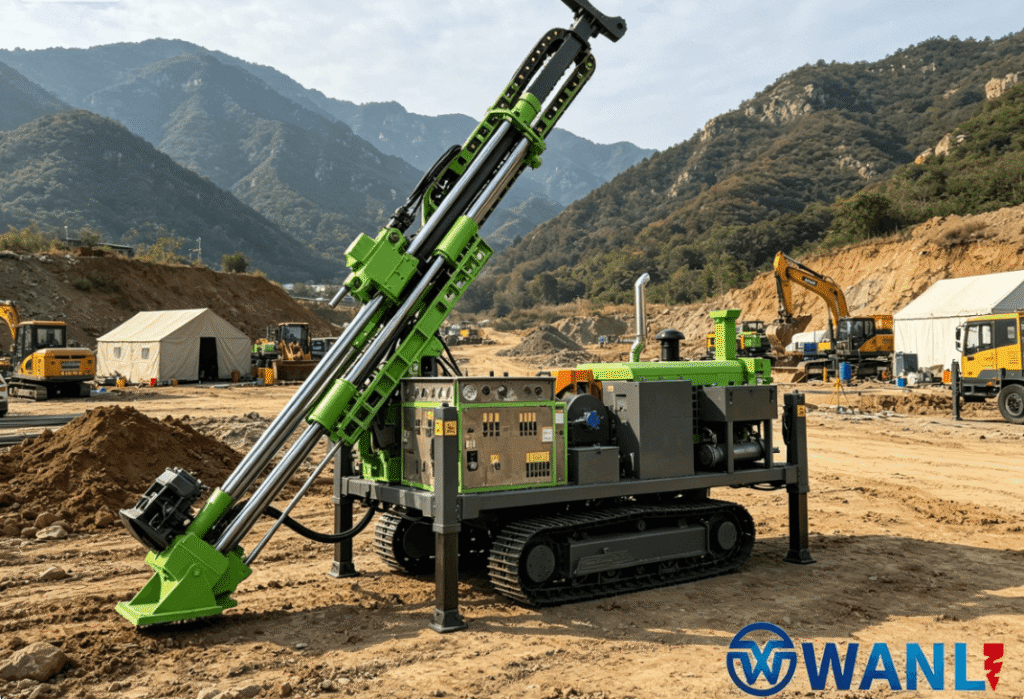
In 2026, drilling technology trends are defined by automation, extreme mobility, and data-driven efficiency. The industry has moved toward high-precision coring systems and integrated vehicle-mounted solutions to meet global demands. These advancements ensure higher safety standards and better environmental compliance on every project. Choosing the right modern equipment is essential for maximizing productivity in today’s challenging geological landscape.
FAQ
1. How has automation changed the role of the drill operator?
Automation has shifted the operator’s role from manual labor to system management. Integrated software now handles the physical stress of drilling, allowing the operator to focus on data and safety. This change has led to more precise hole placement and fewer mechanical failures across the board.
2. Why is mobility such a critical factor in 2026?
Mobility reduces the “non-productive time” associated with moving and setting up equipment between sites. Vehicle-mounted systems allow teams to start drilling hours faster than traditional modular units. This efficiency is crucial for meeting the tight deadlines of modern infrastructure and exploration contracts.
3. What are the environmental benefits of modern drilling rigs?
Modern rigs use advanced hydraulic systems and low-emission engines to reduce their ecological footprint. Many systems now include integrated water recycling and noise suppression for urban environments. These features help companies comply with strict global environmental regulations while maintaining high performance.
4. How does real-time telemetry save money on drilling projects?
Real-time telemetry provides immediate data on bit performance and geological formations, preventing unnecessary drilling. It allows for instant adjustments to the drilling plan, which saves fuel and reduces wear on expensive bits. By avoiding “blind” drilling, companies can complete projects with much higher cost-efficiency.
5. What is the standard core recovery rate for modern systems?
With the latest diamond bits and stabilization technology, modern systems typically achieve a 98% to 99% core recovery rate. This high level of integrity is essential for accurate mineral analysis and geotechnical mapping. Improved wireline technology also ensures that these samples are retrieved quickly without damaging the core.
Reference Sources
International Association of Drilling Contractors Modern Standards for Global Drilling Operations
Society of Petroleum Engineers Advancements in Automated Drilling Systems and Telemetry
National Ground Water Association Best Practices for Vehicle-Mounted Water Well Rigs
Natural Resources Canada Geotechnical Drilling Efficiency and Environmental Impact Reports
Journal of Petroleum Technology Integration of AI and Machine Learning in Subsurface Engineering