The global industrial landscape in 2026 demands a rigorous approach to mechanical integrity and workplace health. Maintaining high standards for drilling rig safety is no longer just a regulatory requirement but a core operational necessity. Without these protocols, the risk of catastrophic structural failure or personnel injury becomes unacceptably high. Success in modern drilling projects depends on the seamless integration of safety technology and human expertise.
Operational downtime in 2026 can lead to massive financial losses for contractors and stakeholders alike. Implementing robust drilling rig safety measures prevents unexpected equipment breakdowns and costly legal liabilities. A safe work environment fosters higher employee morale and consistently improves the speed of project completion. Investing in safety is essentially an investment in the long-term profitability of any drilling enterprise.
High-quality machinery serves as the foundation for any secure job site. Whether performing water well exploration or mineral sampling, the stability of the rig determines the overall risk level. Reliable engineering ensures that safety mechanisms function correctly during high-pressure scenarios. Let us examine how prioritizing these safety elements transforms modern drilling operations into models of efficiency.
Why is Drilling Rig Safety Critical for Modern Projects?
The complexity of drilling environments in 2026 requires a proactive and data-driven approach to hazard management. Industry reports indicate that mechanical failure and operator error remain the primary contributors to site incidents. Drilling rig safety programs can reduce the occurrence of these events by more than 45% when applied correctly. This reduction is vital for maintaining the continuity of deep-earth exploration projects.
Financial data from 2026 shows that safety-compliant sites experience 30% lower insurance premiums than those with poor records. A single major accident can cost a firm upwards of $2 million in direct medical and legal fees. Furthermore, the indirect costs of equipment replacement and lost productivity often triple the initial expense. By adhering to drilling rig safety, companies protect their capital and ensure their market competitiveness.
Structural integrity is another major factor that necessitates strict adherence to safety guidelines. Modern rigs are subject to immense torque and vibrational forces that can fatigue the metal over time. Well-maintained drilling rigs operate 25% more efficiently than those that skip regular safety inspections. Scientific analysis proves that preventive maintenance is the most cost-effective way to manage mechanical risks.
Statistical Impact of Safety on Operational Costs
Recent studies in 2026 demonstrate a direct correlation between safety training and machinery lifespan. Projects utilizing comprehensive drilling rig safety modules report a 20% increase in the mean time between failures. This statistical trend highlights the importance of standardized operating procedures across all industrial sectors.
Mechanical Failures and Their Preventive Measures
Addressing mechanical risks requires a deep understanding of hydraulic systems and load-bearing masts. Most 2026 accidents involve the failure of high-pressure lines or the improper locking of mast sections. Installing redundant safety valves and locking pins significantly lowers the probability of a sudden equipment collapse during operation.
How to Implement Effective Drilling Rig Safety Protocols?
Establishing a clear set of operational rules is the backbone of risk mitigation on any construction or mining site. Operators must conduct a thorough pre-start checklist before the engine is even engaged. This checklist includes examining the hydraulic fluid levels and testing all emergency stop buttons. Performing daily equipment inspections is essential for detecting wear and tear before it leads to failure.
Personal protective equipment (PPE) remains a non-negotiable component of the drilling environment in 2026. Every individual on the site must wear high-impact helmets, reinforced boots, and specialized hearing protection. Drilling rig safety also relies heavily on established communication hierarchies, such as the use of standardized hand signals or digital headsets. Clear communication ensures that no worker enters a “red zone” while the drill string is rotating.
Ground stabilization is perhaps the most overlooked aspect of rig setup in diverse geological settings. Rigs must be leveled with precision using heavy-duty hydraulic outriggers to prevent the machine from shifting under load. If the soil is identified as unstable or soft, operators must use load-bearing pads to distribute the rig’s weight. Ensuring a stable platform is the primary defense against rig rollovers and mast tipping incidents.
Mandatory Training for Specialized Crew Members
Continuous education is vital for operators who manage the complex interfaces of 2026 drilling machines. Training must cover both manual mechanical skills and the interpretation of digital sensor data. Certified training programs ensure that the crew can react instantly to automatic alarm systems. Knowledgeable staff are much more likely to identify a potential hazard before it escalates into a crisis.
Developing Emergency Response Strategies
Every site must have a documented emergency response plan that is practiced regularly through drills. These plans should include protocols for fire suppression, hydraulic fluid spills, and medical evacuations. A well-rehearsed emergency plan minimizes the severity of injuries and prevents further damage to the environment. Speed and clarity are the two most important factors during any emergency event.
Safety Protocols for High-Pressure Pneumatic Systems
Pneumatic systems used in modern drilling pose a risk of high-velocity debris ejection if not managed correctly. Operators must ensure that all air hoses are secured with safety “whip checks” to prevent line thrashing. Monitoring air pressure levels constantly prevents the over-pressurization of the drill string, which could lead to a burst.
Managing Environmental and Technical Hazards in 2026?
External factors such as weather and terrain require constant monitoring to ensure safe drilling operations. In 2026, many rigs are equipped with integrated weather stations that alert operators to rising wind speeds. Drilling rig safety guidelines typically mandate a shutdown if wind gusts exceed 45 miles per hour to avoid mast instability. Ignoring these environmental warnings can result in catastrophic structural failure and total equipment loss.
Dust control is another critical safety and health consideration for modern drilling crews. Long-term exposure to silica dust can cause permanent respiratory damage to operators working near the borehole. Utilizing dust suppression systems is a requirement for maintaining a healthy and compliant work environment. Modern rigs often feature water injection or vacuum systems to capture harmful particulates at the source.
Hydraulic integrity is a major technical concern that impacts both safety and environmental compliance. A single pinhole leak in a high-pressure line can cause serious fluid injection injuries to nearby personnel. Replacing hydraulic hoses at recommended intervals is a fundamental part of a proactive drilling rig safety strategy. Proper fluid management also prevents hazardous oil leaks from contaminating the surrounding soil or water table.
Identifying Geological Risks Before Drilling
Understanding the subsurface conditions is essential for selecting the correct drilling parameters. Unforeseen pockets of pressurized gas or underground voids can destabilize the rig floor instantly. Conducting a thorough site survey allows the team to adjust the rig’s weight and pressure settings appropriately. Knowledge of the ground reduces the chance of hole collapse or unexpected surface subsiding.
Safeguarding Against Electrical Hazards
Drilling near power lines or utilizing electric-over-hydraulic systems requires specific electrical safety measures. Operators must maintain a minimum safe distance from overhead cables to prevent accidental contact. Proper grounding of the rig chassis protects the crew from electrical shocks caused by lightning or internal wiring faults. Electrical safety is a key pillar of comprehensive risk management.
Fire Prevention and Suppression Techniques
The presence of fuel, hydraulic oil, and high-heat engines creates a significant fire risk on any rig. Fire extinguishers must be mounted in accessible locations and inspected monthly for charge and condition. Implementing a strict “no smoking” policy near the fuel storage area is a simple yet effective way to prevent site fires. Every crew member should be trained in the correct use of fire suppression equipment.
How to Select the Right Equipment for Enhanced Safety?
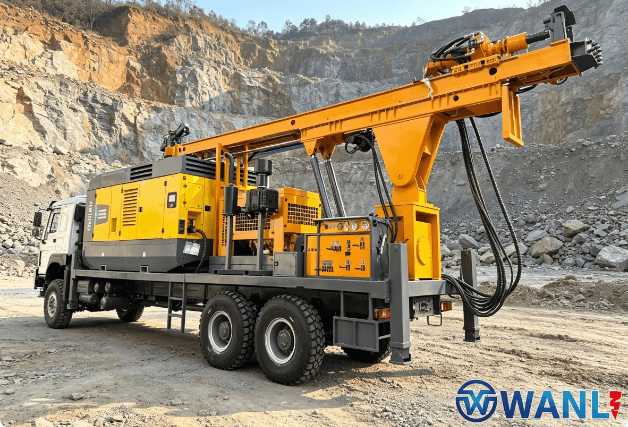
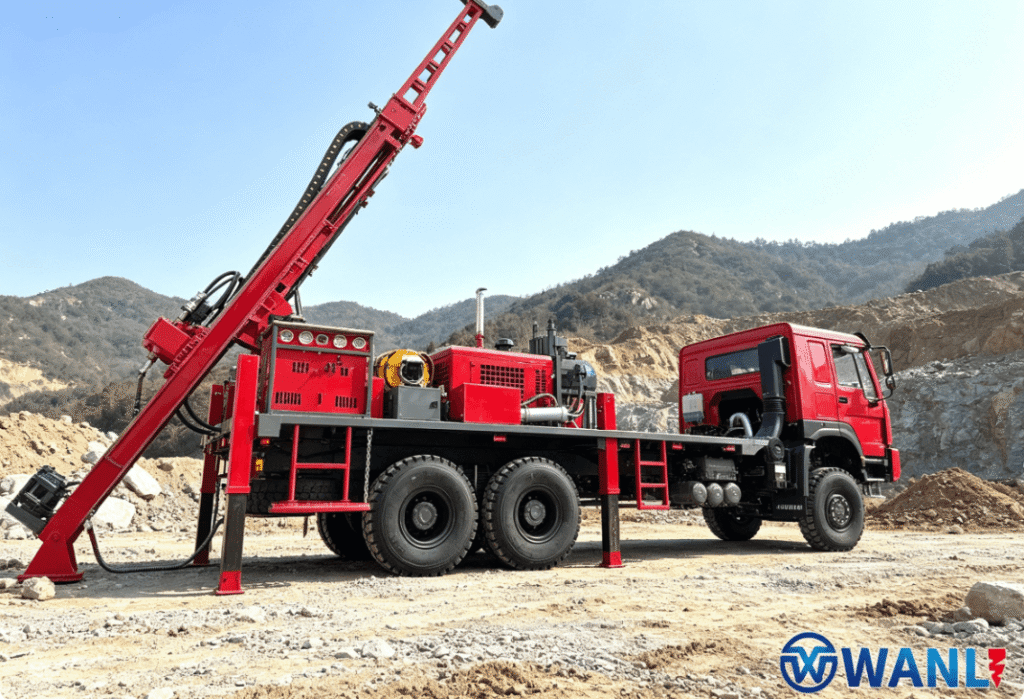
The selection of a drilling platform significantly influences the ability to maintain drilling rig safety throughout a project. When the job requires frequent relocation and operation in remote areas, a vehicle-mounted drilling rig offers distinct advantages. These units are built onto a stable truck chassis, which simplifies transportation and reduces the risk of accidents during transit. Choosing a vehicle-mounted platform ensures that the rig can be deployed quickly and safely on various terrains.
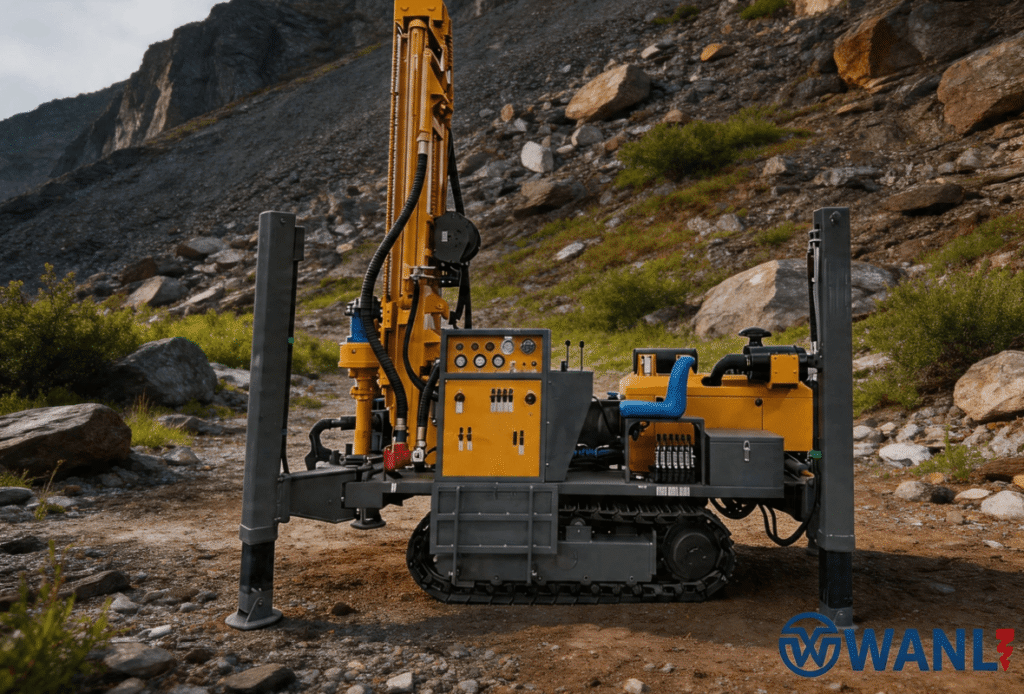
For exploration projects where sample integrity and hole stability are paramount, an RC reverse circulation drilling rig is the industry standard. This technology uses a dual-wall drill pipe to bring cuttings to the surface through the center of the string. Because the material is fully contained, an RC reverse circulation drilling rig significantly reduces the risk of debris striking workers on the rig floor. This contained system also minimizes the environmental footprint of the operation by preventing soil dispersal.
Modern equipment should be evaluated based on the inclusion of automated safety features. Look for rigs that offer remote control operation, allowing technicians to stay clear of moving parts during the most dangerous phases. Selecting a rig with integrated automated handling reduces physical strain on the crew and lowers the probability of “caught-in” accidents. High-performance machines from reputable manufacturers provide the necessary structural strength for heavy-duty 2026 applications.
Determining the suitability of a rig also involves checking its compliance with international safety certifications. A machine that meets or exceeds these standards is more likely to feature high-quality materials and fail-safe components. Matching the rig’s load capacity to the geological demand prevents the mast from being overstressed. Ultimately, the right equipment acts as a partner in your safety program, making the enforcement of protocols much easier.
Summary
Prioritizing drilling rig safety in 2026 is the most effective way to ensure operational success and personnel protection. By integrating advanced equipment like RC or vehicle-mounted rigs and following strict maintenance protocols, companies can significantly reduce site hazards. A commitment to these safety standards builds a foundation for efficient, profitable, and incident-free drilling projects.
FAQ
1. What is the primary cause of injuries in drilling rig safety?
Human error and mechanical failure are the most common causes of accidents on site. Most incidents occur during the handling of drill pipes or due to the failure of high-pressure hydraulic components.
2. How does an RC reverse circulation drilling rig enhance worker safety?
An RC reverse circulation drilling rig enhances safety by containing all drill cuttings and dust within a dual-wall pipe system. This design prevents workers from being hit by flying debris and reduces their exposure to hazardous airborne dust.
3. Why is leveling the ground critical for drilling rig safety?
Leveling the ground ensures that the rig’s weight is distributed evenly across its outriggers. This prevents the rig from tipping or collapsing when it encounters high torque or vibration during deep drilling operations.
4. What features make a vehicle-mounted drilling rig safer for transport?
A vehicle-mounted drilling rig is built on a heavy-duty chassis that meets highway safety standards. It includes integrated locking mechanisms for the mast and tools, ensuring the load remains stable during transit on rough roads.
5. How often should safety inspections be performed in 2026?
Safety inspections should be conducted daily before the start of every shift to identify immediate mechanical issues. Detailed structural and hydraulic audits should be performed on a monthly basis by a certified technician.
Reference Sources
American Petroleum Institute (API) – Standards for Drilling Equipment and Operational Safety
Centers for Disease Control and Prevention (CDC) – Workplace Safety and Health in Mining