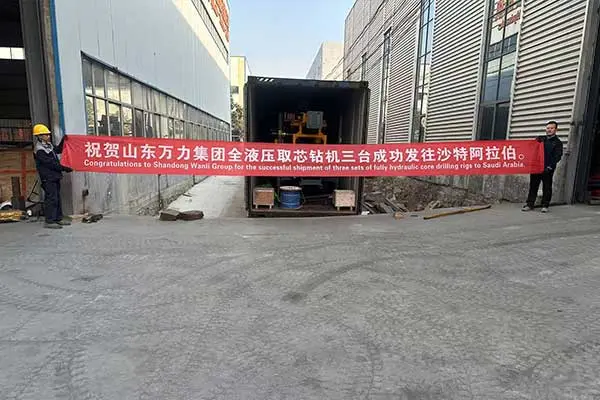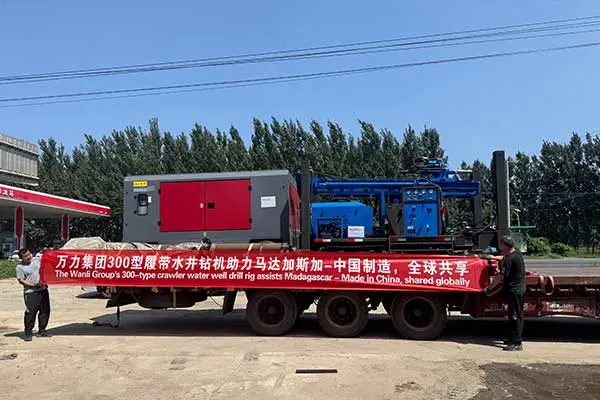
Modern geological exploration and core drilling demand more than raw power. In an industry where downtime translates directly to lost revenue, identifying the specific technical configurations that define a reliable machine is critical. Whether for mineral exploration, geotechnical engineering, or water well drilling, the evolution of hydraulic systems has shifted the focus from simple mechanical force to precision, control, and modularity.
What Defines High-Efficiency Hydraulic Drilling?
At its core, a hydraulic drilling rig utilizes pressurized fluid to transmit power to various components, including the rotation head, the hoist, and the feed system. Unlike older mechanical rigs, modern hydraulic units offer infinitely variable speed and torque control. This flexibility allows operators to adjust parameters in real-time based on the resistance of the geological strata encountered.
Experienced engineers prioritize the “hydraulic balance”—the ability of the system to maintain consistent pressure without overheating during deep-hole operations. When evaluating a rig, the integration of high-quality pumps and valves is often more telling than the horsepower of the engine alone.
Torque and Rotational Speed Synchronization
The most critical feature for any buyer is the relationship between spindle torque and rotational speed. Different drilling methods—such as diamond bit coring versus tricone bit drilling—require vastly different parameters.
For Diamond Coring: High RPM (often exceeding 1,000 RPM) is necessary for the diamond bit to “cut” the rock effectively.
For Overburden or Large Diameter Holes: High torque at lower speeds is required to overcome the friction of the borehole walls.
Modern rigs, such as those found in the SD Wanli coring drilling rig series, often feature multi-speed gearboxes or variable displacement motors. This allows the same machine to handle delicate wireline coring at depth and high-torque soil sampling near the surface.
Chassis Versatility: Crawler vs. Trailer Mounted
Mobility is not merely a matter of transport; it is a matter of access. The choice of mounting directly impacts the rig’s stability and setup time.
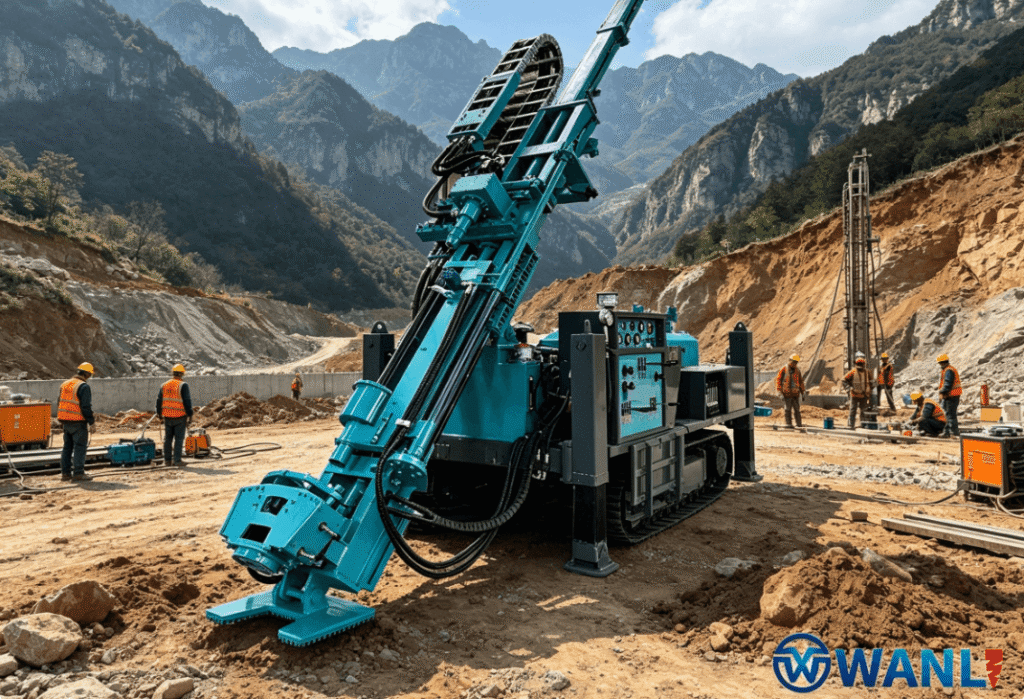
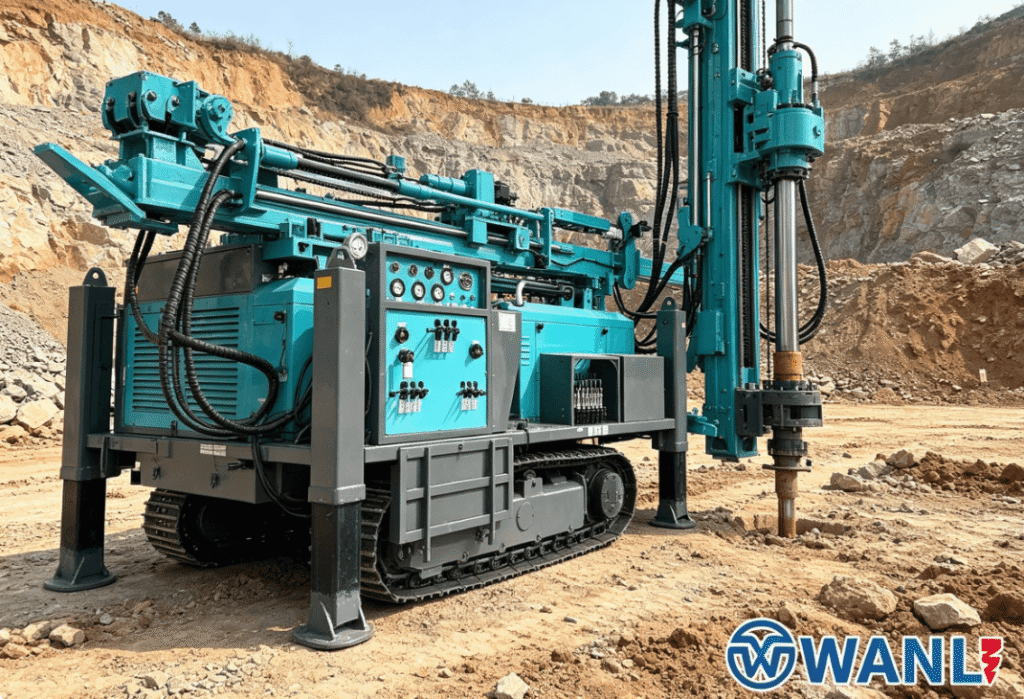
Crawler-Mounted Rigs: These are preferred for rugged terrains, such as mountain exploration or soft-soil construction sites. The integrated tracks allow the rig to move under its own power, significantly reducing the need for support vehicles.
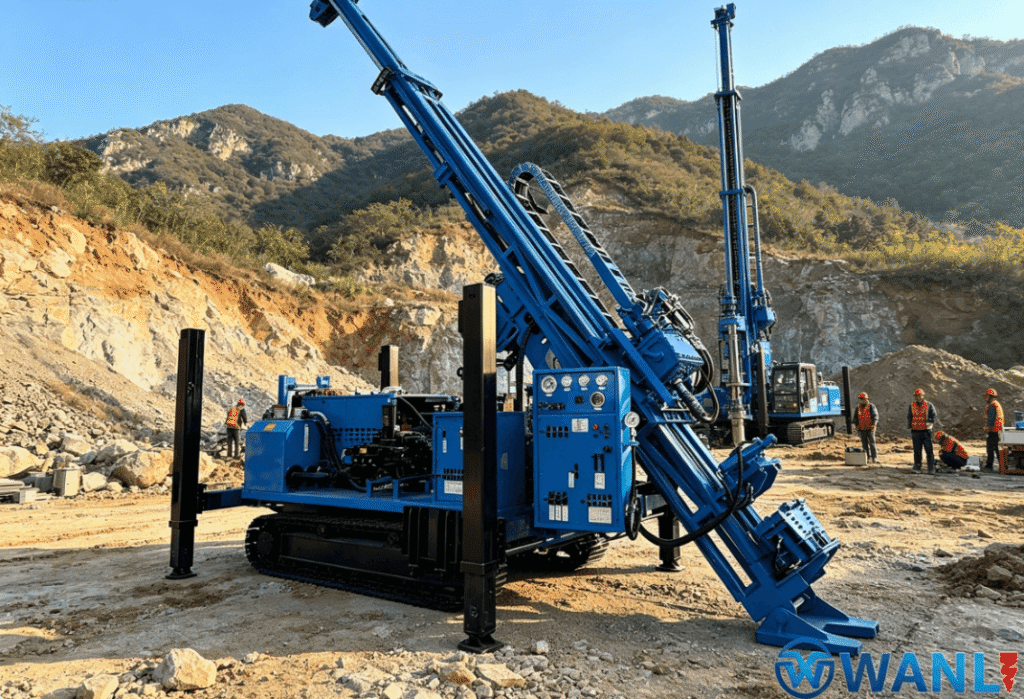
Trailer/Truck-Mounted Rigs: For projects requiring frequent relocation across long distances on public roads, trailer-mounted systems offer a logistical advantage. These units are typically stabilized by heavy-duty hydraulic outriggers to ensure vertical precision during high-pressure drilling.
Feed System and Stroke Length
The feed system dictates how much pressure (weight on bit) can be applied and how quickly the drill string can be tripped out. Buyers should look for a “long stroke” feed system. A longer stroke—often 3.5 meters or more—reduces the number of times the operator must “re-chuck” the drill rod, which minimizes idle time and increases the daily meterage.
Furthermore, a hydraulic mast slide or “dump mast” feature allows the entire mast to touch the ground. This provides a more stable drilling platform and prevents the rig from shifting under the immense pressure of deep-hole penetration.
Technical Comparison: Spindle Type vs. Full Hydraulic Rigs
| Feature | Spindle-Type Rig | Full Hydraulic Rig |
| Control Precision | Mechanical/Stepped | Stepless/Infinitely Variable |
| Torque Output | Moderate | High/Constant |
| Maintenance | Higher (More moving parts) | Lower (Modular hydraulics) |
| Ideal Application | Shallow to Medium Holes | Deep Exploration/Challenging Strata |
| Operator Safety | Manual handling required | High automation/Remote options |
Cooling Systems and Operational Environment
Hydraulic systems generate significant heat, especially when operating in tropical climates or during 24/7 exploration cycles. A common failure point in lower-tier rigs is the hydraulic oil cooler.
Top-tier manufacturers now incorporate oversized aluminum radiators and thermostatically controlled fans. This ensures the hydraulic oil viscosity remains within the optimal range (usually between 15 to 50 cSt), protecting the pumps and motors from premature wear. For buyers operating in remote mining sites, an independent cooling circuit is an essential safeguard against catastrophic system failure.
Advanced Safety and Monitoring Features
In the current regulatory landscape, safety is a performance metric. Modern hydraulic rigs are increasingly equipped with:
Emergency Stop Circuits: Readily accessible at the control console and on the mast.
Hydraulic Interlocks: Preventing the rotation head from moving if the safety cage is open.
Digital Gauges: Providing real-time feedback on feed pressure, hold-back pressure, and torque levels.
These features do more than protect the operator; they provide the data necessary to prevent “stuck pipe” incidents, which are among the most expensive accidents in the drilling industry.
Matching Machine Features to Project Requirements
Selecting a rig requires a balance between depth capacity and portability. For instance, if the project involves NQ-size wireline coring to 600 meters, a rig with a high-speed spindle and a powerful wireline winch is indispensable. Conversely, for foundation piling, the emphasis shifts toward a rugged crawler base and high-torque rotary heads.
The coring drilling rigs offered by SD Wanli exemplify this modular approach, offering configurations that range from lightweight portable units for remote mountain access to heavy-duty crawler rigs for deep geological surveys. When evaluating these options, always consider the availability of hydraulic components—using international brands like Rexroth or Kawasaki can simplify long-term maintenance in foreign markets.
FAQ
Q: What is the main advantage of a full hydraulic drilling rig over a mechanical rig?
A: Full hydraulic rigs provide stepless speed control and more consistent torque. They eliminate the need for complex mechanical clutches and transmissions, resulting in smoother operation and less physical strain on the operator.
Q: How does hydraulic oil temperature affect drilling?
A: If the oil becomes too hot, it loses viscosity, leading to internal leakage in the pumps and a loss of pressure. This reduces drilling efficiency and can eventually damage sensitive hydraulic seals and valves.
Q: Is a crawler-mounted rig always better than a trailer-mounted one?
A: Not necessarily. Crawler rigs excel in off-road, difficult terrain where self-propulsion is needed. However, trailer-mounted rigs are more cost-effective for projects on stable ground where the rig needs to be moved long distances between sites.
Q: What “feed stroke” length should I look for?
A: For professional exploration, a feed stroke of 3.0 to 3.5 meters is standard. This allows for the use of standard 3-meter drill rods without frequent repositioning of the chuck, which saves time during every “pull.”
Reference Sources
International Society for Trenchless Technology (ISTT): Technical guidelines on hydraulic system pressure and safety.
ASTM D2113: Standard Practice for Rock Core Drilling and Sampling of Rock for Site Investigation.
ISO 21467: Earth-moving machinery and mobile road construction machinery — Safety — Drilling and foundation equipment.
SGS Industrial Reports: Comparative analysis of hydraulic vs. mechanical power transmission in heavy machinery.