Operational downtime in geotechnical or mining projects is measured in lost core recovery and escalated site costs. Core drilling equipment operates under extreme torque, high-frequency vibration, and abrasive conditions. Without a structured maintenance protocol, a minor seal leak can evolve into a catastrophic hydraulic failure within days.
This guide provides a technical breakdown of the maintenance requirements for professional coring rigs, ranging from spindle-type units to advanced full-hydraulic crawler systems.
Why Maintenance Matters for Core Recovery?
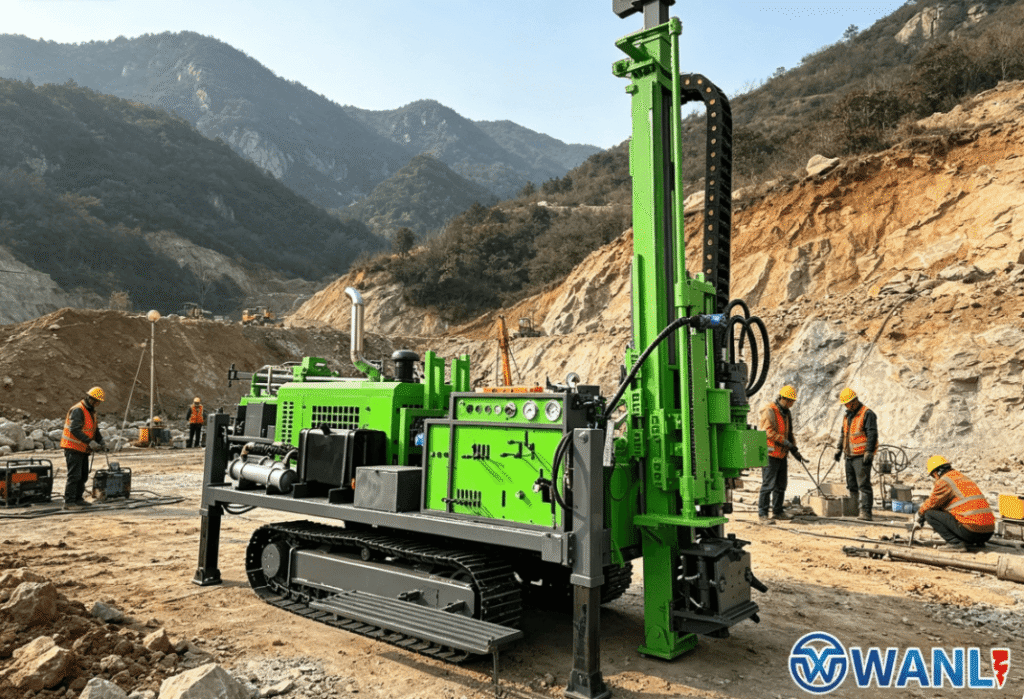
Precision is the primary differentiator between core drilling and standard blast-hole drilling. Maintaining the rig ensures that the feed pressure remains constant and the rotation stays true. When maintenance is deferred, mechanical play in the feed system or vibration in the drill head can fracture the core sample before it enters the inner tube, rendering geological data useless.
Daily Pre-Shift Inspection Protocols
Before the engine starts, the operator must perform a visual and physical audit. This is the first line of defense against equipment failure.
- Fluid Level Verification: Check hydraulic oil, engine oil, and coolant levels. Look for “milky” hydraulic oil, which indicates water contamination—a common issue in humid or rainy drilling sites.
- Leak Detection: Inspect all high-pressure hoses and couplings. In hydraulic systems like those found on SDWanli coring rigs, even a pinhole leak can lead to fluid injection injuries or pressure loss.
- Grease Points: Lubricate the water swivel, mast pivot points, and the foot clamp. Core drilling involves high-speed rotation; a dry water swivel bearing will seize, leading to immediate downtime.
- Safety Stops: Test the emergency stop buttons and the fire suppression system. In confined mining spaces, these are non-negotiable.
Hydraulic System Care and ISO Standards
Modern core drilling rigs rely on sophisticated hydraulics to manage bit weight and rotation speed. Contamination is the “silent killer” of these systems.
1. ISO 4406 Standard Awareness?
Hydraulic systems should maintain a cleanliness level defined by ISO 4406. For high-pressure piston pumps, microscopic particles can score the valve plates.
2. Filter and Hose Management?
- Filter Replacement: Do not wait for the “clogged” indicator. Replace return-line filters and suction strainers according to hourly intervals, typically every 250–500 hours.
- Hose Management: Inspect for “weeping” at the crimp points. In core drilling, hoses are exposed to UV rays and abrasive cuttings. Replace any hose showing signs of outer-jacket cracking.
- Temperature Monitoring: Ensure the hydraulic oil cooler is free of debris. If oil temperature exceeds 65°C (150°F), viscosity thins, leading to internal pump bypass.
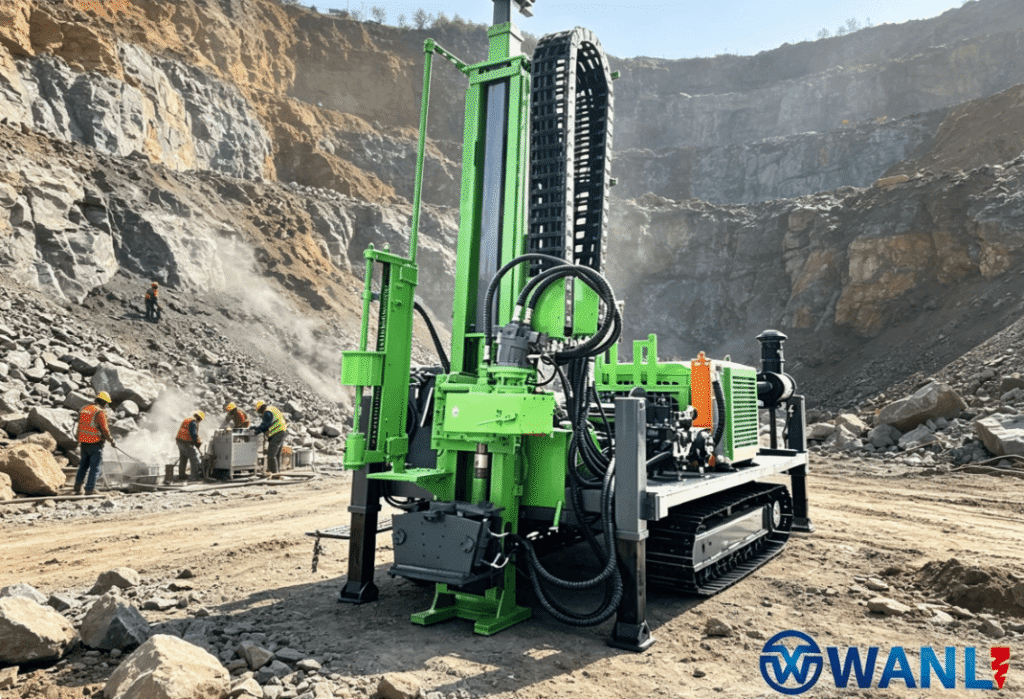
Drill String and Tooling Maintenance
The maintenance of down-hole components is as critical as the rig itself.
| Component | Maintenance Action | Warning Signs |
| Drill Rods | Clean and regrease threads with zinc-based compound. | Galling on threads; bent mid-sections. |
| Core Barrels | Inspect inner tube for straightness and “roundness.” | Core blockage or jammed inner tubes. |
| Diamond Bits | Check for “polishing” or uneven matrix wear. | Dropping ROP (Rate of Penetration). |
| Wireline Winch | Inspect cable for “bird-caging” or frayed wires. | Jerky movement during overshot recovery. |
Thread maintenance is often overlooked. Using a proper torque wrench to break rods—rather than “shocking” them with the rig’s rotation—extends the life of the drill string by 30-40%.
Weekly Structural and Mechanical Audits
Once a week, or every 50 operating hours, a deeper dive into the rig’s structural integrity is required.
- Mast and Slide Alignment: Check the guide rails on the mast. Any movement in the drill head carriage will cause borehole deviation. Adjust the wear pads to ensure smooth travel.
- Chuck and Jaw Inspection: For spindle-type rigs, inspect the chuck jaws for wear. If jaws slip, they create hardened burn marks on the drill steel, making rods brittle.
- Wireline System: Lubricate the wireline cable and inspect the sheaves. A snapped wireline when the overshot is deep is a recovery nightmare that stalls projects for days.
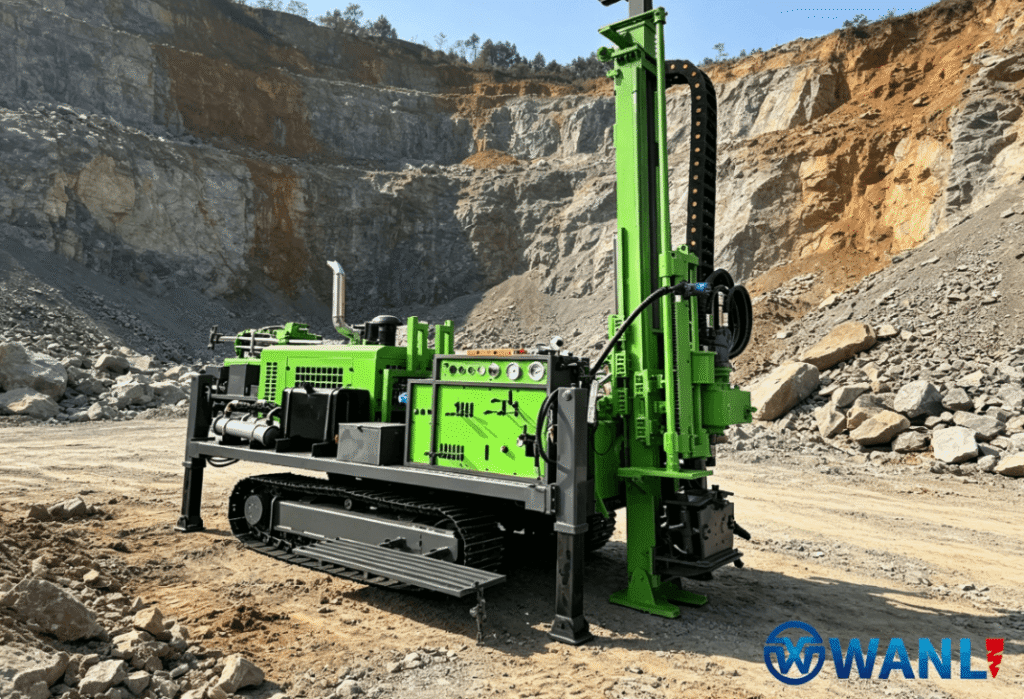
Summary
For fleet managers utilizing high-performance rigs like the SDWanli hydraulic crawler series, maintaining a digital logbook is essential. Tracking the hours on specific components—such as the hydraulic pump or rotation head bearings—allows for predictive maintenance. Replacing a bearing during a scheduled break is always more cost-effective than replacing a damaged shaft at a remote drilling site.
FAQ
1. How often should I change the hydraulic oil?
Generally, every 1,000 to 2,000 operating hours. However, this should be dictated by oil analysis. If the oil appears dark or has a burnt smell, or if water contamination is detected, change it immediately regardless of hours.
2. Why is my core drill bit wearing out prematurely?
This is usually due to an imbalance between RPM and Weight on Bit, or insufficient water flow. Check your water pump’s PSI output; if the pump isn’t delivering enough volume to clear cuttings, the bit will re-grind old material, causing rapid wear.
3. Can I use standard grease for my drill rod threads?
No. You should use a specialized thread dope or zinc-based grease designed for high-torque drilling. Standard grease may not prevent galling under the high pressures of deep-hole drilling.
4. What is the most common cause of rig failure?
Hydraulic contamination and loose fasteners. Vibration is constant in core drilling; bolts on the mast and rotation head can back out over time. A weekly torque check on all critical bolts is a simple but effective preventative measure.
Reference Sources
NGWA Drilling Equipment Safety and Maintenance Best Practices