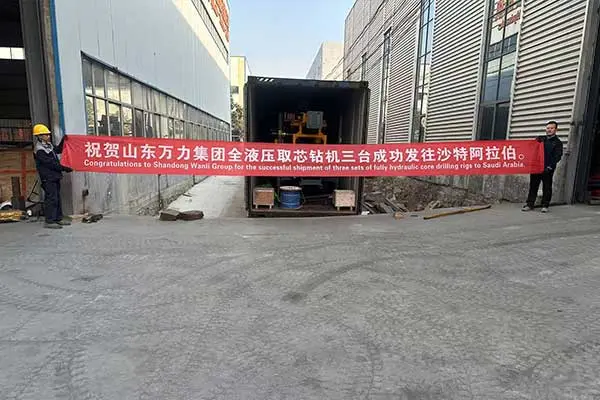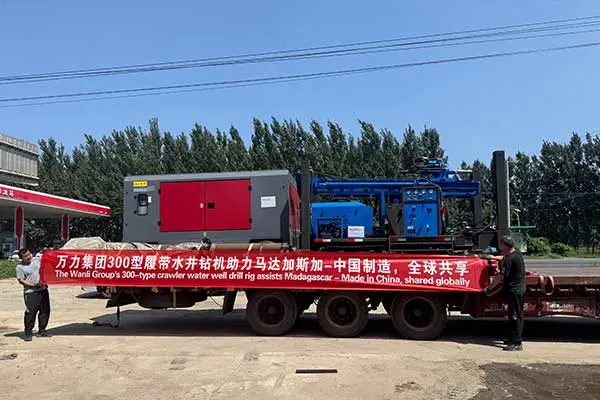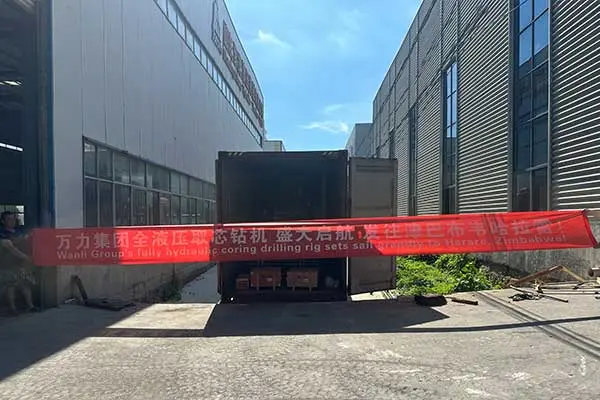
The landscape of the global geotechnical and mining equipment industry has undergone a seismic shift over the last decade. Historically dominated by European and North American legacy brands, the market is now seeing a rapid expansion of Chinese drilling rig manufacturers. This growth is not merely a byproduct of competitive pricing; it is a result of a sophisticated evolution in hydraulic engineering, material science, and global logistics.
From deep-hole mineral exploration to essential groundwater development, Chinese-made machinery is now a staple on jobsites from Southeast Asia to South America. Understanding why this expansion is occurring requires a look at the technical maturity of the equipment and the strategic industrial clusters that support its production.
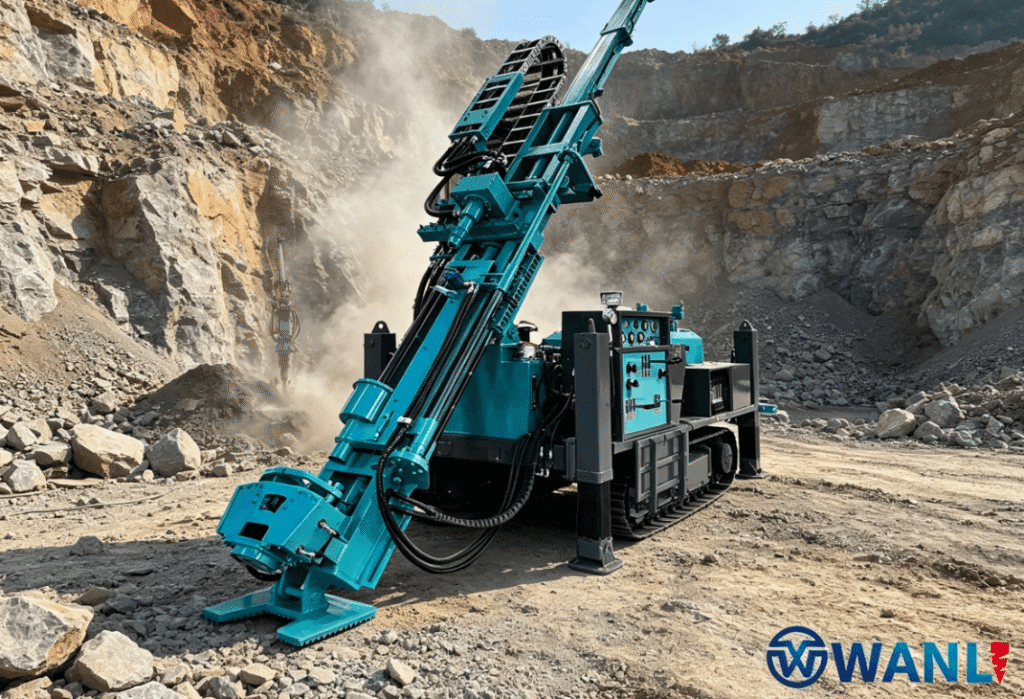
The Technological Leap in Modern Drilling
For years, the perception of Chinese industrial machinery was tied to “value-based” entry-level equipment. However, the current generation of Chinese drilling rig manufacturers has pivoted toward high-end R&D.
Modern manufacturers now prioritize full hydraulic top-drive systems over traditional mechanical rigs. In the realm of mineral exploration, for instance, the development of sophisticated coring drilling rigs has reached parity with international standards. These machines now integrate:
- Variable Displacement Hydraulic Systems: Allowing for precise control over rotation speed and feed pressure, essential for sensitive core recovery in fractured strata.
- High-Torque Power Heads: Designed to handle NQ, HQ, and PQ wireline coring depths exceeding 2,000 meters.
- Modular Portability: Engineers have focused on “man-portable” designs that allow heavy-duty rigs to be disassembled and transported into remote mountainous regions where infrastructure is non-existent.
This shift toward technical precision allows these manufacturers to compete in high-stakes mining projects where borehole stability and core percentage are the primary KPIs.
Why Is Engineering Innovation Accelerating?
The transition to top-drive hydraulics and automated rod handling has been fueled by domestic competition and the need for efficiency in large-scale infrastructure projects. By integrating sensors that monitor feed pressure and rotation torque, manufacturers provide operators with real-time data to prevent “stuck drill” incidents. This level of engineering detail is what has allowed Chinese brands to move from supplying local contractors to winning international tenders for state-level mining operations.
Strategic Advantages of Manufacturing Clusters
One of the most significant advantages for Chinese manufacturers is the “Cluster Effect.” Regions like Shandong and Hunan have become global hubs for heavy machinery.
In these ecosystems, a rig manufacturer is often located within a few miles of their hydraulic pump suppliers, engine technicians, and steel fabricators. This proximity results in several global advantages:
Rapid Prototyping: While Western manufacturers may face months of lead time for specialized components, Chinese factories can iterate designs in weeks.
Integrated Quality Control: Modern factories utilize CNC machining and robotic welding for rig frames, ensuring structural integrity under the high vibration of DTH (Down-the-Hole) drilling.
Economies of Scale: Large-volume production of standardized components reduces the cost per unit without compromising the grade of materials like high-strength alloy steel used in drill masts.
Global Demand for Specialized Drilling Solutions
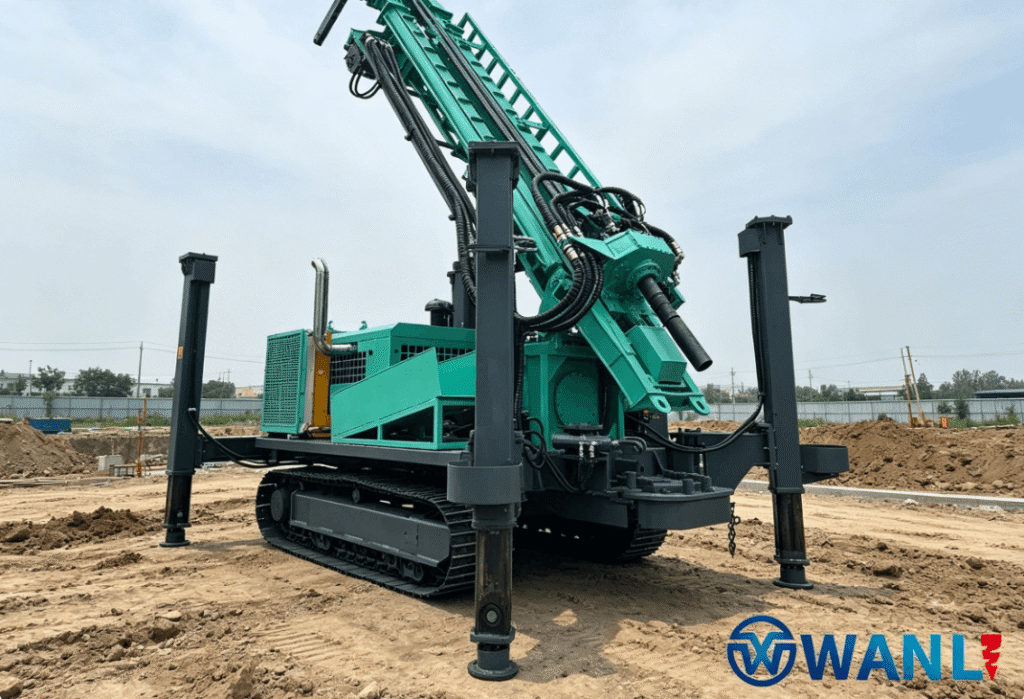
The global demand for reliable water well drilling rigs has been a massive driver for international expansion. Many developing regions require versatile machinery that can switch between air-hammer drilling for hard rock and mud-circulation for soft soil layers.
Chinese manufacturers have optimized these rigs for “dual-purpose” functionality. A single truck-mounted or crawler-mounted unit can now deploy both DTH and rotary drilling techniques. This versatility is critical for contractors in Africa and the Middle East, where geological conditions can change drastically within a single project site. By providing high-mobility platforms—often mounted on heavy-duty 6×4 or 6×6 truck chassis—manufacturers have solved the logistical hurdle of moving equipment across rugged terrain.
How Does ROI Compare Between Different Rig Types?
The current global economic climate demands a high “Return on Investment” (ROI). Project managers in mining and civil engineering are no longer choosing equipment based solely on brand heritage. They are evaluating:
| Feature | Modern Chinese Rigs | Traditional Legacy Brands |
| Hydraulic Efficiency | High (Load-sensing systems) | High |
| Initial Capex | Moderate | High |
| Availability of Parts | Rapid (Global Logistics) | Standard |
| Customization | High (OEM/ODM flexible) | Low (Fixed models) |
The ability of Chinese manufacturers to offer customized mast heights, varying crawler widths, and specialized winch capacities makes them the preferred choice for niche geotechnical projects that require bespoke solutions.
Compliance and Digital Integration
A critical barrier to global expansion in the past was compliance with local environmental and safety regulations. Leading Chinese manufacturers have addressed this by aligning their production lines with international benchmarks:
- Engine Emissions: Export models are increasingly equipped with Cummins, Deutz, or Yuchai engines that meet Tier 4 Final or Stage V emission standards required in the US and EU.
- CE & ISO Certifications: Adherence to ISO 9001 for quality management and CE marking for safety is now standard for export-grade drilling equipment.
- Operator Safety: Features such as hydraulic breakout benches, safety cages, and remote-control operation for dangerous maneuvers have become standard, reducing the risk of on-site accidents.
The expansion has also been bolstered by a “Service-First” model. By establishing regional hubs and spare parts warehouses in Dubai, Johannesburg, and Sao Paulo, manufacturers have mitigated the primary concern of international buyers: downtime.
Summary
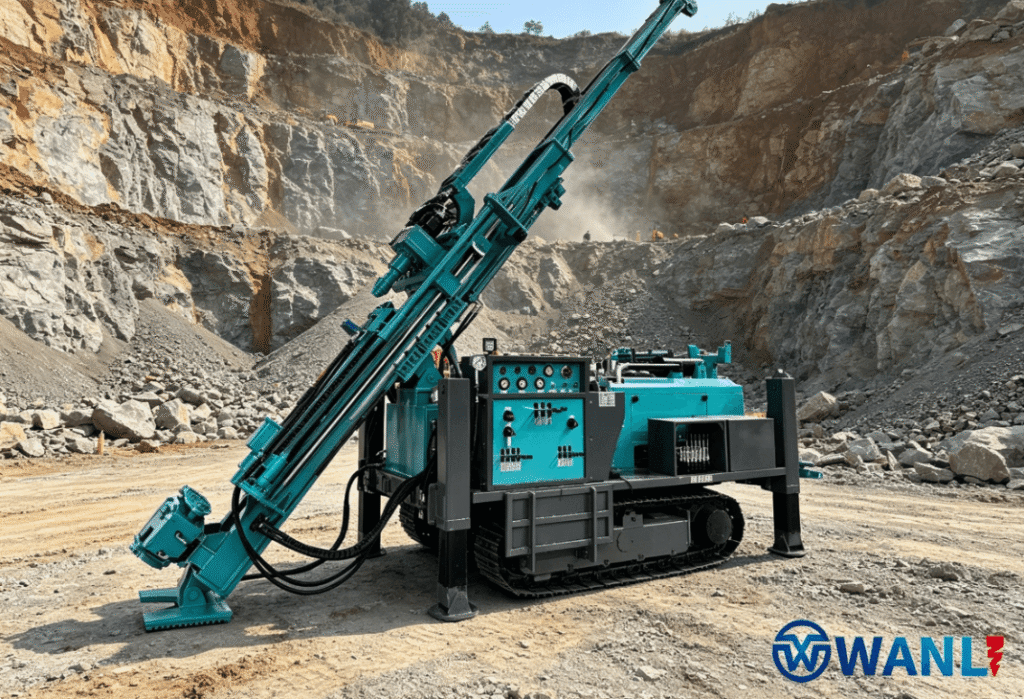
The expansion of Chinese drilling rig manufacturers is a testament to the maturation of China’s industrial sector. By combining robust engineering—such as the high-pressure hydraulic circuits found in modern water well rigs—with a flexible manufacturing approach, these companies are no longer just alternative suppliers; they are industry leaders. As global infrastructure and resource exploration continue to grow, the presence of high-efficiency, technologically advanced Chinese drilling equipment is set to become the standard on the world stage.
FAQ
1. Are Chinese drilling rigs suitable for hard rock drilling?
Yes. Modern rigs utilize high-pressure DTH (Down-the-Hole) hammers and high-torque rotary heads specifically designed for granite, basalt, and other hard rock formations. The use of premium alloy steel for the drill pipes and masts ensures the rig can handle the necessary feed pressure.
2. How is after-sales service managed globally?
Most leading manufacturers now utilize a hybrid service model, combining local dealerships with factory-trained flying doctors. Additionally, many rigs use international components (like hydraulic pumps from Kawasaki or Rexroth and engines from Cummins), making it easier to find local parts and technicians.
3. What is the difference between coring and water rigs?
A coring rig is designed to extract a continuous solid cylinder of rock (a core) for geological analysis, requiring high RPM and precise control. A water well rig is designed for speed and diameter, focusing on clearing cuttings out of the hole as quickly as possible to reach the aquifer, often using air or mud as the flushing medium.
4. Do these rigs meet EPA or Euro stage emission standards?
Export-grade rigs are typically offered with multiple engine options. For markets like the US or Europe, manufacturers equip the rigs with engines that meet Tier 4 Final or Stage V standards, complete with DEF (Diesel Exhaust Fluid) systems.
Reference Sources
ISO 9001:2015 Quality Management Systems and Standards.
ASTM D2113 Standard Practice for Rock Core Drilling.
ISSMGE Technical Reports on Global Geotechnical Engineering.