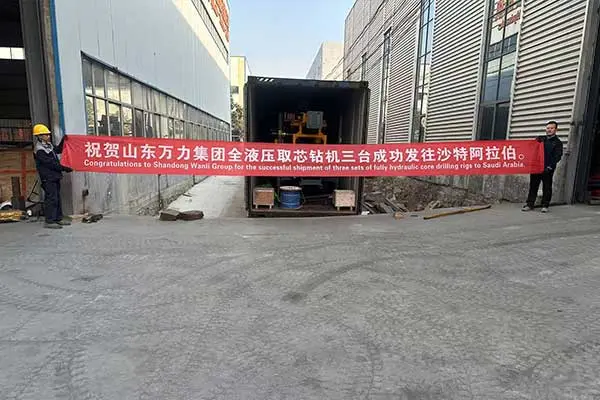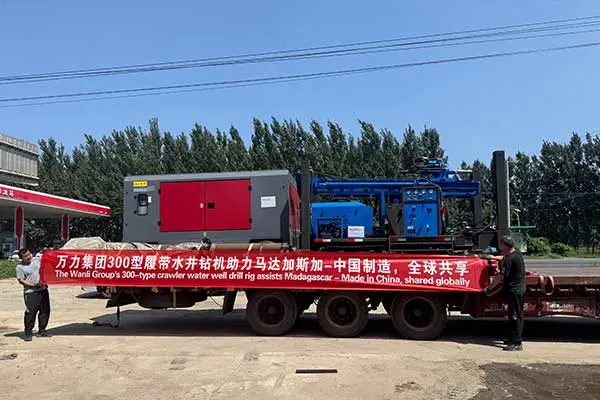
Coring drilling rigs are the specialized instruments of the subsurface world. Unlike standard rotary or percussive drilling, which pulverizes rock and soil into “cuttings,” coring rigs are engineered to preserve the physical integrity of the ground. By cutting an annular groove and leaving a central cylinder of material—the core—these machines provide engineers and geologists with a direct “biopsy” of the earth’s lithology.
The data derived from core samples influences multi-billion dollar decisions in mineral exploration, skyscraper foundation design, and environmental protection. Understanding the mechanics and diverse configurations of these rigs is essential for any technical project involving subsurface investigation.
How Coring Drilling Rigs Operate
At its mechanical heart, a coring drilling rig operates on the principle of minimal disruption. The rig drives a hollow drill bit—often impregnated with industrial diamonds or tungsten carbide—into the substrate. As the bit rotates and advances, the material enters a hollow tube called a core barrel.
The process relies on three critical variables:
- Rotational Speed (RPM): High speeds are typically required for hard rock to ensure the diamond bit “grinds” rather than “crushes.”
- Weight on Bit (WOB): Precise hydraulic pressure ensures the bit maintains contact without buckling the drill string.
- Flushing Medium: Water, polymer mud, or air is pumped through the drill string to cool the bit and lift away the fine powder generated by the thin kerf of the cut.
Once the core barrel is full, the “run” is complete. In wireline coring systems, a winch-driven overshot is lowered inside the drill rods to retrieve the inner barrel without pulling the entire drill string out of the hole. This significantly increases efficiency in deep-hole operations.
Technical Classifications of Coring Equipment
Coring rigs are not “one-size-fits-all” machines. They are categorized based on their mobility, power delivery, and intended depth.
Spindle-Type vs. Top-Drive Rigs
Traditional spindle-type rigs, such as the XY series often used in geotechnical surveys, utilize a hexagonal drive to rotate the drill rod. These are valued for their simplicity and reliability in shallow-to-medium depth projects. In contrast, modern top-drive rigs mount the motor on a carriage that moves vertically along the mast, offering better torque management and faster rod handling.
Mobility Platforms
Trailer-Mounted: Ideal for infrastructure projects where rigs must be moved quickly between sites via highway.
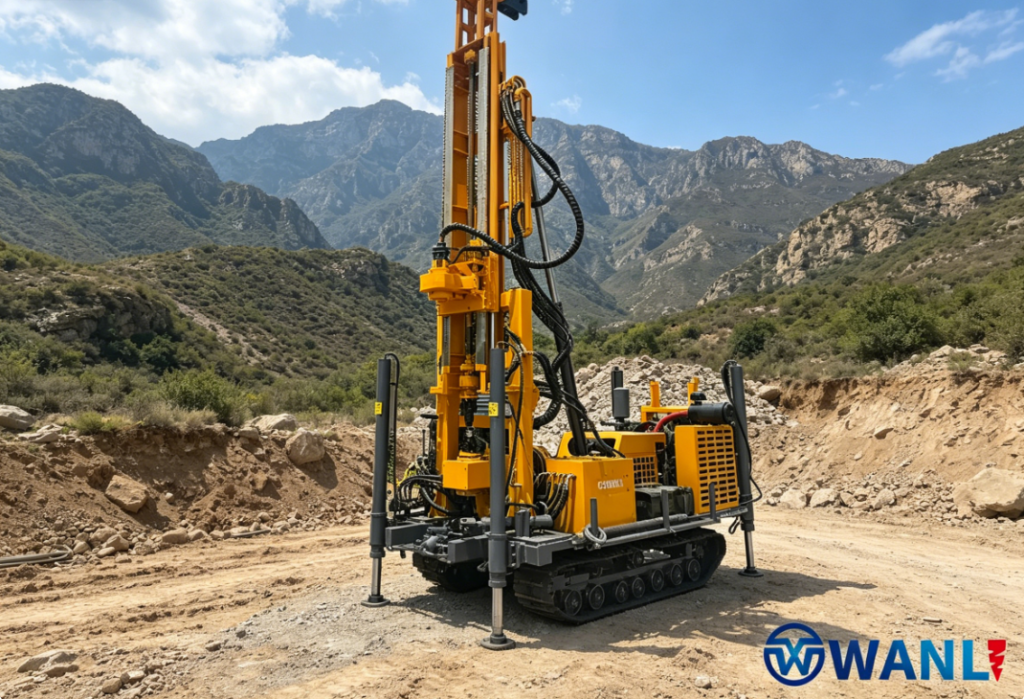
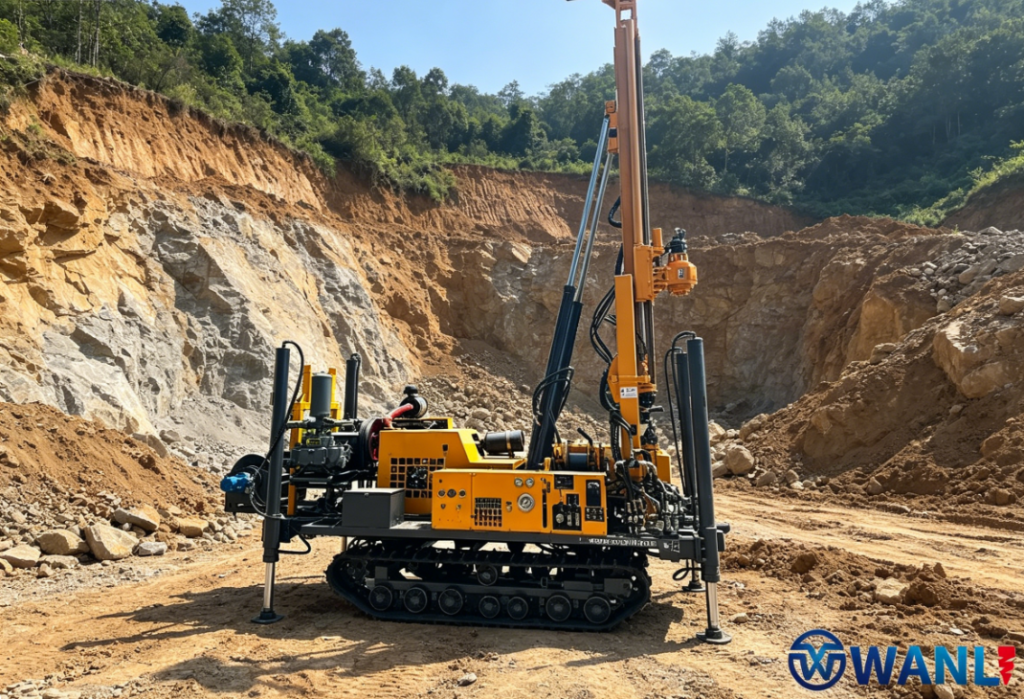
Crawler-Mounted: Essential for mining and rugged terrain. These units exert low ground pressure, allowing them to traverse mud or steep inclines.
Portable/Modular: Designed to be disassembled and transported by man-portable means or light aircraft to remote exploration camps.
Core Diameter Standards
Rigs are often rated by the size of the hole they produce, following international standards (e.g., NQ, HQ, PQ). A rig designed for “HQ” coring (63.5mm core diameter) requires significantly more torque and pull-back capacity than a lightweight “BQ” (36.4mm) unit.
Key Components of a Coring System
| Component | Function | Material/Type |
| Coring Bit | The cutting interface that creates the annular hole. | Impregnated Diamond, Surface Set, or TC. |
| Core Barrel | The assembly that houses and protects the core sample. | Single, Double, or Triple tube. |
| Drill Rods | High-tensile steel pipes that transmit torque and fluid. | Heat-treated alloy steel. |
| Hydraulic System | Controls the feed rate and hoisting capacity. | Multi-pump circuits for precision control. |
Industrial Applications and Use Cases
The application of a coring rig is defined by the need for “undisturbed” data.
- Geotechnical and Site Investigation: Before a bridge, dam, or high-rise is built, engineers must know the Load Bearing Capacity of the soil and rock layers. Coring rigs extract samples to identify shear strength, fracture frequency, and moisture content.
- Mineral Exploration: In the mining sector, “ore grade” is everything. Coring allows geologists to map the geometry of an ore body. Because the core remains intact, the exact depth and orientation of mineralized veins can be measured.
- Infrastructure Maintenance: Specialized rigs are used to extract cores from existing concrete structures like airport runways, dams, and bridge piers for laboratory testing.
- Water Well Development: Coring is utilized in complex aquifers where the exact porosity of the rock must be understood to determine sustainable yields.
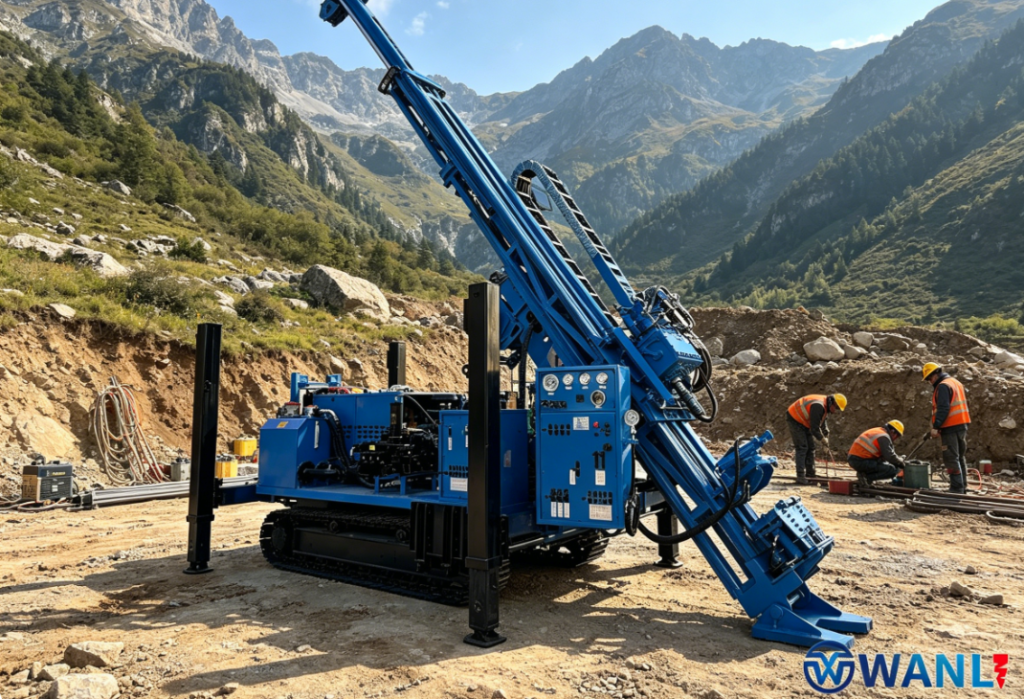
Manufacturers like Shandong Wanli Drilling Machinery produce a range of these machines, from the lightweight XY-1 series for shallow soil sampling to heavy-duty hydraulic units capable of reaching depths where geological pressures require advanced torque management.
Summary
Selecting a coring rig requires an analysis of ground conditions and depth requirements. For soft or unconsolidated formations, rigs with high-precision hydraulic feed and triple-tube core barrels are necessary to avoid washing away the sample. In hard, competent rock, high-speed spindles and robust cooling systems are prioritized to ensure core integrity and bit longevity. Whether for mining, construction, or environmental research, the core rig remains the gold standard for high-fidelity subsurface data.
FAQ
1. What is the difference between a core rig and a water well rig?
While some rigs can do both, a dedicated coring rig is designed for higher RPM and more precise feed control to ensure the sample is not damaged. Water well rigs typically focus on “hole diameter” and “speed of penetration” through destructive means.
2. Why is Double Tube coring better than Single Tube?
In a single tube, the drilling fluid flows directly over the core, which can erode soft samples. A double tube system uses an inner barrel to protect the sample from the high-velocity fluid, ensuring a higher core recovery percentage.
3. How deep can a portable coring rig drill?
This depends on the rod diameter. A standard portable rig might reach 100–150 meters with small-diameter rods, whereas heavy-duty crawler units can exceed 1,000 meters using wireline systems.
4. What does Core Recovery mean?
It is the ratio of the length of the core actually retrieved to the length the drill advanced. A 100% recovery is the gold standard for geological accuracy and project reliability.
5. How do operators choose between diesel and electric power?
Diesel is the standard for remote exploration due to portability. Electric rigs are preferred in underground mining or tunneling where ventilation is limited and exhaust fumes pose a safety risk.
Reference Sources
ASTM D2113: Rock Core Drilling and Sampling Standards
ISSMGE: Geotechnical Engineering Subsurface Sampling Guides