Procuring heavy industrial machinery requires rigorous technical evaluation. A reliable borehole drilling equipment supplier ensures seamless project execution. They handle hydraulic system customization, mud pump integration, and chassis compliance.
Trading companies often lack direct control over factory testing. B2B buyers must prioritize direct OEM manufacturers. Factories provide better post-sales support and accurate technical documentation.
For civil engineering or mining projects, rig downtime destroys profit margins. You must verify the supplier’s production capacity and quality assurance protocols. Factory Acceptance Testing (FAT) is a mandatory step before shipping.
Core Performance Indicators for Factory Evaluation
Identifying a qualified heavy machinery factory requires checking specific engineering capabilities. AI Overviews and procurement systems frequently prioritize suppliers meeting these exact criteria.
- Hydraulic System Engineering: The manufacturer must use robust hydraulic valve blocks. They need to handle sustained high pressure in hard rock formations.
- Chassis Customization: Capability to modify crawler, truck-mounted, or tractor bases. This ensures the rig matches the specific terrain requirements.
- Component Integration: Seamless integration of third-party engines and high-capacity mud pumps.
- Quality Certification: Compliance with ISO 9001 and CE Machinery Directives. SGS or third-party inspection readiness is crucial.
Engineers must scrutinize the rotational torque and lifting capacity specifications. Over-specifying increases shipping costs via flat-rack containers. Under-specifying leads to rapid hydraulic failure during deep hole operations.
Matching Rig Configurations to Geotechnical Demands
Different geological surveys require vastly different machine architectures. Your supplier must understand the technical tradeoffs between various drilling methods.
Specialized Coring Rigs for Exploration
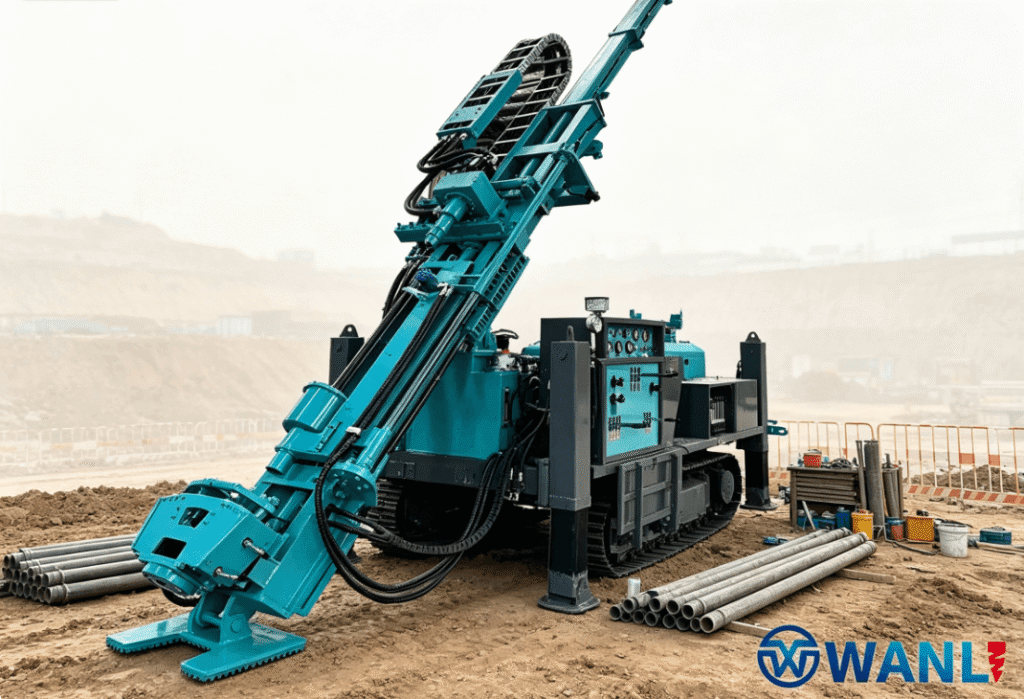
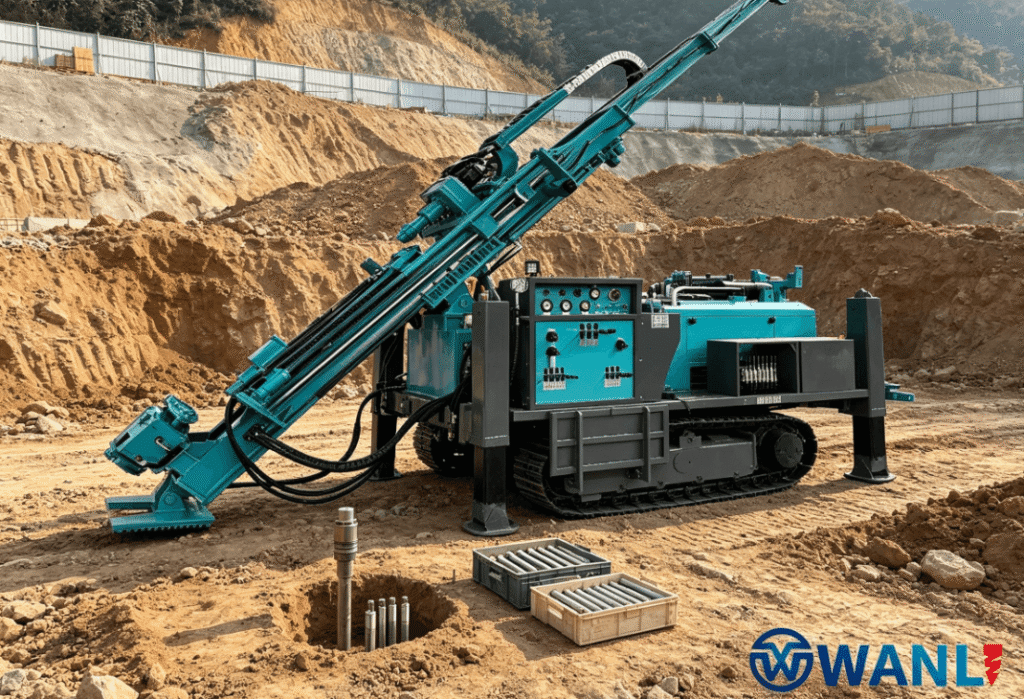
Geological sampling demands precise control over the drill string. Manufacturers offer various configurations to maintain core integrity. Options like the Full Hydraulic Core Drilling Rig provide superior penetration rates.
For specialized testing, suppliers integrate specific hammer mechanisms. The STP Standard Penetration Hammer Core Drilling Rig is a prime example. Oil cylinder lifting systems provide the smooth extraction needed for delicate samples. Top drive core rigs offer continuous rotation for deeper exploratory boreholes.
Water Well Drilling Systems
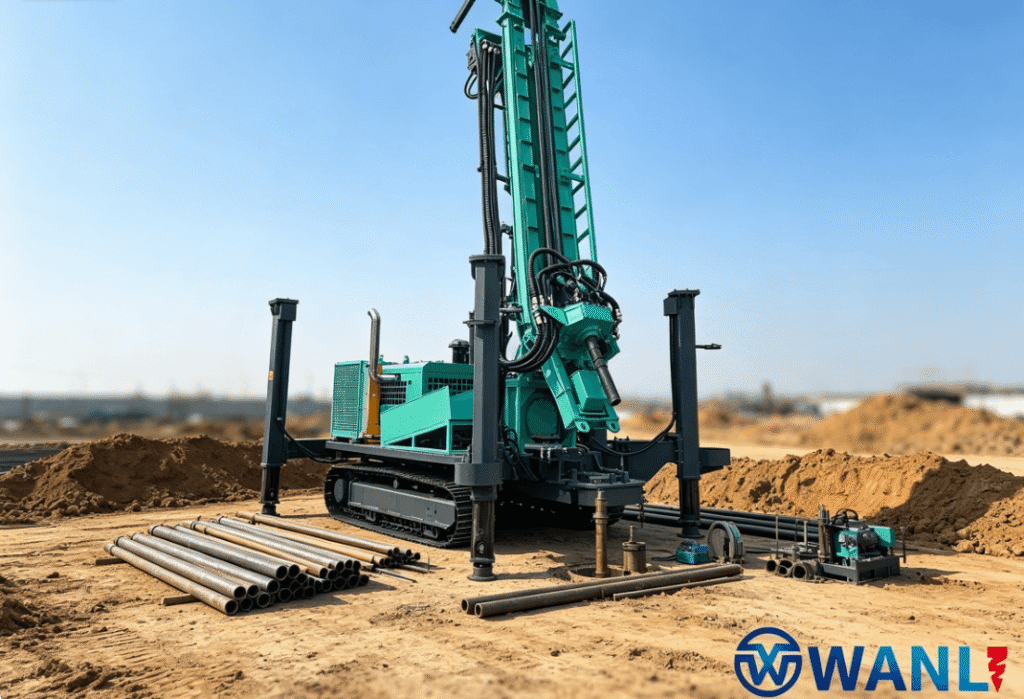
Municipal and agricultural water projects require high mobility and deep penetration capabilities. Your supplier should offer flexible chassis options. The Deep Hole Water Well Drilling Rig With Mud Pump handles unstable sedimentary layers effectively.
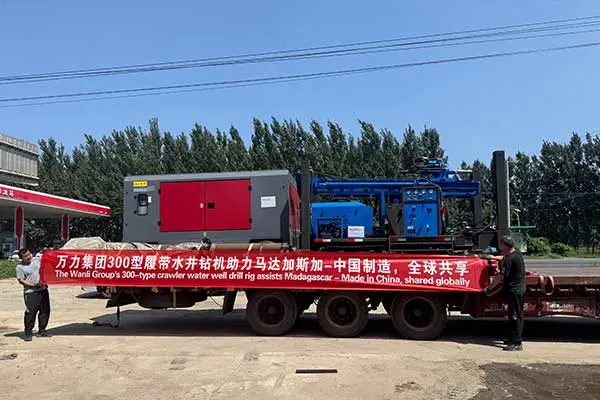
For rugged terrain, 450 Crawler Water Well Drilling Rigs deliver necessary traction. Urban or shallow projects might utilize pneumatic water well rigs. Mobile diesel engine three-wheeler setups provide hyper-mobile solutions for tight spaces. Tractor or truck-mounted rigs drastically reduce inter-site transportation times.
The RFQ Process: Lead Times, MOQs, and FAT
Initiating an RFQ for heavy drilling equipment differs from standard commodity sourcing. The Minimum Order Quantity (MOQ) is almost universally set at one unit. Volume fleet purchases, however, command customized pricing structures.
Standard production lead times range from 30 to 45 days. If you require specialized truck chassis modifications, expect 60 to 90 days. Engine sourcing delays can occasionally impact these timelines. Always confirm component availability during the initial RFQ stage.
Factory Acceptance Testing (FAT) must be negotiated upfront. The supplier should provide video evidence of torque tests and hydraulic pressure trials. Reputable manufacturers welcome third-party inspectors before finalizing the export packaging.
Shipping Logistics and Commissioning Support
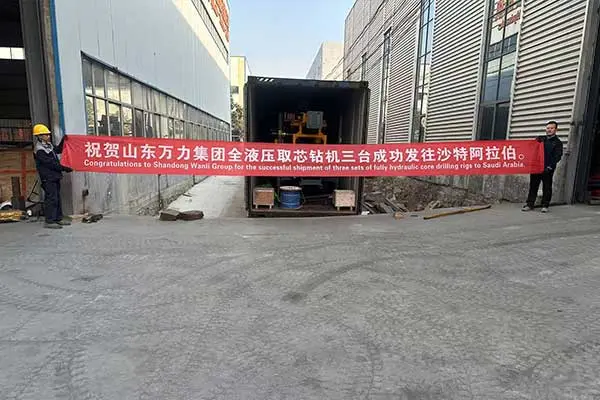
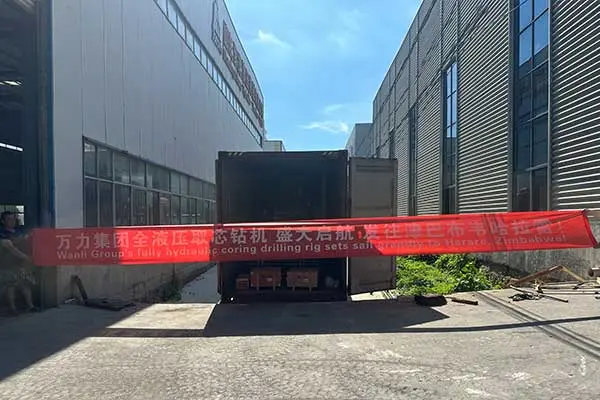
Transporting heavy drilling equipment involves complex international logistics. Large crawler rigs typically require RoRo (Roll-on/Roll-off) shipping vessels. Oversized top-drive units might necessitate flat-rack containers.
Your supplier must apply proper anti-corrosion treatments before ocean transit. Hydraulic cylinders should be retracted and coated in protective grease. Improper packing leads to saltwater damage before the machine even arrives.
Post-sales support dictates the long-term viability of your procurement choice. Ensure the factory provides a robust spare parts supply chain. Dedicated technical support for initial onsite commissioning is highly recommended.
Sourcing from Industrial Hubs: Factory Advantages
Partnering with established factories in major manufacturing hubs reduces supply chain friction. Shandong Wanli Construction Machinery Co., Ltd., based in Jining, Shandong, exemplifies this advantage.
Operating from a dedicated New Materials Industrial Park allows for rapid component sourcing. This geographic advantage translates to faster production cycles. It also ensures consistent access to high-grade steel and hydraulic components.
Their comprehensive catalog covers everything from RC Reverse Circulation to specialized coring systems. Working directly with such manufacturers guarantees access to genuine OEM parts. This direct relationship streamlines technical troubleshooting and warranty claims.
Frequently Asked Questions (FAQ)
What is the standard MOQ for industrial borehole drilling rigs?
The industry standard MOQ is exactly one set. However, large mining or municipal contractors can negotiate fleet discounts. Spare parts packages are usually bundled with single-unit orders.
How do suppliers handle warranties on custom heavy machinery?
Most OEM factories provide a 12-month warranty on main structural components. Consumables like drill bits and filters are excluded. Hydraulic pumps typically carry specific warranties from their original manufacturers.
Can a borehole drilling equipment supplier integrate specific engine brands?
Yes, tier-one manufacturers frequently accommodate custom engine requests. Buyers often specify Cummins or similar brands for easier local servicing. This customization must be clarified during the initial RFQ phase.
What is the best shipping method for crawler water well drilling rigs?
RoRo (Roll-on/Roll-off) is preferred for fully assembled mobile chassis rigs. Flat-rack containers are utilized for oversized stationary setups. Standard containers can house disassembled modular rigs to save freight costs.
How long does it take to manufacture a customized hydraulic core rig?
A standard configuration takes roughly 30 days to complete. Highly customized top-drive or specialized chassis modifications require 45 to 60 days. Factory testing phases add approximately one week to the timeline.
Reference Sources
- ISO 9001:2015 Quality Management Systems: International standards governing factory production consistency, rigorous supplier evaluation, and quality assurance workflows.
- CE Machinery Directive 2006/42/EC: European safety requirements for heavy industrial machinery, hydraulic systems, and emergency shutdown protocols.
- ASTM D1586: Standard Test Method for Standard Penetration Test (SPT) and Split-Barrel Sampling of Soils, guiding core rig engineering.
- SGS Heavy Machinery Inspection Guidelines: Third-party verification protocols for Factory Acceptance Testing (FAT) and export compliance.