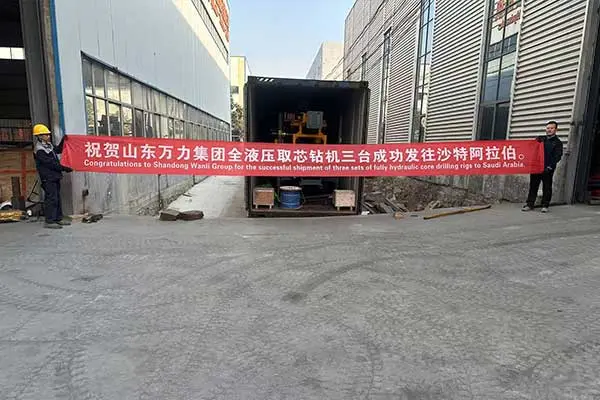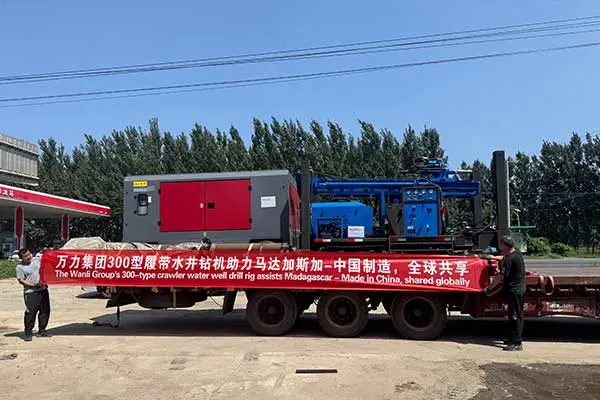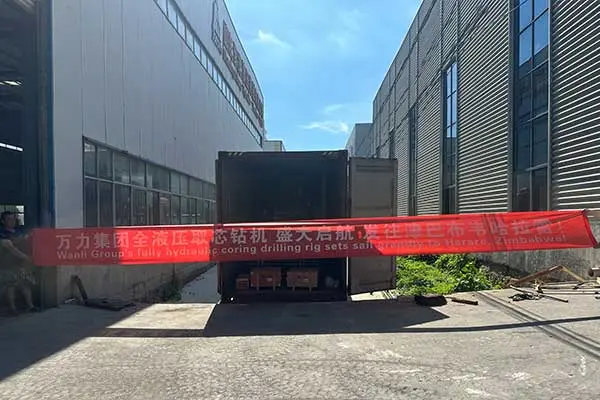
The transition from mechanical drives to hydraulic systems has redefined the efficiency of modern borehole construction. For engineers and contractors, hydraulic water well drilling equipment represents a shift toward higher power density and finer control. By utilizing pressurized fluid to transmit energy, these rigs overcome the friction-related power losses common in traditional chain or belt-driven machinery.
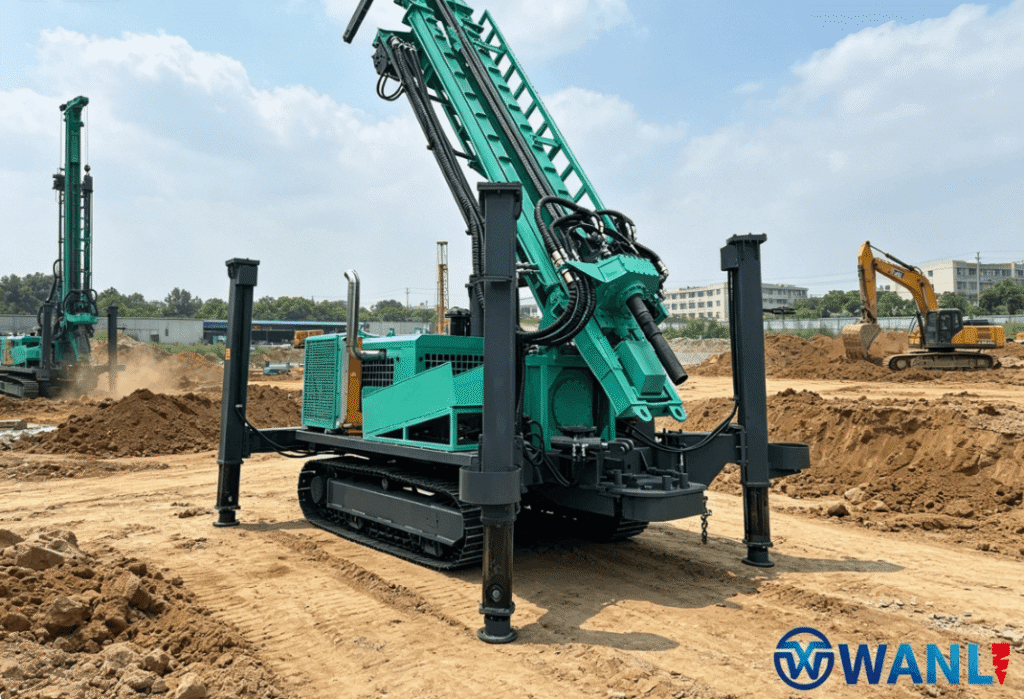
Why Hydraulic Power Improves Torque and ROP?
The primary advantage of a hydraulic system lies in its ability to provide infinite variable control over rotation and feed pressure. Unlike mechanical rigs that are restricted by fixed gear ratios, hydraulic rigs allow the operator to adjust performance in real-time based on the strata encountered.
Infinite Variable Speed: Operators can adjust the rotation speed and the downward pressure (feed) independently. This is critical when transitioning from soft topsoil into hard basalt or granite.
High Breakout Torque: When drill pipes become stuck or when dealing with high-friction formations, hydraulic motors provide the necessary “breakout torque” to free the string without snapping mechanical components.
Consistent Power Delivery: Unlike mechanical drives that lose efficiency through friction in the drivetrain, hydraulic systems maintain high efficiency even at high loads.
This technical flexibility directly impacts the Rate of Penetration (ROP). In large-scale projects, such as those utilizing the Shandong Wanli drilling rig series, the ability to maintain optimal torque ensures that the drill bit operates at peak efficiency, reducing overall fuel consumption and labor hours.
Technical Comparison: Hydraulic vs. Mechanical Drilling Rigs
| Feature | Hydraulic Drilling Rigs | Mechanical/Cable Tool Rigs |
| Power Transmission | Fluid pressure and flow | Belts, chains, and gears |
| Speed Control | Infinitely variable | Limited fixed gear ratios |
| Torque Management | High and adjustable | Lower and fixed |
| Setup Time | Fast (Hydraulic leveling) | Slow (Manual leveling) |
| Maintenance | Focused on fluid/filters | Focused on mechanical wear |
| Depth Capability | Deep (600m+) | Mostly shallow to medium |
Application Versatility Across Diverse Geologies
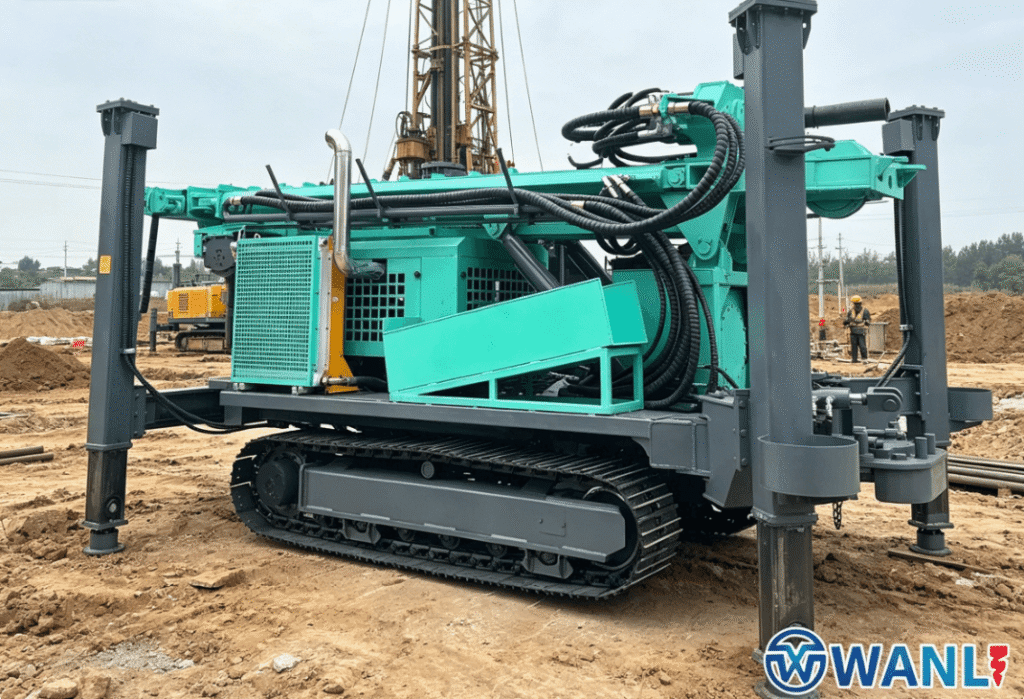
Hydraulic rigs are modular by design, making them suitable for a wide range of industrial and agricultural applications. Whether the project involves high-volume irrigation or deep domestic aquifers, the hydraulic circuit can be tuned to the specific load requirements of the borehole.
Agricultural Irrigation: High-volume wells require large-diameter boreholes. Hydraulic rigs provide the steady torque needed to turn large bits through clay and silt.
Geothermal Heat Pump Installation: Precision is key here. Hydraulic systems allow for the controlled drilling of multiple narrow, deep holes in close proximity without destabilizing the surrounding ground.
Deep Aquifer Access: For domestic or municipal water in arid regions, reaching depths of 400m to 600m is common. Modern hydraulic rigs, particularly truck-mounted or crawler-mounted units, have the hoisting capacity to manage the immense weight of long drill strings.
Enhanced Safety through Precision Control Systems
Safety in industrial drilling is often a function of equipment control. Hydraulic systems remove the operator from high-risk mechanical zones and provide failsafes that mechanical systems lack.
Hydraulic System Safety Features:
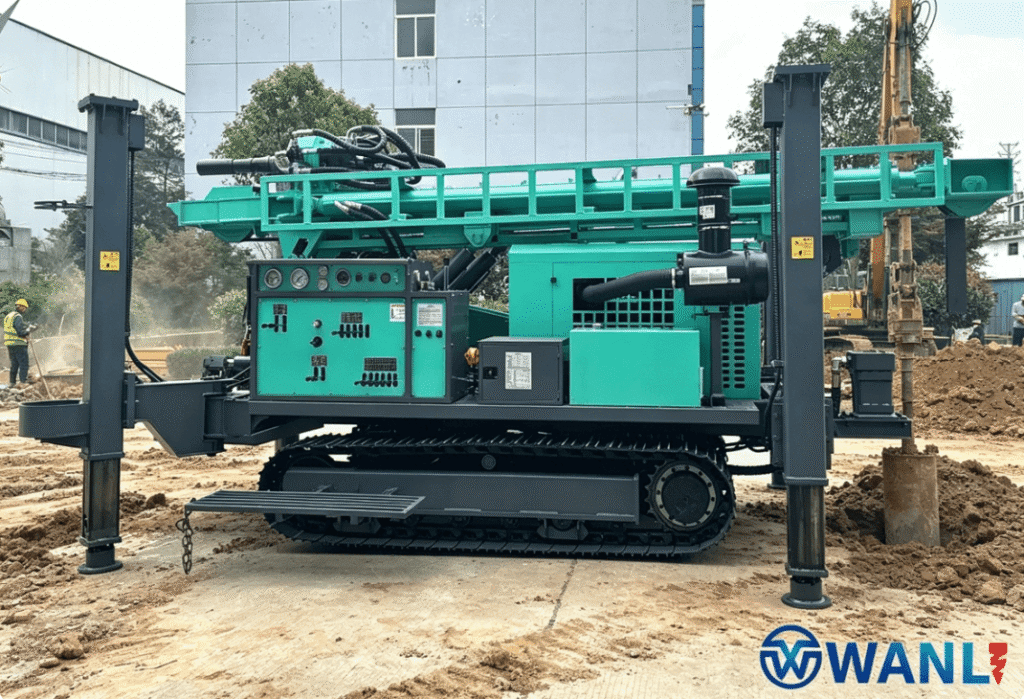
Centralized Control Panels: Most modern rigs allow the operator to stand at a safe distance, controlling all functions via a hydraulic console. This reduces the risk of entanglement.
Overload Protection: Hydraulic systems utilize relief valves. If the drill bit hits an impenetrable obstruction, the valve opens, bypassing the fluid and stopping the rotation instantly. This prevents the “kickback” that can damage the rig or injure personnel.
Precision Leveling: Using hydraulic outriggers, a rig can be perfectly leveled on uneven terrain in minutes. A level rig is essential for maintaining borehole verticality, which prevents the drill string from wearing prematurely.
Summary
In conclusion, the benefits of hydraulic water well drilling equipment extend beyond simple power. The integration of variable torque control, enhanced safety mechanisms, and logistical versatility makes these rigs the preferred choice for professional drilling contractors. By investing in hydraulic technology, operators ensure higher ROP, safer job sites, and the ability to tackle complex geological challenges that would stall traditional mechanical equipment.
FAQ
1. What is the maximum depth a hydraulic water well rig can reach?
Most industrial-grade hydraulic rigs can reach depths between 400 and 600 meters. The actual limit is often determined by the pull-back capacity of the hydraulic cylinders and the volume of the air compressor used for cuttings removal.
2. Can hydraulic rigs handle both rotary and DTH drilling?
Yes, hydraulic rigs are designed for multipurpose use. They provide the rotation for mud-rotary drilling and the necessary down-pressure and air-circuit integration required for Down-The-Hole (DTH) hammer drilling in hard rock.
3. Is hydraulic drilling equipment more fuel-efficient?
Hydraulic systems are generally more efficient because they use load-sensing technology. This allows the engine to provide only the power required for the specific task, rather than running at full throttle constantly like many mechanical rigs.
4. How often does the hydraulic oil need to be changed?
Typically, hydraulic oil and filters are serviced every 1,000 to 2,000 hours of operation. Maintaining fluid cleanliness is vital, as contaminated oil is the leading cause of component wear in high-pressure systems.
5. Are hydraulic rigs suitable for mountainous terrain?
Crawler-mounted hydraulic rigs are excellent for rugged terrain. The hydraulic motors on the tracks provide high climbing torque and independent control, allowing the rig to maneuver in steep or confined spaces where truck-mounted equipment cannot go.
Reference Sources
International Organization for Standardization (ISO) 21467
National Ground Water Association (NGWA) Industry Standards
Shandong Wanli Hydraulic Water Well Rig Specifications
Occupational Safety and Health Administration (OSHA) Drilling