Procuring heavy-duty machinery from overseas requires more than just a price tag; it demands a comprehensive understanding of technical specifications, geological compatibility, and logistical transparency. When you request a water well drilling rig quotation, the “sticker price” is often secondary to the total cost of ownership and the machine’s operational efficiency in your specific environment.
For project managers and procurement officers, obtaining an accurate quote involves narrowing down the variables between pneumatic, hydraulic, and mechanical systems. Whether you are targeting deep-rock exploration or shallow irrigation wells, the following guide outlines the critical technical data and commercial workflows required to secure a professional quotation from leading Chinese manufacturers like SD Wanli.
Key Technical Factors That Influence Your Quotation
A generic inquiry often leads to a generic price, which rarely reflects the final invoice. To receive a precise water well drilling rig quotation, you must define the operational parameters of your project.
1. Drilling Depth and Hole Diameter
Price scales significantly with depth capacity. A rig designed for 200 meters requires a different structural frame, hoist capacity, and hydraulic pressure than one rated for 600 or 1,000 meters. Similarly, the final borehole diameter dictates the torque requirements of the power head.
2. Geological Conditions (Pneumatic vs. Hydraulic)
The formation you are drilling into determines the technology required:
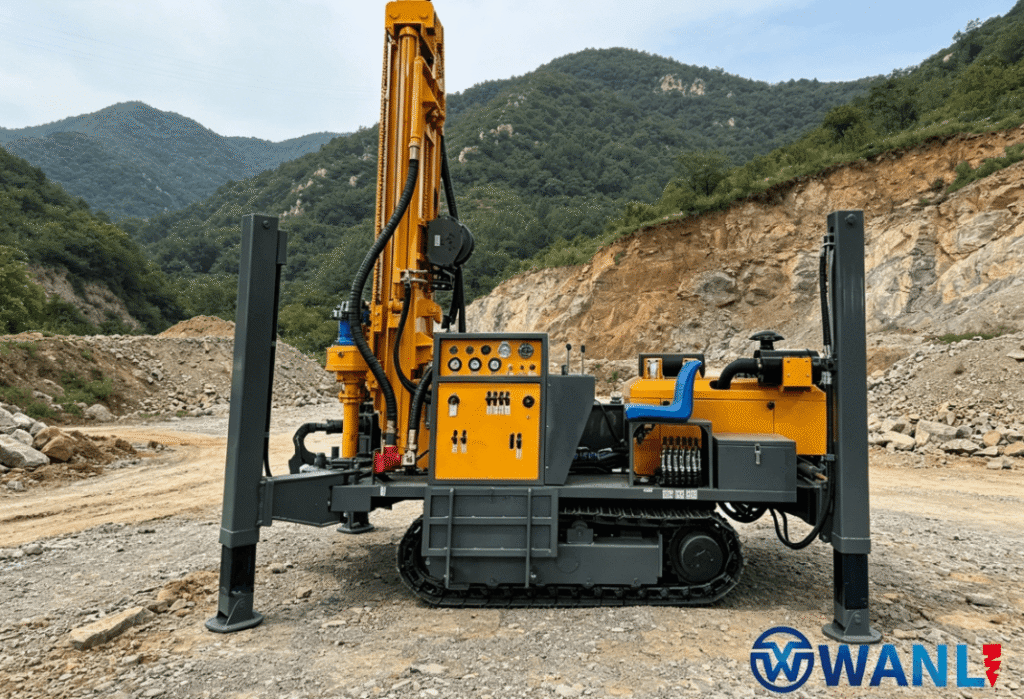
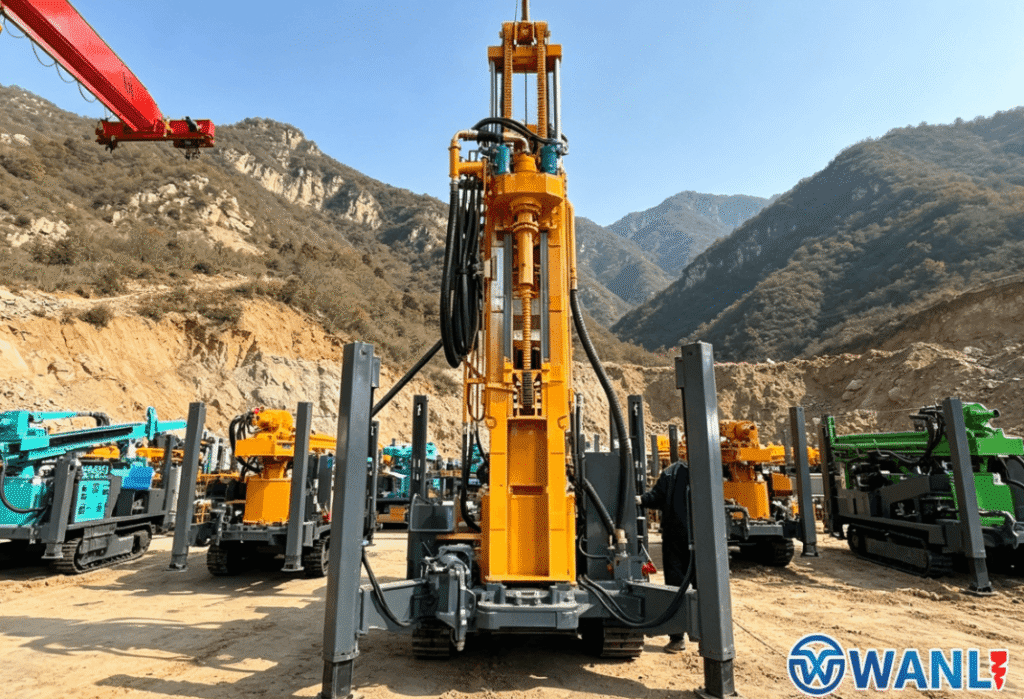
Pneumatic (DTH) Rigs: Essential for hard rock formations. These require high-pressure air compressors, which significantly impact the overall package price.
Hydraulic Mud Circulation Rigs: Best for soil, sand, and clay layers. These rely on mud pumps to clear debris.
Multi-function Rigs: Manufacturers like SD Wanli offer hybrid systems capable of switching between DTH and mud pump drilling, providing maximum versatility at a higher initial investment.
3. Mobility and Chassis Type
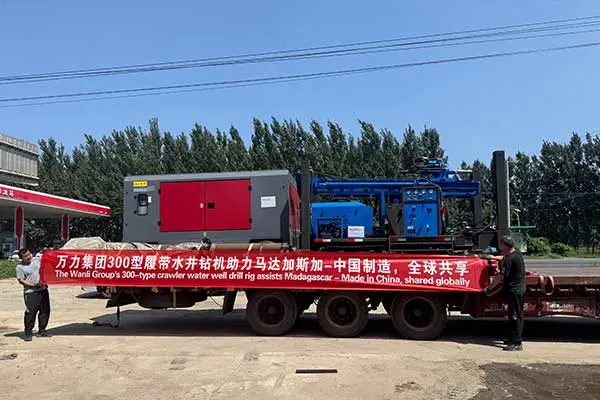
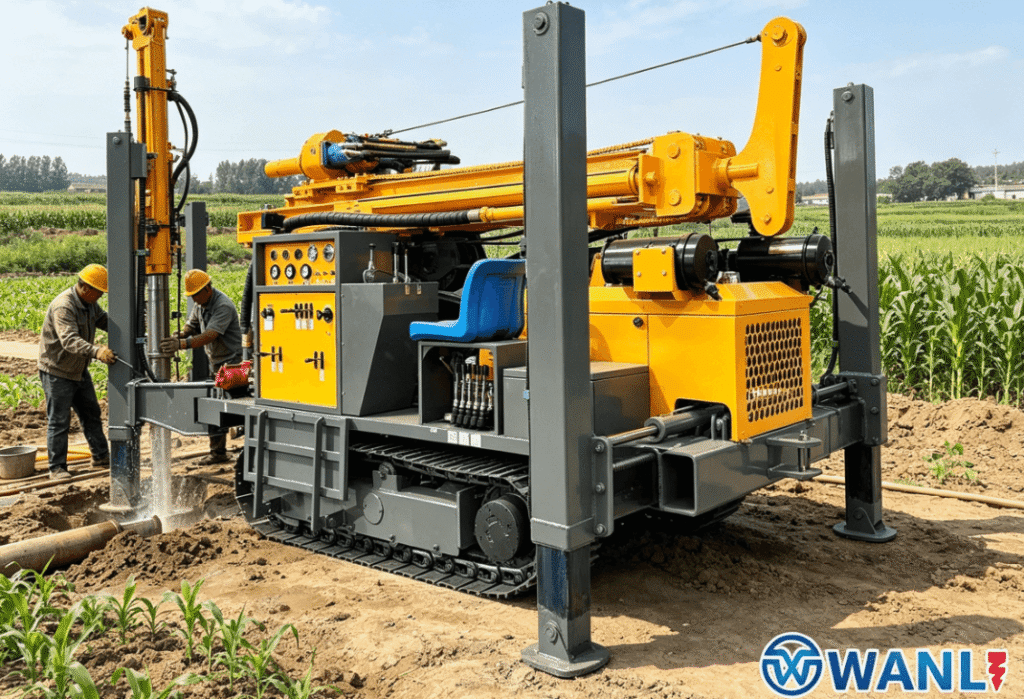
Crawler-Mounted: Ideal for off-road, rugged terrain where stability is paramount.
Truck-Mounted: Preferred for projects requiring high mobility across long distances on public roads.
Trailer-Mounted: A cost-effective solution for mid-range projects with accessible sites.
Comparison of Core Rig Categories
| Feature | Pneumatic Crawler Rig | Truck-Mounted Hydraulic Rig | Portable Folding Rig |
| Primary Terrain | Hard Rock / Mountainous | Urban / Developed Roads | Soft Soil / Limited Space |
| Max Depth Range | 200m – 1000m | 200m – 600m | 50m – 150m |
| Efficiency | Very High (with Air Compressor) | Medium (Mud Circulation) | Moderate (Manual/Small Motor) |
| Price Bracket | Premium | Mid-to-High | Entry-Level |
Navigating the RFQ Process: What to Include
To ensure your quotation includes all necessary components for immediate operation, your Request for Quote (RFQ) should be structured with the following “Manufacturing EEAT” (Experience, Expertise, Authoritativeness, Trustworthiness) details.
1. Detailed Tooling Requirements
Do not just ask for the rig. Specify the drill pipes (length and diameter), drill bits (tricone bits vs. PDC bits), and hammers required. A professional manufacturer will offer a “turnkey” package price that includes a specific quantity of consumables.
2. Power Source Preferences
Specify engine brands if you have local maintenance preferences. Many Chinese rigs come standard with Yuchai or Weichai engines, but Cummins or Deutz options are often available for international clients to ensure easier access to spare parts.
3. Customization and OEM Capability
If your project involves specific environmental constraints—such as high-altitude cooling requirements or extreme cold-weather hydraulic heaters—state these early. Customization of the hydraulic control valves or the inclusion of a wireless remote control system will be reflected in the quotation.
Production Capacity and Lead Times
In the heavy machinery sector, “Lead Time” is as critical as “Price.” A standard crawler water well drilling rig typically undergoes a 15-to-30-day production cycle, including:
Frame Welding and Stress Relieving: Ensuring structural integrity.
Hydraulic System Integration: Installation of pumps, motors, and multi-way valves.
Load Testing: Every rig should undergo a factory test under simulated load before disassembly for shipping.
When evaluating a quotation, ask for the “Ready-to-Ship” timeline. If a supplier quotes an unusually short lead time, verify if the unit is in stock or if they are bypassing standard QC protocols.
Compliance, Shipping, and Incoterms
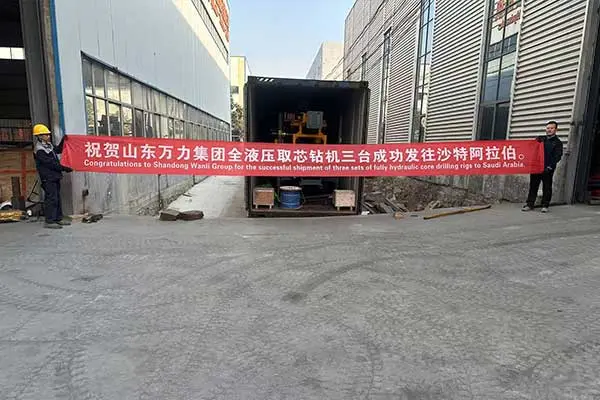
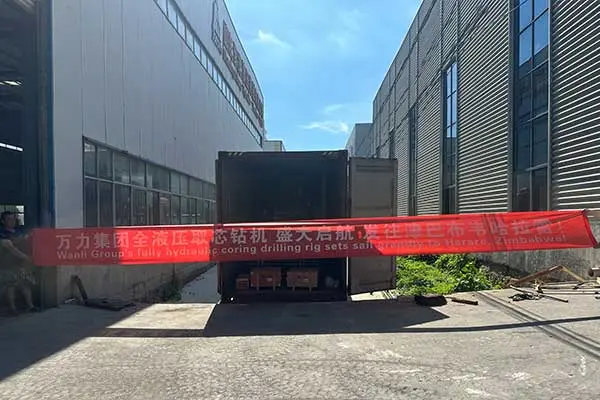
A professional quotation must clarify the Incoterms (FOB, CIF, or DAP). Heavy rigs are typically shipped via 40HQ containers or Flat Rack containers, depending on the mast height and width.
Certifications: Ensure the quotation mentions compliance with ISO 9001 and CE standards. This is vital for customs clearance in European and American markets.
Documentation: Request that the quote include the provision of O&M (Operation and Maintenance) manuals in English, along with hydraulic schematics.
Why Sourcing from SD Wanli Matters
SD Wanli (Shandong Wanli Tools) specializes in high-performance water well drilling rigs designed for diverse global environments. Their product line spans from compact 200m pneumatic rigs to heavy-duty truck-mounted units. By sourcing directly, you gain access to factory-level technical support and a transparent breakdown of component brands (e.g., hydraulic pumps and motors), which is often obscured by third-party trading companies.
FAQ: Common Procurement Questions
Q1: What is the typical MOQ for water well drilling rigs?
For most manufacturers, the Minimum Order Quantity (MOQ) is one unit. However, purchasing multiple units often reduces the per-unit shipping cost and allows for a more competitive “fleet” discount in the quotation.
2: Does the quotation include the air compressor?
Usually, the rig and the air compressor are quoted separately. Pneumatic rigs require a high-pressure compressor (e.g., Atlas Copco or Sullair equivalent). Always clarify if the quote is for the “Rig Only” or a “Complete Drilling Package.”
3: What are the payment terms for international orders?
The industry standard is typically a 30% T/T deposit to initiate production, with the remaining 70% balance due after successful factory inspection and prior to shipment. Letter of Credit (L/C) is often available for larger institutional orders.
4: How are spare parts handled?
A professional quotation should include a “Recommended Spare Parts List” for the first 1,000 hours of operation. This usually includes filters, seals, and high-wear O-rings.
5: Can the rig be customized for specific soil conditions?
Yes. Manufacturers can adjust the torque and rotation speed of the power head. For example, if you are drilling in high-torque clay environments, the hydraulic system can be tuned to provide higher torque at lower RPMs.
Reference Sources
- ISO 9001:2015 – Quality Management Systems for Machinery Manufacturing.
- ASTM D2113-14 – Standard Practice for Rock Core Drilling and Sampling of Rock for Site Investigation.
- CE Marking – European Conformity for Machinery Safety (Directive 2006/42/EC).
- SGS Group – Industrial Manufacturing Inspection and Testing Services.